Yoyo Loach
If you’re looking to add a lively and unique fish to your aquarium, the Yoyo Loach is a fantastic choice. This small, colorful fish isn’t just attractive—it’s full of personality and easy to care for.
You might be wondering what makes the Yoyo Loach stand out from other fish, and how it can bring more life to your tank. Keep reading to discover everything you need to know about this fascinating fish and how it can become the highlight of your aquarium.
Credit: microaquaticshop.com.au
Yoyo Loach Basics
The Yoyo Loach is a popular freshwater fish known for its bright patterns and lively nature. It is a favorite among aquarium enthusiasts due to its unique look and fun personality. Understanding the basics of the Yoyo Loach helps in caring for it properly.
This section covers the key facts about its appearance, habitat, and behavior. Knowing these points makes it easier to keep the fish healthy and happy.
Physical Features
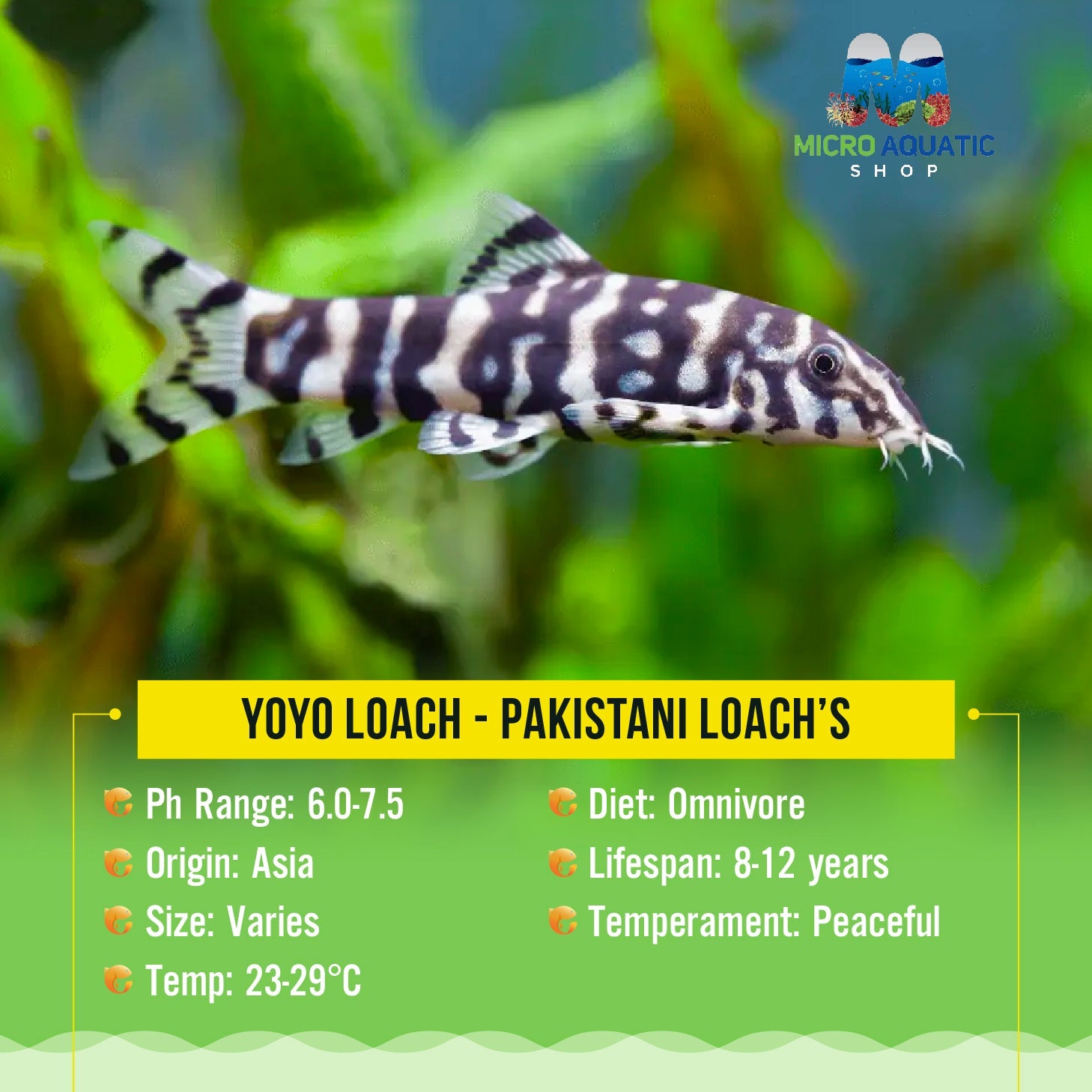
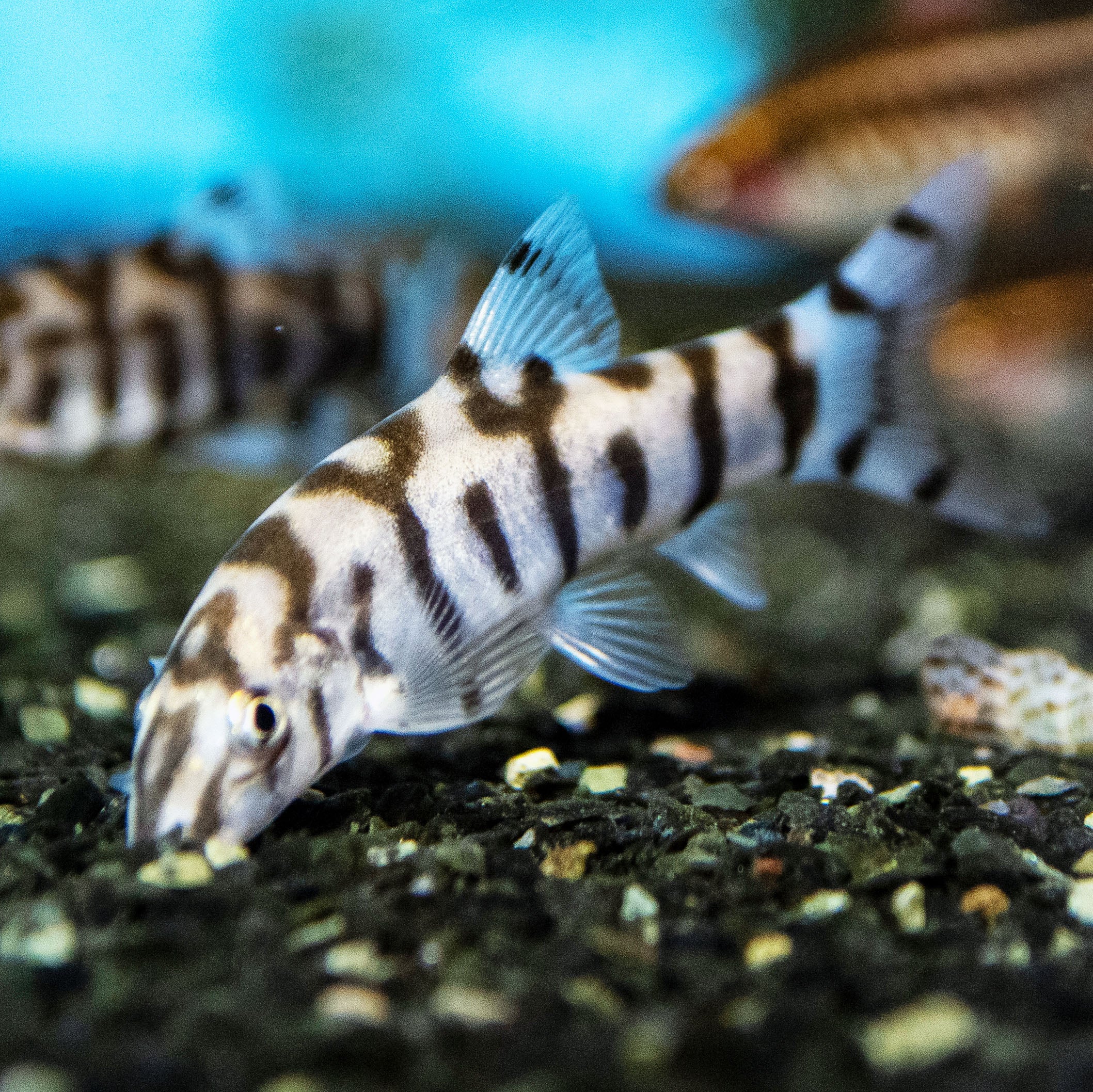
The Yoyo Loach has a long, slender body that can grow up to 4 inches. Its skin shows a pattern of dark and light stripes that look like the word “Yoyo.” The colors range from yellow to orange with black markings. It has small barbels near its mouth to help find food. Its fins are clear with a slight tint of color.
Natural Habitat
The Yoyo Loach comes from rivers and streams in South Asia. It lives in slow-moving waters with soft sand or mud at the bottom. The water is usually warm and slightly acidic. It prefers places with plants and rocks to hide. This natural setting keeps the fish safe and comfortable.
Behavior Traits
This fish is social and likes to live in groups. It often hides under rocks or plants during the day. At night, it becomes more active and searches for food. The Yoyo Loach is peaceful and gets along with other fish. It loves to dig in the substrate, so a soft bottom in the tank is best. It shows curiosity and interacts with its surroundings often.
Tank Setup
The Yoyo Loach thrives in a well-prepared tank. Setting up the right environment helps the fish stay healthy and active. This section explains how to create the best tank for your Yoyo Loach.
Simple steps can make a big difference. Proper tank size, water conditions, and decorations matter most.
Tank Size
The minimum tank size for a Yoyo Loach is 20 gallons. They are active swimmers and need space to move. A larger tank keeps water quality stable and reduces stress. Avoid small tanks, as they limit the fish’s natural behavior.
Water Conditions
Keep the water temperature between 74°F and 82°F (23°C to 28°C). The pH should stay near neutral, around 6.5 to 7.5. Soft to moderately hard water suits them best. Clean water with regular changes helps prevent diseases. Use a gentle filter to keep the water clear but avoid strong currents.
Substrate And Decorations
Use soft, smooth substrate like sand or fine gravel. Rough surfaces can hurt the Yoyo Loach’s delicate skin. Add hiding spots with rocks, caves, and plants. These decorations make the fish feel safe and reduce stress. Live plants also improve water quality and provide shelter.
Feeding Yoyo Loach
Feeding Yoyo Loach is important for its health and happiness. These fish enjoy a variety of foods. Proper feeding keeps them active and colorful. It also helps prevent diseases.
Diet Preferences
Yoyo Loach likes live or frozen foods. Bloodworms, brine shrimp, and daphnia are favorites. They also eat sinking pellets and flakes. Vegetables like cucumber and zucchini are good too. A balanced diet helps them grow strong.
Feeding Schedule
Feed Yoyo Loach twice a day. Small amounts work best. Watch them eat and stop feeding when they lose interest. Consistent timing helps their digestion and activity. Avoid feeding late at night.
Avoiding Overfeeding
Overfeeding can harm Yoyo Loach. It causes water pollution and health problems. Feed only what they finish in two minutes. Remove leftover food quickly. Clean the tank regularly to keep water fresh.
Tankmates Compatibility
Choosing the right tankmates for your Yoyo Loach is very important. This fish is peaceful and enjoys a calm environment. It does best with other non-aggressive fish that share similar water needs. Proper tankmates help reduce stress and keep your Yoyo Loach happy.
Suitable Fish Species
Yoyo Loach gets along well with small, peaceful fish. Species like Corydoras catfish, small tetras, and rasboras work nicely. These fish have gentle temperaments and thrive in similar water conditions. Avoid overcrowding to give each fish enough space.
Aggressive Species To Avoid
Avoid large or aggressive fish that may harm the Yoyo Loach. Cichlids, large barbs, and aggressive gouramis can cause stress or injury. These fish compete for food and territory. Keeping them apart protects your loach from harm.
Community Tank Tips
Provide plenty of hiding spots with plants and decorations. This helps reduce stress for all fish. Keep the tank clean and maintain good water quality. Watch your fish daily to spot any signs of stress or aggression early.
Health And Care
The health and care of Yoyo Loach are important for a happy fish. These loaches need clean water and good food. A healthy environment helps them live longer and stay active. Watch your fish daily to spot any problems early. Small changes in behavior or appearance can tell you about their health.
Proper care includes checking water quality often. Keep the tank clean and at the right temperature. Feed a balanced diet with live or frozen foods. Avoid sudden changes in water or food to prevent stress and illness.
Common Diseases
Yoyo Loach can get skin infections and parasites. Ich is a common disease that shows as white spots. Fin rot causes frayed or torn fins. Bacterial infections may cause redness or swelling. Watch for these signs to treat your fish early.
Preventive Measures
Keep the tank clean by changing water regularly. Use a good filter to remove waste and toxins. Avoid overcrowding to reduce stress and disease. Quarantine new fish before adding them to the tank. Feed high-quality food to boost their immune system.
Signs Of Stress
Stress in Yoyo Loach shows as hiding or loss of appetite. They may swim erratically or stay at the bottom. Color fading is also a common sign of stress. Loud noises and sudden movements can cause stress. Keep the tank environment calm and stable to help them feel safe.
Credit: shrimpybusiness.com
Breeding Yoyo Loach
Breeding Yoyo Loach can be a rewarding experience for aquarium hobbyists. These fish have unique behaviors and needs during spawning. Understanding their environment and care can increase the chances of success. This section explains how to create the right conditions, observe spawning behavior, and raise the young fish.
Breeding Conditions
Yoyo Loach prefer clean, well-oxygenated water. Keep the temperature between 75°F and 82°F (24°C to 28°C). A soft to moderately hard water helps. Provide hiding places with plants and smooth stones. Frequent water changes mimic their natural rainy season. This triggers breeding instincts in the fish.
Spawning Behavior
Yoyo Loach usually spawn in pairs or small groups. Males chase females gently during courtship. Spawning often happens in the early morning. The female scatters eggs on flat surfaces or plants. The male fertilizes them quickly. Both adults may guard the eggs briefly.
Raising Fry
Once the eggs hatch, the fry need special care. Use a separate tank with gentle water flow. Feed them with infusoria or liquid fry food at first. Gradually introduce baby brine shrimp as they grow. Keep the tank clean and avoid strong currents. Watch for signs of stress or illness carefully.

Credit: aquadiction.world
How Smart Pets Lover Can Help You with Yoyo Loach
Learning from Your Yoyo Loach Experience
Getting to know your Yoyo Loach opens up wonderful opportunities for practical learning. By observing their behavior and preferences, you deepen your understanding of fish care beyond just feeding and tank setup. For instance, paying attention to their tankmates’ compatibility helps you create a peaceful aquatic community, while monitoring their health encourages timely care interventions.
Engaging with your Yoyo Loach’s daily routine also teaches patience and attentiveness—qualities every responsible pet parent cherishes. These little explorers thrive in well-prepared environments, reminding us how thoughtful tank setup can influence well-being. As you refine your skills, sharing insights with fellow enthusiasts or seeking advice from trusted sources, like Smart Pets Lover, strengthens your confidence in pet care.
- Track feeding habits to notice any health changes early
- Experiment with tank decorations to observe their impact on activity
- Connect with communities focused on Yoyo Loach breeding and care
If questions arise, remember that reliable resources and caring experts are just a message away—helping you nurture a happy, vibrant tank where every splash tells a story.
Frequently Asked Questions
What Is A Yoyo Loach Fish?
The Yoyo Loach is a small, freshwater fish known for its unique yoyo-shaped patterns. It is peaceful and popular in home aquariums.
How Long Do Yoyo Loaches Live?
Yoyo Loaches typically live between 5 to 8 years with proper care and a healthy environment.
What Do Yoyo Loaches Eat?
Yoyo Loaches are omnivores. They eat flakes, pellets, live, and frozen foods like bloodworms or brine shrimp.
Are Yoyo Loaches Good For Community Tanks?
Yes, Yoyo Loaches are peaceful and social. They do well with other non-aggressive fish in community tanks.
Conclusion
Yoyo Loaches are lively and interesting fish for many tanks. They enjoy hiding spots and clean water to stay healthy. Feeding them well helps them grow strong and active. These fish get along with many other species, making them great for community tanks.
Watching their unique patterns and playful moves brings joy to any fish owner. Caring for Yoyo Loaches is simple and rewarding. Try adding one to your aquarium for a fun and peaceful pet.