Why Is My Guppy Turning White
Have you noticed your vibrant guppy losing its color and turning white? It can be worrying to see your lively pet suddenly change like that.
You might be asking yourself, “Why is my guppy turning white? ” This unexpected shift can signal several things about your fish’s health or environment. Understanding the reasons behind this color change is important if you want to keep your guppy happy and healthy.
You’ll discover the common causes and what you can do to bring back your guppy’s beautiful colors. Keep reading to find out how to protect your little swimmer and ensure it thrives in your aquarium.
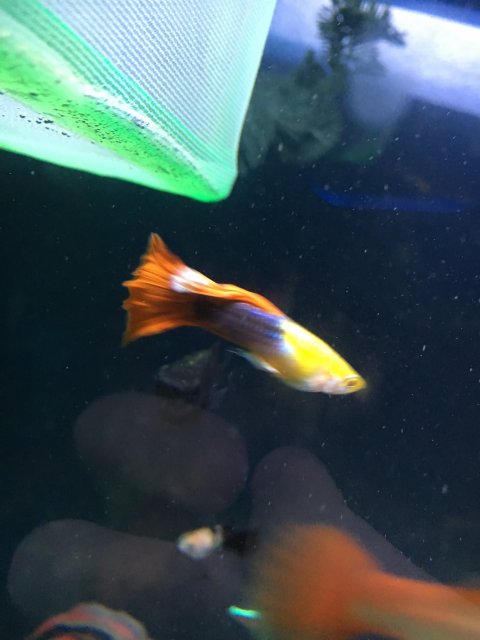
Credit: www.aquariacentral.com
Common Causes Of Color Change
Guppies are known for their vibrant colors, but sometimes they turn white. This change in color can worry fish owners. Understanding the common causes helps you care for your guppy better. Color change is not always a sign of a serious problem. It often reflects natural or environmental factors.
Genetics And Aging
Some guppies naturally change color as they grow. Their genes decide how their color fades or changes. Older guppies often lose brightness and turn pale. This fading is part of their life cycle. It does not always mean illness or stress.
Stress Factors
Stress can cause your guppy to lose color quickly. Loud noises, sudden movements, or new tank mates stress fish. Stress lowers their immune system and dulls their colors. Keep the tank calm and stable to avoid this.
Water Quality Issues
Poor water quality is a main reason guppies lose color. Dirty water or wrong pH levels affect their health. High ammonia or nitrate levels are harmful. Clean water and regular testing keep guppies colorful and healthy.
Diet And Nutrition
A poor diet can cause fading colors in guppies. They need a balanced diet with vitamins and minerals. Lack of color-enhancing foods reduces their brightness. Feed them high-quality flakes, live or frozen food.
Illness And Diseases
Some diseases cause guppies to turn white or pale. Fungal infections, parasites, and bacterial illnesses affect color. Watch for other symptoms like spots or lethargy. Early treatment improves their chances of recovery.
Identifying Stress In Guppies
Stress affects guppies in many ways. One common sign is their color turning white. Stress weakens their immune system and changes their appearance. Spotting stress early helps keep guppies healthy and vibrant. Watch for changes in behavior and color. Stress can come from different sources in their environment.
Environmental Stressors
Water quality is a major factor. Dirty or toxic water harms guppies. Sudden changes in temperature also cause stress. Poor lighting or lack of hiding spots makes them nervous. Overcrowded tanks lead to discomfort and stress. Regular cleaning and stable conditions keep guppies calm.
Tank Mates And Aggression
Aggressive fish cause fear and stress. Guppies may lose color when bullied. Choose peaceful tank mates to avoid fights. Watch for chasing or nipping behaviors. Stress from aggression makes guppies hide or stop eating. Creating a peaceful tank helps guppies feel safe.
Handling And Transport
Moving guppies causes stress and color loss. Rough handling or long transport times hurt them. Use gentle nets and quick moves. Keep water temperature steady during transport. After moving, guppies need time to relax. Calm handling reduces stress and color fading.
Water Conditions Affecting Color
Water quality plays a big role in your guppy’s color. Changes in water can make your guppy lose its bright colors and turn white. Understanding water conditions helps keep your guppy healthy and colorful. Below are key water factors that affect guppy color.
Ph And Hardness Levels
Guppies need stable pH and water hardness. Ideal pH for guppies is between 6.8 and 7.8. Water that is too acidic or too alkaline stresses guppies. Stress can cause their color to fade.
Water hardness affects guppy health too. Soft water may cause dull colors. Hard water helps maintain bright colors. Check water hardness regularly and keep it stable.
Temperature Fluctuations
Guppies prefer warm water around 74-82°F (23-28°C). Sudden temperature changes shock the fish. This shock can lead to color loss.
Keep the temperature steady. Avoid cold drafts or hot spots near the tank. A stable temperature keeps guppies healthy and colorful.
Ammonia And Nitrate Levels
High ammonia or nitrate harms guppies and dulls their color. Ammonia is toxic even in small amounts. Nitrate buildup also stresses fish over time.
Test water regularly for ammonia and nitrate. Use a good filtration system and perform water changes. Clean water keeps guppies vibrant and safe.

Credit: www.reddit.com
Common Diseases Causing Whitening
Guppies turning white often signal health problems. Several diseases cause this color change. Knowing these diseases helps in early care. Acting fast can save your guppy’s life.
These common diseases affect the fish’s skin and scales. They cause patches or full whitening. Understanding each disease’s signs helps in proper treatment.
Ichthyophthirius (ich)
Ich, also called white spot disease, is a common parasite. It looks like tiny white dots on the fish’s body. The parasite irritates the skin and gills. Guppies may scratch against tank objects. This causes stress and color fading. Untreated Ich can kill fish quickly. Raising water temperature and using medicine helps fight Ich.
Fungal Infections
Fungal infections appear as cottony white patches on guppies. These patches may grow on fins or body. Poor water quality often causes fungal growth. The fungus weakens the fish’s skin. The white color comes from fungal spores. Treatment includes antifungal medicines and clean water. Early care prevents spread and damage.
Parasites And Bacterial Infections
Other parasites also cause whitening in guppies. These include flukes and lice. They attach to the fish and suck blood. Bacterial infections can cause white sores or ulcers. These infections harm the skin and scales. Fish may become lethargic and lose appetite. Using antibiotics and parasite treatments helps recovery. Keep the tank clean to avoid infections.
Improving Guppy Color Naturally
Improving guppy color naturally helps keep your fish vibrant and healthy. Color changes can signal stress or poor care. Natural methods support their well-being and bright colors. Small changes in diet and tank care can make a big difference.
Balanced Diet Tips
Feed guppies a mix of high-quality flakes and live food. Include brine shrimp, daphnia, and bloodworms to boost color. Avoid overfeeding to prevent water pollution. Use foods rich in carotenoids like spirulina for brighter hues. A varied diet keeps guppies active and colorful.
Optimal Tank Setup
Provide a tank with enough space for swimming. Use plants and hiding spots to reduce stress. Keep water temperature between 74°F and 82°F for comfort. Use soft, slightly acidic to neutral water. Proper lighting enhances natural color without stress.
Regular Maintenance Practices
Clean the tank weekly to remove waste and toxins. Test water parameters regularly to ensure balance. Change 20-30% of water to keep conditions stable. Remove uneaten food to prevent decay. Healthy water helps guppies show their best colors.
When To Seek Expert Help
Knowing when to seek expert help is important for your guppy’s health. White coloration can signal many issues. Some problems need quick professional care. Acting fast can save your fish and stop illness from spreading.
Signs Of Severe Illness
Watch for unusual behavior like lethargy or loss of appetite. Notice any clamped fins or rapid breathing. Look for white spots or fuzzy growth on the body. Sudden color loss combined with these signs means trouble. Your guppy might be very sick and need help.
Consulting A Veterinarian
A vet specialized in fish can diagnose your guppy’s condition. They can prescribe the right medicine or treatment. Bring a sample of the tank water if possible. Early diagnosis improves chances for recovery. Regular vets may not know fish health well.
Aquarium Specialist Resources
Aquarium experts can give advice on water quality and tank care. Some stores offer fish health checks or treatment plans. Online forums and local clubs can share helpful tips. Use these resources to keep your guppy safe. Experts help prevent future problems and maintain a healthy tank.

Credit: www.reddit.com
How Smart Pets Lover Can Help You with Why Is My Guppy Turning White
Learning Through Observation and Care
Noticing your guppy turning white can feel worrying, but it’s also a valuable chance to deepen your understanding of fish care. By revisiting water conditions affecting color and identifying stress in guppies, you sharpen your skills in creating a healthy, vibrant environment. Small changes in temperature, pH, or cleanliness often reveal themselves through your guppy’s shifting colors—like a natural health indicator.
Use this moment to observe your guppy’s behavior closely. Is it more lethargic? Are there signs of common diseases causing whitening? These clues teach you how sensitive guppies are to their surroundings and how crucial consistent care is. Smart Pets Lover believes every pet parent grows stronger with each attentive step, turning concern into confidence.
If uncertainty lingers, seeking expert advice can be part of your learning journey. Connecting with experienced aquarists or veterinarians helps ensure your guppy’s well-being and enriches your knowledge. Remember, every color change tells a story—and you’re the best storyteller for your fish.
Frequently Asked Questions
Why Is My Guppy Turning White Suddenly?
Guppies turn white due to stress, illness, or poor water quality. Check tank conditions, diet, and signs of disease immediately to prevent further fading.
Can Water Quality Affect Guppy Color Changes?
Yes, poor water quality causes stress and color loss in guppies. Regularly test and maintain clean, stable water for vibrant fish.
Does Guppy Aging Cause Color Fading To White?
Aging can cause slight color fading in guppies. However, sudden whitening usually indicates health issues or environmental stress, not just age.
How Does Diet Impact A Guppy’s Color?
A poor diet lacking essential nutrients can dull guppy colors. Provide a balanced, high-quality diet rich in carotenoids to maintain bright coloration.
Conclusion
A guppy turning white can signal health or environment issues. Watch water quality and tank conditions closely. Stress, illness, or aging may cause color changes. Act quickly to keep your guppy healthy. Regular care helps prevent sudden color shifts. Understanding these signs protects your fish’s life.
Keep learning about guppy care for best results. Your attention makes a big difference every day.