Why Is My Guppy Shaking
Have you noticed your guppy shaking and wondered what’s going on? It can be worrying to see your colorful fish trembling, especially when you don’t know why.
Understanding why your guppy is shaking is key to keeping it healthy and happy. You’ll discover the common reasons behind this behavior and what you can do right now to help your little swimmer feel better. Keep reading—your guppy’s well-being depends on it!

Credit: www.youtube.com
Common Causes Of Guppy Shaking
Guppies may shake for many reasons. Understanding these causes helps keep your fish healthy. Some problems come from the tank, others from inside the fish. Spotting the cause early can save your guppy from harm.
Water Quality Issues
Dirty water can cause guppies to shake. High levels of ammonia or nitrites stress fish. Poor water quality weakens their immune system. Regular water changes keep water clean and safe. Test water often to ensure healthy living conditions.
Temperature Fluctuations
Guppies need stable water temperature. Sudden changes make them uncomfortable and shake. Cold water slows their metabolism and causes stress. Warm water too fast also affects them. Use a heater to keep temperature steady.
Parasite Infestations
Parasites cause irritation and shaking in guppies. External parasites cling to skin and fins. Internal parasites affect their organs and health. Watch for scratching or unusual behavior. Treatment is needed to remove parasites quickly.
Stress Factors
Stress makes guppies shake and act strange. Loud noises, sudden movements, or new tank mates frighten them. Overcrowded tanks limit their space and comfort. Provide hiding spots and a calm environment. Reducing stress helps them stay healthy.
Nutritional Deficiencies
Bad diet can lead to shaking in guppies. Lack of vitamins weakens their body and energy. Feed a balanced diet with quality fish food. Include vegetables and live food for nutrients. Healthy food supports strong and active fish.
Signs To Watch For
Noticing your guppy shaking can be worrying. It often signals stress or illness. Watching for certain signs helps identify problems early. Observing your guppy closely can prevent serious health issues.
Behavioral Changes
Guppies usually swim calmly and explore their tank. Shaking might accompany hiding or staying still more than usual. Loss of appetite or reduced activity also shows trouble. Sudden aggression or darting movements are signs to note.
Physical Symptoms
Look for color changes or faded spots on your guppy. Clamped fins or torn tails are common physical symptoms. White spots or patches may indicate parasites or infections. Swollen belly or bloating also signal health problems.
Swimming Patterns
Erratic swimming or difficulty staying upright is a red flag. Guppies that shake might float near the surface or sink to the bottom. Sudden jerky movements or spinning in circles are unusual. These patterns often mean stress or illness.
Diagnosing The Problem
When your guppy starts shaking, the first step is to find out why. Diagnosing the problem helps you act fast. It prevents the issue from getting worse. This section guides you through simple checks. These checks help spot the cause of shaking.
Testing Water Parameters
Water quality is key to a healthy guppy. Test the water for pH, ammonia, nitrite, and nitrate levels. Use a reliable water test kit for accuracy. Keep pH between 6.8 and 7.8 for guppies. Ammonia and nitrite should be zero. Nitrate must stay under 20 ppm. Changes in water can stress your fish. Poor water quality often causes shaking.
Observing Tank Environment
Look closely at the tank setup. Check for sudden temperature changes. Guppies prefer 72-82°F (22-28°C). Avoid cold drafts or heater malfunctions. Make sure the tank is clean. Remove excess food and waste. Overcrowding can stress your guppy. Also, watch for aggressive tank mates. Stress from the environment makes fish shake.
Checking For Disease
Shaking may signal illness. Look for other signs like spots, redness, or clamped fins. Common guppy diseases include ich, fin rot, and parasites. Isolate the sick fish to stop spreading. Consult a vet or fish expert for treatment advice. Early detection helps save your guppy. Don’t ignore unusual behavior or marks.
Treatment Options
Treating a shaking guppy involves several careful steps. Correct treatment helps your fish get better fast. Start by checking the tank and fish health. Then, use proper medicine and adjust feeding. Reducing stress is also very important. These actions together support your guppy’s recovery.
Improving Water Conditions
Clean water is key for healthy guppies. Change 20-30% of the water weekly. Use a water conditioner to remove chlorine. Check temperature and keep it steady between 74-78°F. Test water for ammonia, nitrites, and nitrates. Keep levels low to stop stress and illness. A clean tank reduces shaking caused by bad water.
Medication For Parasites
Shaking often shows parasite problems. Use anti-parasitic medicines from pet stores. Follow the instructions on the package carefully. Treat the whole tank, not just one fish. Repeat treatment as needed to fully clear parasites. Watch your guppy closely for side effects. Early medicine stops parasites from hurting your fish more.
Dietary Adjustments
Good food helps guppies fight sickness. Feed high-quality flakes or pellets made for tropical fish. Add live or frozen foods like brine shrimp or daphnia. Avoid overfeeding; small meals twice a day work best. Balanced diet boosts the immune system. Healthy guppies recover faster from shaking.
Reducing Stress In Tank
Stress causes shaking and weakens guppies. Avoid sudden changes in light and temperature. Keep tank mates peaceful to reduce fighting. Add hiding places like plants or decorations. Limit loud noises near the tank. A calm, safe environment helps guppies feel secure. Less stress means less shaking and more health.
Preventing Future Shaking
Preventing your guppy from shaking again helps keep it healthy and happy. Shaking can mean stress, illness, or poor water quality. Taking simple steps stops problems before they start. Consistent care makes a big difference.
Regular Tank Maintenance
Clean the tank often to remove dirt and waste. Change 20-30% of the water weekly. Test water for ammonia, nitrites, and pH levels. Keep the temperature steady between 74-82°F. A clean tank prevents sickness and stress.
Proper Feeding Practices
Feed your guppy small amounts twice a day. Use high-quality food made for tropical fish. Avoid overfeeding, which pollutes the water. Remove uneaten food after a few minutes. Balanced feeding keeps guppies strong and calm.
Quarantine New Fish
Keep new fish in a separate tank for two weeks. Watch for signs of illness like shaking or spots. Quarantining stops diseases from spreading to your main tank. Healthy fish create a peaceful environment.
Monitoring Tank Companions
Choose peaceful fish that get along with guppies. Watch for bullying or chasing behaviors. Remove aggressive tank mates quickly. A calm tank lowers stress and prevents shaking.
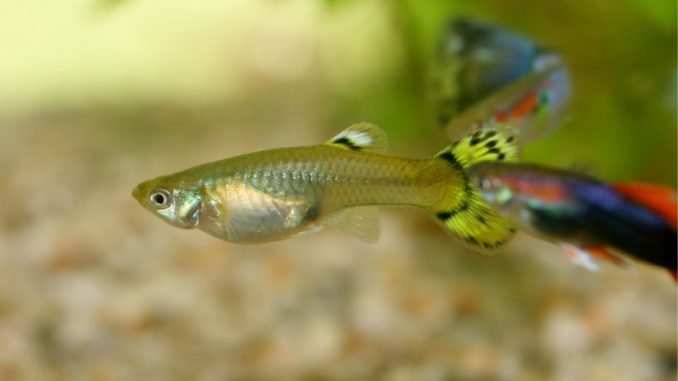
Credit: www.fishkeepingworld.com

Credit: www.reddit.com
How Smart Pets Lover Can Help You with Why Is My Guppy Shaking
Turning Guppy Shaking Into a Learning Moment
Noticing your guppy shaking can feel worrisome, but it’s also a great opportunity to deepen your understanding of fish care. By revisiting the common causes of guppy shaking, such as water quality issues or stress, you can sharpen your skills in diagnosing the problem early. This proactive approach helps prevent future shaking and keeps your aquatic friends thriving.
Use this moment to observe subtle signs in your tank environment and your guppy’s behavior—small clues that often go unnoticed. These insights build your confidence as a pet parent, aligning perfectly with the Smart Pets Lover mission of fostering informed and connected animal care. Remember, every shake tells a story about your guppy’s health and comfort.
- Check water parameters regularly to catch potential triggers.
- Maintain a calm and stable habitat to reduce stress.
- Document changes to spot patterns or recurring issues.
If you ever feel unsure, reaching out to local aquatic veterinarians or trusted pet care forums can provide personalized guidance. After all, nurturing knowledge is just as important as nurturing your guppy’s well-being.
Frequently Asked Questions
Why Is My Guppy Shaking In The Aquarium?
Guppies shake due to stress, poor water quality, or illness. Check water parameters and ensure a clean tank to reduce shaking. Stress factors like sudden temperature changes or aggressive tank mates can also cause this behavior.
Can Temperature Affect Guppy Shaking Behavior?
Yes, sudden temperature drops or fluctuations can make guppies shake. Guppies thrive in stable temperatures between 72-82°F (22-28°C). Keep the aquarium heater consistent to prevent shaking caused by cold stress.
Is Guppy Shaking A Sign Of Disease?
Shaking can indicate diseases like ich or parasites. Observe for other symptoms like white spots or lethargy. Prompt treatment with appropriate medication helps ensure your guppy’s health and stops shaking.
How Does Water Quality Impact Guppy Shaking?
Poor water quality stresses guppies, causing shaking and erratic movements. Regular water changes and testing for ammonia, nitrites, and nitrates keep water safe. Clean, well-maintained water reduces shaking and promotes healthy behavior.
Conclusion
Shaking in guppies can signal stress or illness. Watch your fish closely for other signs. Keep the tank clean and water fresh. Avoid sudden changes in temperature or environment. Provide a calm, safe space for your guppy. Quick action helps your fish stay healthy.
Remember, small steps make a big difference. Caring well means happy, active guppies. Stay patient and attentive to their needs. Your guppy’s health depends on your care.