Why Is My Guppy Dying
Is your guppy looking weak or acting strange? You might be wondering, “Why is my guppy dying?” It’s frustrating and heartbreaking to see your colorful fish lose its sparkle.
But don’t worry—you’re not alone, and there are clear reasons behind this. Understanding what’s causing your guppy’s health to decline is the first step to saving it. Keep reading, and you’ll discover simple, effective ways to bring your guppy back to life and keep your tank thriving.
Common Causes Of Guppy Death
Guppies are delicate fish that need proper care to live well. Many factors can cause guppy death. Knowing these helps you keep your fish healthy and happy. Below are the most common causes of guppy death.
Water Quality Issues
Dirty water harms guppies quickly. High ammonia, nitrite, or nitrate levels are toxic. Poor filtration and infrequent water changes cause these problems. Sudden changes in temperature or pH also stress guppies. Regular water testing keeps conditions safe for your fish.
Poor Diet
Feeding guppies low-quality or wrong food weakens them. They need a balanced diet with protein, vitamins, and minerals. Overfeeding causes water pollution. Underfeeding leads to malnutrition. Use high-quality flakes, pellets, and occasional live food.
Disease And Parasites
Guppies catch diseases easily in crowded or dirty tanks. Common illnesses include fin rot, ich, and fungal infections. Parasites like flukes and worms also harm guppies. Early detection and treatment are vital to save your fish.
Stress Factors
Stress lowers guppy immunity and shortens life. Loud noises, sudden movements, and poor tank environment cause stress. Overcrowding and lack of hiding places add to their stress. Keep the tank calm and provide enough space.
Incompatible Tank Mates
Some fish attack or scare guppies. Aggressive or larger species can injure or kill them. Choose peaceful fish that live well with guppies. Monitor fish behavior to prevent fights and stress.
Symptoms To Watch For
Noticing signs your guppy is unwell helps save its life. Early symptoms point to illness or stress. Watch closely to catch problems fast. Acting early improves recovery chances.
Changes In Behavior
A healthy guppy is active and curious. Sudden hiding or less movement signals trouble. Refusing food or ignoring other fish is a warning. Restlessness or lethargy means your guppy feels unwell.
Physical Signs
Look for color fading or spots on the body. Clamped fins and torn tails show distress. Swollen belly or bloated appearance means illness. White patches or fuzzy growths indicate infection.
Swimming Patterns
Guppies swim smoothly and steadily. Erratic swimming or floating sideways shows sickness. Sinking to the tank bottom is a bad sign. Difficulty staying upright means your fish needs help.
Improving Water Conditions
Improving water conditions is crucial for keeping your guppy healthy. Clean, balanced water helps prevent diseases and stress. Poor water quality often causes guppies to die. Understanding how to maintain good water conditions can save your fish.
Focus on key water factors like pH, ammonia, and nitrite. Keep these within safe limits. Regular care and monitoring keep your tank environment stable.
Testing And Maintaining Ph
Check your tank’s pH with a simple test kit. Guppies thrive in slightly alkaline water, around 7.0 to 8.0 pH. Avoid sudden pH changes as they stress fish. Adjust pH slowly using natural methods or commercial products. Keep the pH steady to support guppy health.
Managing Ammonia And Nitrite Levels
Ammonia and nitrite are toxic to guppies, even in small amounts. Test your water regularly to detect these harmful chemicals. Use biological filters to break down ammonia and nitrite. Avoid overfeeding, as leftover food raises these levels. Act quickly to reduce spikes and protect your fish.
Regular Water Changes
Change 20-30% of your tank water weekly. This practice removes waste and toxins. Use dechlorinated water at the same temperature as the tank. Regular water changes keep the environment clean and safe. Healthy water means healthy guppies.

Credit: www.youtube.com
Feeding Your Guppy Right
Feeding your guppy right plays a big role in its health and happiness. Poor feeding habits can cause stress and illness. Giving the right food in the right amount helps your guppy live longer and stay active. Understanding what to feed and how much is important for your fish’s well-being.
Balanced Diet Options
Guppies need a mix of foods to stay healthy. High-quality flake food made for tropical fish is a good start. Live or frozen foods like brine shrimp and daphnia add protein and variety. Adding vegetable matter like spirulina flakes helps their digestion. A balanced diet supports their colors and energy.
Avoiding Overfeeding
Too much food is harmful. Uneaten food pollutes the water and causes disease. Feed small amounts once or twice a day. Only give as much as your guppy can eat in 2 minutes. Watch your fish to learn how much it needs. Clean the tank regularly to keep water safe.
Supplements And Treats
Occasional treats boost guppy health and happiness. Use freeze-dried bloodworms or tubifex worms sparingly. These provide extra protein but should not replace main food. Vitamin supplements can help if your fish lacks nutrients. Treats keep your guppy interested in eating and active.
Preventing And Treating Diseases
Preventing and treating diseases is key to keeping guppies healthy. Illness can strike quickly and cause stress or death. Early care helps guppies live longer and stay active.
Good habits and quick action reduce disease risks. Learn about common illnesses, how to quarantine new fish, and what treatments work best.
Common Guppy Illnesses
Guppies often get fin rot, ich, and swim bladder problems. Fin rot causes ragged fins and redness. Ich shows as white spots on the body. Swim bladder issues make fish swim oddly or float.
Other illnesses include dropsy and velvet disease. Dropsy makes the fish’s belly swell. Velvet disease looks like a gold dust coating. Spotting symptoms early helps with faster treatment.
Quarantine Practices
Always isolate new guppies before adding them to the tank. Quarantine lasts at least two weeks. This stops diseases from spreading to healthy fish.
Use a separate tank with clean water and proper temperature. Watch new fish closely for signs of sickness. Treat any illness during quarantine to protect other guppies.
Medication And Remedies
Use medicine designed for guppy diseases. Follow package instructions carefully. Overdosing can harm fish.
Salt baths help against parasites and mild infections. Change water regularly during treatment to keep it clean. Healthy food and good water quality support healing.

Credit: www.reddit.com
Reducing Stress In Guppies
Stress harms guppies and makes them weak. It can cause illness and even death. Reducing stress helps guppies live longer and stay healthy. Small changes in their environment make a big difference.
Tank Environment Setup
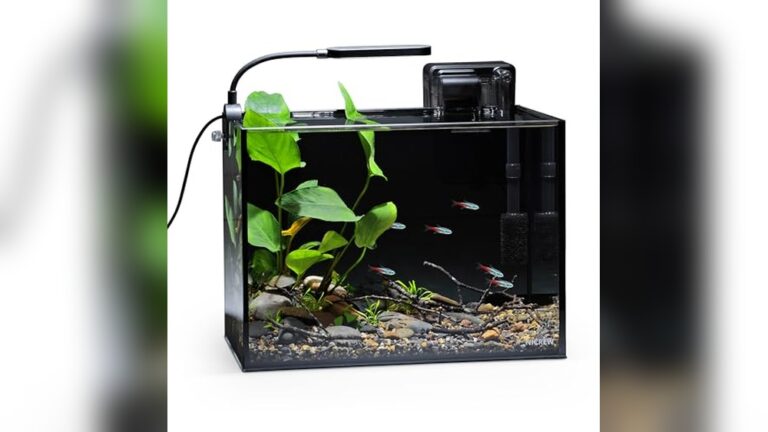
A clean tank keeps guppies safe from diseases. Use a good filter to keep water clear. Change 10-20% of the water every week. Add plants and hiding spots for security. Soft lighting helps guppies feel calm. Avoid loud noises near the tank.
Proper Tank Size
Guppies need enough space to swim freely. A small tank causes stress and limits movement. A tank of at least 10 gallons is best for a few guppies. More space means less fighting and better health. Overcrowding leads to poor water quality and stress.
Minimizing Aggression
Guppies get stressed by aggressive tank mates. Keep peaceful fish with guppies only. Avoid fin-nippers and large fish. Provide plenty of hiding places to reduce fights. Keep a balanced male-to-female ratio to lower aggression. Watch your guppies for signs of stress or injury.
Choosing Compatible Tank Mates
Choosing the right tank mates for your guppy is key to its health. Some fish live well together. Others cause stress or harm. Stress weakens guppies and leads to illness or death. Picking peaceful and compatible fish keeps your guppy safe and happy. Understanding what species can share a tank helps you avoid problems.
Peaceful Fish Species
Peaceful fish make the best tank mates for guppies. Small tetras, corydoras, and snails are good choices. They do not bother guppies or fight for space. These species swim calmly and share food fairly. They also enjoy similar water conditions. This harmony reduces stress and helps guppies thrive.
Avoiding Predators
Some fish see guppies as food. Larger or aggressive species can attack or eat them. Avoid bettas, cichlids, and large barbs. They may nip fins or chase guppies. Predators cause injury and fear in guppies. Keep your guppy safe by choosing non-aggressive fish only.
Community Tank Tips
Keep tank size large enough for all fish. Overcrowding causes stress and poor water quality. Provide plenty of plants and hiding spots. These areas let guppies escape if threatened. Feed fish a balanced diet to reduce competition. Watch fish behavior daily for signs of stress or aggression.

Credit: www.reddit.com
How Smart Pets Lover Can Help You with Why Is My Guppy Dying
Turning Concern into Confidence: Learning from Guppy Health Challenges
Watching a guppy struggle or unexpectedly pass away can feel heartbreaking, but it also opens a valuable window for learning. Reflecting on water quality and feeding habits offers practical insights into creating a healthier environment. For instance, consistently monitoring water parameters not only prevents common causes of guppy death but also deepens your connection with their natural needs.
Observing symptoms early—like unusual swimming patterns or discoloration—teaches patience and attentiveness, essential traits for any pet parent. These moments encourage exploring stress reduction techniques and compatible tank mates, which contribute to a balanced aquarium ecosystem.
- Keep a journal of tank conditions and guppy behavior to spot patterns.
- Experiment with feeding schedules and varied diets to find what suits your guppy best.
- Engage with trusted pet communities or resources, like Smart Pets Lover, for shared experiences and expert-backed advice.
Remember, every challenge with your guppy is a step toward becoming a more informed and compassionate pet parent—because where every wag, purr, and chirp tells a story, so does every flick of a fin.
If you ever feel uncertain, reaching out to local aquatic specialists or trusted forums can provide reassurance and tailored guidance.
Frequently Asked Questions
Why Is My Guppy Suddenly Dying?
Sudden guppy deaths often result from poor water quality or disease. Check ammonia, nitrite, and nitrate levels. Stress from sudden temperature changes or overcrowding can also harm guppies. Quarantine new fish to prevent infections.
How Can I Prevent Guppy Deaths?
Maintain clean water with regular changes and proper filtration. Feed a balanced diet and avoid overfeeding. Keep stable water temperature between 74-82°F. Monitor fish for signs of illness and isolate sick guppies promptly.
What Are Common Diseases Killing Guppies?
Ich, fin rot, and bacterial infections commonly kill guppies. Symptoms include white spots, ragged fins, and lethargy. Treat diseases early with appropriate medications and improve tank hygiene to prevent spread.
Does Water Temperature Affect Guppy Survival?
Yes, guppies thrive between 74-82°F. Temperatures outside this range stress fish and lower immunity. Use an aquarium heater and thermometer to maintain stable, suitable temperatures.
Conclusion
A dying guppy can be sad and confusing. Water quality often affects their health the most. Check for clean water and proper temperature daily. Feeding the right food helps keep them strong. Watch for signs of illness or stress in your fish.
Acting quickly can save your guppy’s life. Small changes make a big difference in their well-being. Keep learning about guppy care to avoid future problems. Caring for fish is simple with attention and love. Your guppy depends on you for a happy life.