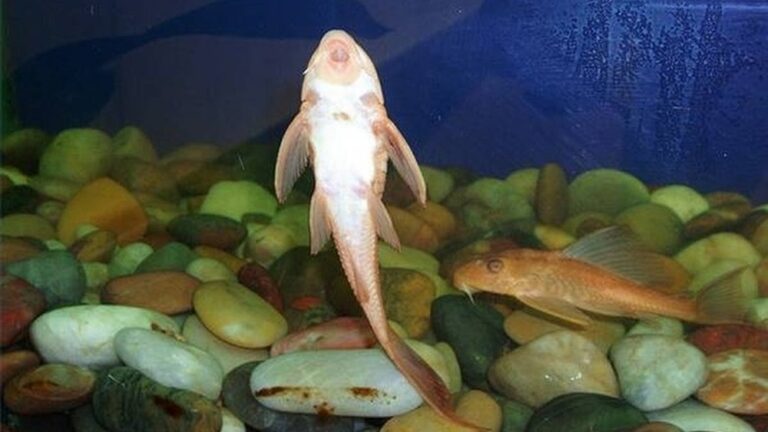
Why Is My Fish Shaking His Head
Have you noticed your fish shaking his head and wondered what’s going on? It’s natural to feel concerned when your pet behaves strangely.
Your fish can’t tell you what’s wrong, but their actions speak volumes. Understanding why your fish is shaking his head is the first step to keeping him healthy and happy. Keep reading, because the reasons might surprise you—and the solution could be easier than you think.

Credit: www.wikihow.com
Common Causes Of Head Shaking
Fish shaking their heads is a common sign of discomfort. Understanding why this happens helps keep your fish healthy. Several factors can cause this behavior. Some are simple to fix, while others need careful attention.
Water Quality Issues
Poor water quality often causes fish to shake their heads. High levels of ammonia, nitrites, or nitrates irritate fish. Dirty water can harm their gills and skin. Regular water testing and changes keep the tank safe. Clean water means less stress for your fish.
Parasites And Infections
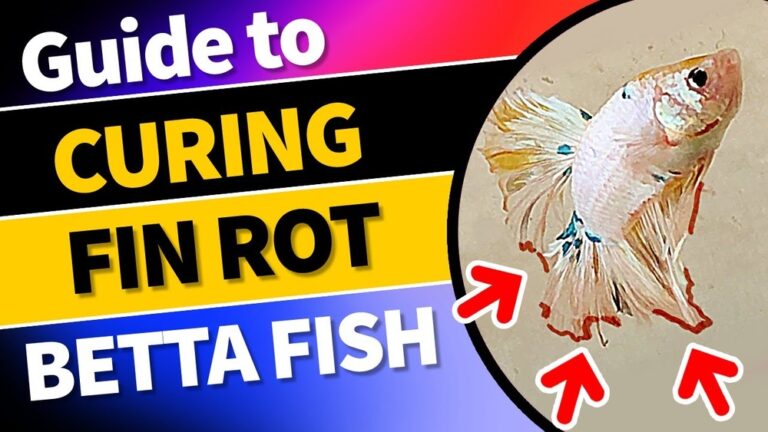
Parasites like Ich or flukes cause itching and discomfort. Infections from bacteria or fungi also affect fish health. These problems make fish shake their heads to try to remove irritants. Watch for other signs like spots, redness, or lethargy. Early treatment improves recovery chances.
Physical Injuries
Fish may shake their heads after an injury. Collisions with tank decorations or fights with other fish cause harm. Injuries can lead to swelling or pain, making fish uncomfortable. Keep the tank safe and avoid overcrowding. Healthy fish swim calmly without shaking their heads.
Irritants In The Tank
Foreign particles in the tank can irritate fish. Sharp objects or rough surfaces cause discomfort. Chemicals from new decorations or cleaning products also affect fish. Avoid using harmful substances near the tank. Clear water and a smooth environment help fish feel secure.
Credit: www.fishkeepingworld.com
Behavioral Reasons Behind Head Shaking
Fish shake their heads for several behavioral reasons. This action often signals how they feel or react to their environment. Understanding these behaviors helps you care better for your fish.
Stress And Anxiety
Fish may shake their heads when stressed or anxious. Changes in water quality or temperature can cause stress. Loud noises or sudden movements may also upset them. Head shaking helps release tension or discomfort. Watch for other signs like hiding or loss of appetite. Reducing stress improves your fish’s health and happiness.
Mating And Territorial Displays
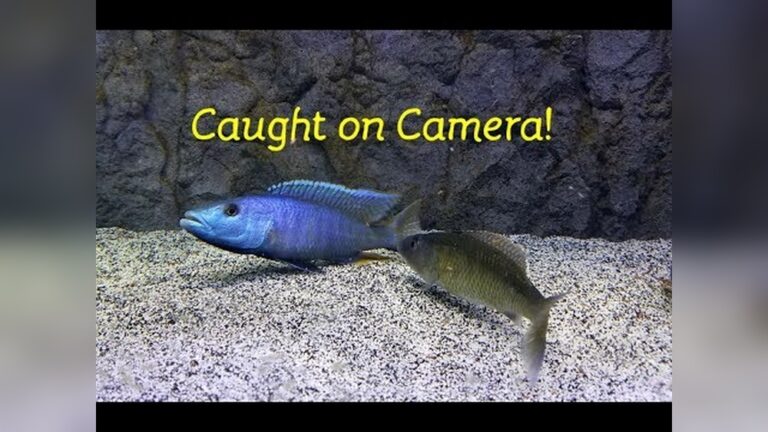
Head shaking can show mating readiness or territorial behavior. Male fish often shake their heads to attract females. It can also warn other fish to stay away. This behavior helps protect their space and mates. Recognizing these signs prevents fights and keeps peace in your tank.
Signs To Watch For
Noticing your fish shaking its head can signal a problem. Watch for other signs to understand what is wrong. These signs help you decide if your fish needs care.
Keep an eye on how your fish acts and looks. Small changes can mean big issues. Here are key signs to watch for.
Changes In Appetite
A fish that eats less or stops eating may be sick. Watch if your fish refuses food or spits it out. Sudden appetite loss can indicate stress or illness.
Abnormal Swimming Patterns
Fish swimming erratically or struggling to stay balanced may have health problems. Look for spinning, floating upside down, or hiding too much. These behaviors often show discomfort or pain.
Visible Physical Symptoms
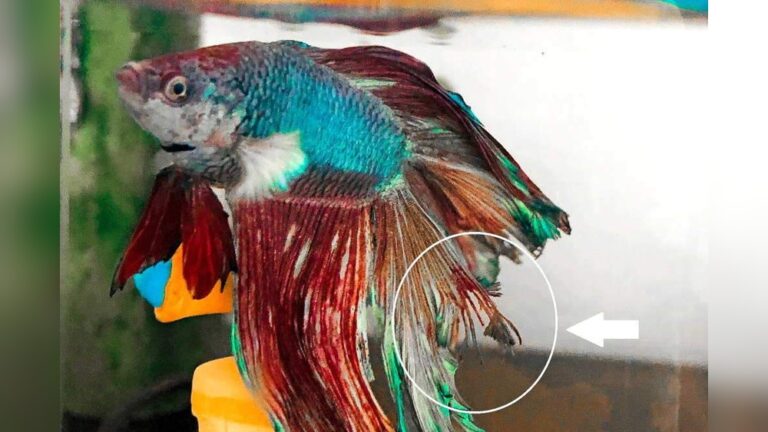
Check your fish for unusual marks, spots, or injuries. Redness, swelling, or torn fins are warning signs. Cloudy eyes or pale color changes also suggest illness.
Steps To Diagnose The Problem
When your fish shakes its head, it signals something is wrong. Diagnosing the problem helps save your fish quickly. Follow clear steps to find the cause and act fast.
Testing Water Parameters
Check the water quality first. Use a test kit to measure pH, ammonia, nitrites, and nitrates. Poor water can irritate fish and cause shaking. Keep water clean and balanced.
Observing Fish Behavior
Watch your fish closely. Look for signs like rubbing against objects or gasping at the surface. Note if the shaking happens with other strange moves. Behavior clues point to illness or stress.
Consulting A Veterinarian
When unsure, ask a fish vet for help. They can diagnose diseases and suggest treatment. Early advice protects your fish and stops problems from getting worse.
Treatment Options
Treating a fish that shakes its head requires quick and careful action. The right treatment depends on the cause of the problem. Many times, improving the tank environment helps the fish feel better fast. Other times, medicine may be needed to fight parasites or infections. Reducing stress also plays a big role in recovery.
Improving Water Conditions
Clean water is essential for fish health. Regularly test the water for ammonia, nitrite, and nitrate levels. Change 25% of the water weekly to keep it fresh. Use a good water conditioner to remove harmful chemicals. Keep the tank temperature stable and suitable for your fish species. Proper filtration helps remove waste and keeps the water clear. Good water quality can stop many health problems early.
Medications For Parasites And Infections
Parasites and infections cause head shaking in fish. Use antiparasitic treatments if parasites are found. Antibiotics can help fight bacterial infections. Always follow the instructions on the medication package. Avoid overuse of medicine to prevent harm to fish. Quarantine sick fish to stop spreading disease. Early treatment increases the chance of full recovery.
Reducing Stress
Stress weakens a fish’s immune system. Avoid overcrowding in the tank. Provide hiding spots with plants or decorations. Keep noise and sudden movements near the tank low. Feed a balanced diet to improve fish health. Regular tank maintenance creates a stable environment. Calm fish recover faster and stop shaking their heads.
Preventing Head Shaking In Fish
Preventing head shaking in fish helps keep your aquatic pets happy and healthy. Head shaking often signals stress or illness. Taking simple steps can reduce this problem. Focus on tank care, feeding habits, and introducing new fish carefully. These actions support your fish’s well-being and prevent common causes of head shaking.
Regular Tank Maintenance
Clean the tank regularly to remove waste and toxins. Change 20% to 30% of the water weekly. Check water temperature and pH levels often. Keep filters clean and working well. A clean tank reduces stress and helps fish stay healthy. Poor water quality often causes head shaking.
Proper Feeding Practices
Feed your fish the right food for their species. Avoid overfeeding, which pollutes the water. Remove leftover food after a few minutes. Feed small amounts two to three times daily. Balanced nutrition boosts fish immune systems. Healthy fish are less likely to shake their heads.
Quarantine New Fish
Place new fish in a separate tank for two weeks. Watch for signs of illness or parasites during this time. This prevents diseases from spreading to your main tank. Quarantine keeps all fish safe and reduces stress. Healthy fish swim calmly without shaking their heads.

Credit: www.reddit.com
How Smart Pets Lover Can Help You with Why Is My Fish Shaking His Head
Learning from Your Fish’s Head Shaking
Noticing your fish shaking its head can feel worrying, but it’s also a valuable opportunity to deepen your understanding of aquatic pet care. Reflecting on the common causes of head shaking—like water quality issues or parasites—helps you become more attuned to your fish’s environment. Observing your fish’s behavior closely and recognizing signs to watch for sharpens your instincts as a responsible pet parent.
Taking the time to follow the steps to diagnose the problem encourages a hands-on approach that fosters confidence and connection with your finned friend. Smart Pets Lover believes that learning through these moments strengthens the bond between you and your pet, making every wag, purr, and chirp—or in this case, every flick and shake—a story worth knowing.
If you ever feel uncertain, reaching out to aquatic specialists or community forums can offer additional insight. Remember, each step you take to understand your fish’s behavior contributes to a healthier, happier underwater world.
Frequently Asked Questions
Why Is My Fish Shaking His Head Constantly?
Fish shake their heads due to irritation, parasites, or poor water quality. It can signal gill infections or discomfort. Check water parameters and inspect for visible parasites to ensure your fish’s health and comfort.
Can Head Shaking Indicate Fish Illness Or Infection?
Yes, head shaking often signals infections like gill flukes or bacterial diseases. Early detection helps prevent worsening symptoms. Treat promptly with appropriate medication and maintain clean tank conditions for recovery.
Does Water Quality Cause Fish Head Shaking?
Poor water quality causes stress and irritation, leading to head shaking. High ammonia or nitrite levels harm fish gills. Regular water tests and clean tank maintenance reduce this risk and promote healthy fish behavior.
How Can I Stop My Fish From Shaking Its Head?
Identify the cause first, such as parasites or water issues. Treat infections with medication and improve water conditions by performing regular changes. Providing a stress-free environment supports your fish’s health and reduces shaking behavior.
Conclusion
Fish shaking their head can signal health or environment issues. Watch your fish closely for other signs of trouble. Clean water and proper care help prevent this behavior. Treat problems early to keep your fish happy and safe. Remember, healthy fish means a happy aquarium for you.
Stay patient and observant to enjoy your fish’s vibrant life.