Why Is My Betta Fish Shaking
Have you noticed your betta fish shaking and wondered what’s going on? It’s alarming to see your colorful pet suddenly trembling or twitching.
You might feel worried and unsure about what this behavior means. Is your betta fish sick, stressed, or just cold? Understanding why your betta is shaking is key to keeping it healthy and happy. Keep reading, and you’ll discover the simple reasons behind this behavior—and what you can do to help your fish feel better right away.

Credit: www.reddit.com
Common Causes Of Shaking
Shaking in betta fish can signal several issues. Understanding common causes helps you act fast. Shaking might mean your fish is uncomfortable or unwell. Watch closely to spot changes early. Here are the main reasons your betta might be shaking.
Water Quality Issues
Dirty water stresses bettas and can cause shaking. Waste buildup raises ammonia and nitrite levels. These toxins harm your fish’s health. Regular water changes keep the tank clean and safe. Test water often to maintain good conditions.
Temperature Fluctuations
Bettas need stable, warm water to feel good. Sudden temperature drops or spikes cause shaking. Keep the tank between 76°F and 82°F. Use a heater and thermometer for steady warmth. Avoid placing the tank near drafts or sunlight.
Stress Factors
Stress can make bettas shake or behave oddly. Loud noises, bright lights, or overcrowded tanks upset them. New decorations or sudden changes also cause stress. Provide hiding spots and a calm environment. A relaxed fish is a healthy fish.
Illness And Parasites
Shaking might signal illness or parasites. Common diseases include ich, velvet, and fungal infections. Parasites irritate skin and gills, causing shaking. Watch for other signs like spots or lethargy. Early treatment improves recovery chances.
Water Quality And Its Impact
Water quality plays a big role in your betta fish’s health. Poor water conditions can cause stress and shaking. Keeping the water clean helps your fish stay calm and healthy. Let’s explore key water factors that affect your betta.
Ammonia And Nitrite Levels
Ammonia and nitrite are toxic chemicals in fish tanks. They come from fish waste and leftover food. Even small amounts can hurt your betta. High levels cause your fish to shake and breathe fast. Testing water often helps catch these problems early. Use a water test kit to keep levels safe.
Ph Imbalance
The pH level shows how acidic or basic the water is. Bettas prefer a pH between 6.5 and 7.5. Too high or too low pH stresses your fish. This stress can cause shaking or unusual behavior. Test the pH regularly and adjust it if needed. Stable pH keeps your betta comfortable and calm.
Regular Water Changes
Changing water regularly removes waste and toxins. This keeps the tank fresh and safe. Aim to change 20-30% of the water weekly. Use clean, treated water to avoid shock. Regular water changes prevent buildup of harmful chemicals. Your betta will feel better and stop shaking.
Temperature And Environment
Temperature and environment play a big role in your betta fish’s health. Small changes can cause stress and make the fish shake. Betta fish come from warm, tropical waters. They need a stable, warm home to feel safe and strong.
Ideal Temperature Range
The best temperature for betta fish is between 76°F and 82°F. This range keeps their body working well. If the water is too cold, their metabolism slows down. Too hot, and they can get sick. Keep the temperature steady to avoid shaking.
Heaters And Thermometers
A good heater is important to keep water warm. Choose a heater made for small tanks. Use a thermometer to check the temperature every day. This helps you see if the water gets too cold or hot. Change the heater or adjust it if needed.
Avoiding Drafts And Sudden Changes
Place the tank away from windows and doors. Drafts cause sudden drops in water temperature. Avoid moving the tank often. Sudden changes stress the fish and cause shaking. A calm, quiet spot helps your betta feel safe and calm.
Signs Of Stress In Betta Fish
Betta fish can show stress in many ways. Recognizing these signs early helps keep your fish healthy. Stress can cause shaking and other problems. Watch your fish closely to spot these signs.
Behavioral Changes
Shaking is often linked to changes in behavior. Your betta may swim erratically or hide more. Loss of appetite is common too. Sometimes, the fish may stay at the bottom of the tank. These changes suggest your betta feels unsafe or uncomfortable.
Poor Tank Setup
Incorrect water temperature or dirty water stresses bettas. The tank should be clean and warm, around 78-80°F. Lack of hiding spots also causes anxiety. Sharp decorations can hurt your fish. A poor tank setup forces your betta to feel stressed and shake.
Overcrowding And Tank Mates
Too many fish in one tank cause stress. Bettas prefer their own space and can be aggressive. Other fish may nip or chase them. Overcrowding leads to shaking and hiding. Choose tank mates carefully or keep your betta alone.
Common Diseases Causing Shaking
Shaking in betta fish often signals an illness. Many common diseases cause this behavior. Recognizing these illnesses helps in quick treatment. It improves your betta’s chance to recover fast.
Ich (white Spot Disease)
Ich is a common parasite infection. It shows as tiny white spots on the fish. Shaking and rubbing against objects are common signs. The fish may also lose appetite and seem weak. Quick treatment with medication is important to stop the spread.
Fin Rot
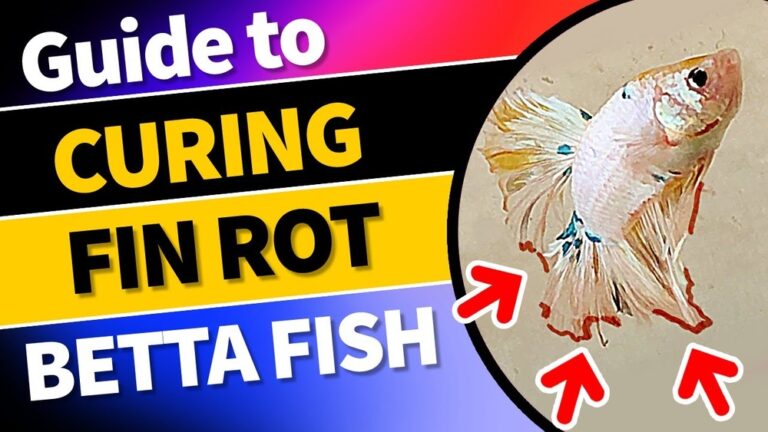
Fin rot causes the fins to look torn or ragged. Bacteria or poor water conditions usually cause it. Shaking happens as the fish feels pain or stress. Keeping the tank clean and using antibiotics can help. Early care prevents the disease from worsening.
Swim Bladder Disorder
This disorder affects the fish’s ability to swim properly. The fish may shake as it tries to balance. It can float awkwardly or sink to the bottom. Swim bladder issues come from overfeeding or infection. Adjusting diet and water quality often improves the condition.
Treatment Options
Shaking in betta fish signals stress or illness. Treatment depends on the cause. You must act quickly to help your fish feel better. The right treatment can stop shaking and improve health.
Improving Water Conditions
Clean water is key to your betta’s health. Change 25% of the water weekly. Use a water conditioner to remove chlorine and toxins. Keep the tank temperature between 76 and 82 degrees Fahrenheit. Test water regularly for ammonia, nitrite, and nitrate. Poor water quality often causes shaking.
Medications And Remedies
Use medicines designed for betta fish problems. Treat infections with antibacterial or antifungal drugs. Follow instructions carefully to avoid overdose. Salt baths can reduce parasites and stress. Only use aquarium salt, not table salt. Monitor your fish’s reaction to any treatment.
Isolating The Fish
Separate the shaking betta from other fish. Use a quarantine tank with clean, warm water. Isolation prevents spreading diseases to others. It also reduces stress from tank mates. Keep your betta alone until it stops shaking and looks healthy.
Preventive Measures
Preventive measures help keep your betta fish calm and healthy. Shaking often signals stress or illness. Avoid these problems by creating a safe, stable environment.
Simple daily care can reduce shaking and improve your fish’s life. Focus on clean water, good food, and peaceful tank mates. These steps make a big difference.
Regular Tank Maintenance
Clean the tank weekly to remove waste and harmful chemicals. Change 25% of the water every week to keep it fresh. Use a water conditioner to remove chlorine. Check water temperature and keep it steady between 76 and 82°F. A clean tank lowers stress and stops shaking.
Proper Feeding Habits
Feed your betta small amounts twice a day. Use high-quality betta pellets or flakes. Avoid overfeeding as it causes water pollution and health issues. Remove leftover food after 5 minutes to keep the water clean. Proper feeding supports strong health and calm behavior.
Choosing Compatible Tank Mates
Pick peaceful fish that do not bother your betta. Avoid fin-nipping or aggressive species. Small snails or shrimp can be good companions. Too many or hostile fish cause stress and shaking. A calm tank helps your betta feel safe and relaxed.

Credit: www.reddit.com

Credit: www.reddit.com
How Smart Pets Lover Can Help You with Why Is My Betta Fish Shaking
Learning from Your Betta’s Shaking: A Path to Better Care
When your betta fish starts shaking, it’s more than just a quirky behavior—it’s a signal that invites you to deepen your understanding of their world. Reflecting on water quality and temperature, two critical factors discussed earlier, can open practical learning opportunities. For instance, regularly testing your tank’s parameters not only helps prevent stress but also sharpens your skills in maintaining a healthy aquatic environment.
Recognizing the signs of stress in bettas offers a chance to become more attuned to your pet’s subtle cues, strengthening your bond. This journey aligns perfectly with what we cherish at Smart Pets Lover—helping pet parents feel confident and connected by turning everyday observations into meaningful care practices.
- Experiment with adjusting water temperature gradually to find your betta’s comfort zone.
- Keep a simple journal noting when shaking occurs alongside environmental changes.
- Reach out to experienced communities or experts when unsure—knowledge grows through shared experiences.
For personalized advice or to discuss your betta’s behavior, consider contacting aquatic specialists or local pet care groups. Remember, every wag, purr, and chirp tells a story—and so does every shake in your betta’s tiny fins.
Frequently Asked Questions
Why Is My Betta Fish Shaking Constantly?
Betta fish shake due to stress, illness, or poor water conditions. Check water temperature and quality. Ensure proper tank setup and avoid sudden changes to reduce shaking.
Can Cold Water Cause Betta Fish To Shake?
Yes, cold water lowers betta metabolism, causing shaking. Keep water temperature between 76-82°F for comfort and health. Use a heater to maintain stable temperature.
Does Shaking Indicate Betta Fish Illness?
Shaking can signal illness like parasites or infections. Observe for other symptoms like lethargy or loss of appetite. Consult a vet or fish expert if shaking persists.
How Can I Stop My Betta Fish From Shaking?
Improve water quality, maintain temperature, and reduce stress. Avoid overcrowding and sudden environment changes. Providing hiding spots can help your betta feel secure and calm.
Conclusion
Betta fish shake for many reasons. Stress, cold water, or illness can cause this behavior. Watch your fish closely to spot other signs. Keep the tank clean and water warm. Feeding good food helps your betta stay healthy. Acting fast can prevent serious problems.
Your betta will be happier and calmer with proper care. Remember, small changes make a big difference. Stay patient and enjoy your fish’s company.