Why Do My Fish Die After Water Change
Have you ever done a water change in your fish tank, only to find your fish looking sick or even dying shortly after? It’s frustrating and heartbreaking, especially when you’re trying to keep your aquatic pets healthy.
You might be wondering, “Why do my fish die after a water change? ” The answer isn’t always obvious, but understanding the reasons can save your fish and make your tank a safe, happy home. Keep reading to discover the common mistakes and simple fixes that can protect your fish every time you clean their water.
Common Causes Of Fish Death After Water Change
Water changes are important for fish health. Yet, fish sometimes die soon after. Several common causes explain this problem. Knowing these helps keep fish safe and happy.
Water changes can cause sudden changes in the fish environment. Fish are sensitive to these shifts. Even small changes can stress or harm them.
Sudden Temperature Fluctuations
Fish live best in stable temperatures. A sharp change during water change shocks their bodies. Cold water added to warm tanks or vice versa causes stress. This can lead to illness or death.
Chlorine And Chloramine Exposure
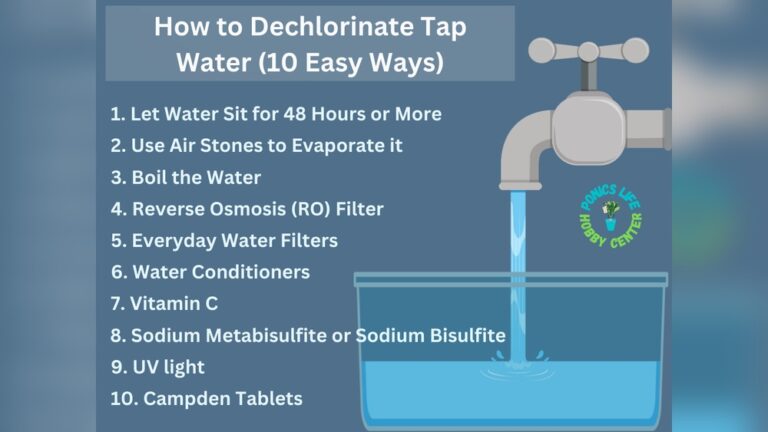
Treated tap water contains chlorine and chloramine. These chemicals kill harmful germs but also harm fish. Not using a water conditioner leaves these chemicals in the tank. Fish exposed to them may die quickly after water change.
Ph Level Imbalance
Fish need water with the right pH. A sudden pH change causes discomfort and stress. Water from different sources may have different pH levels. Mixing them without checking can harm fish health.
Ammonia And Nitrite Spikes
Ammonia and nitrite come from fish waste. A water change can disturb beneficial bacteria that remove these toxins. This disturbance may cause toxic spikes. Even small spikes can poison fish and cause death.
Stress From Handling
Handling fish during water change adds stress. Moving fish or disturbing tank decorations causes fear. Stress weakens fish immune systems. Weak fish are more likely to get sick and die.

Credit: www.youtube.com
How Water Chemistry Affects Fish Health
Water chemistry plays a key role in fish health. Changes in water during a water change can shock fish. This shock often comes from shifts in water chemistry. Understanding how water chemistry affects fish helps keep them alive and happy.
Fish need stable water conditions to thrive. Sudden changes can cause stress and illness. Water chemistry includes factors like pH, ammonia, nitrite, hardness, and minerals. Each factor impacts fish differently. Knowing these helps prevent fish deaths after water changes.
Importance Of Stable Ph
pH measures how acidic or basic water is. Fish are sensitive to pH changes. A sudden shift in pH can harm fish gills and skin. Most fish prefer a pH between 6.5 and 7.5. Keeping pH stable during water changes is vital. Test the water before and after changing it. Avoid mixing water with very different pH levels.
Role Of Ammonia And Nitrite
Ammonia and nitrite are toxic chemicals in fish tanks. Fish waste produces ammonia. Good bacteria turn ammonia into less harmful nitrite, then nitrate. High ammonia or nitrite levels poison fish quickly. Water changes can disturb these bacteria. New water might contain ammonia or nitrites too. Always check these levels before adding water. Use water conditioners to remove harmful chemicals.
Impact Of Hardness And Minerals
Water hardness measures minerals like calcium and magnesium. These minerals support fish health and biological processes. Sudden changes in hardness stress fish. Some fish need soft water, others need hard water. Minerals also affect pH and fish metabolism. Match the hardness of new water with tank water. Gradual changes keep fish safe during water changes.
Best Practices For Safe Water Changes
Safe water changes keep fish healthy and stress-free. Sudden changes can harm fish or cause death. Follow these steps to protect your aquatic pets during water changes. Careful preparation and slow adjustment help fish adapt well.
Preparing New Water Properly
Use clean water free of chlorine and harmful chemicals. Let tap water sit for 24 hours to remove chlorine. Use a water test kit to check for ammonia and nitrites. Avoid using water that contains heavy metals or pollutants.
Matching Temperature And Parameters
Match new water temperature to the tank water closely. Use a thermometer to check both water samples. Match pH and hardness levels if possible. Sudden changes in temperature or pH shock fish easily.
Using Water Conditioners
Add water conditioner to neutralize chlorine and chloramine. Some conditioners also remove heavy metals and detoxify ammonia. Use the right amount as directed on the label. Conditioners make new water safe for fish instantly.
Changing Water Gradually
Change no more than 20-30% of water at once. Large water changes cause stress and chemical shifts. Replace small amounts regularly for a stable environment. Slowly adjusting water helps fish stay calm and healthy.

Credit: www.youtube.com
Signs Of Stress In Fish After Water Change
Fish often show signs of stress after a water change. Stress happens because of sudden changes in water temperature, pH, or chemicals. Spotting these signs early helps protect your fish from serious harm. Stress can affect their behavior and body. Watch your fish closely after a water change. Knowing what to look for can save their lives.
Behavioral Changes
Stressed fish may swim erratically or hide more than usual. They might gasp for air at the surface. Some fish stop eating or become very still. Other signs include rubbing against objects or flashing their fins. These changes show discomfort and fear. Pay attention to any unusual movements or actions.
Physical Symptoms
Look for faded colors or clamped fins. Red or inflamed gills can appear. White spots or patches might develop on their body. Swollen bellies or bloated areas also indicate stress. Physical changes often follow behavioral signs. Early detection helps prevent illness.
How To Respond Quickly
Check water temperature and quality immediately. Use a test kit to measure pH, ammonia, and nitrite levels. Correct any sudden changes slowly. Avoid changing too much water at once. Provide hiding places to reduce stress. Feed your fish lightly and keep lights dim. Act fast to keep fish safe and calm.
Preventing Fish Deaths Long-term
Preventing fish deaths after water changes requires steady care and attention. Sudden changes in water quality stress fish and can cause illness. Keeping fish healthy means creating a stable, safe tank environment over time. Small habits add up to big results in fish health.
Focus on regular checks, steady cleaning, and careful introductions to protect your fish long-term. These steps build a strong foundation for a happy aquarium.
Regular Water Testing
Test your water often to catch problems early. Check levels of ammonia, nitrites, nitrates, and pH. These chemicals affect fish health a lot. Use simple test kits at least once a week. Adjust water conditions before fish show signs of stress.
Consistent Maintenance Routine
Keep a regular cleaning schedule to avoid harmful buildup. Change 10-20% of water weekly or biweekly. Remove uneaten food and waste from the tank. Clean filters without removing all beneficial bacteria. Consistency helps fish adjust and stay healthy.
Quarantine For New Fish And Plants
Isolate new fish or plants before adding them to your tank. This step prevents diseases from spreading. Use a separate tank for 2-4 weeks. Watch for signs of illness or parasites. Healthy new additions protect your entire aquarium community.

Credit: www.reddit.com
How Smart Pets Lover Can Help You with Why Do My Fish Die After Water Change
Turning Challenges into Learning Moments
It’s heartbreaking when fish die after a water change, especially when you’ve done your best to follow safe water change practices. But each setback offers a chance to deepen your understanding of how water chemistry affects fish health and how to spot early signs of stress before it’s too late. For pet parents passionate about their aquatic friends, like those in the Smart Pets Lover community, these experiences become valuable lessons rather than just frustrations.
Next time you prepare for a water change, consider these practical steps:
- Double-check the water parameters to match temperature, pH, and hardness closely with the tank.
- Observe your fish carefully for any subtle signs of distress immediately after the change.
- Keep a log of water changes and fish behavior to spot patterns and improve your routine.
Remember, learning about your fish’s needs helps build a confident, caring environment where every splash tells a story. For more tailored advice or to connect with fellow fish enthusiasts, you can reach out to Smart Pets Lover’s expert community at [email protected]—because every pet parent deserves to feel supported and informed.
Frequently Asked Questions
Why Do Fish Die After A Water Change?
Fish often die after water changes due to sudden changes in water parameters. This stress can shock their system, especially if the new water differs in temperature, pH, or hardness. Always match new water conditions closely to the tank’s existing environment.
How Can I Prevent Fish Deaths During Water Changes?
To prevent fish deaths, perform partial water changes slowly. Use a water conditioner to remove chlorine and chloramine. Match the temperature and pH of the new water to the tank water before adding it.
Does Water Temperature Affect Fish Survival After Changes?
Yes, water temperature greatly affects fish survival. Sudden temperature drops or rises can shock fish, leading to death. Always ensure the new water is the same temperature as the tank before adding it.
Can Chlorine In Tap Water Kill My Fish?
Yes, chlorine and chloramine in tap water are toxic to fish. Always use a water conditioner to neutralize these chemicals before adding water to the tank. This prevents gill damage and fish deaths.
Conclusion
Fish often die after water changes due to sudden stress or water differences. Poor water quality or wrong temperature can harm them quickly. Always match new water to tank conditions before adding it. Change water slowly and carefully to keep fish safe.
Watch fish closely after changes to catch problems early. Taking simple steps helps fish live longer and stay healthy. Water changes are important but must be done right. Keep learning and caring for your fish every day.