Why Do My Fish Die
Have you ever wondered, “Why do my fish die?” It’s frustrating to see your colorful pets suddenly become lifeless, especially when you’ve done your best to care for them. You’re not alone—many fish owners face this heartbreaking problem and don’t know what’s going wrong.
But what if you could understand the hidden reasons behind it and keep your fish healthy and happy? You’ll discover the common mistakes and surprising factors that might be putting your fish’s life at risk. Keep reading, because your fish’s well-being depends on it.
Credit: www.reddit.com
Common Causes Of Fish Death
Fish death is a common problem in home aquariums. Many factors cause fish to die suddenly or slowly. Understanding these causes helps keep fish healthy and happy. Below are some common reasons fish die in tanks.
Poor Water Quality
Water quality is the main factor for fish health. Dirty water contains harmful chemicals and waste. Ammonia and nitrite build up quickly and poison fish. Low oxygen levels also stress fish. Test water often and clean the tank regularly.
Inappropriate Tank Size
Fish need enough space to swim and grow. Small tanks cause stress and stunt growth. Overcrowding leads to fights and poor water quality. Choose a tank size that suits your fish species.
Overfeeding
Too much food pollutes the water. Leftover food decays and causes bacteria growth. Overfeeding can cause obesity and health problems in fish. Feed small amounts once or twice daily.
Disease And Parasites
Diseases spread fast in aquariums. Parasites attach to fish and cause damage. Watch for signs like spots, unusual swimming, or loss of appetite. Quarantine new fish to prevent disease.
Stress Factors
Stress weakens fish immune systems. Loud noises, sudden movements, or bright lights cause stress. Poor water conditions and wrong tank mates add to stress. Keep the tank calm and stable.
Water Conditions That Harm Fish
Water quality plays a big role in keeping fish healthy. Poor water conditions cause stress and illness in fish. Many fish deaths happen because their water is not right. Understanding which water factors hurt fish helps keep them safe and alive.
Incorrect Ph Levels
Fish need water with the right pH level. pH shows how acidic or basic the water is. Most fish prefer a pH between 6.5 and 7.5. If the pH is too low or too high, fish get sick. Wrong pH can harm their skin and gills. It stops their body from working well.
Ammonia And Nitrite Toxicity
Ammonia and nitrite come from fish waste and uneaten food. These chemicals are very harmful in high amounts. They damage fish’s gills and make breathing hard. High ammonia or nitrite can kill fish quickly. Regular water tests help catch these toxins early.
Temperature Fluctuations
Fish need stable water temperatures. Sudden changes cause stress and weaken their immune system. Each fish species has a best temperature range. Water too hot or too cold can shock fish. Keep the water temperature steady for healthy fish.
Lack Of Oxygen
Fish breathe oxygen dissolved in water. Low oxygen levels cause fish to gasp at the surface. Lack of oxygen leads to weakness and death. Too many fish or poor water flow reduce oxygen. Use aerators or filters to keep oxygen high.
Feeding Mistakes To Avoid
Feeding your fish might seem simple. Yet, small mistakes can cause big problems. These errors often lead to fish sickness and death. Knowing what to avoid helps keep fish healthy and happy. Below are common feeding mistakes and how to prevent them.
Overfeeding Risks
Giving too much food is a common error. Uneaten food pollutes the water quickly. Dirty water stresses fish and causes diseases. Overfeeding also leads to obesity in fish. Feed only what fish can eat in a few minutes.
Wrong Food Types
Not all fish eat the same food. Feeding the wrong type can harm their health. Some fish need flakes; others need pellets or live food. Check your fish species’ diet needs before feeding. Avoid human food or anything processed for people.
Feeding Frequency Issues
Feeding too often or too rarely is harmful. Many fish do well with one or two feedings daily. Too much food causes waste and illness. Too little food weakens fish and lowers immunity. Find a feeding schedule that suits your fish type.

Credit: www.wikihow.com
Tank Setup Problems
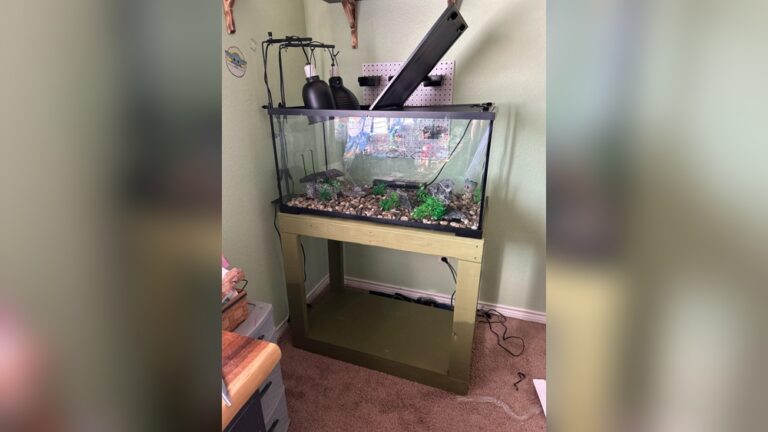
Many fish die because of problems in tank setup. Setting up a tank is not just filling it with water and fish. Proper care is needed to keep fish healthy and alive.
Small mistakes in tank setup can cause stress and illness. Fish need clean water, enough space, and places to hide. Missing these basics can lead to death.
Inadequate Filtration
Filters clean the water by removing waste and toxins. Without a good filter, harmful substances build up quickly. Dirty water can cause fish to become sick. It is important to choose a filter that suits the tank size. Regular cleaning of the filter keeps it working well.
Overcrowding
Too many fish in one tank cause stress and poor water quality. Overcrowding means less oxygen and more waste. Fish fight for space and food, which leads to injuries. Each fish species needs a certain space to live happily. Avoid adding too many fish to one tank.
Lack Of Hiding Spaces
Fish feel safe when they have places to hide. Without hiding spots, fish get stressed and scared. Stress lowers their immune system and causes illness. Plants, rocks, and decorations can create safe areas. These hiding spots help fish stay calm and healthy.
Signs Of Sick Fish
Noticing signs of sick fish early helps save their lives. Fish cannot tell us when they feel bad. We must watch their actions and looks closely. Catching sickness signs fast can prevent death. Some signs are easy to see, while others need careful attention.
Changes In Behavior
Sick fish act differently than usual. They hide more than normal. They may stop eating or eat less. Some fish stay still at the bottom. Others swim slowly or look tired. These changes hint at health problems.
Physical Symptoms
Look for spots or marks on their body. White spots or fuzzy patches show infections. Red or swollen areas mean injury or illness. Clamped fins, where fins stay close to the body, show stress. Pale or faded colors can also mean sickness.
Unusual Swimming Patterns
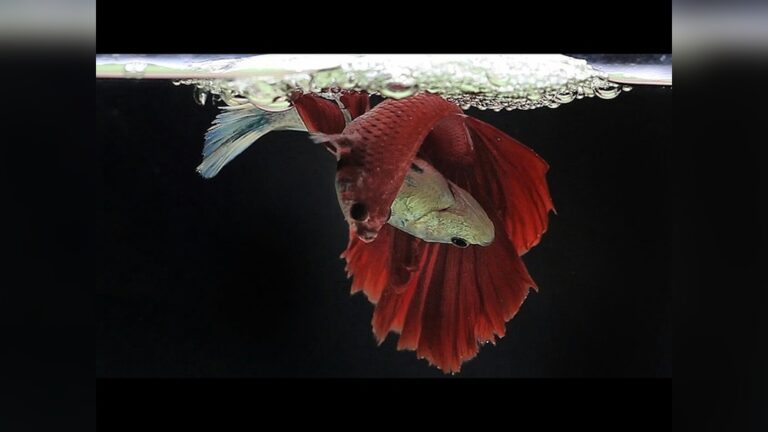
Fish swim in a certain way when healthy. Sick fish may swim erratically or upside down. Floating at the surface or sinking without control is bad. Swimming in circles or rubbing against objects shows irritation. These signs warn about serious problems.
Preventing Fish Death
Preventing fish death starts with careful care and attention. Fish need a healthy environment to live long and happy lives. Small actions can make a big difference in keeping your fish safe. Focus on water quality, feeding, and cleanliness. These steps help stop common problems before they start.
Regular Water Testing
Check your tank water often. Test for ammonia, nitrites, and nitrates. These chemicals can harm fish quickly. Keep the pH level stable. Use easy test kits made for fish tanks. Change water if levels are unsafe. Clean water means healthy fish.
Proper Feeding Habits
Feed your fish the right amount. Overfeeding causes leftover food to rot. This spoils the water and makes fish sick. Give small portions once or twice a day. Choose food made for your fish type. Fresh food keeps fish strong and active.
Quarantine New Fish
New fish can bring diseases to your tank. Keep new fish in a separate tank for two weeks. Watch for signs of illness. Treat problems before mixing fish. Quarantine protects your main tank from infections.
Maintain Clean Environment
Clean the tank regularly. Remove uneaten food and waste. Change part of the water each week. Clean filters to keep water fresh. A tidy tank stops harmful bacteria and keeps fish safe. Clean tanks help fish grow healthy and live longer.
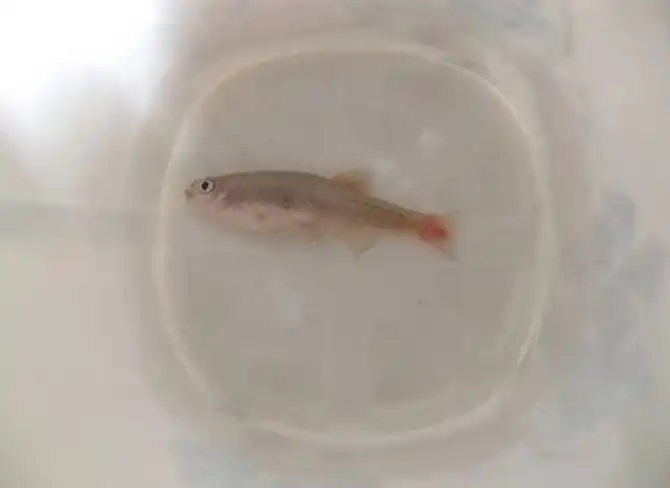
Credit: www.practicalfishkeeping.co.uk
How Smart Pets Lover Can Help You with Why Do My Fish Die
Turning Fish Loss Into Learning Moments
It’s heartbreaking when a beloved fish dies, but each loss can teach us something valuable about responsible pet care. Reflecting on common causes of fish death, such as water conditions that harm fish or feeding mistakes to avoid, offers practical learning opportunities. For instance, testing water parameters regularly and understanding the right feeding portions can prevent many issues before they arise.
Setting up the tank properly is another crucial step. Observing signs of sick fish early on helps you act swiftly, giving your finned friends a better chance to thrive. At Smart Pets Lover, we believe every pet parent can grow more confident and connected through these experiences—because caring for fish is as much about learning as it is about love.
If you ever feel overwhelmed or need guidance, reaching out to local aquatic experts or trusted pet care communities can be a great resource. Remember, every challenge is a chance to deepen the bond with your aquatic companions—where every splash tells a story.
Frequently Asked Questions
Why Do Fish Die Shortly After Purchase?
Fish often die due to stress from transport and new environments. Poor water quality or incorrect acclimation also causes sudden deaths. Always acclimate fish slowly and monitor water parameters closely after purchase to ensure their survival.
How Does Water Quality Affect Fish Survival?
Poor water quality, including high ammonia or nitrite levels, harms fish health. Unstable pH and temperature fluctuations also stress fish. Regular water testing and maintenance are crucial to keep fish healthy and prevent deaths.
Can Overfeeding Cause Fish To Die?
Yes, overfeeding pollutes the water and causes oxygen depletion. Excess food decays, increasing harmful toxins. Feed fish small amounts and remove uneaten food promptly to maintain a safe environment.
What Role Does Tank Size Play In Fish Health?
Small tanks limit oxygen and space, stressing fish and increasing disease risk. Proper tank size ensures adequate swimming space and stable water conditions. Always choose a tank size suitable for your fish species.
Conclusion
Fish die mostly because of poor water quality, wrong food, or disease. Keep the tank clean and test water often. Feed your fish the right amount and type of food. Watch for signs of sickness and act fast. Small changes make a big difference in fish health.
Care and attention help your fish live longer. Remember, healthy fish bring more joy to your home. Stay patient and enjoy watching them grow.