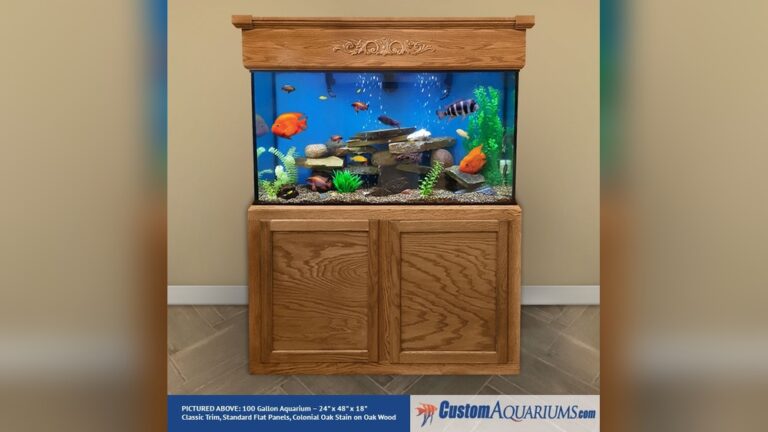
What Size Fish Tank Should I Get
Choosing the right size fish tank can feel overwhelming. You want a tank that fits your space, matches your lifestyle, and keeps your fish happy and healthy.
But how do you know what size to pick? The answer depends on a few important factors that you might not have considered yet. You’ll discover simple tips to help you find the perfect tank size—so you can create a beautiful, thriving underwater world without stress or guesswork.
Keep reading to make the best choice for you and your new aquatic friends.
Factors Influencing Tank Size
Choosing the right fish tank size is not simple. Many factors affect the decision. Understanding these helps create a healthy home for your fish. This section explains key points to consider before buying a tank.
Available Space
Measure the area where you want to place the tank. Think about room for cleaning and equipment. A tank too big can crowd your space. Too small limits your fish and decorations. Balance size with your living area.
Fish Species
Different fish need different tank sizes. Some fish grow large and need more room. Others like to swim in open spaces. Research the adult size of your fish. Some species prefer groups, needing extra space to live well.
Tank Setup Type
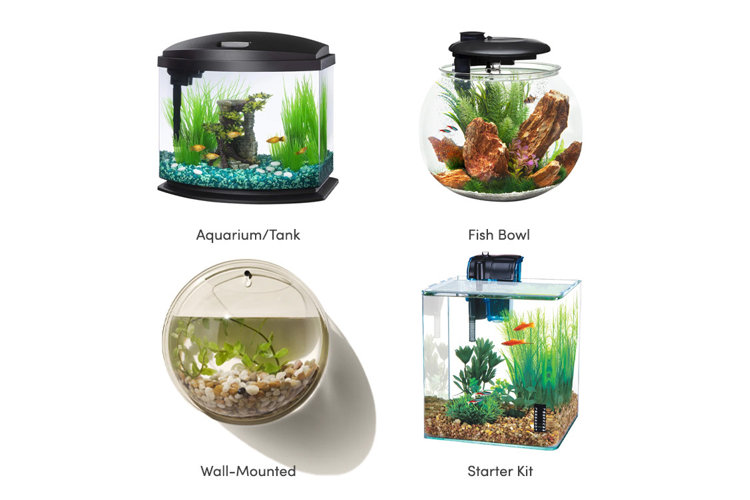
Your tank setup changes size needs. A planted tank requires space for plants and fish. A reef tank needs room for corals and equipment. Consider decorations and filters that take up space. Plan for a tank that fits your setup style.
Credit: www.wayfair.com
Small Tanks
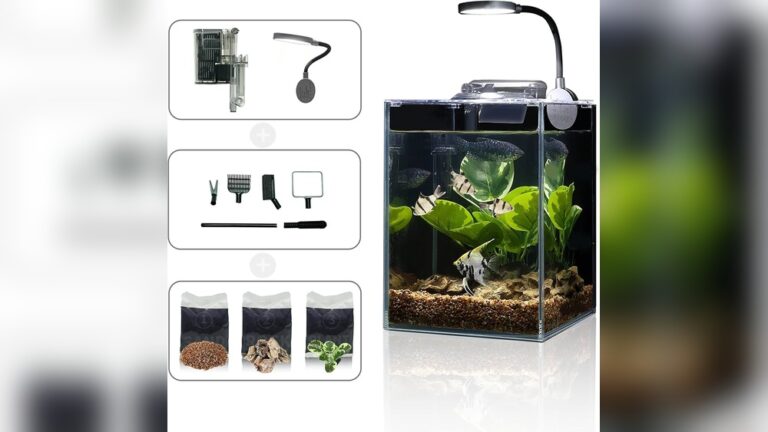
Small fish tanks are a popular choice for beginners and hobbyists with limited space. These tanks usually hold less than 10 gallons of water. They fit well on desks, shelves, or small tables. Small tanks create a cozy environment for certain fish species. But they also need careful attention to keep fish healthy and happy.
Ideal Fish Types
Small tanks suit fish that stay small and do not need much space. Betta fish are a favorite for small tanks. They are colorful and easy to care for. Small tetras, guppies, and shrimp also do well. Avoid big or active fish in small tanks. These fish can get stressed and grow sick quickly.
Maintenance Challenges
Small tanks need frequent water changes to stay clean. Water quality can change fast in small volumes. Testing water often is important. Overfeeding can pollute the water quickly. Cleaning the tank regularly prevents algae and waste buildup. Small tanks also need good filters and heaters sized right.
Pros And Cons
Small tanks save space and cost less to buy. They are easier to move and set up. Smaller water volume means less water waste during changes. On the downside, small tanks are less stable. Fish health can suffer if conditions change fast. Limited fish choices and more frequent care are common. Weigh these points before choosing a small tank.
Medium Tanks
Medium fish tanks offer a perfect balance for many hobbyists. They are large enough to house a variety of fish yet small enough to fit comfortably in most homes. These tanks usually hold between 20 and 40 gallons of water. This size allows for more creativity in fish selection and tank design.
Medium tanks are ideal for beginners and experienced aquarists. They provide a stable environment for fish and plants. With proper care, these tanks can become a beautiful underwater world.
Suitable Fish Choices
Medium tanks support many popular fish species. Guppies, tetras, and mollies thrive well in this size. Small cichlids or barbs are good options too. Avoid large or aggressive fish that need more space. Community fish that swim in groups do best here. Choose fish with similar water needs for harmony.
Aquascaping Options
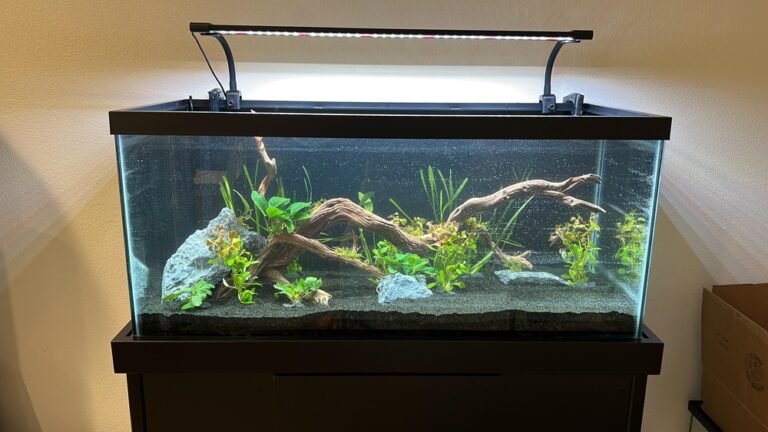
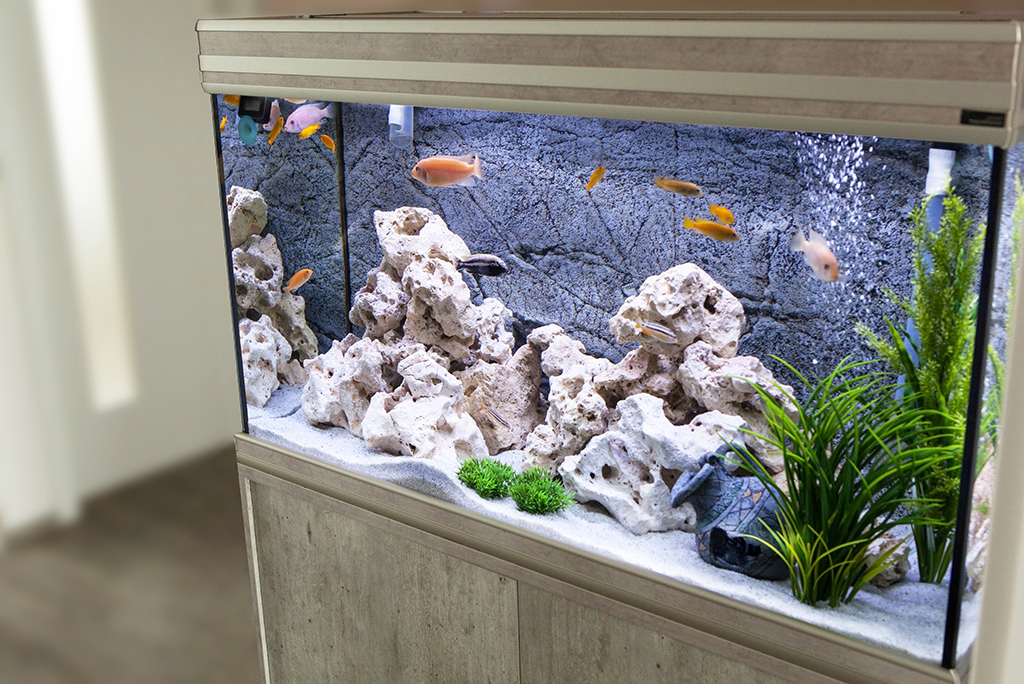
Medium tanks allow creative decoration and plant growth. Use rocks, driftwood, and plants to create hiding spots. Live plants improve water quality and look natural. Arrange plants and decorations to create depth and interest. Keep open swimming areas for fish activity. Balance is key to a healthy aquascape.
Maintenance Tips
Regular care keeps medium tanks healthy and clear. Change 10-20% of water weekly to remove waste. Clean the filter monthly but avoid washing all media. Test water parameters to keep fish safe. Remove uneaten food and dead plants promptly. Monitor fish behavior to catch problems early.
Large Tanks
Large fish tanks offer a spacious environment for many fish. They create a lively and colorful display in any room. These tanks are perfect for hobbyists who want variety and room to grow.
Managing a large tank needs careful thought. It takes more effort and resources than smaller tanks. Understanding the details helps in making the right choice for your space and budget.
Fish Variety
Large tanks allow you to keep many types of fish together. You can mix species that need different swimming spaces. Bigger tanks also support larger fish that need more room.
More space means you can create a natural and healthy habitat. Fish have room to swim freely and hide. This reduces stress and helps fish live longer.
Cost Considerations
Large tanks cost more than small ones. The price includes the tank, stand, and accessories. Bigger tanks use more water, filters, and lights, raising bills.
Maintenance products and fish food also cost more. Plan your budget carefully before buying a large tank. It is an investment that needs long-term care.
Setup Complexity
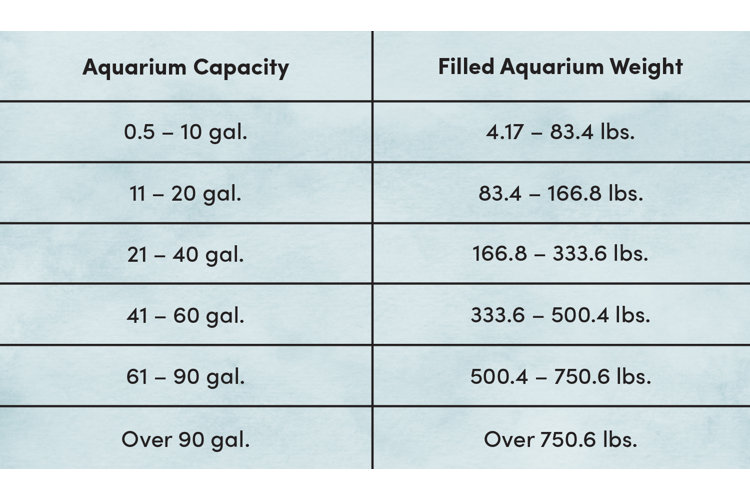
Setting up a large tank is more complex. You need strong support for the tank’s weight. Proper placement avoids damage to floors and walls.
Water quality is harder to control in big tanks. You must test and clean water regularly. The filtration system needs to handle a large volume efficiently.
Decorating a large tank takes time. You want to create a balanced and safe environment. Each step requires patience and attention to detail.
Calculating Tank Size
Calculating the right tank size is important for healthy fish. The size affects fish growth, water quality, and tank maintenance. Choose a tank that fits the needs of your fish and your space. Understanding fish growth, bioload, and filtration helps pick the best tank size.
Fish Growth Rates
Fish grow at different speeds. Some fish stay small, while others grow large quickly. Research the adult size of your fish. Plan for the size they will reach, not just their current size. This avoids overcrowding and stress for your fish.
Bioload Estimation
Bioload means the waste fish produce. More fish or bigger fish create more waste. Waste affects water quality and fish health. Estimate bioload by counting fish and their size. Larger tanks handle higher bioload better than smaller ones.
Filtration Needs
Good filtration keeps water clean and clear. Bigger tanks need stronger filters. Filters remove waste and toxins from the water. Check filter capacity for the tank size. Proper filtration supports fish health and reduces tank cleaning.
Credit: apifishcare.com
Budget And Time
Choosing the right fish tank size depends a lot on your budget and the time you can give to fish care. Bigger tanks cost more and need more work. Smaller tanks are cheaper but still need daily attention. Understanding costs and time helps you pick a tank that fits your life.
Initial Investment
Buying a fish tank means more than just the glass container. You need a filter, heater, lights, and decorations. Bigger tanks need stronger equipment and more supplies. The price rises fast as tank size grows. Plan your budget carefully before buying.
Ongoing Costs
Fish tanks need constant care. Electricity to run filters and heaters adds to bills. Fish food, water treatments, and replacement parts also cost money. Larger tanks use more electricity and supplies. Think about how much you can spend every month.
Time Commitment
Fish tanks require daily care and regular cleaning. Bigger tanks take more time to maintain. You must test water, feed fish, and clean filters. Small tanks still need daily attention but less cleaning. Choose a tank size that fits your schedule.
Common Mistakes
Choosing the right size fish tank can be tricky. Many beginners make simple mistakes. These errors affect fish health and tank cleanliness. Understanding common mistakes helps avoid problems early. This section highlights typical errors to watch for.
Overcrowding
Putting too many fish in a small tank harms them. Fish need space to swim and grow. Overcrowding causes stress and fights. It also leads to poor water quality. Fish waste builds up fast in crowded tanks. Choose a tank size that fits your fish number.
Ignoring Fish Needs
Different fish need different tank sizes. Some fish grow large and need more room. Others need specific water conditions. Ignoring these needs causes health issues. Research each fish type before buying. Match the tank size to the fish’s needs.
Underestimating Maintenance
Smaller tanks need more cleaning than bigger ones. Water changes happen more often in small tanks. People often forget about daily care. Dirty tanks make fish sick quickly. Plan for regular cleaning and water tests. Proper maintenance keeps fish healthy and happy.
Credit: www.wayfair.com
Tips For Choosing
Choosing the right fish tank size takes some thought. The right size makes your fish healthy and happy. It also makes tank care easier. Use these tips to help pick a tank that fits your needs and space.
Researching Fish
Each fish species has different space needs. Some fish need more room to swim freely. Others prefer to stay near the tank bottom. Find out how big your fish can grow. Learn their social habits and how many can live together. This info helps you avoid overcrowding and stress.
Planning For Growth
Fish grow over time. Small fish now may become large later. Choose a tank that fits their adult size. Give them room to move comfortably. This prevents future tank upgrades and keeps fish healthy.
Consulting Experts
Talk to pet store staff or experienced hobbyists. They offer advice on tank sizes for specific fish. Experts can suggest the best setup for your space and budget. Their tips help you avoid common mistakes and enjoy your aquarium more.
How Smart Pets Lover Can Help You with What Size Fish Tank Should I Get
Turning Tank Size Choices into Learning Opportunities
Choosing the right fish tank size isn’t just a practical decision—it’s a chance to deepen your understanding of aquatic life and responsible pet ownership. Reflecting on factors like budget, time commitment, and the specific needs of your fish helps you develop a thoughtful approach that benefits both you and your aquatic companions.
For instance, calculating tank size encourages you to learn about fish behavior and water chemistry, while considering common mistakes sharpens your problem-solving skills. These insights not only improve your fish’s well-being but also build your confidence as a pet parent—something we at Smart Pets Lover deeply value.
- Explore how tank size affects water quality and fish health
- Understand the balance between your lifestyle and aquarium care
- Learn from early mistakes to create a thriving aquatic environment
Remember, every choice you make is part of a meaningful story with your pet, where patience and knowledge go hand in hand. For more guidance, connecting with experienced pet communities or consulting trusted resources can provide valuable support on your fish-keeping journey.
Frequently Asked Questions
What Size Fish Tank Is Best For Beginners?
A 10 to 20-gallon tank is ideal for beginners. It offers enough space for fish to thrive. It’s easier to maintain and clean. This size supports a variety of fish types. It helps build aquarium skills gradually without overwhelming.
How To Choose Fish Tank Size For Small Spaces?
Measure your available space before buying a tank. Consider tanks between 5 and 20 gallons for small areas. Choose compact shapes like cube or bowfront tanks. Smaller tanks still need proper filtration and maintenance. Prioritize fish species suitable for limited space.
Does Tank Size Affect Fish Health And Happiness?
Yes, larger tanks generally promote healthier, happier fish. Bigger tanks provide stable water conditions and more swimming space. Overcrowding in small tanks stresses fish and raises disease risk. Proper tank size supports natural behavior and growth.
What Size Tank Suits Multiple Fish Species?
A 20-gallon or larger tank works well for mixed species. It offers enough room for different fish to coexist. Ensure compatibility among species to avoid aggression. Proper filtration and regular cleaning are essential in multi-species tanks.
Conclusion
Choosing the right fish tank size matters for your fish’s health. Small tanks are easy to manage but limit fish types. Larger tanks offer more space and stable water conditions. Think about your room space and budget too. Start with a size that fits your needs and care ability.
A good tank helps fish live longer and stay happy. Take your time and pick wisely for the best aquarium experience.