What Do Snails Eat
Have you ever wondered what snails eat and why they choose certain foods over others? If you’ve spotted these slow-moving creatures in your garden or home, understanding their diet can help you care for them better or keep them away from your plants.
Whether you’re a curious nature lover, a gardener, or someone thinking about keeping a snail as a pet, knowing what snails eat is key. Keep reading, and you’ll discover surprising facts about their favorite meals and how their eating habits affect the world around them.

Credit: www.youtube.com
Snail Diet Basics
Snails have simple diets but need the right foods to stay healthy. Their eating habits depend on their environment and species. Knowing what snails eat helps in caring for them or understanding their role in nature.
Most snails eat plants, but some enjoy other foods too. They use a special tongue, called a radula, to scrape food. This tool helps them eat leaves, algae, and even soft bark.
Common Food Choices
Leafy greens like lettuce and spinach are top choices for many snails. They also eat vegetables such as cucumber, carrots, and zucchini. Fruits like apples and strawberries attract snails but should be given in small amounts. Garden snails often feed on algae growing on rocks and soil. Calcium sources like crushed eggshells help build strong shells.
Differences Among Species
Not all snails eat the same foods. Land snails usually prefer plants and vegetables. Water snails feed on algae, aquatic plants, and decaying matter. Some snails eat dead animals or fungi. Tropical snails may have more varied diets than temperate species. Understanding these differences ensures proper care and feeding.
Credit: www.ecoguardpestmanagement.com
Plants And Vegetation
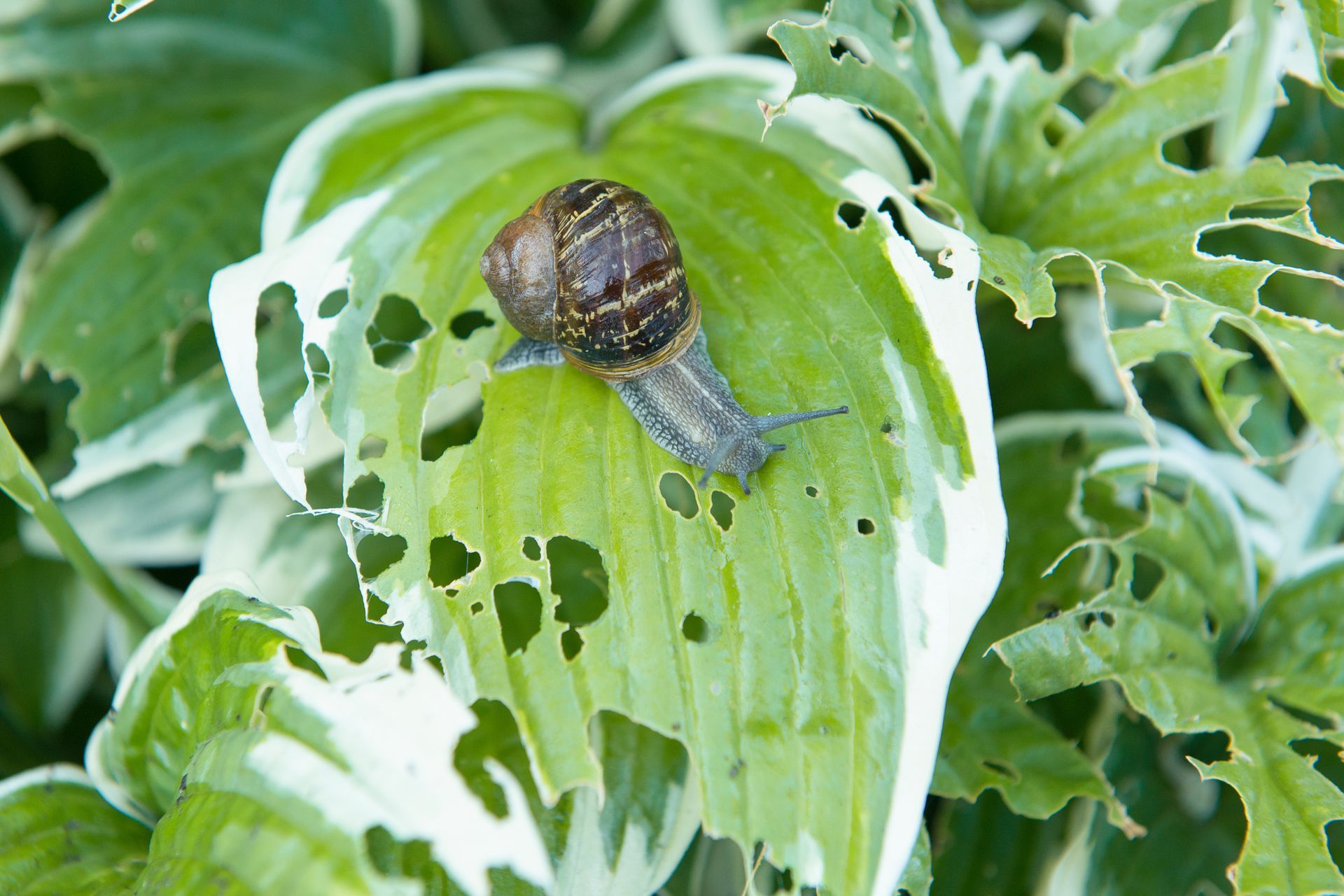
Snails eat many types of plants and vegetation. They enjoy fresh and soft parts of plants. Plants provide snails with the nutrients they need to grow and stay healthy. Understanding what plants snails prefer helps in caring for them or managing them in gardens.
Leafy Greens
Leafy greens are a favorite food for many snails. They like lettuce, spinach, and kale. These leaves are soft and easy to chew. Snails also eat cabbage and dandelion leaves. Leafy greens give snails water and vitamins. They help snails stay active and healthy.
Fruits And Flowers
Snails enjoy eating soft fruits like strawberries and apples. They prefer ripe fruits that are easy to bite. Flowers such as hibiscus, roses, and marigolds attract snails. The petals provide a tasty treat. Fruits and flowers add variety to their diet. This variety keeps snails interested and nourished.
Protein Sources
Protein is an important part of a snail’s diet. It helps them grow strong shells and stay healthy. Snails get protein from different sources, including animal matter and calcium. These nutrients support their body functions and overall well-being.
Animal Matter
Snails eat small bits of animal matter. This can be dead insects, worms, or tiny pieces of meat. Animal matter is rich in protein and helps snails build muscles. It also supports their immune system to fight diseases. Some pet owners give snails boiled eggs or fish flakes for extra protein. This keeps pet snails active and healthy.
Calcium Importance
Calcium is not just for bones. For snails, calcium is vital for strong shells. Protein helps, but calcium makes shells hard and safe. Snails absorb calcium from crushed eggshells, cuttlebone, or special powders. Without enough calcium, their shells become weak and can break easily. A balanced diet with protein and calcium keeps snails growing well.
Feeding Habits In The Wild
Snails in the wild have unique feeding habits that help them survive. They eat a variety of foods depending on their environment. Their diet changes with the seasons and availability of food. Understanding these habits shows how snails adapt to nature’s challenges.
Natural Foraging
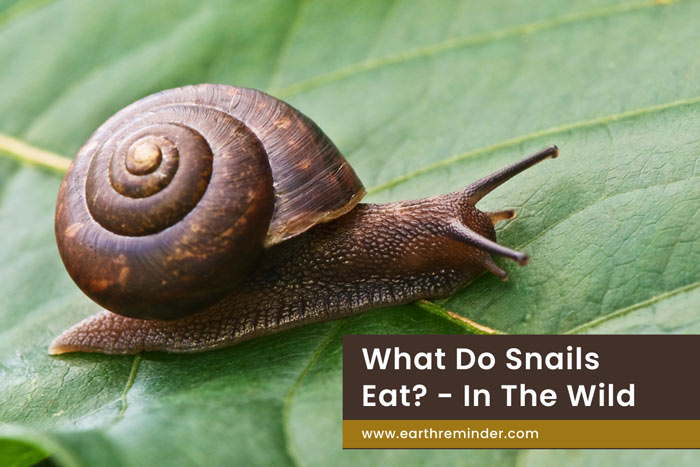
Snails search for food mostly at night or in damp places. They use their radula, a tiny tongue with teeth, to scrape food. They eat leaves, algae, fungi, and decaying plants. Some snails also eat small insects or animal matter. Their diet depends on what is easy to find nearby.
Seasonal Variations
Snail diets change with the seasons. In spring and summer, fresh plants and leaves are common food. During autumn, they eat fallen leaves and decomposing plants. In winter, food is scarce, so snails eat less or hibernate. These changes help snails survive year-round in the wild.
Feeding Pet Snails
Feeding pet snails is simple but important for their health. Snails need a balanced diet to grow strong and stay active. They eat a variety of plants and vegetables. Providing the right foods keeps your snail happy and healthy. Avoid foods that can harm them or cause illness.
Safe Foods
Snails enjoy fresh vegetables like lettuce, cucumber, and spinach. Soft fruits such as apples and bananas are good too. Calcium is essential for their shells. You can give crushed eggshells or cuttlebone for calcium. Avoid salty or spicy foods. Fresh water should always be available for drinking and moisture.
Foods To Avoid
Avoid citrus fruits like oranges and lemons. These are too acidic for snails. Do not feed them processed or salty foods. Avoid raw potatoes and onions, which can be toxic. Stay away from meat or dairy products. These can cause serious health problems. Keep their food clean and fresh to prevent mold growth.
Credit: www.earthreminder.com
Impact Of Diet On Snail Health
The diet of a snail has a big effect on its health. What snails eat influences how they grow and how strong their shells become. Good nutrition helps snails stay active and live longer. Poor diet can lead to health problems and weak shells. Understanding the impact of diet helps keep snails healthy and happy.
Growth And Shell Strength
Snails need calcium to build strong shells. Without enough calcium, shells become thin and brittle. Proteins and vitamins support their overall growth. A balanced diet helps snails grow at a steady rate. Healthy shells protect snails from harm and help them survive. Diet directly affects shell quality and snail size.
Common Nutritional Issues
Many snails suffer from calcium deficiency. This causes shell cracks and slow growth. Lack of fresh vegetables may lead to vitamin shortages. Overfeeding sugary foods can harm their digestive system. Poor diet can cause snails to become weak and inactive. Feeding snails the right foods prevents these common problems.
How Smart Pets Lover Can Help You with What Do Snails Eat
Practical Learning Through Understanding Snail Diets
Getting to know what snails eat opens up more than just curiosity—it offers a chance to observe nature’s little details in action. When you explore feeding habits in the wild or care for pet snails, you’re not just providing food; you’re supporting their health and well-being. Paying attention to their diet basics and the variety of plants and protein sources they consume can teach valuable lessons about balance and nutrition that apply to many pets.
For families and pet lovers, this knowledge encourages responsible pet ownership and deepens the emotional connection with these gentle creatures. It’s a small but meaningful step toward making every interaction with your snail—and every wag, purr, or chirp in your home—feel like part of a shared story. For further guidance or questions, reaching out to trusted pet care resources can offer personalized advice tailored to your snail’s needs.
Frequently Asked Questions
What Do Garden Snails Typically Eat?
Garden snails mainly eat soft leaves, fruits, vegetables, and decaying plant matter. They prefer tender, fresh greens and avoid tough, woody plants.
Can Snails Eat Meat Or Protein-based Foods?
Most land snails are herbivores and do not eat meat. Some aquatic snails may consume small dead animals, but generally, snails prefer plant-based diets.
How Often Should You Feed Pet Snails?
Pet snails should be fed every 1-2 days. Provide fresh vegetables, fruits, and calcium sources like cuttlebone for healthy shell growth.
Do Snails Eat Dead Plants Or Organic Waste?
Yes, snails help decompose organic matter by eating dead plants and decaying leaves. This makes them important for garden ecosystems.
Conclusion
Snails eat a variety of plants, fruits, and vegetables daily. They prefer soft, fresh leaves and avoid tough, bitter plants. Some snails also enjoy algae and decaying organic matter. Knowing what snails eat helps keep them healthy and happy. Feeding snails the right food supports their growth and activity.
Remember, not all foods are safe for snails. Always offer fresh, clean, and natural items for their diet. Understanding snail diets makes caring for them easier and more fun. Keep your snails well-fed to see them thrive.