What Do Fish Eat
Have you ever wondered what fish really eat? Whether you’re feeding a pet fish or curious about wildlife, knowing their diet is key.
What you feed your fish can make a big difference in their health and happiness. You’ll discover simple, clear answers about fish food habits. By the end, you’ll feel confident caring for your fish or understanding their role in nature.
Keep reading to unlock these easy tips that anyone can use!
Credit: a-z-animals.com
Fish Diet Basics
Fish eat different types of food. Their diet depends on their species and habitat. Understanding fish diet basics helps in caring for them properly. It also explains their behavior and role in the ecosystem.
Carnivorous Fish
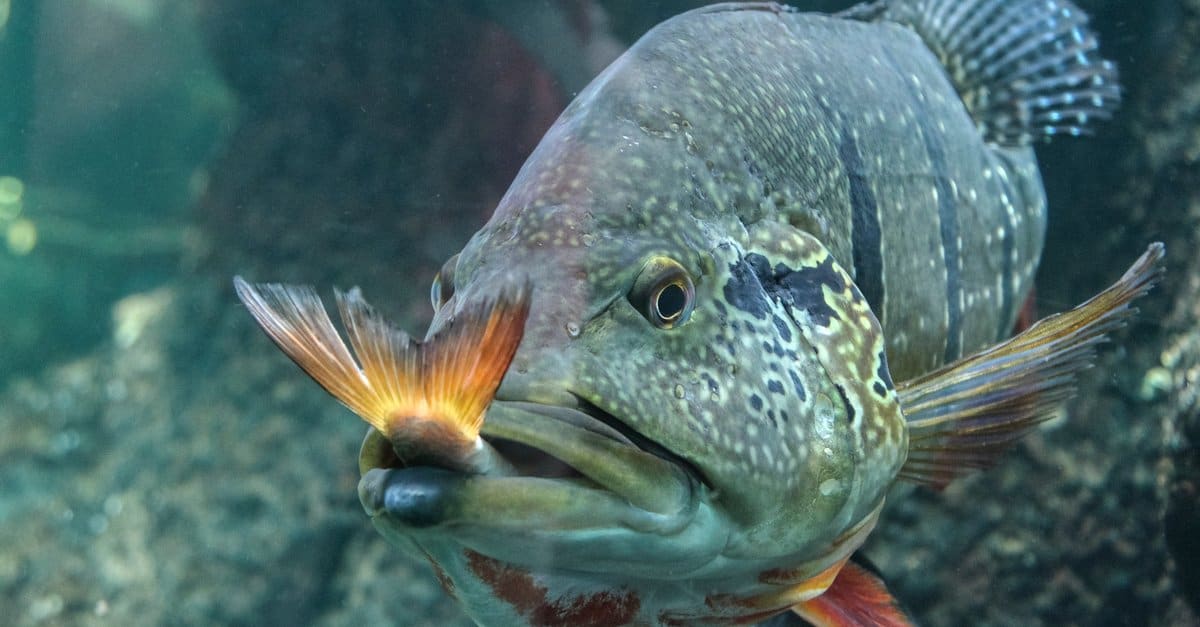
Carnivorous fish eat other animals. Their diet includes smaller fish, insects, and crustaceans. They have sharp teeth to catch and eat prey. Examples are sharks and pike. These fish need protein-rich food to stay healthy.
Herbivorous Fish
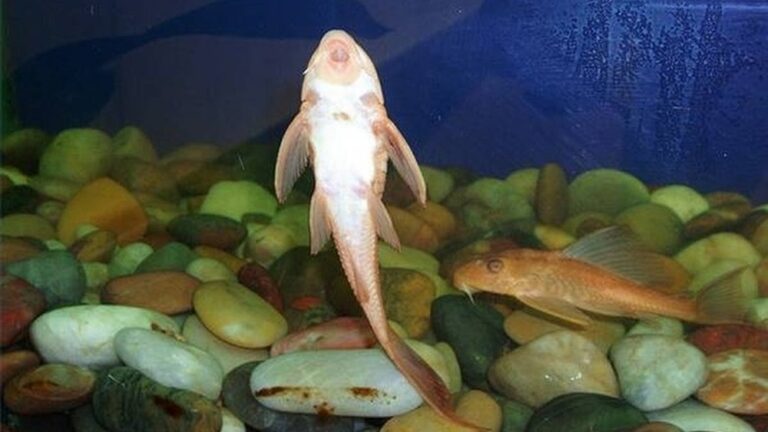
Herbivorous fish eat plants and algae. They often graze on underwater vegetation. Their teeth are adapted to scrape or bite plants. Examples include surgeonfish and some species of catfish. These fish need fiber and nutrients from plants.
Omnivorous Fish
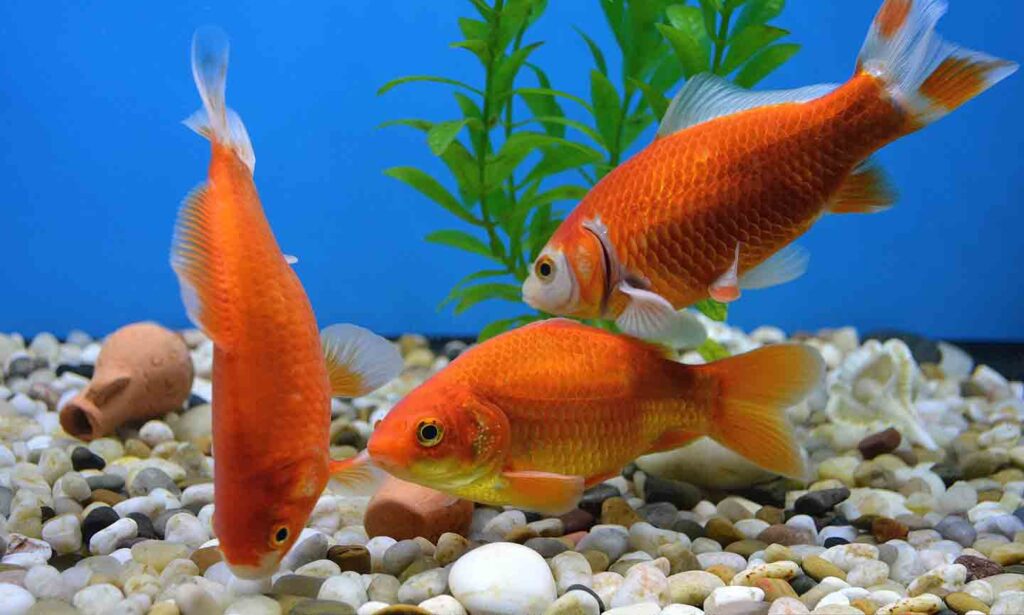
Omnivorous fish eat both plants and animals. Their diet is flexible and varied. They consume insects, smaller fish, plants, and algae. Examples include goldfish and guppies. This diet helps them survive in many environments.
Credit: www.chewy.com
Natural Food Sources
Fish rely on natural food sources found in their habitats. These foods provide the nutrients fish need to grow and stay healthy. Different fish eat different foods based on their size and environment. Many fish feed on tiny plants and animals living in water. Others hunt small creatures or scavenge for leftovers. Understanding what fish eat helps us care for them better.
Plankton And Algae
Plankton includes tiny plants and animals drifting in water. Many small fish eat plankton as their main food. Algae, a type of plant, grows on rocks and surfaces underwater. Fish nibble on algae to get energy and nutrients. These natural foods are rich in vitamins and minerals. They form the base of the food chain in many water bodies.
Insects And Larvae
Insects often land on or live near water. Fish catch insects that fall into the water. Larvae are baby insects living underwater before they grow wings. Fish enjoy eating larvae because they are soft and easy to catch. These foods provide protein, which helps fish grow strong muscles. Many freshwater fish depend on insects and larvae for food.
Smaller Fish And Crustaceans
Some fish eat smaller fish to survive. These fish are usually bigger and faster hunters. Crustaceans like shrimp and crabs live in water and have hard shells. Fish crack open crustaceans to eat the soft parts inside. This food source is high in protein and healthy fats. Predatory fish rely on smaller fish and crustaceans for energy.
Feeding Habits By Habitat
Fish eat differently depending on where they live. Their habitat shapes their feeding habits. Food sources vary in freshwater, saltwater, and deep sea environments. Understanding these diets helps us learn about fish behavior and ecology.
Freshwater Fish Diets
Freshwater fish eat plants, insects, and small animals. Many feed on algae and aquatic plants. Others hunt tiny insects on the water surface. Some species eat small fish and crustaceans. Their diet depends on the river, lake, or pond they inhabit.
Saltwater Fish Diets
Saltwater fish have a wider range of food. They consume plankton, small fish, and shellfish. Coral reefs provide many food options like worms and crustaceans. Larger fish hunt smaller fish or squid. Saltwater fish often adapt their diet by location and season.
Deep Sea Fish Food
Deep sea fish live in dark, cold waters. Food is scarce in this habitat. Many feed on dead animals falling from above. Some catch smaller fish or squid. Others use bioluminescence to attract prey. Their diets are unique due to the harsh environment.
Fish Feeding Mechanisms
Fish have many ways to catch and eat food. Their feeding methods depend on their body type and habitat. Understanding these methods helps us learn how fish survive in water. Some fish filter tiny food from water. Others hunt or wait to ambush prey. Some eat leftovers or dead animals. Each method suits their needs and environment.
Filter Feeding
Filter feeders swim with mouths open. They catch small plants and animals from water. Tiny hairs or gill rakers help trap food particles. Whale sharks and some small fish use this method. It works best in water full of plankton or tiny creatures. Filter feeding lets fish eat many small bites at once.
Hunting And Ambushing
Some fish actively hunt for food. They chase smaller fish or insects. Others hide and wait for prey to come close. Ambush predators stay still and strike quickly. Examples include pike and anglerfish. These fish have sharp teeth and fast reflexes. Their success depends on speed and surprise.
Scavenging Behavior
Scavengers eat dead plants or animals. They clean the water by removing waste. Catfish and some bottom dwellers often scavenge. These fish search the riverbed or ocean floor. They help recycle nutrients in the ecosystem. Scavenging allows fish to find food without hunting.
Feeding Fish In Aquariums
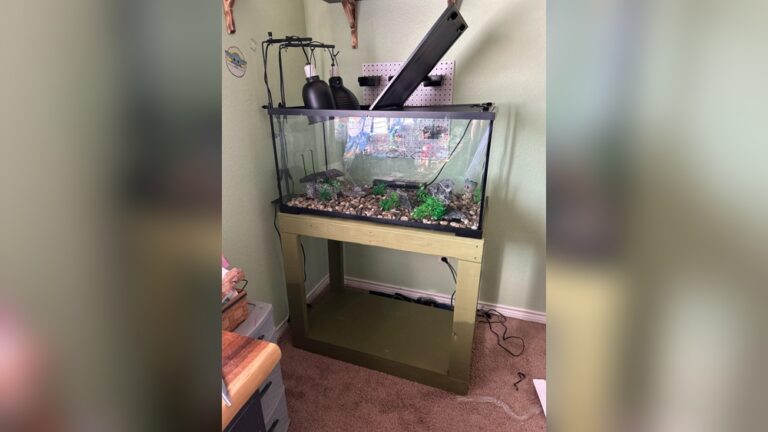
Feeding fish in aquariums is key to keeping them healthy and happy. Proper feeding helps fish grow and stay active. It also keeps the water clean and safe. Understanding what to feed and how much is important for every fish owner.
Choosing The Right Food
Fish need different foods based on their species. Some fish eat flakes, others prefer pellets or live food. Choose food that matches your fish’s natural diet. For example, herbivores need plant-based food, while carnivores need protein-rich options. Fresh and high-quality food supports good health.
Feeding Frequency And Portions
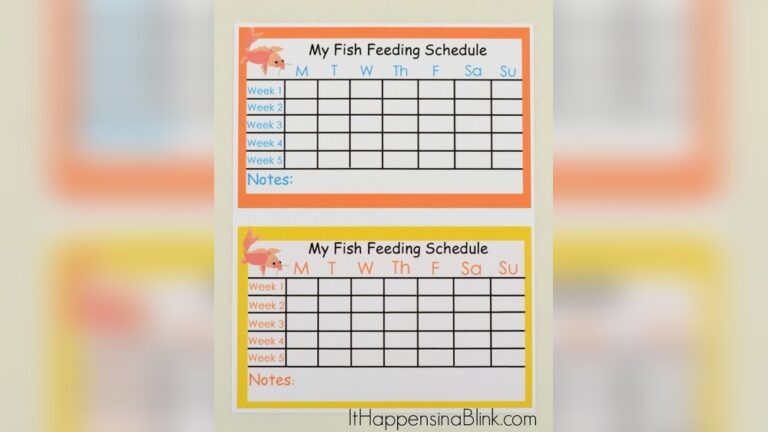
Feed fish small amounts two to three times daily. Small portions prevent waste and keep fish active. Watch your fish eat and stop feeding when they lose interest. Young fish may need more frequent feeding than adults. Consistent feeding times help fish feel secure.
Avoiding Overfeeding
Too much food causes water pollution and fish illness. Remove leftover food after a few minutes. Overfeeding can lead to obesity and disease in fish. Keep feeding portions small and controlled. A clean tank helps fish live longer and stay healthy.
Impact Of Diet On Fish Health
The diet of fish plays a crucial role in their overall health and well-being. Fish need the right balance of nutrients to stay strong and active. Poor diet can lead to illness and slow growth. Understanding what fish eat helps keep them healthy in any environment.
Nutritional Requirements
Fish need proteins, fats, vitamins, and minerals for good health. Proteins help build muscles and repair tissues. Fats provide energy and support brain function. Vitamins and minerals boost the immune system and help with growth. Different fish species require different amounts of these nutrients.
Signs Of Nutritional Deficiency
Fish with poor diets show clear signs of nutrient lack. They may lose color or develop spots. Slow swimming and low energy are common symptoms. Some fish may stop eating or have swollen bellies. Spotting these signs early can prevent serious health problems.
Diet And Fish Growth
The right diet helps fish grow faster and healthier. Balanced food supports strong bones and muscles. It also improves reproduction and lifespan. Overfeeding or poor food quality can stunt growth. Careful feeding ensures fish reach their full potential.
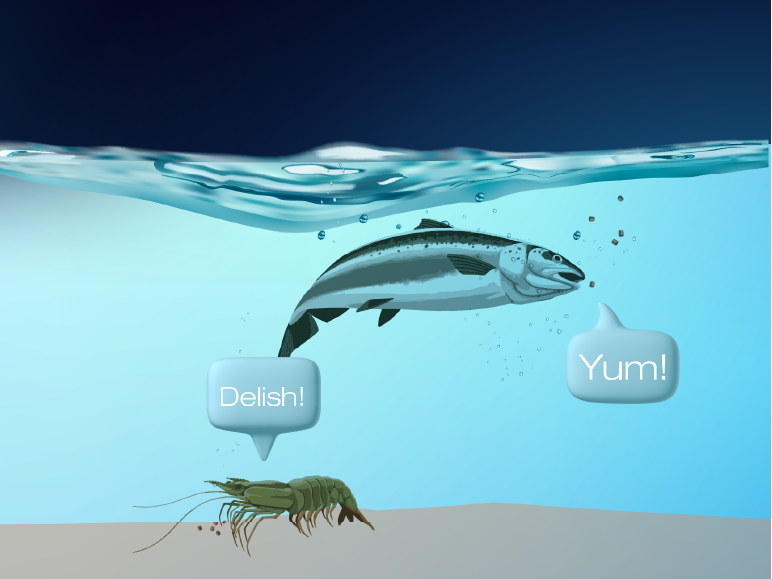
Credit: www.skretting.com
How Smart Pets Lover Can Help You with What Do Fish Eat
Exploring Fish Diets Through Hands-On Learning
Understanding what fish eat opens up wonderful practical learning opportunities, especially when you consider their feeding habits by habitat and the impact of diet on fish health. For example, observing how freshwater fish forage naturally can teach us about their natural food sources and feeding mechanisms. This kind of exploration not only deepens our appreciation for aquatic life but also helps us provide better care, whether in an aquarium or a natural pond.
- Try setting up a simple aquarium to observe feeding behavior firsthand.
- Research local fish species and their diets to compare wild and captive feeding habits.
- Keep a journal tracking how different diets affect fish vitality and activity levels.
At Smart Pets Lover, we believe every pet parent deserves to feel confident and connected with their pets, and learning about fish diets is a perfect way to start. If you have questions or want to share your fish-feeding experiences, reaching out to fellow enthusiasts or experts can be incredibly rewarding. Remember, caring for fish is a journey where curiosity and compassion swim side by side.
Contact us anytime at [email protected] for more insights or community support.
Frequently Asked Questions
What Do Freshwater Fish Commonly Eat?
Freshwater fish eat insects, small crustaceans, algae, and plant matter. Their diet varies by species and habitat. Some prefer live prey, while others graze on plants or detritus.
Do Fish Eat Plants Or Only Meat?
Many fish are omnivores and eat both plants and meat. Some species prefer algae and plant material, while others hunt smaller fish or invertebrates for protein.
How Often Should I Feed Pet Fish?
Feed pet fish once or twice daily in small amounts. Overfeeding causes water pollution and health issues. Adjust feeding based on fish size and species.
Can Fish Eat Human Food Safely?
Some human foods like peas or vegetables are safe in small amounts. Avoid processed, salty, or sugary foods as they harm fish health.
Conclusion
Fish eat many types of food to stay healthy and grow. Some fish like plants, while others prefer insects or smaller fish. Understanding what fish eat helps you care for them better. Feeding fish the right food keeps them active and strong.
Remember, a balanced diet is key for all fish. Knowing their eating habits makes watching fish more fun and interesting. Keep their food varied and fresh for best results. Fish diets are simple but important to their life.