What Do Clownfish Eat
Have you ever wondered what clownfish eat to stay healthy and colorful? If you keep clownfish as pets or are simply curious about these vibrant little fish, understanding their diet is key.
Knowing exactly what to feed your clownfish can make a big difference in their growth and happiness. You’ll discover the best foods for clownfish, how often to feed them, and tips to keep them thriving. Keep reading to unlock the secrets of the clownfish diet and ensure your underwater friends get the nutrition they need.
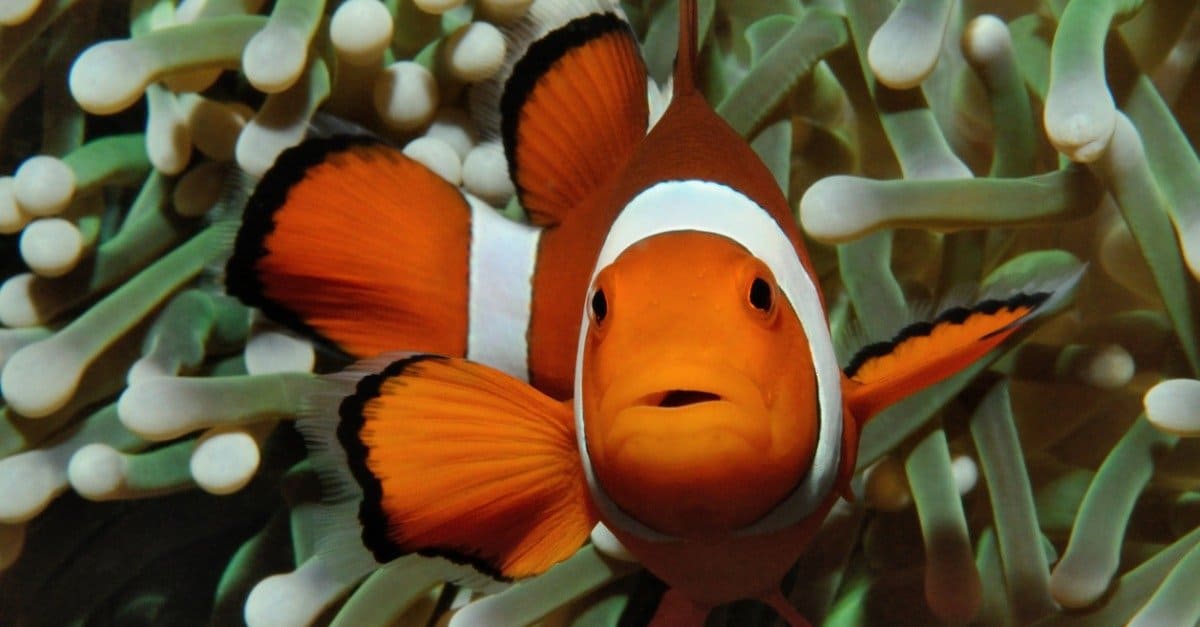
Credit: a-z-animals.com
Clownfish Diet Basics
Clownfish have a simple diet that fits their small size and unique lifestyle. They eat a variety of foods found in their natural homes. Understanding what clownfish eat helps in caring for them, whether in the wild or in an aquarium. Their diet gives them energy and keeps them healthy.
Natural Food Sources
Clownfish mainly eat small animals and plants found in coral reefs. They feed on tiny plankton that float in the water. Algae and small crustaceans also make up a big part of their meals. These foods provide the right nutrients for growth and health. Their diet changes with the seasons and availability of food.
Feeding Habits In The Wild
In the wild, clownfish search for food close to their host anemones. They swim around slowly and pick at small creatures and plants. Clownfish use quick movements to catch plankton and tiny animals. They eat often but in small amounts throughout the day. This feeding style helps them avoid predators and stay near safety.
Common Foods For Clownfish
Clownfish eat a variety of small foods found in their natural habitat. Their diet is diverse and helps them stay healthy. Understanding what clownfish eat helps in keeping them well-fed in aquariums.
They rely on tiny plants, animals, and other small creatures for nutrition. These foods provide energy and nutrients needed for growth and color.
Plankton And Algae
Plankton forms a big part of the clownfish diet. These tiny floating plants and animals drift in the water. Algae, a type of plant-like organism, also serves as food. Clownfish graze on algae growing on rocks and coral. This helps keep their environment clean and provides vitamins.
Small Invertebrates
Small invertebrates like shrimp and tiny crabs are favorite foods. These animals are easy for clownfish to catch. They are rich in protein, helping clownfish build strong muscles. Eating invertebrates adds variety to the clownfish diet.
Zooplankton And Larvae
Zooplankton includes tiny animals floating in the ocean. Clownfish feed on zooplankton to get essential nutrients. Larvae of various sea creatures also serve as food. These young animals are soft and easy to eat. They provide energy and help clownfish grow fast.
Feeding Clownfish In Captivity
Feeding clownfish in captivity requires careful attention to their diet. A balanced and varied diet helps keep them healthy and active. Knowing what to feed and how often is key for their wellbeing.
Suitable Commercial Foods
High-quality flake food is a good base for clownfish. Pellets made for marine fish work well too. These foods provide essential nutrients and vitamins. Choose products with fish meal or shrimp as main ingredients. Avoid foods with fillers or artificial colors.
Fresh And Frozen Options
Fresh or frozen foods add variety and nutrition. Offer chopped shrimp, squid, or fish pieces. Frozen brine shrimp and mysis shrimp are excellent choices. Thaw frozen food before feeding to avoid stomach issues. These options mimic their natural diet in the wild.
Feeding Frequency And Portions
Feed clownfish small amounts two to three times daily. Overfeeding can cause water pollution and health problems. Only give as much food as they eat in 2 to 3 minutes. Remove leftover food to keep the tank clean. Consistent feeding times help develop a routine for your fish.

Credit: www.youtube.com
Symbiotic Relationship And Food
Clownfish and sea anemones live closely together. This bond helps both survive and get food. Their relationship is special and affects how clownfish eat. The two support each other in finding and sharing food.
Anemones’ Role In Nutrition
Sea anemones protect clownfish from predators. They also catch small food particles from the water. Clownfish eat leftovers from the anemone’s meals. The anemone’s stinging tentacles keep the food safe. This way, clownfish get a steady food supply near home.
Food Sharing With Anemones
Clownfish feed the anemone by dropping bits of food. This helps the anemone grow and stay healthy. Sometimes clownfish clean the anemone by eating dead parts. Both creatures benefit from sharing food and care. This teamwork keeps their home safe and full of nutrients.
Nutritional Needs And Health
Clownfish need a balanced diet to stay healthy and active. Their nutritional needs include proteins, vitamins, and minerals. A good diet supports their color, growth, and energy. Poor nutrition can lead to illness and weak immune systems. Understanding what vitamins and minerals clownfish require helps keep them strong.
Vitamins And Minerals
Vitamins like A, C, and D are vital for clownfish health. They help with vision, skin, and bone strength. Minerals such as calcium and magnesium support their skeleton and muscle function. A lack of these nutrients can cause slow growth and poor health. Feeding a mix of fresh and frozen foods can provide these essential vitamins and minerals.
Signs Of Poor Diet
Clownfish with a poor diet often lose their bright colors. They may become less active and eat less. Slow growth and unusual swimming patterns can signal problems. Watch for white spots or torn fins, which may indicate weakness. Timely diet adjustments can prevent serious health issues and keep clownfish lively.
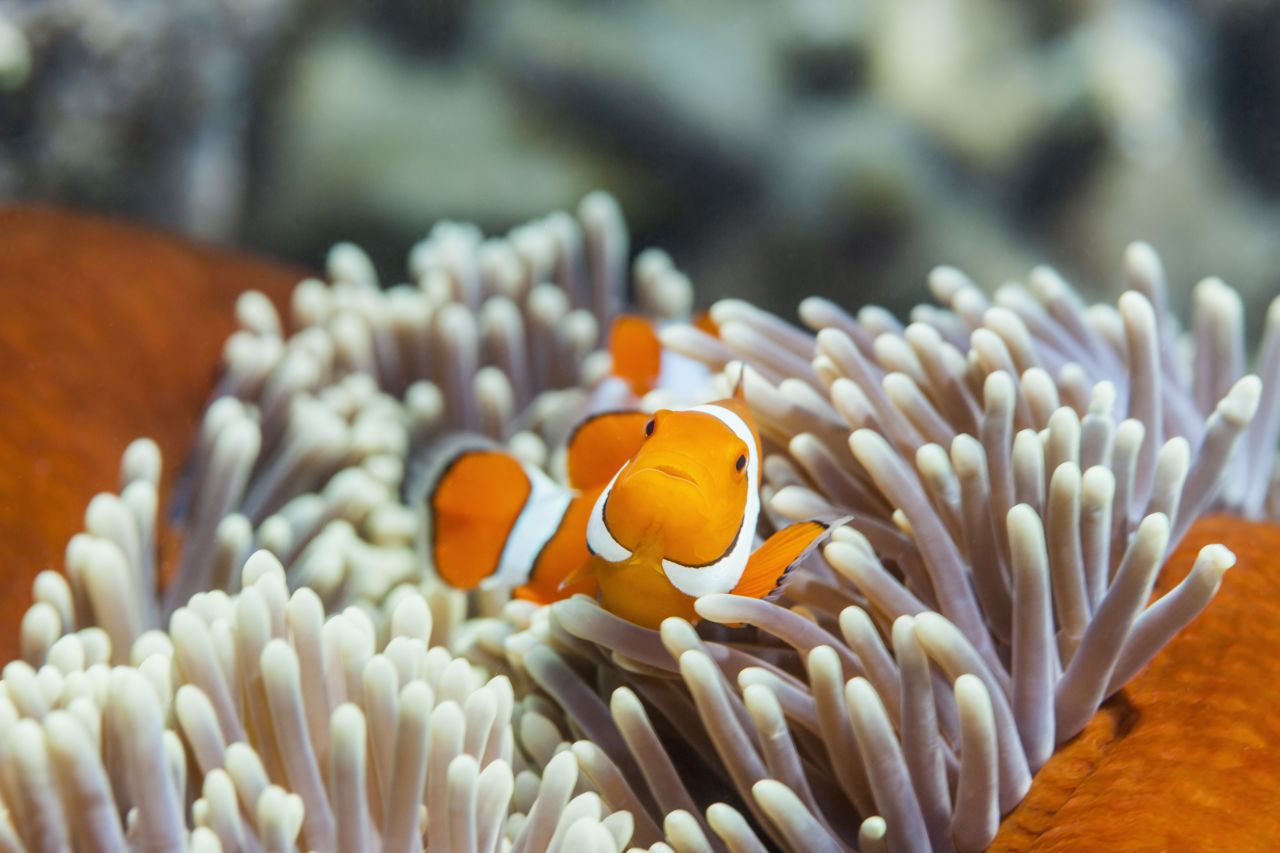
Credit: www.barrierreef.org
How Smart Pets Lover Can Help You with What Do Clownfish Eat
Exploring Clownfish Diets: A Learning Journey for Every Pet Parent
Understanding what clownfish eat opens a fantastic window into practical learning about aquatic pet care. By diving deeper into their nutritional needs and feeding habits in captivity, you gain more than just facts—you cultivate a genuine connection with these vibrant creatures. Observing their symbiotic relationship with sea anemones also highlights nature’s delicate balance, reminding us how diet and environment intertwine.
For those eager to expand their knowledge, try keeping a feeding journal to track how different foods affect your clownfish’s health and behavior. This hands-on approach reinforces concepts from the article about common foods and nutrition, turning theory into everyday practice. Such mindful care reflects the spirit of Smart Pets Lover, where every wag, purr, and chirp tells a story—and yes, even every bubble and fin flick.
If questions arise along your journey, connecting with fellow enthusiasts or experts can be invaluable. Feel free to reach out to Smart Pets Lover’s community support for trusted advice tailored to your aquatic friends. After all, informed and confident pet parenting makes all the difference in creating a happy, healthy home beneath the waves.
Frequently Asked Questions
What Is The Natural Diet Of Clownfish?
Clownfish naturally eat small zooplankton, algae, and tiny crustaceans. They also consume leftover food from their sea anemone hosts, making their diet diverse and balanced.
Can Clownfish Eat Flakes Or Pellets In Captivity?
Yes, clownfish can eat high-quality flakes or pellets designed for marine fish. Supplementing with frozen or live foods improves their nutrition and mimics their natural diet.
How Often Should Clownfish Be Fed Daily?
Feed clownfish small amounts two to three times daily. This frequency keeps them healthy and prevents overfeeding, which can pollute their tank water.
Do Clownfish Eat Sea Anemones?
No, clownfish do not eat their host sea anemones. Instead, they have a symbiotic relationship where clownfish gain protection, and anemones get cleaned.
Conclusion
Clownfish eat a mix of plants and small animals. They like algae, plankton, and tiny shrimp. Their diet keeps them healthy and active. Feeding them right helps them live longer in tanks. Remember to offer fresh, balanced food often. This keeps clownfish bright and full of energy.
Understanding their food needs helps you care for them well. Healthy clownfish make any aquarium more lively. Simple, regular feeding makes a big difference. Keep their diet varied for best results.