Water Lettuce
Have you ever seen a plant that floats effortlessly on water, adding a touch of green magic to your pond or aquarium? That’s water lettuce, a unique and beautiful aquatic plant that can transform your water space.
Whether you want to improve water quality, create a peaceful vibe, or add a natural filter, water lettuce might be the perfect choice for you. Keep reading to discover how this simple plant can make a big difference in your water garden or tank.

Credit: playitkoi.com
Water Lettuce Basics
Water lettuce is a popular aquatic plant known for its unique look and easy growth. It floats on water and adds beauty to ponds and aquariums. Many people like it for its green, soft leaves that look like a lettuce head.
This plant helps clean water by absorbing nutrients. It also provides shelter for small fish and insects. Understanding water lettuce basics helps in caring for it better.
Appearance And Growth
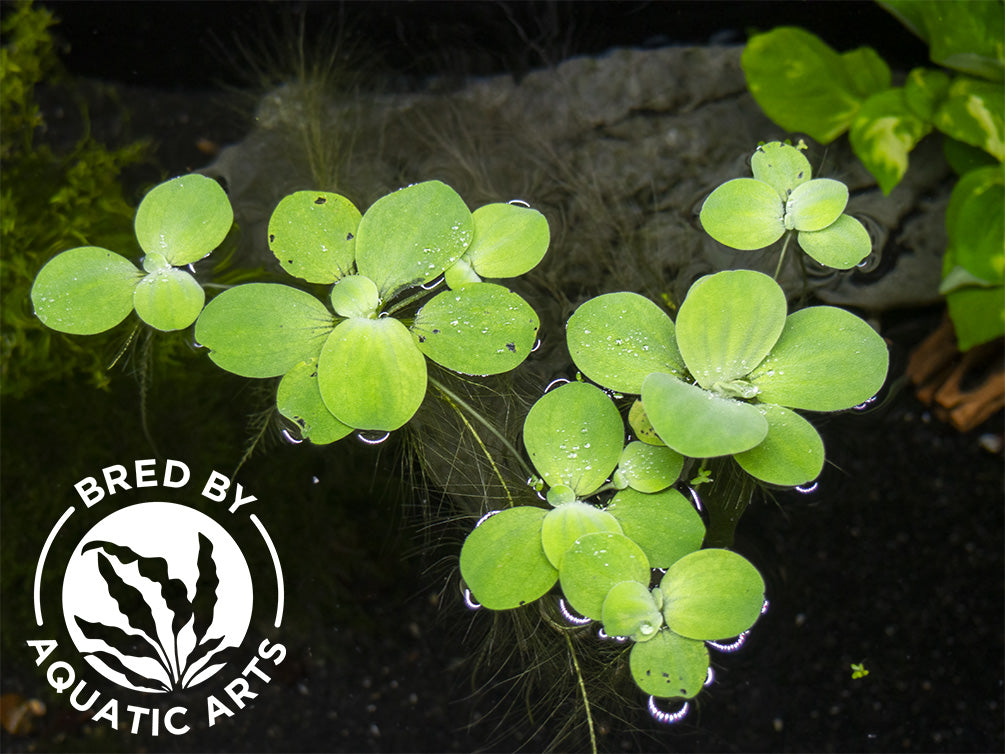
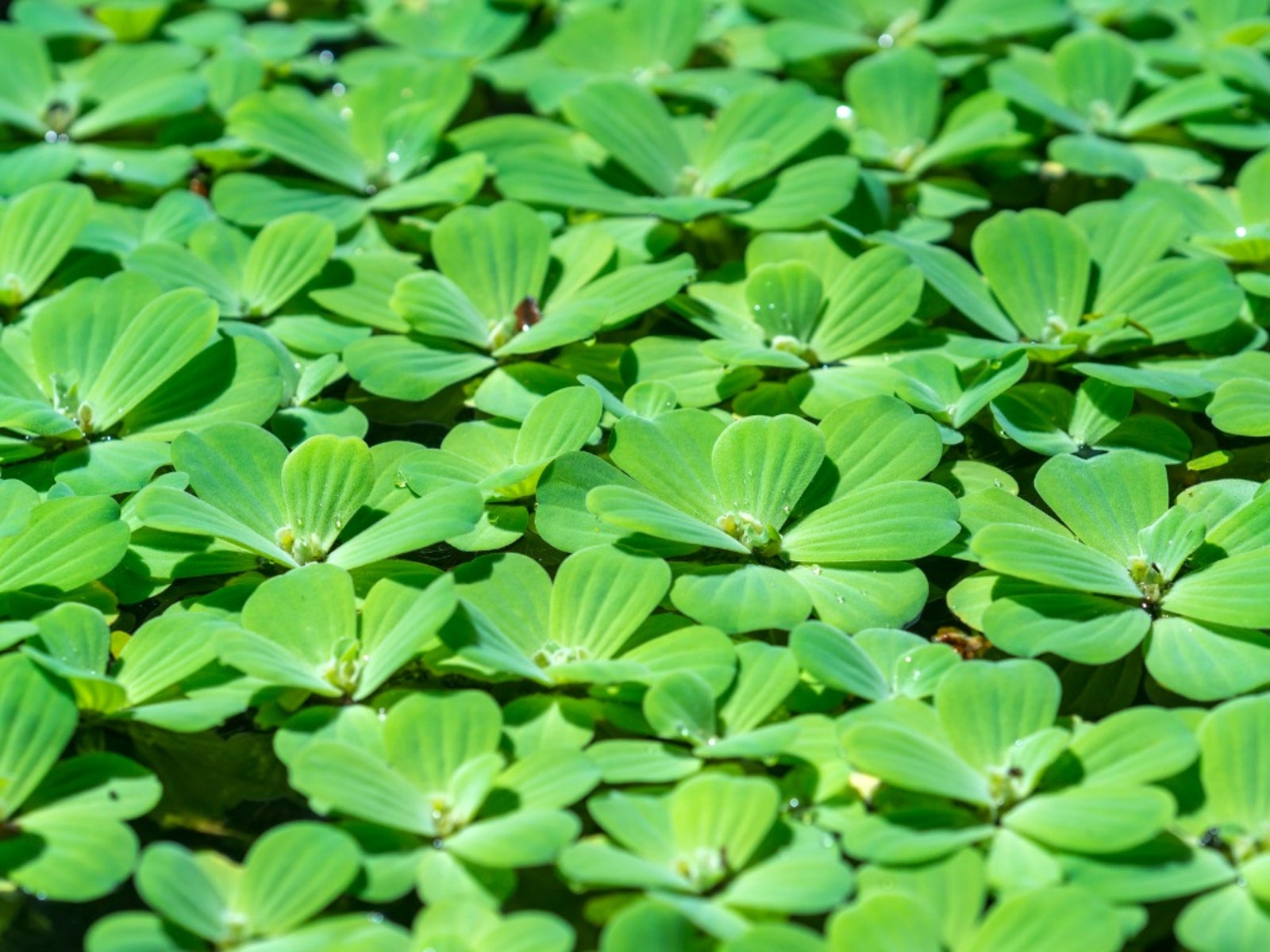
Water lettuce has thick, light green leaves covered with tiny hairs. These hairs help it float on water. The leaves form a rosette shape, similar to a head of lettuce. Roots hang down freely into the water.
The plant grows fast in warm weather. It spreads by producing small new plants called runners. These runners grow beside the main plant and help it cover water surfaces quickly.
Natural Habitat
Water lettuce naturally grows in tropical and subtropical regions. It prefers calm waters such as ponds, lakes, and slow rivers. The plant thrives in nutrient-rich water with plenty of sunlight.
It does not do well in cold or fast-moving water. Water lettuce often forms dense mats that float on water surfaces, creating shaded areas underneath.
Life Cycle
The life cycle of water lettuce starts with seed or runner growth. Small plants grow from runners or seeds and float on water. They grow leaves and roots to survive.
Water lettuce flowers are small and hidden under the leaves. After flowering, the plant produces seeds for new growth. The cycle repeats as new plants spread across the water.
Credit: aquaticarts.com
Cultivation Tips
Water Lettuce is a beautiful floating plant that thrives in water gardens and aquariums. Growing it well needs some care. This section shares simple tips to help your Water Lettuce grow healthy and strong.
Ideal Water Conditions
Water Lettuce grows best in clean, fresh water. The water should be still or slow-moving. Keep the pH level between 6.5 and 7.5 for best growth. Avoid water that is too hard or too soft. Change the water regularly to stop algae buildup and keep the plant healthy.
Light And Temperature Needs
Water Lettuce prefers bright, indirect sunlight. Too much direct sun can burn the leaves. It grows well in temperatures between 70°F and 85°F (21°C to 29°C). If the water gets colder than 60°F (15°C), growth slows down. Keep the plant in a warm spot for best results.
Propagation Methods
Water Lettuce spreads easily by producing small baby plants on its edges. You can separate these babies and place them in new water areas. Another way is to cut healthy leaves with roots and float them in water. These methods help you grow more plants quickly.
Benefits Of Water Lettuce
Water lettuce is more than just a floating plant. It offers many benefits to water environments and those who care for them. This plant plays a key role in keeping water clean and supporting life. It also adds beauty and balance to aquariums and ponds.
Understanding the benefits of water lettuce helps appreciate its value in nature and home water gardens.
Aquatic Ecosystem Support
Water lettuce provides shelter for small fish and insects. It creates a safe space for young aquatic creatures. The plant’s roots offer hiding spots from predators. It also helps control algae growth by blocking sunlight. This keeps the water balanced and healthy. Many animals depend on water lettuce for food and protection.
Water Purification
Water lettuce helps clean water naturally. Its roots absorb excess nutrients, like nitrogen and phosphorus. These nutrients often cause water pollution and algae blooms. Removing them keeps water clear and safe. The plant also reduces harmful toxins and heavy metals. This improves water quality for fish and plants. Water lettuce acts like a natural filter for ponds and lakes.
Uses In Aquariums And Ponds
Water lettuce is popular in aquariums and ponds. It helps control algae and keeps water clear. The plant adds shade, which lowers water temperature. Cooler water is better for many fish species. It also improves oxygen levels by supporting beneficial bacteria. Water lettuce creates a peaceful and natural look. It is easy to care for and grows quickly.
Managing Overgrowth
Water lettuce is a beautiful plant but grows very fast. Without control, it can take over ponds and lakes. Managing overgrowth helps keep water healthy. It also protects fish and other animals living in the water.
Controlling Spread
Control starts with stopping water lettuce from spreading. Avoid moving plants from one water body to another. Use barriers or nets to block its movement. Keep an eye on new growth areas. Early removal stops larger problems later.
Environmental Impact
Too much water lettuce blocks sunlight from reaching underwater plants. This lowers oxygen levels in the water. Fish and other animals may struggle to survive. Overgrowth also slows water flow and can cause flooding. Managing it protects the whole ecosystem.
Removal Techniques
Manual removal works well for small patches. Use rakes or nets to scoop plants out of the water. For bigger areas, machines can help clear the plants faster. Chemical treatments exist but use them carefully to avoid harming wildlife. Always follow local guidelines for safe removal.
Common Pests And Diseases
Water lettuce is a beautiful aquatic plant but can face problems from pests and diseases. These issues may harm the plant’s health and slow its growth. Knowing the common pests and diseases helps keep water lettuce healthy.
Some pests and diseases attack the leaves, stems, or roots. Early detection can prevent severe damage. Understanding symptoms is key to quick action.
Identifying Issues
Watch for holes or spots on leaves. Yellowing or wilting leaves often mean pests or disease. Small insects like aphids or spider mites may hide under leaves. Fungal infections cause white or gray patches. Root rot appears as brown, mushy roots. Check plants regularly for signs of trouble.
Prevention Strategies
Keep water clean and fresh. Avoid overcrowding plants to improve air flow. Remove dead leaves and debris from the water. Use natural predators like ladybugs to control pests. Quarantine new plants before adding them to your pond. Healthy plants resist diseases better.
Treatment Options
Wash plants gently to remove pests. Use insecticidal soap for small infestations. Apply fungicides carefully to treat fungal diseases. Cut off badly damaged leaves to stop spread. Change water regularly to reduce root rot risk. Repeat treatments may be needed for stubborn pests.
Credit: www.gardeningknowhow.com
How Smart Pets Lover Can Help You with Water Lettuce
Exploring Water Lettuce Through Hands-On Learning
Understanding water lettuce goes beyond just knowing its basics or cultivation tips. For pet parents and nature enthusiasts alike, diving into practical learning opportunities can deepen your connection with this fascinating aquatic plant. Observing how water lettuce thrives and managing its overgrowth can teach valuable lessons in balance and responsibility—qualities that resonate with caring for any pet or aquatic ecosystem.
- Track growth patterns and identify early signs of common pests or diseases, linking back to healthy pond management.
- Experiment with controlling its spread naturally, reinforcing a gentle yet effective approach to ecosystem care.
- Connect these experiences with your understanding of fish or amphibian habitats, enriching your overall pet care knowledge.
At Smart Pets Lover, we believe every hands-on moment brings you closer to nature’s rhythms—just like every wag, purr, and chirp tells a story. If you want to share your water lettuce journey or need guidance, reaching out to aquatic plant experts or local extension services can offer personalized support. Remember, nurturing these green companions is another way to nurture your love for all creatures.
Frequently Asked Questions
What Is Water Lettuce And Its Key Characteristics?
Water lettuce is a floating aquatic plant with rosette-shaped leaves. It has soft, velvety leaves and feathery roots. It thrives in warm, slow-moving water and helps improve water quality by absorbing nutrients.
How To Grow Water Lettuce Effectively?
Plant water lettuce in a pond or aquarium with calm, warm water. Provide full to partial sunlight and maintain water temperature between 70-85°F. Avoid overcrowding to ensure healthy growth and prevent decay.
What Are The Benefits Of Water Lettuce In Ponds?
Water lettuce provides shade, reduces algae growth, and improves water oxygen levels. It offers habitat for aquatic life and helps filter excess nutrients from water, promoting a balanced ecosystem.
Can Water Lettuce Become Invasive Or Harmful?
Yes, water lettuce can spread rapidly and clog waterways. It may outcompete native plants and reduce oxygen levels if uncontrolled. Regular maintenance is necessary to prevent invasive growth.
Conclusion
Water lettuce is a beautiful plant that helps keep water clean. It grows fast and provides shelter for fish and insects. Many people enjoy using it in ponds and aquariums. Keep in mind, it needs space to spread and care to stay healthy.
Watching this plant grow can be relaxing and fun. Try adding water lettuce to your water garden for a fresh, natural look. It brings life and balance to any water space. Simple and green—water lettuce is a great choice.