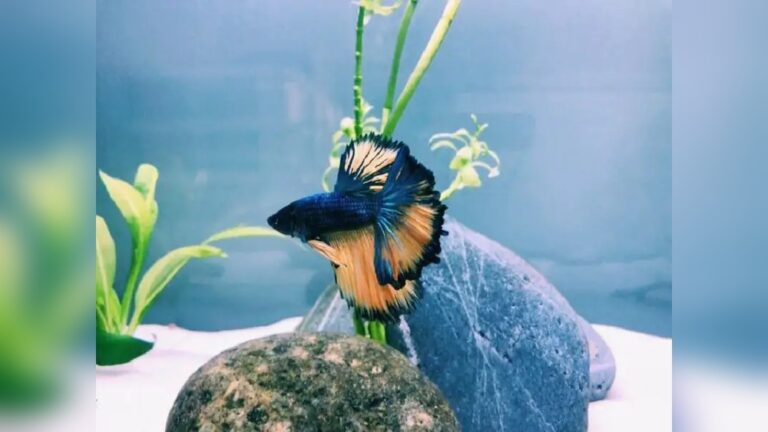
Veiltail Betta
If you’re thinking about adding a beautiful and fascinating fish to your home aquarium, the Veiltail Betta might be just what you need. With its flowing, elegant fins and vibrant colors, this fish can instantly brighten up any tank.
But there’s more to the Veiltail Betta than meets the eye. Understanding how to care for it properly will help you enjoy a healthy and lively pet for years to come. Keep reading, and you’ll discover everything you need to know to make your Veiltail Betta thrive.

Credit: aquaticmotiv.com
Veiltail Betta Traits
The Veiltail Betta is one of the most popular types of betta fish. Its unique features make it easy to recognize and loved by many fish keepers. Understanding its traits helps in caring for this beautiful fish better.
These traits include its fin shape, color variations, size, and lifespan. Each characteristic adds to the charm of the Veiltail Betta.
Distinctive Fin Shape
The Veiltail Betta has long, flowing fins that hang down like a veil. The dorsal and anal fins are large and rounded. The tail fin is wide and droops beautifully. This fin shape gives the fish an elegant and graceful look. It also moves slowly and smoothly in water.
Color Variations
Veiltail Bettas come in many colors. Common colors include red, blue, white, and black. Some have shiny, metallic scales that reflect light. Others display patterns like marbling or solid colors. This variety makes each fish unique and eye-catching.
Size And Lifespan
Veiltail Bettas usually grow to about 2.5 to 3 inches long. They are small but make a big impression with their fins. Their average lifespan is around 3 to 5 years. Proper care, clean water, and good food help them live longer and stay healthy.

Credit: aquaticmotiv.com
Habitat Needs
The Veiltail Betta needs a special home to stay happy and healthy. Its habitat must match its natural needs. Setting up the right tank helps the fish live longer and show off its colors. This section explains the tank size, water conditions, and decorations best for Veiltail Bettas.
Tank Size Recommendations
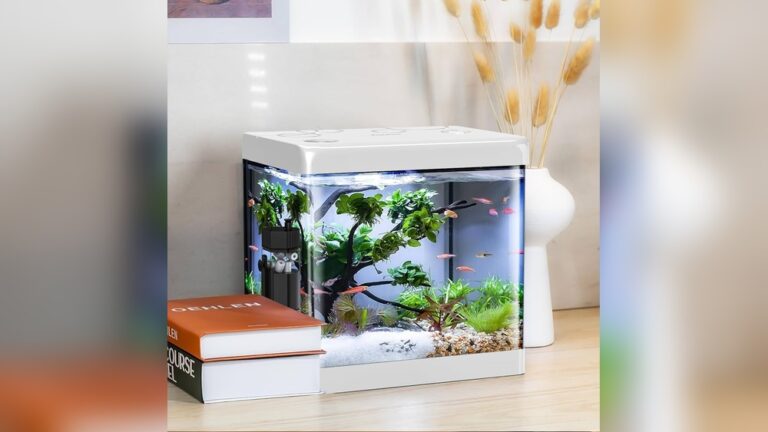
Veiltail Bettas need space to swim freely. A tank of at least 5 gallons is best. Bigger tanks keep the water cleaner for longer. Small tanks can stress the fish and cause health problems. A wider tank gives the fish room to explore and rest.
Water Parameters
Keep the water warm between 76°F and 82°F. Bettas like soft to slightly hard water. The pH should be near 6.5 to 7.5. Clean water is important. Use a gentle filter and do water changes often. Avoid strong currents that can tire the fish.
Suitable Plants And Decorations
Live plants make the tank feel natural and calm. Java fern, Anubias, and moss balls work well. Floating plants give hiding spots near the surface. Smooth decorations prevent fin tears. Avoid sharp or rough objects that can harm the delicate fins.
Feeding Veiltail Bettas
Feeding Veiltail Bettas is key to their health and vibrant colors. Proper nutrition helps them stay active and live longer. Their diet needs to be balanced and suitable for their unique needs.
Understanding what and how much to feed keeps your betta happy. It also prevents health problems caused by poor diet or overfeeding.
Ideal Diet
Veiltail Bettas thrive on protein-rich foods. High-quality betta pellets are a good base. Live or frozen foods like brine shrimp, bloodworms, and daphnia add variety. Avoid feeding only flakes or plant-based foods. These do not meet their nutritional needs.
Feeding Frequency
Feed your betta twice a day. Small amounts are better than one large meal. This helps digestion and energy levels. Remove uneaten food after five minutes to keep water clean. Skip feeding one day a week to improve digestion.
Avoiding Overfeeding
Overfeeding causes bloating and poor water quality. Feed only what your betta can eat in two minutes. Watch your fish for signs of overeating. Healthy bettas swim actively and have bright colors. Remove leftover food promptly to prevent waste buildup.
Behavior And Temperament
The Veiltail Betta is known for its unique behavior and temperament. This fish has a distinct personality that makes it interesting to watch. Understanding its behavior helps in creating a good environment for it. Veiltail Bettas show different moods and actions depending on their surroundings.
Knowing how they act can prevent problems in your aquarium. This fish can be calm but also very active at times. Observing their behavior helps in keeping them healthy and happy.
Aggression Levels
Veiltail Bettas are naturally aggressive, especially males. They often flare their fins to show dominance. This behavior is a way to warn other fish to stay away. Aggression can increase if the tank is too small or crowded. Keeping only one male per tank is best to avoid fights. Females can be less aggressive but still need space.
Interaction With Other Fish
Veiltail Bettas may not get along with all fish. They prefer peaceful tank mates that do not have long fins. Fast swimmers are better companions for them. Avoid keeping them with other aggressive or fin-nipping fish. Some fish can stress the Betta, causing health issues. Proper tank setup helps reduce conflicts.
Signs Of Stress
Veiltail Bettas show stress in clear ways. Loss of color or dull fins is common. They may hide more or stop eating. Gasping at the water surface can be a sign too. Stress can come from poor water quality or wrong tank mates. Watching for these signs helps you act fast and keep your fish well.
Health And Care
Caring for a Veiltail Betta means understanding its health needs. These fish are delicate. They need clean water and a balanced diet. Good care helps prevent sickness and keeps your betta lively. Watch your fish closely to catch any problems early. Healthy bettas show bright colors and active swimming.
Common Diseases
Veiltail Bettas can get several diseases. Ich is a common one. It looks like small white spots on the body. Fin rot causes ragged fins. Velvet disease makes the fish look dusty or gold. Swim bladder problems make swimming hard. Early signs include slow movement or loss of appetite.
Preventive Measures
Keep the tank clean to stop disease. Change 20% of the water each week. Use a water conditioner to remove harmful chemicals. Do not overcrowd the tank. Feed your betta a varied diet of pellets and frozen foods. Avoid sudden temperature changes. Quarantine new fish before adding them to the tank.
Regular Maintenance Tips
Test the water weekly for ammonia, nitrite, and nitrate. Keep the water temperature steady between 76-80°F (24-27°C). Clean the filter monthly without killing beneficial bacteria. Remove leftover food after feeding. Trim plants and check decorations for sharp edges. Observe your betta daily for any changes in behavior or appearance.

Credit: aquariumfishonline.com.au
Breeding Veiltail Bettas
Breeding Veiltail Bettas is a fascinating hobby for many fish keepers. These fish are known for their long, flowing fins and bright colors. Breeding them can be rewarding but needs care and patience. Understanding their behavior and needs helps ensure success.
Breeding Setup
Choose a small tank of about 5 to 10 gallons. Fill it with clean, warm water between 78 and 80 degrees Fahrenheit. Add a few plants and hiding spots. Keep the water calm and shallow, around 4 to 6 inches deep. Use a gentle sponge filter to avoid strong currents. Light is important but keep it soft. Prepare a breeding tank separate from the main aquarium.
Mating Behavior
Introduce the male and female carefully. Watch the male build a bubble nest on the water surface. The female shows interest by flaring fins and darkening colors. The male wraps his body around the female during spawning. He collects the eggs and places them in the bubble nest. Remove the female after spawning to avoid aggression. The male guards the nest and tends the eggs.
Raising Fry
The eggs hatch in about 24 to 36 hours. The fry stay in the nest for a few days. Feed them infusoria or liquid fry food at first. Slowly introduce baby brine shrimp after five days. Change water gently and keep it clean. Avoid strong light and rough water movement. The fry grow fast and develop fins in two weeks. Separate them by size to prevent bullying.
Veiltail Betta Varieties
The Veiltail Betta is a favorite among fish lovers because of its long, flowing fins and bright colors. This type of Betta shows many beautiful varieties. Each variety offers something unique for hobbyists and collectors. Understanding these types helps in choosing the right one for your aquarium.
Veiltail Bettas come in many color patterns and hybrid forms. These fish are also shaped by careful breeding to highlight their best traits. Let’s explore the different varieties of Veiltail Bettas you can find.
Popular Color Patterns
Veiltail Bettas display many color patterns. Solid colors like red, blue, and white are common. Bi-color patterns mix two strong colors on the body and fins. Marble patterns offer a random mix of colors that change over time. These patterns make each fish look special and lively.
Hybrid Types
Hybrid Veiltails result from crossing different Betta types. These hybrids combine traits like fin shape and color. The goal is to create new looks and improve health. Some hybrids have even longer fins or brighter colors. They attract attention for their unique appearance.
Selective Breeding
Selective breeding is key to Veiltail Betta varieties. Breeders choose fish with the best traits to mate. This process strengthens color vibrancy and fin shape. It also helps reduce health problems common in Bettas. Over time, selective breeding has created many beautiful Veiltail varieties.
How Smart Pets Lover Can Help You with Veiltail Betta
Learning from Your Veiltail Betta Experience
Welcoming a Veiltail Betta into your home opens up wonderful opportunities to deepen your understanding of fish behavior and care. Observing their unique temperament and vibrant fins not only brings joy but also teaches patience and attentiveness—key traits for any pet parent. By paying close attention to their habitat needs and feeding habits, you gain practical insights into maintaining a healthy aquatic environment.
- Experiment with tank setups that mimic their natural surroundings, enhancing both their comfort and your knowledge of aquatic ecosystems.
- Track their behavior patterns to better anticipate health issues or stress signals, reinforcing your skills in responsible pet ownership.
- Explore the variety within Veiltail Betta breeds, appreciating the subtle differences that can influence care routines.
At Smart Pets Lover, we believe every moment with your pet is a chance to learn and grow together. For further guidance or to share your experiences, feel free to reach out via [email protected]. Remember, nurturing your Veiltail Betta is not just about care—it’s about building a lasting bond that tells a beautiful story.
Frequently Asked Questions
What Distinguishes Veiltail Betta From Other Betta Types?
Veiltail Bettas have long, flowing, drooping fins that create a veil-like appearance. Their fins are larger and less rigid than other Betta types. This unique fin shape makes them highly popular among aquarium enthusiasts. They are known for their vibrant colors and graceful movements.
How Do You Care For A Veiltail Betta Fish?
Veiltail Bettas require a warm tank between 75-80°F with clean, filtered water. They need a balanced diet of pellets, flakes, and occasional live food. Regular water changes and a tank of at least 5 gallons help maintain their health and vibrant colors.
Can Veiltail Betta Fish Live With Other Fish?
Veiltail Bettas are territorial and often aggressive toward other males. They can coexist with peaceful, non-fin-nipping fish in a community tank. Avoid housing them with other Betta males or fish with long fins to prevent stress and fighting.
How Long Do Veiltail Bettas Typically Live?
With proper care, Veiltail Bettas live 3 to 5 years on average. Good water quality, a nutritious diet, and a stress-free environment improve their lifespan. Regular tank maintenance and monitoring health signs are essential for their longevity.
Conclusion
Veiltail Bettas bring beauty to any aquarium. Their long, flowing fins catch the eye easily. Caring for them is simple with basic tank needs. They enjoy calm water and regular feeding. Watching their gentle movements can be very relaxing. These fish make great pets for beginners and experts.
Remember to keep their water clean and stable. A healthy Veiltail Betta lives happily for years. Adding one to your tank creates a peaceful scene. Small effort, big joy.