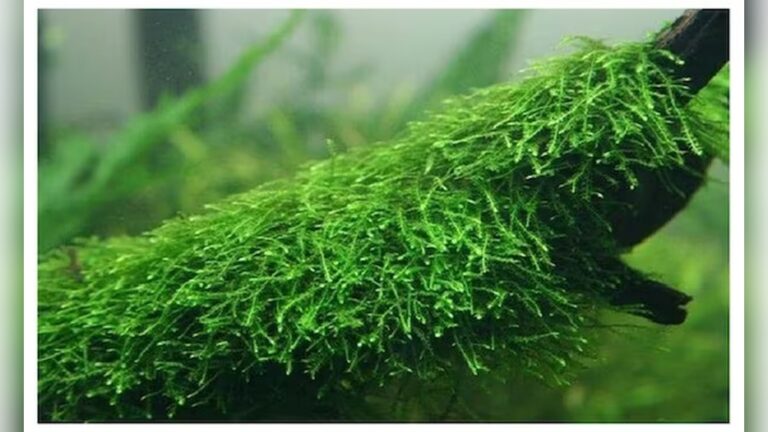
Vallisneria Spiralis
If you’re looking to add a touch of natural beauty and calm to your aquarium, Vallisneria Spiralis might be exactly what you need. This elegant aquatic plant not only looks stunning but also helps keep your tank healthy and balanced.
Imagine vibrant green ribbons gently swaying with the water flow, creating a peaceful underwater scene right in your own home. Want to know how Vallisneria Spiralis can transform your aquarium and why it’s a favorite among hobbyists? Keep reading to discover everything you need to make your tank thrive.
Plant Description
Vallisneria spiralis is a popular aquatic plant. It grows in freshwater aquariums and ponds. This plant is known for its long, ribbon-like leaves. It adds a natural look to any water garden or tank.
Its simple structure makes it easy to identify. Vallisneria spiralis thrives underwater and helps oxygenate the water. Understanding its features helps in proper care and maintenance.
Physical Characteristics
Vallisneria spiralis has long, slender leaves. The leaves can grow up to 3 feet in length. They are green and have a smooth texture. Each leaf grows in a spiral pattern from the base. The plant has a thin, flexible stem. It grows from a root system anchored in the soil. The roots are white and fibrous, helping the plant absorb nutrients.
Growth Patterns
This plant grows quickly in good conditions. It spreads through runners or horizontal stems. New plants sprout from these runners, forming dense groups. Vallisneria spiralis prefers moderate to high light levels. It can adapt to various water temperatures. Growth slows down in cooler water. The plant reaches the water surface and may produce small flowers. These flowers float on the water or rise slightly above it.

Credit: en.wikipedia.org
Natural Habitat
Vallisneria spiralis is a popular aquatic plant found in calm, freshwater environments. It grows in many natural water bodies. Understanding its natural habitat helps you care for it better in aquariums or ponds.
This plant thrives in slow-moving or still waters. It often forms dense underwater meadows that provide shelter for fish and other aquatic life.
Geographic Distribution
Vallisneria spiralis is native to Asia, Europe, and North Africa. It grows along riverbanks, lakes, and ponds. The plant adapts well to different climates, from temperate to tropical zones. Its wide distribution shows its strong ability to survive in varied regions.
Water Conditions
This plant prefers fresh, clean water with low to moderate flow. It thrives in temperatures between 18°C and 28°C (64°F to 82°F). Vallisneria spiralis grows best in slightly acidic to neutral water, with a pH of 6.5 to 7.5. It can tolerate low light but grows faster with moderate light. Soft to moderately hard water suits this plant well.
Aquarium Care
Vallisneria Spiralis is a popular choice for many aquariums. It adds a natural look with its long, ribbon-like leaves. Caring for this plant is simple, making it great for beginners and experts alike. Proper care helps it grow healthy and vibrant.
This section explains the key points for aquarium care. Follow these tips to keep Vallisneria Spiralis thriving in your tank.
Lighting Requirements
Vallisneria Spiralis prefers moderate lighting. Bright light helps it grow faster. Too little light causes slow growth and weak leaves. Use LED or fluorescent lights for best results. Keep the light on for 8 to 10 hours daily. Avoid direct sunlight to prevent algae growth.
Water Parameters
This plant grows well in a wide range of water conditions. Ideal temperature ranges from 68°F to 82°F (20°C to 28°C). Maintain pH between 6.5 and 8.0 for optimal growth. Keep water hardness between 4 and 15 dGH. Regular water changes keep the tank clean and the plant healthy.
Substrate And Planting Tips
Use fine gravel or sand as substrate. Vallisneria Spiralis roots spread easily in soft substrate. Plant the runners or young plants 1 to 2 inches deep. Space plants about 2 to 3 inches apart. Avoid burying the crown to prevent rotting. Fertilize the substrate for better growth.
Propagation Methods
Vallisneria spiralis is a popular aquatic plant found in many home aquariums. Propagation helps increase its numbers easily. There are two main ways to propagate this plant. Both methods are simple and effective for beginners. Understanding these methods ensures healthy growth and a fuller aquarium.
Runner Propagation
Vallisneria spiralis grows long runners from its base. These runners spread horizontally under the substrate. Small plantlets form along the runners. Each plantlet has roots and leaves. You can separate these plantlets from the main plant. Plant them in a new spot in the aquarium. The plantlets will grow into full plants over time. This method is fast and reliable. It also keeps the new plants healthy and strong.
Seed Propagation
Vallisneria spiralis can produce flowers and seeds in some conditions. Seeds form after pollination. Collect the seeds carefully once they mature. Plant the seeds in a fine substrate. Keep the water clean and stable. Seeds take longer to grow than runners. But this method allows genetic diversity. It is useful for those who want to breed new varieties. Seed propagation requires patience and care.
Benefits In Aquariums
Vallisneria Spiralis is a popular choice for many aquarium owners. It offers several benefits that help create a healthy and beautiful tank environment. This plant is easy to care for and supports the well-being of aquatic life.
Oxygenation
Vallisneria Spiralis produces oxygen through photosynthesis. This oxygen helps fish and other tank creatures breathe. It also keeps the water fresh and clean. A well-oxygenated tank reduces stress for fish and improves their health.
Algae Control
Vallisneria Spiralis competes with algae for nutrients in the water. This limits algae growth and keeps the tank clear. The plant also shades parts of the tank, reducing light that algae need to grow. A tank with less algae looks cleaner and healthier.
Aesthetic Appeal
Vallisneria Spiralis has long, ribbon-like leaves that move gently in water. This creates a natural and calming look. The plant adds a green, lush background that highlights fish colors. It fits well in many tank styles, making the aquarium more attractive.
Common Issues
Vallisneria spiralis is a hardy aquatic plant, but it faces some common problems. These issues can affect its growth and appearance. Knowing these problems helps keep your plant healthy and green.
Pests And Diseases
Vallisneria spiralis can attract pests like snails and algae. Snails may eat the leaves, leaving holes and damage. Algae can cover the plant, blocking light and slowing growth. Watch for slimy patches or spots on leaves. These signs show pests or disease problems. Clean the tank regularly to reduce pests. Remove algae with a gentle scrub or a scraper. Sometimes, pests come from new plants or fish added to the aquarium. Quarantine new additions to avoid spreading pests.
Nutrient Deficiencies
Vallisneria spiralis needs nutrients to grow well. Lack of nutrients causes yellow or brown leaves. Leaves may curl or look weak. Common missing nutrients include iron, potassium, and nitrogen. Use a good quality aquatic plant fertilizer. Add nutrients to the water or substrate as needed. Test water regularly to check nutrient levels. Healthy Vallisneria has firm, bright green leaves. Fix deficiencies early to avoid plant damage or death.
Compatibility With Other Species
Vallisneria spiralis blends well with many aquarium species. It creates a natural, calm environment for fish and plants. This plant’s compatibility makes it a favorite for beginners and experts alike. Its easy growth and care add to its appeal in community tanks.
Fish Compatibility
Vallisneria spiralis suits peaceful fish species. Small to medium-sized fish thrive among its long, ribbon-like leaves. Livebearers, tetras, and guppies find shelter in its dense growth. It also works well with bottom dwellers like Corydoras catfish. Avoid placing it with large, aggressive fish. They may damage or uproot the plant.
Plant Combinations
This plant pairs nicely with slow-growing species. Java fern, Anubias, and Cryptocoryne grow well alongside Vallisneria spiralis. These plants differ in shape and height, creating visual interest. Avoid fast-growing plants that may overshadow Vallisneria. It needs moderate light and space to spread. Together, these plants enhance the aquarium’s natural look.

Credit: floridaaquatic.com

Credit: aquaticmotiv.com
How Smart Pets Lover Can Help You with Vallisneria Spiralis
Learning Through Vallisneria Spiralis: A Hands-On Approach
Understanding Vallisneria Spiralis goes beyond just knowing its natural habitat or aquarium care—it’s a chance to deepen your connection with aquatic life through practical experience. Watching how this hardy plant thrives in your tank offers insight into propagation methods and how it benefits the overall ecosystem by providing shelter and oxygen for your fish friends.
When you encounter common issues like algae growth or nutrient imbalances, troubleshooting becomes a learning moment that strengthens your confidence as a pet parent. At Smart Pets Lover, we believe these small discoveries are what make every interaction with your aquarium meaningful, turning routine care into a rewarding journey.
- Observe Vallisneria’s growth patterns as a natural indicator of water quality.
- Experiment gently with propagation techniques to see what works best in your setup.
- Note how compatible fish species interact with the plant, enhancing your understanding of balanced aquarium environments.
If you ever need guidance or want to share your experiences, reaching out to community experts or visiting smartpetslover.com can connect you with fellow enthusiasts who value responsible, informed pet care as much as you do.
Frequently Asked Questions
What Is Vallisneria Spiralis Used For In Aquariums?
Vallisneria Spiralis is a popular aquatic plant used to enhance aquarium aesthetics. It provides oxygen, shelter, and natural filtration for fish. Its long, ribbon-like leaves create a lush, green backdrop, improving the tank’s overall health and appearance.
How Fast Does Vallisneria Spiralis Grow?
Vallisneria Spiralis grows moderately fast under optimal conditions. It can grow several inches per week with proper lighting and nutrients. Regular trimming helps maintain its shape and prevents overcrowding in the aquarium.
What Are The Ideal Water Conditions For Vallisneria Spiralis?
Vallisneria Spiralis thrives in freshwater with temperatures between 68-82°F (20-28°C). It prefers a pH range of 6. 5 to 8. 0 and moderate to high lighting. Clean, nutrient-rich water promotes healthy growth and vibrant green leaves.
How To Propagate Vallisneria Spiralis Effectively?
Propagation occurs through runners or stolons that develop new plantlets. Simply separate these young plants from the parent and replant them. This method is easy and ensures healthy, fast-growing Vallisneria Spiralis in your aquarium.
Conclusion
Vallisneria Spiralis adds beauty and life to any aquarium. It grows fast and helps keep water clean. This plant suits beginners and experts alike. It provides shelter for fish and small creatures. Caring for Vallisneria is simple and rewarding. Give your tank a natural, green touch today.
Watch how it changes your underwater world. A small plant with big benefits. Try Vallisneria Spiralis for a fresh, healthy tank.