Types Of Killifish
Are you curious about adding a splash of color and life to your aquarium? Killifish might be just what you need.
These small, vibrant fish come in many different types, each with its own unique charm and care needs. Understanding the types of killifish can help you choose the perfect ones for your tank and keep them happy and healthy. Keep reading to discover the fascinating variety of killifish and find out which types suit your style and skill level best.
Your next favorite fish could be waiting right here!
Annual Killifish
Annual Killifish are a unique group of fish known for their short, fascinating life cycles. They live in temporary water bodies that dry out seasonally. These fish have adapted to survive extreme changes in their environment.
Their entire life—from hatching to laying eggs—takes place in a few months. After the water dries, the adult fish die. Their eggs remain in the dry soil, waiting for rain to hatch. This cycle repeats every year, giving them their name.
Habitat And Lifecycle
Annual Killifish live in pools, ponds, and seasonal wetlands. These places fill with water during rainy seasons. When water dries up, adults die, but eggs stay safe in mud. The eggs can survive dry periods for months. Once rain returns, eggs hatch, and the cycle starts again. This fast lifecycle helps them survive in tough environments.
Popular Species
Some popular Annual Killifish include Nothobranchius furzeri, Fundulopanchax gardneri, and Austrofundulus limnaeus. Nothobranchius furzeri is famous for its short lifespan. Fundulopanchax gardneri is admired for its bright colors. Austrofundulus limnaeus is known for its ability to survive extreme conditions. These species are common in fish tanks and research studies.
Care Requirements
Annual Killifish need specific care to thrive. They require soft, slightly acidic water. A temperature between 72°F and 79°F suits them best. Their tank should have plants and hiding spots. Regular water changes keep the environment clean. Feeding them live or frozen food works well. They prefer small meals several times a day. Breeding requires special attention to egg incubation. Drying the eggs on peat moss helps mimic natural conditions.

Credit: www.youtube.com
Non-annual Killifish
Non-annual killifish live longer than annual types. They do not rely on dry seasons to complete their life cycle. These fish can live several years if cared for properly. Their slow growth and longer lifespan make them popular among aquarium hobbyists. They offer a unique experience compared to the short-lived annual killifish.
Natural Environment
Non-annual killifish come from stable water bodies. They live in streams, ponds, and swamps with constant water. These areas have plants, roots, and leaf litter. The water often has soft acidity and low hardness. Temperatures usually stay between 22 to 28 degrees Celsius. Their natural habitat supports steady food supply and hiding spots.
Common Varieties
Popular non-annual killifish include the Clown Killifish and Blue Gularis. The Clown Killifish is small and colorful. It shows bright patterns and easy behavior. The Blue Gularis is larger and more aggressive. It has striking blue and black colors. Other common species are the Golden Panchax and Lyretail Panchax. Each variety has unique colors and care needs.
Tank Setup Tips
Use a tank with at least 10 gallons for non-annual killifish. Provide plenty of plants and hiding places. Soft, slightly acidic water suits them best. Keep water temperature stable between 22 and 26 degrees Celsius. Use a gentle filter to avoid strong currents. Feed a mix of live, frozen, and flake food. Regular water changes keep the tank clean and healthy. Avoid keeping them with very aggressive fish.
Dwarf Killifish
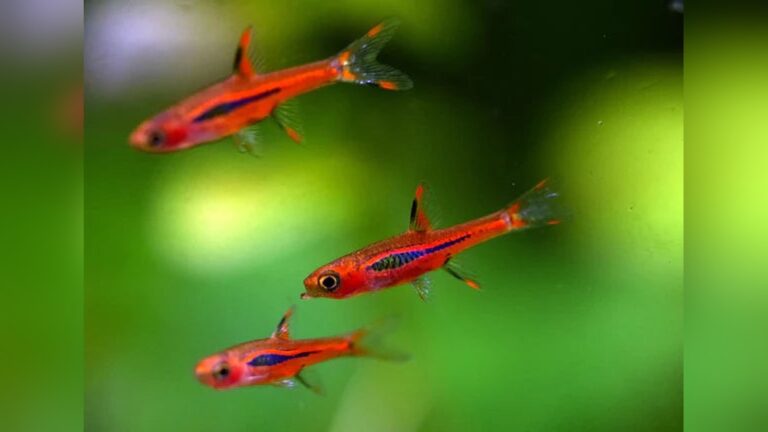
Dwarf killifish are small, colorful fish found in fresh and brackish waters. They belong to various species within the killifish family. Their tiny size and bright colors make them popular for home aquariums. These fish are peaceful and easy to care for.
Many hobbyists enjoy dwarf killifish for their interesting behaviors and variety. They come from different parts of the world, including Africa and South America. Their adaptability to small tanks and quick breeding adds to their charm.
Size And Appearance
Dwarf killifish usually grow between 1 and 2 inches long. Their small size allows them to live comfortably in nano aquariums. They display vibrant colors like blue, red, yellow, and green. Some have unique patterns such as spots or stripes. Their slender bodies and rounded fins add to their delicate look.
Behavioral Traits
These fish are calm and shy but active during the day. They prefer to swim near the tank’s surface or middle area. Dwarf killifish often hide among plants or decorations. They do well with other small, peaceful fish. Their quick movements and curious nature make them fun to watch.
Breeding Practices
Dwarf killifish breed easily in captivity. They lay eggs on plant leaves or spawning mops. The eggs need gentle care and stable water conditions. Adults may eat their eggs, so separating them is common. Fry grow fast and need small live food to thrive. Breeding these fish helps maintain their vibrant colors and health.

Credit: aquadiction.world
Nothobranchius Killifish
Nothobranchius killifish are small, colorful fish found in Africa. They live in temporary pools that dry up each year. Their life cycle is very fast, adapting to harsh environments. These fish are popular among aquarium hobbyists for their bright colors and unique habits.
Unique Adaptations
Nothobranchius killifish have a short life span. They grow quickly and reproduce before pools dry. Their eggs can survive dry seasons buried in mud. This adaptation helps their species survive tough conditions. They hatch only when water returns to their habitat.
Species Highlights
Many species exist within the Nothobranchius group. Nothobranchius furzeri is the fastest-growing fish known. Nothobranchius rachovii has bright orange and blue colors. Each species shows different patterns and hues. These fish are small, usually 1.5 to 2 inches long.
Aquarium Care
Provide a tank with clean, soft water. Temperature should stay between 72 and 78 degrees Fahrenheit. Use a gentle filter to avoid strong currents. Feed them small live or frozen foods. Regular water changes keep the tank healthy. These fish prefer a planted tank with hiding spots.
Aphyosemion Killifish
Aphyosemion killifish are small, colorful fish popular in aquariums. These fish come from Africa, mostly found in slow-moving streams and ponds. They attract hobbyists with their bright colors and active behavior. Their size makes them ideal for smaller tanks. They add life and color to any freshwater setup.
Distinct Features
Aphyosemion killifish have slender bodies and vibrant patterns. Males display bright reds, blues, and yellows. Females are smaller and less colorful. Their fins are often long and flowing. These fish prefer soft, slightly acidic water. They thrive in well-planted tanks with hiding spots. Their lifespan is about 2 to 3 years.
Popular Choices
Several species of Aphyosemion are favorites among fish keepers. Aphyosemion australe is known for its deep orange and blue colors. Aphyosemion gardneri shows bright blue and red markings. Aphyosemion striatum offers striking red stripes. Each species has unique patterns but similar care needs. Beginners often start with Aphyosemion australe due to its hardiness.
Feeding And Maintenance
Aphyosemion killifish enjoy live or frozen foods. Bloodworms, brine shrimp, and daphnia are good choices. They also accept high-quality flake or pellet food. Feed small amounts twice daily to avoid overfeeding. Keep the tank clean with regular water changes. Use gentle filtration to avoid stressing the fish. These fish prefer dim lighting and plenty of plants.

Credit: aquadiction.world
How Smart Pets Lover Can Help You with Types Of Killifish
Exploring Killifish Types Through Hands-On Learning
Understanding the fascinating world of killifish—whether it’s the vibrant Annual Killifish or the charming Non-Annual Killifish—opens up wonderful opportunities for practical learning. Caring for species like Aphyosemion Killifish encourages observation of unique breeding cycles and habitat preferences, which can deepen your appreciation for aquatic life’s diversity.
For pet parents eager to connect more deeply with their fish, maintaining a small, well-planned tank setup offers insights into water chemistry, ecosystem balance, and species-specific needs. This hands-on experience aligns perfectly with the mission to feel informed and confident as a pet caretaker. It’s a rewarding way to witness firsthand how these little swimmers thrive, adapt, and tell their own story.
If you’re curious to learn more or need guidance tailored to your killifish type, reaching out to knowledgeable communities or resources like Smart Pets Lover can provide thoughtful advice and support. Remember, every splash and flicker is a chance to bond and grow alongside your aquatic companion.
Frequently Asked Questions
What Are The Most Popular Types Of Killifish?
Popular killifish types include Nothobranchius, Aphyosemion, Fundulopanchax, and Rivulus. Each type varies in color, size, and habitat preferences. These species are favored by aquarium hobbyists for their vibrant colors and unique breeding behaviors.
How Do Annual And Non-annual Killifish Differ?
Annual killifish live in temporary water bodies and lay drought-resistant eggs. Non-annual killifish inhabit permanent waters and have longer lifespans. This distinction affects their care, breeding, and environmental needs in aquariums.
Which Killifish Types Are Best For Beginners?
Aphyosemion and Nothobranchius species are beginner-friendly killifish. They adapt well to aquarium life and have striking colors. These types require moderate care and are ideal for hobbyists new to killifish keeping.
Can Killifish Coexist With Other Fish Species?
Many killifish can live peacefully with small, non-aggressive fish. However, some species show territorial behavior. It’s essential to research compatibility before mixing killifish with other aquarium fish to ensure harmony.
Conclusion
Killifish come in many shapes and colors. Each type has its own unique traits. They live in different waters worldwide. Some live only a few months. Others can live several years. They make great pets for small tanks. Learning about their types helps you choose well.
Enjoy exploring these fascinating little fish. Their beauty and variety add life to any aquarium. Keep their needs in mind for healthy fish. A simple care routine keeps them happy. Killifish offer fun and color to fish lovers everywhere.