Turtle Tank
Are you thinking about setting up a turtle tank? Whether you’re a beginner or have some experience, creating the perfect home for your turtle can feel tricky.
You want your turtle to be happy, healthy, and active, but where do you start? This guide will help you understand exactly what your turtle needs—from the right tank size to the best lighting and water setup. Keep reading, and you’ll discover simple tips that make caring for your turtle easier and more rewarding than you ever imagined.
Your turtle’s new home is just a few steps away!
:strip_icc()/keeping-water-in-your-turtle-tank-clean-1238362_v3-5be49beb46e0fb0051172bab.png)
Credit: www.thesprucepets.com
Turtle Tank Basics
Setting up a turtle tank is simple with the right basics. Turtles need a safe, clean, and comfortable home. Understanding their needs helps you keep them healthy and happy.
Choosing the right tank and equipment is important for their growth. Let’s explore the key points for a good turtle tank setup.
Choosing The Right Turtle Species
Pick a turtle species that fits your space and care ability. Some turtles grow large and need more room. Others stay small and are easier to care for. Research their diet, behavior, and lifespan. This helps avoid surprises later.
Tank Size And Dimensions
A turtle needs enough space to swim and walk. A tank should be at least 10 gallons for every inch of the turtle’s shell. Bigger tanks give turtles room to move and stay active. The tank must have both water and dry areas.
Essential Equipment
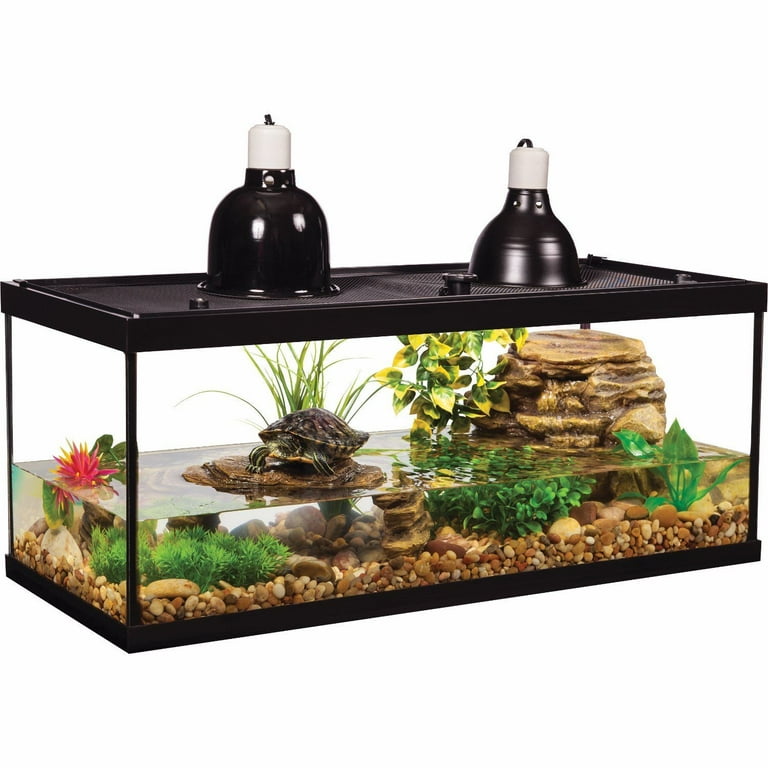
Good equipment keeps turtles safe and healthy. Use a water filter to keep water clean. A heat lamp helps turtles stay warm. UVB lighting is important for their shell and bone health. Add a basking spot where turtles can dry off. Regular cleaning tools keep the tank fresh.
Setting Up The Tank
Setting up a tank for your turtle is the first step to a happy pet. A good tank setup keeps turtles safe and healthy. It also makes your tank look nice and natural. Focus on three key parts: substrate, water filtration, and lighting with heating. These parts create the right home for your turtle.
Substrate Options
Substrate is the material at the tank’s bottom. It helps turtles walk and dig. Choose smooth gravel or sand. Avoid sharp or small pieces that turtles can eat. Bare bottom tanks are easy to clean but less natural. Pick substrate based on your turtle’s type and size.
Water Filtration Systems
Clean water is very important for turtles. Use a strong filter made for turtle tanks. Turtles produce more waste than fish. Filters remove dirt and keep water fresh. Change or clean the filter often. This stops bad smells and water sickness.
Lighting And Heating
Turtles need light and warmth to stay healthy. Use UVB lights to help their shell grow strong. Heat lamps keep the tank warm. Set a basking spot with a temperature of 85-90°F. Keep the water temperature between 75-80°F. Use a thermometer to check heat regularly.
Water Quality And Maintenance
Maintaining clean water is crucial for a healthy turtle tank. Poor water quality can harm your turtle’s health and cause diseases. Regular care helps keep the water fresh and safe. It also reduces bad smells and keeps your tank clear. Understanding water quality and maintenance is key to a happy turtle.
Monitoring Water Parameters
Check water temperature often. Turtles need warm water, usually between 75°F and 85°F. Test pH levels regularly. Aim for a pH between 6.5 and 7.5. Ammonia, nitrite, and nitrate levels must stay low. Use a water test kit to measure these. Good water parameters prevent stress and illness in turtles.
Regular Cleaning Tips
Clean the tank weekly to keep it healthy. Remove leftover food and turtle waste daily. Change 25% of the water every week. Use a siphon to clean the tank bottom. Clean filters monthly, but do not remove all bacteria. These steps keep the water clean and safe for turtles.
Handling Algae Growth
Algae can build up quickly in turtle tanks. Scrub tank walls gently to remove algae. Use an algae scraper or soft sponge. Control light exposure to reduce algae growth. Avoid direct sunlight on the tank. Adding live plants can help compete with algae. Keep algae under control to keep the tank clean and clear.
Feeding Your Turtle
Feeding your turtle properly is key to its health and happiness. Different turtles need different foods and care. Knowing what to feed and how often helps your turtle grow strong. A good diet supports their shell, energy, and overall well-being.
Understanding your turtle’s feeding needs makes tank care easier. Let’s explore the details for feeding your turtle well.
Dietary Needs By Species
Each turtle species has unique dietary needs. Aquatic turtles like red-eared sliders eat mostly protein. They enjoy insects, small fish, and turtle pellets. Land turtles, such as box turtles, eat more plants. They need leafy greens, fruits, and vegetables. Some turtles need a mix of both animal and plant foods. Research your turtle’s species to provide the right diet.
Feeding Schedule
Young turtles need feeding every day. They grow fast and burn energy quickly. Adult turtles eat less often, about two to three times a week. Offer smaller portions to avoid overfeeding. Remove leftover food to keep the tank clean. Consistent feeding times help turtles feel secure.
Supplements And Treats
Calcium is vital for strong shells and bones. Use calcium powder on food twice a week. Vitamin supplements may help if diet lacks variety. Treats like earthworms or berries can be given occasionally. Avoid too many treats to keep turtles healthy. Always provide fresh, clean water for drinking and swimming.
Health And Behavior
Turtles need good care to stay healthy and happy. Their health and behavior show how well they live in their tank. Watching your turtle closely helps catch problems early. Healthy turtles are active and eat well. They also show natural behaviors that indicate comfort.
Common Health Issues
Turtles may face shell infections or respiratory problems. Poor water quality often causes these issues. Lack of proper diet can lead to vitamin deficiencies. Watch for swollen eyes or a soft shell. These signs need quick attention to avoid serious harm.
Signs Of Stress
Stress in turtles shows through changes in behavior. A stressed turtle hides more or stops eating. It may pace or try to escape the tank. Cloudy eyes or excessive hiding are red flags. Stress weakens the immune system and invites illness.
Encouraging Natural Behaviors
Providing a proper habitat helps turtles act naturally. Add basking spots for sunbathing and dry rest. Include plants and hiding places for security. Offer a varied diet that mimics their wild food. These steps keep turtles active and reduce stress.
Tank Decor And Enrichment
Decor and enrichment create a healthy, happy turtle tank. These elements keep turtles active and stress-free. They also make the tank look natural and inviting. Simple additions boost your turtle’s life quality. They offer places to rest, explore, and hide.
Basking Areas
Turtles need dry spots to warm up. Basking areas help regulate their body temperature. Use flat rocks or platforms above water level. Place near a heat lamp for warmth. Ensure easy access so turtles climb safely. Proper basking prevents shell problems and illness.
Plants And Hiding Spots
Live or fake plants add beauty and shelter. Plants create shade and lower water stress. Use sturdy plants that turtles won’t eat fast. Add caves or tunnels for hiding. Hiding spots reduce anxiety and encourage natural behavior. This gives your turtle a safe retreat.
Interactive Toys
Toys stimulate turtles’ minds and bodies. Floating balls and chew toys keep them busy. Use items that are safe and non-toxic. Change toys regularly to maintain interest. Interactive toys prevent boredom and improve activity. Happy turtles are healthy turtles.
Breeding In Captivity
Breeding turtles in captivity can be rewarding and educational. It helps maintain healthy turtle populations and gives insight into their life cycle. Breeding needs careful attention to the turtle’s environment and behavior.
Creating the right conditions supports successful mating and healthy offspring. Understanding each step makes the process smoother and more enjoyable.
Preparing The Tank
Set up a spacious tank with clean water and a dry basking area. Use a water heater to keep temperature stable between 75-85°F. Provide hiding spots with plants or decorations. Use a good filter to keep the water clean. Add a sandy or soft soil area for nesting. Lighting should mimic natural day and night cycles.
Egg Laying And Incubation
Female turtles need a quiet, warm place to lay eggs. Provide a soft, moist nest area near the water’s edge. Watch for signs like digging or restlessness. After laying, carefully remove eggs and place them in an incubator. Keep incubator temperature steady, usually around 82-86°F. Maintain humidity near 80% to prevent eggs from drying out. Incubation lasts 60-90 days depending on species.
Caring For Hatchlings
Hatchlings require shallow, warm water and places to hide. Feed small, nutritious food like insects and soft vegetables. Change water often to keep it clean. Keep hatchlings separate from adults to avoid stress or injury. Monitor their growth and health daily. Provide gentle care to help them grow strong and healthy.
Credit: www.walmart.com

Credit: www.terratlantis.com
How Smart Pets Lover Can Help You with Turtle Tank
Learning Through Your Turtle Tank Experience
Setting up and caring for a turtle tank offers more than just a cozy home for your shelled friend—it’s a hands-on lesson in responsibility and biology. As you master water quality and maintenance, you’re naturally tuning into the delicate balance that keeps aquatic life thriving. Observing your turtle’s behavior and health encourages patience and attentiveness, skills valuable for any pet parent.
- Understanding tank decor and enrichment provides insight into creating stimulating environments that promote natural behaviors.
- Delving into breeding in captivity opens doors to learning about reproduction and genetics in a tangible way.
At Smart Pets Lover, we believe every pet journey is a story waiting to unfold—where knowledge empowers connection. If questions arise while nurturing your turtle, reaching out to local herpetology groups or aquatic specialists can offer trusted guidance. Embracing this learning curve not only enriches your turtle’s life but deepens your own appreciation for the remarkable world beneath the water’s surface.
Frequently Asked Questions
What Size Tank Is Ideal For A Pet Turtle?
A 40-gallon tank suits most turtles, providing ample swimming space. Larger turtles need bigger tanks for comfort and health.
How Often Should I Clean My Turtle Tank?
Clean your turtle tank weekly to prevent harmful bacteria. Regular water changes and filter checks keep turtles healthy.
What Type Of Water Is Best For Turtle Tanks?
Use dechlorinated tap water or filtered water to protect turtles. Avoid untreated water to prevent illness and stress.
Do Turtles Need A Basking Area In Their Tank?
Yes, turtles require a dry basking spot with heat and UV light. This helps regulate their body temperature and health.
Conclusion
A turtle tank offers a safe and comfortable home for your pet. It helps keep turtles healthy and happy. Clean water and proper lighting are key. Adding plants and hiding spots makes the tank feel natural. Regular care keeps turtles active and calm.
Enjoy watching your turtle explore its new space. A well-set tank makes pet care easier and more fun. Start with simple steps and learn as you go. Your turtle will thrive in a loving, well-maintained tank.