Tropical Vs Freshwater Fishkeeping
Are you torn between setting up a tropical or freshwater fish tank? Choosing the right type of fishkeeping can make all the difference in your experience and enjoyment.
Whether you want vibrant colors or easy maintenance, understanding the key differences will help you create the perfect underwater world. Keep reading to discover which option suits your style and how to care for your finned friends like a pro.
Your ideal aquarium is closer than you think!
Tropical Fish Basics
Tropical fishkeeping is a popular hobby for many aquarium lovers. These fish live in warm water. Their colors are bright and beautiful. They come from lakes, rivers, and coral reefs in tropical areas. Keeping tropical fish needs some knowledge about their needs. This helps them stay healthy and happy in your tank.
Understanding the basics of tropical fish care is important. It means knowing which fish to choose, how to set up the tank, and the best water conditions. This guide explains these key points simply and clearly.
Popular Tropical Species
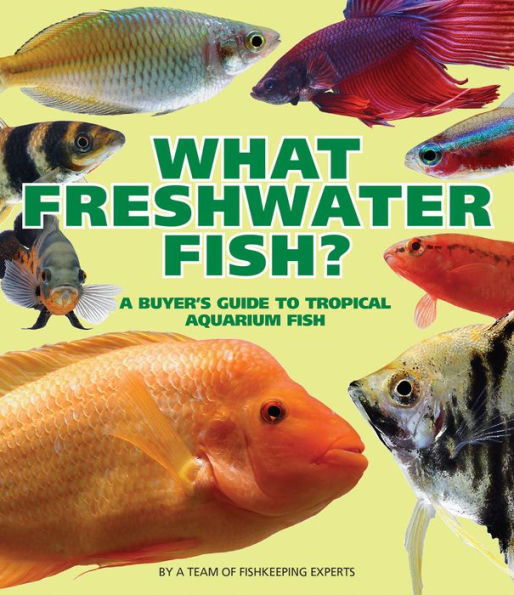
Many tropical fish are easy to find and care for. Some popular types are guppies, neon tetras, and angelfish. Guppies are small and colorful. Neon tetras have bright blue and red stripes. Angelfish are larger and have a unique shape. These fish add life and color to any aquarium.
Other well-liked tropical fish include bettas, mollies, and platies. Bettas are known for their long, flowing fins. Mollies and platies come in many colors and are very active. Choosing fish that suit your tank size and care ability is important.
Ideal Water Conditions
Tropical fish need warm water to thrive. The best temperature is usually between 75 and 80 degrees Fahrenheit. The water should be clean and clear. Regular water changes keep the tank healthy.
pH levels should be neutral to slightly acidic, around 6.5 to 7.5. Hardness varies by species, but many tropical fish prefer soft to medium water hardness. Testing water with a kit helps you maintain these conditions easily.
Tank Setup Essentials
A good tank setup is key for tropical fish health. Use a filter to keep water clean and oxygen-rich. A heater maintains the right temperature all year.
Decorations like plants and rocks provide hiding spots and reduce stress. Choose live or artificial plants that suit your fish. Lighting should mimic natural day and night cycles. A proper tank size depends on the number and size of fish.

Credit: www.amazon.com
Freshwater Fish Essentials
Freshwater fishkeeping offers a rewarding and accessible hobby. It suits beginners and experts alike. These fish live in rivers, lakes, and ponds. They adapt well to home aquariums. Understanding their needs helps keep them healthy and happy. Let’s explore essential aspects of freshwater fish care.
Common Freshwater Species
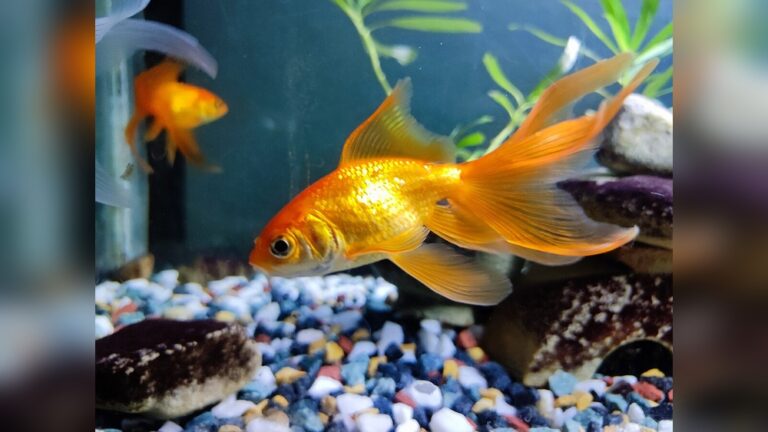
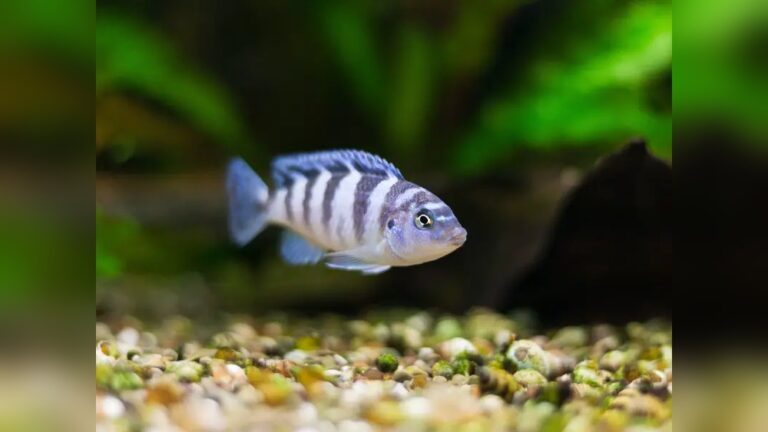
Some popular freshwater fish include guppies, tetras, and bettas. Goldfish and cichlids are also common. Each species has unique traits and care needs. Guppies are colorful and easy to care for. Bettas are known for their vivid fins and aggressive nature. Choosing species depends on tank size and experience level.
Water Parameters
Freshwater fish need clean, stable water conditions. The ideal temperature ranges from 72 to 78°F. pH levels should stay between 6.5 and 7.5 for most species. Regular water testing is important. Ammonia, nitrite, and nitrate levels must remain low. Frequent water changes help maintain water quality.
Tank Environment
A suitable tank environment mimics natural habitats. Use gravel or sand as substrate. Add plants, rocks, and hiding spots for comfort. Proper lighting supports plant growth and fish activity. Avoid overcrowding the tank. Good filtration and aeration keep water oxygen-rich and clean.
Temperature Differences
Temperature plays a key role in fishkeeping. It affects fish health, behavior, and survival. Tropical and freshwater fish have different temperature needs. Understanding these differences helps create a safe and comfortable home for your fish.
Tropical Warmth Needs
Tropical fish need warm water to thrive. Their ideal temperature ranges from 75°F to 80°F. This warmth mimics their natural habitats like rainforests and warm rivers. Consistent temperature prevents stress and illness in tropical fish. A heater is often necessary to keep the water warm. Sudden drops in temperature can harm tropical fish quickly.
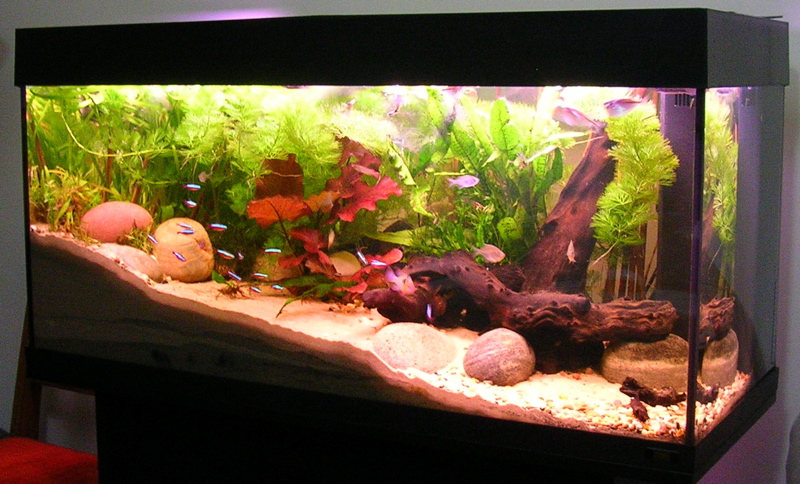
Freshwater Temperature Range
Freshwater fish live in cooler or variable water temperatures. Most freshwater species prefer 65°F to 75°F. Some types can tolerate lower temperatures, especially coldwater fish like goldfish. They do not need heaters unless the room is very cold. Sudden temperature changes can also stress freshwater fish. Keeping the temperature stable is important for their health.
Credit: en.wikipedia.org
Tank Maintenance
Tank maintenance is key to keeping fish healthy and happy. It keeps the water clean and safe. Both tropical and freshwater tanks need regular care. But their needs can differ. Understanding these differences helps you care for your fish better.
Cleaning Frequency
Tropical tanks usually need cleaning once a week. Warm water can cause faster algae growth. Freshwater tanks may only need cleaning every two weeks. Dirt builds up slower in cooler water. Watch your tank to know when to clean.
Water Changes
Changing water keeps tanks fresh and balanced. Tropical fish need about 20% water change weekly. Freshwater fish can handle 10% to 15% changes every two weeks. Use dechlorinated water. Keep the temperature close to the tank’s water.
Filtration Types
Filters remove waste and keep water clear. Tropical tanks often use canister or hang-on-back filters. These provide strong filtration for busy tanks. Freshwater tanks can use sponge or internal filters. They work well for smaller or calm tanks. Choose a filter that fits your tank size and fish type.
Feeding Habits
Feeding habits play a big role in fish health and happiness. Different fish types need different food and feeding routines. Tropical and freshwater fish vary in diet and feeding behavior. Understanding these differences helps keep fish healthy.
Diet For Tropical Fish
Tropical fish eat a mix of foods. Many enjoy flakes, pellets, and frozen foods. Some tropical fish prefer live food like brine shrimp or bloodworms. Their diet often includes protein-rich items. Feeding small portions several times a day works best. Avoid overfeeding to prevent water pollution and health issues.
Feeding Freshwater Fish
Freshwater fish have simpler diet needs. Most accept flakes or pellets easily. Some species enjoy vegetables like peas or spinach. Feeding once or twice a day is enough. Freshwater fish often eat less than tropical fish. Watch their behavior and adjust feeding accordingly. Clean leftover food to keep the tank clean.
Credit: www.barnesandnoble.com
Common Challenges
Fishkeeping, whether tropical or freshwater, has its own set of challenges. These challenges can affect the health of the fish and the success of the aquarium. Understanding common problems helps keep fish happy and safe.
Disease Risks
Diseases spread quickly in fish tanks. Tropical fish often face fungal and bacterial infections. These thrive in warm water. Freshwater fish can get parasites and fin rot easily. Poor water quality makes diseases worse. Regular cleaning and water changes reduce risks. Quarantine new fish before adding them to the tank.
Compatibility Issues
Not all fish get along. Tropical fish may be aggressive or shy. Mixing aggressive fish with peaceful ones causes stress. Freshwater fish can also fight over space and food. Different species need different water conditions. Keeping compatible fish avoids fights and injuries. Research fish behavior before buying to ensure harmony.
Cost Considerations
Cost plays a big role in choosing between tropical and freshwater fishkeeping. Both types need money for setup and care. Knowing these costs helps plan better and avoid surprises. Here is a clear look at the expenses involved.
Setup Expenses
Tropical fish tanks often cost more to set up. They need heaters to keep water warm. Special lights and filters might be needed too. Freshwater tanks usually have fewer needs. Basic tanks and filters often work well.
The price of fish varies. Tropical fish can be pricier because they are exotic. Freshwater fish tend to be cheaper and easy to find. Plants and decorations add to setup costs in both types. Tropical setups might require more expensive plants and items.
Ongoing Maintenance
Maintaining tropical tanks costs more. Heaters run all the time, using electricity. Water conditioners and special foods add to expenses. Freshwater tanks need less power and fewer special products.
Cleaning and water changes are needed in both tanks. Tropical fish may need more frequent care to stay healthy. Freshwater fish are often hardier and easier to manage. Regular maintenance keeps fish happy and tanks clean.
Choosing Your Fish
Choosing the right fish for your aquarium is a key step in fishkeeping. Different fish need different care and environments. Tropical and freshwater fish vary a lot. Knowing what fits your lifestyle and skill helps you pick fish that thrive. This choice makes your tank a happy place for both you and your fish.
Lifestyle Fit
Some fish need warm water all year. Tropical fish like stable, warm tanks. They need heaters and regular temperature checks. Freshwater fish often handle cooler water. They can live in rooms without heaters.
Think about your daily routine. Busy people may prefer fish that need less care. Some tropical fish require daily feeding and tank cleaning. Freshwater fish like goldfish can be easier to care for. Choose fish that match how much time you can spend.
Experience Level
Beginners should start with hardy fish. Freshwater fish like guppies or platies are good starters. They survive small mistakes and simple setups. Tropical fish often need more skill. They need precise water quality and temperature.
Experienced hobbyists can try colorful tropical species. These fish need special plants and filters. They also need more space and care. Match your fish choice to your experience. This keeps your fish healthy and your hobby fun.
How Smart Pets Lover Can Help You with Tropical Vs Freshwater Fishkeeping
Practical Learning Through Tropical and Freshwater Fishkeeping
Diving into tropical versus freshwater fishkeeping offers more than just setting up a tank—it’s a hands-on journey into understanding temperature differences and tank maintenance. Each type of fish thrives in unique conditions, so observing their feeding habits and adjusting care routines sharpens your skills as a responsible pet parent.
At Smart Pets Lover, we know that connecting emotionally with your aquatic companions begins with learning their needs deeply. Whether it’s managing water temperature for tropical species or mastering the essentials of freshwater tanks, these experiences build confidence and empathy. It’s all about creating an environment where your fish feel secure and flourish.
- Monitor water parameters regularly to prevent common challenges.
- Adjust feeding schedules based on species-specific habits.
- Maintain tank cleanliness to support fish health and longevity.
If questions arise along your fishkeeping adventure, reaching out to knowledgeable communities or trusted resources can make all the difference. Smart Pets Lover is here to help you navigate these details thoughtfully—because every splash in the tank tells a story worth cherishing.
Frequently Asked Questions
What Are The Main Differences Between Tropical And Freshwater Fish?
Tropical fish thrive in warm water, typically 75-80°F. Freshwater fish can live in a wider temperature range. Tropical fish often require stable, heated tanks. Freshwater species are generally easier to care for and more adaptable to varying conditions.
Which Fishkeeping Is Easier For Beginners: Tropical Or Freshwater?
Freshwater fishkeeping is usually easier for beginners. Freshwater species are hardy and tolerate wider water conditions. Tropical fish need precise temperature control and specific care. Beginners often start with freshwater to build confidence before advancing to tropical setups.
How Do Tank Requirements Differ For Tropical Vs Freshwater Fish?
Tropical tanks need heaters to maintain warm water. Freshwater tanks may not require heating, depending on species. Tropical fish often require specific pH and water hardness. Freshwater fish usually adapt to a broader range of water parameters.
Are Tropical Fish More Expensive Than Freshwater Fish?
Yes, tropical fish tend to be more expensive. They require specialized equipment like heaters and lighting. Tropical species are often rarer and more delicate. Freshwater fish are generally cheaper and widely available at pet stores.
Conclusion
Tropical and freshwater fishkeeping each offers unique joys and challenges. Tropical fish need warmer water and careful care. Freshwater fish are often easier to keep and adapt well. Your choice depends on space, budget, and patience. Both types bring beauty and life to any home.
Start small, learn as you go, and enjoy the process. Fishkeeping creates a calm and rewarding hobby for everyone. Choose what fits your lifestyle and dive into this peaceful world.