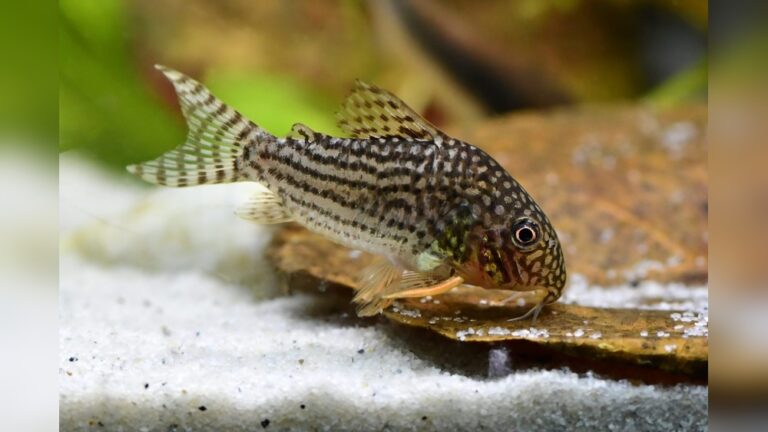
Tropical Fish
Are you curious about adding a splash of color and life to your home? Tropical fish might be exactly what you need.
These vibrant creatures don’t just brighten your space—they bring a sense of calm and wonder that few other pets can offer. Whether you’re a beginner or looking to expand your aquarium, understanding tropical fish can make all the difference. Keep reading to discover how you can create a stunning underwater world that you’ll enjoy every day.

Credit: www.amazon.com
Types Of Tropical Fish
Tropical fish come in many shapes, colors, and sizes. They thrive in warm water environments. These fish are popular among aquarium hobbyists worldwide. Understanding the types of tropical fish helps in choosing the right species for your tank. Tropical fish divide mainly into two groups: freshwater and saltwater species.
Freshwater Species
Freshwater tropical fish live in rivers, lakes, and streams. They need warm, clean water to survive. Common freshwater species include guppies, tetras, and angelfish. These fish are usually easier to care for. They suit beginner and experienced fish keepers alike. Freshwater tanks often require less equipment than saltwater setups.
Saltwater Species
Saltwater tropical fish come from oceans and coral reefs. These fish need salty water to live. They are often more colorful and exotic than freshwater fish. Examples include clownfish, tangs, and butterflyfish. Saltwater tanks require more care and attention. Proper water conditions and filtration are essential for their health.
Popular Varieties
Many tropical fish have gained popularity for their looks and behavior. Neon tetras stand out with bright blue and red stripes. Betta fish are known for their flowing fins and vibrant colors. Clownfish became famous through movies and are easy to recognize. Angelfish have unique shapes and graceful movements. These varieties fit many aquarium styles and preferences.
Setting Up A Tropical Aquarium
Setting up a tropical aquarium is an exciting step for any fish lover. It creates a vibrant home for colorful tropical fish. Proper setup ensures fish stay healthy and happy. A well-prepared aquarium mimics their natural environment. This section guides you through essential steps.
Choosing The Right Tank
Pick a tank size based on the number of fish. Larger tanks offer more stable water conditions. Glass tanks are clear and durable. Acrylic tanks are lighter and resist breakage. Ensure the tank has a secure lid to prevent fish from jumping out. Position the tank away from direct sunlight to avoid algae growth.
Water Conditions
Maintain water temperature between 75°F and 80°F for most tropical fish. Use a reliable heater to keep temperature steady. Test water pH regularly; tropical fish prefer a pH between 6.5 and 7.5. Change 10-20% of the water weekly to keep it clean. Avoid sudden changes in water parameters to reduce fish stress.
Filtration And Aeration
Choose a filter that suits your tank size and fish type. Filters remove waste and keep water clear. Use an air pump or bubbler to add oxygen to the water. Good aeration helps fish breathe easily. Clean or replace filter media as recommended to maintain efficiency.
Feeding Tropical Fish
Feeding tropical fish is essential for their health and happiness. Proper feeding keeps fish active and bright. It also supports their growth and immune system. Understanding their diet helps you provide the right nutrients. This section explains the basics of feeding tropical fish.
Diet Types
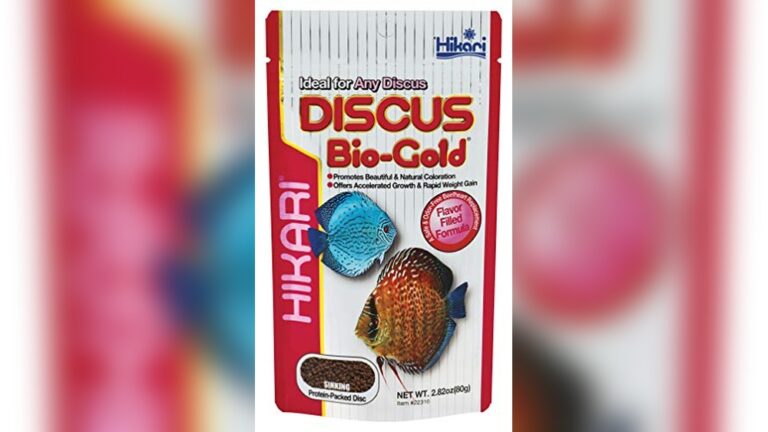
Tropical fish eat various foods. Some eat flakes or pellets. Others prefer live or frozen foods like brine shrimp. Herbivores need plant-based diets. Carnivores need protein-rich food. Omnivores eat both plants and animals. Offering a mix ensures balanced nutrition. Choose food based on fish species and size.
Feeding Schedule
Feed tropical fish small amounts twice a day. Overfeeding can pollute the tank. Remove uneaten food after a few minutes. Consistent feeding times help fish adapt. Young fish may need more frequent feeding. Adult fish do well with less food. Keep the schedule simple and regular.
Common Feeding Mistakes
Overfeeding is the top mistake. It causes water pollution and fish illness. Feeding the wrong food is another error. Some foods can harm specific fish species. Ignoring fish behavior can lead to underfeeding. Always watch how much your fish eat. Adjust feeding based on their activity and health.
Maintaining Fish Health
Keeping tropical fish healthy is key to a happy aquarium. Healthy fish live longer and look beautiful. It takes effort and care every day.
Understanding how to spot illness, prevent problems, and isolate new fish helps protect your tank. Good habits make a big difference.
Recognizing Illness
Fish cannot tell you when they feel sick. Watch for changes in behavior or appearance. Look for signs like spots, torn fins, or swollen bodies.
Fish that hide often or stop eating may be ill. Rapid breathing or gasping at the water surface is a warning. Early detection helps treat problems fast.
Preventive Care
Clean water is the best defense against disease. Change water regularly and check water quality. Keep the tank temperature stable and suitable for your fish species.
Feed high-quality food and avoid overfeeding. Overfeeding pollutes the water and stresses fish. Provide a balanced diet for strong immune systems.
Quarantine Procedures
New fish can bring diseases to your tank. Always keep new fish in a separate quarantine tank for two to four weeks. Watch for any signs of illness during this time.
Quarantine stops diseases from spreading to your main tank. It also helps fish adjust to new water conditions safely. Never skip this step for new additions.
Breeding Tropical Fish
Breeding tropical fish can be a rewarding hobby. Watching tiny fish grow from eggs to colorful adults brings joy. It needs patience and careful attention to details. Understanding their needs helps create a healthy environment for breeding success.
Breeding Conditions
Water quality is vital for breeding tropical fish. Keep the water clean and at the right temperature. Most tropical fish prefer temperatures between 75°F and 80°F. Use a heater and thermometer to maintain steady warmth. Soft water with low hardness often works best. Provide plenty of plants or hiding spots. These help reduce stress and protect eggs.
Spawning Techniques
Different fish use different methods to spawn. Some lay eggs on plants or gravel. Others scatter eggs in the water. Separate the breeding pair in a special tank. Watch for signs like chasing or nest building. Remove adults after spawning to prevent egg eating. Light changes can trigger spawning in some species. Simulate dawn and dusk by adjusting light timing.
Raising Fry
Fry need tiny food like infusoria or baby brine shrimp. Feed small amounts many times a day. Keep water clean by changing it often. Avoid strong water flow that can harm fry. Use a sponge filter for gentle filtration. Watch growth and remove any dead fry quickly. Gradually introduce larger food as they grow. Proper care ensures healthy fish ready for your main tank.
Credit: news.cnrs.fr
Decor And Plants For Aquariums
Decor and plants play a big role in creating a healthy home for tropical fish. They make the aquarium look nice and give fish places to hide and explore. A well-decorated tank helps fish feel safe and less stressed. It also improves the water quality and keeps the tank balanced.
Aquatic Plants
Aquatic plants are living decorations that bring life to the aquarium. They provide oxygen and clean the water by absorbing harmful substances. Some popular plants are Java fern, Anubias, and Amazon sword. Plants offer shelter and resting spots for fish. They also create a natural look that fish enjoy.
Tank Decorations
Tank decorations include rocks, driftwood, and artificial ornaments. These items add texture and color to the aquarium. Fish use decorations to hide from light or other fish. Choose decorations that are safe and free from sharp edges. Avoid materials that can change the water chemistry.
Creating Natural Habitats
Creating natural habitats helps fish feel at home. Use a mix of plants and decorations that match the fish’s original environment. Soft sand or gravel works well for the tank floor. Include caves or tunnels to mimic riverbeds or lakes. Natural habitats encourage fish to behave naturally and stay healthy.
Common Challenges And Solutions
Tropical fish are colorful and fun to keep. Still, they need care to stay healthy. Many beginners face common problems with their tanks. Solving these problems keeps fish happy and alive. Here are some key challenges and how to fix them.
Algae Control
Algae grow fast in warm, bright water. Too much algae makes the tank look dirty. It also harms fish by using oxygen. Clean the tank regularly to stop algae growth. Use algae scrapers or magnetic cleaners on glass. Adding algae-eating fish or snails can help. Lower the light time to reduce algae growth.
Water Quality Issues
Fish need clean water to live well. Dirty water causes illness and stress. Test water often for ammonia, nitrites, and nitrates. Change 10-20% of the water weekly. Use a good filter to keep water clear. Avoid overfeeding, as leftover food pollutes water. Keep water temperature steady for tropical fish.
Fish Compatibility
Not all fish get along in one tank. Some are aggressive or eat smaller fish. Research fish species before buying. Choose fish with similar size and temperament. Provide hiding spots with plants and decorations. Watch fish behavior to avoid fights. Separate aggressive fish if needed to keep peace.
:strip_icc()/GettyImages-1413740339-5aea18fdc25b41039fa8dc91d687f527.jpg)
Credit: www.thesprucepets.com
How Smart Pets Lover Can Help You with Tropical Fish
Learning Through the World of Tropical Fish
Diving into the vibrant world of tropical fish opens up more than just a colorful hobby—it’s a chance to learn and grow as a pet parent. From setting up a tropical aquarium to maintaining fish health, each step offers practical lessons in responsibility, patience, and observation. Understanding the needs of various types of tropical fish encourages research and thoughtful decision-making, skills valuable beyond the aquarium glass.
Breeding tropical fish, for example, teaches the nuances of aquatic life cycles and environmental balance, while managing common challenges develops problem-solving abilities. As part of the Smart Pets Lover community, many find joy in sharing insights and troubleshooting tips, fostering a deeper connection not only with their fish but with fellow enthusiasts.
If you ever feel unsure or want to exchange knowledge, reaching out to experienced hobbyists or pet care resources can be incredibly rewarding. Remember, nurturing these delicate creatures mirrors the care and attention we give to all beloved pets—where every wag, purr, and swim truly tells a story.
Frequently Asked Questions
What Are The Most Popular Tropical Fish Species?
Popular tropical fish include bettas, guppies, neon tetras, angelfish, and mollies. They are colorful and easy to care for, making them favorites among hobbyists.
How To Create The Perfect Tropical Fish Tank?
Maintain warm water between 75-80°F, use a good filter, and add live plants. Regular water changes and proper lighting also promote fish health and vibrant colors.
What Do Tropical Fish Eat In Captivity?
Tropical fish eat flake food, pellets, frozen or live foods like brine shrimp and bloodworms. A varied diet ensures balanced nutrition and enhances their natural colors.
How Long Do Tropical Fish Typically Live?
Most tropical fish live between 2 to 5 years, depending on species and care. Proper tank maintenance and diet can extend their lifespan significantly.
Conclusion
Tropical fish add color and life to any aquarium. They need clean water and the right food to stay healthy. Choose fish that get along well to avoid problems. Regular tank care keeps them happy and thriving. Watching tropical fish swim brings calm and joy.
Caring for them can be a fun and relaxing hobby. Enjoy the beauty and peace these fish provide every day.