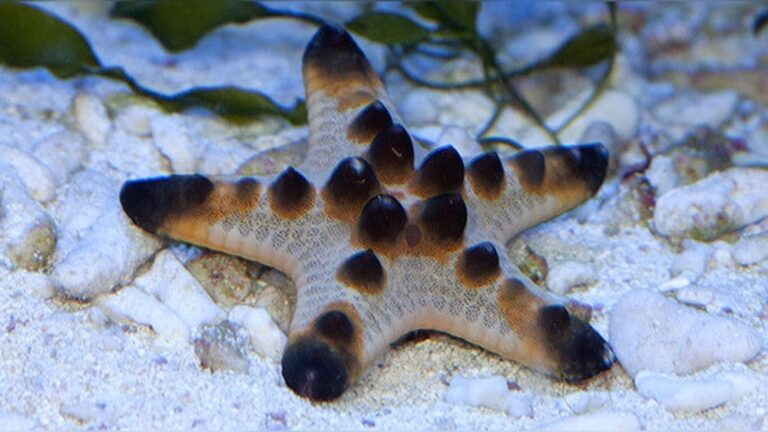
Torch Coral
If you’re looking to add a vibrant splash of color and life to your aquarium, Torch Coral might be exactly what you need. This stunning coral is not only eye-catching but also surprisingly easy to care for, making it perfect for both beginners and experienced hobbyists.
Imagine watching its flowing tentacles sway gently in the water, creating a mesmerizing underwater dance right in your home. Keep reading to discover how Torch Coral can transform your tank and what you need to know to keep it thriving.
Torch Coral Basics
Torch Coral is a popular choice for many saltwater aquarium owners. It adds life and movement to the tank. Its unique shape and colors make it stand out easily. This coral is part of the large family called Euphyllia. It is known for its long, flowing tentacles that resemble a torch flame. Understanding the basics helps in caring for Torch Coral properly.
Knowing its appearance and natural home supports better tank conditions. This keeps the coral healthy and vibrant. Let’s explore what makes Torch Coral special.
Appearance And Colors
Torch Coral has long, waving tentacles that can reach 6 inches. The tips of these tentacles often glow brightly. Colors include green, brown, yellow, and sometimes purple. Tentacle tips may be white, blue, or pink. The coral’s base is usually thick and sturdy. Its look changes slightly with light and water movement. This dynamic appearance attracts many aquarium enthusiasts.
Natural Habitat
Torch Coral is found mostly in the Indo-Pacific region. It lives on coral reefs and rocky ocean floors. It thrives in shallow waters with moderate currents. The coral needs plenty of sunlight for its algae. This algae helps feed the coral through photosynthesis. Torch Coral prefers water temperatures between 75 and 82 degrees Fahrenheit. Knowing its habitat helps recreate the right tank environment.
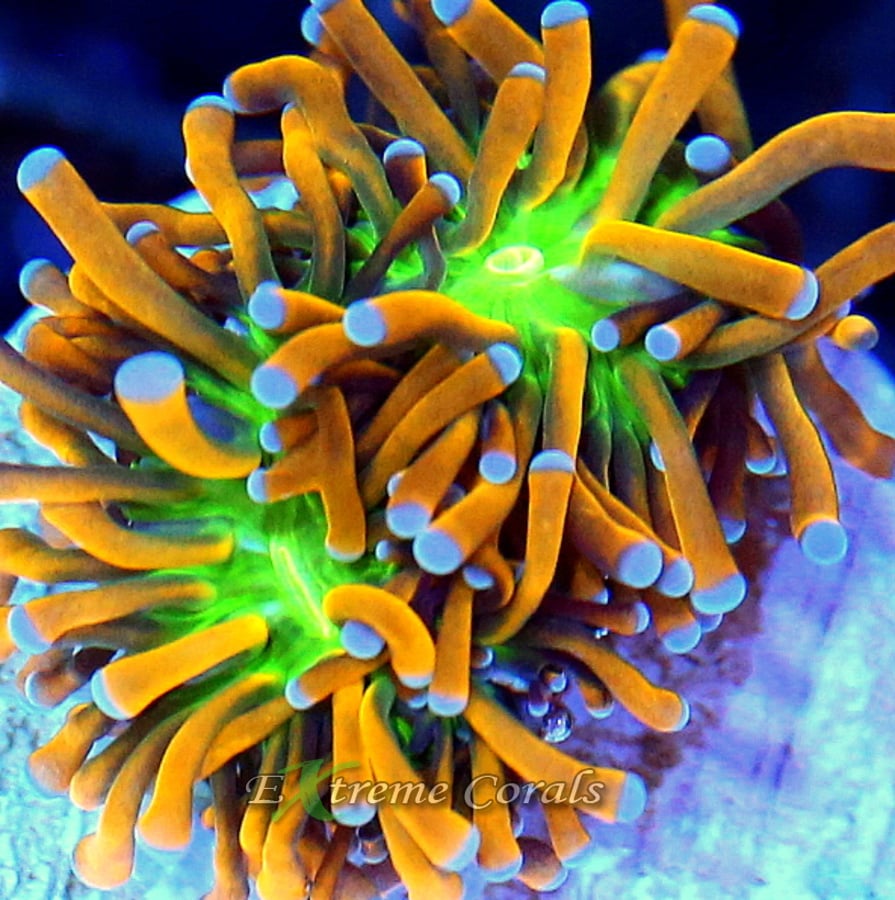
Credit: www.extremecorals.com
Care Requirements
Torch Coral is a popular choice for many reef tanks. It adds bright colors and movement. Caring for this coral needs attention to certain details. Proper care helps it thrive and grow well.
Understanding its needs keeps the coral healthy and beautiful. Key factors include water quality, light, and water flow. Each plays an important role in its survival.
Water Parameters
Torch Coral needs stable water conditions to stay healthy. Maintain temperature between 75°F and 80°F. Keep salinity around 1.023 to 1.025 specific gravity. pH should be steady at 8.1 to 8.4.
Calcium levels must be between 400 and 450 ppm. Alkalinity should range from 8 to 12 dKH. Magnesium levels need to stay near 1250 to 1350 ppm. Regular water tests help catch any changes early.
Lighting Needs
Torch Coral prefers moderate to high light. Too much light can cause bleaching. Use LED or T5 lights for best results. Place coral where it receives filtered light.
Adjust lighting to avoid stress. Observe coral color and polyp extension. Change light intensity if coral shows signs of distress. Proper lighting supports photosynthesis and growth.
Flow Preferences
Moderate water flow suits Torch Coral best. Too strong flow can damage its delicate tentacles. Too little flow allows debris to settle. Aim for gentle, indirect current.
This flow helps remove waste and brings nutrients. It also encourages the coral’s natural movement. Position coral in areas with balanced water circulation.
Feeding Torch Coral
Feeding Torch Coral is vital for its health and growth. This coral uses sunlight and food to get energy. It catches tiny particles from the water. Proper feeding helps the coral stay bright and strong.
Knowing what to feed and how often helps keep Torch Coral healthy. Its diet needs a mix of nutrients from natural and added foods.
Diet Options
Torch Coral mainly gets energy from sunlight through its algae. It also eats small foods like plankton and tiny shrimp. You can feed it frozen or live brine shrimp. Other good foods are phytoplankton and marine snow. Use coral-specific liquid foods too. These help the coral get extra nutrients.
Feeding Frequency
Feed Torch Coral two to three times a week. Overfeeding can harm the coral and water quality. Watch your coral’s tentacles. They open wide when it is ready to eat. Feeding at night or in low light works best. This matches the coral’s natural feeding habits.
Tank Compatibility
Torch Coral is a beautiful addition to many marine tanks. Understanding its tank compatibility helps keep your aquarium healthy. This coral needs care in choosing tank mates and space to grow well.
Suitable Tank Mates
Torch Coral gets along well with peaceful fish and invertebrates. Avoid aggressive species that may nip or bother the coral. Fish like clownfish, gobies, and blennies are good choices. Snails and shrimp also fit well with Torch Coral.
Aggression And Space
Torch Coral has long, flowing tentacles that sting nearby animals. Give it enough space to prevent fights with other corals. Keep at least 6 inches away from other corals to avoid damage. Watch for signs of stress or injury from nearby tank mates.
Propagation Techniques
Propagating Torch Coral is a great way to grow your reef and share corals with friends. It helps keep your coral healthy and vibrant. Understanding the right techniques ensures success and reduces stress on the coral.
Fragmentation Methods
Fragmentation is the most common way to propagate Torch Coral. You cut a small branch or tip from the main coral. Use clean, sharp tools to make a smooth cut. Avoid crushing the coral tissue during cutting.
Place the fragment on a stable surface or plug. Secure it gently with reef-safe glue or putty. Keep the fragment in a low-flow area of the tank. This helps it attach and heal faster.
Watch for signs of stress or bleaching. Healthy fragments will show new polyp growth in weeks. Patience is key during this stage.
Growth Tips
Torch Coral grows best with stable water conditions. Maintain temperature between 75-80°F and moderate lighting. Moderate water flow helps deliver nutrients without damage.
Feed the coral small meaty foods once or twice a week. This encourages faster growth and vibrant colors. Regular water changes keep nutrients balanced and reduce waste.
Place fragments away from aggressive corals. Torch Coral’s long tentacles can sting neighbors. Giving enough space prevents damage and promotes healthy growth.
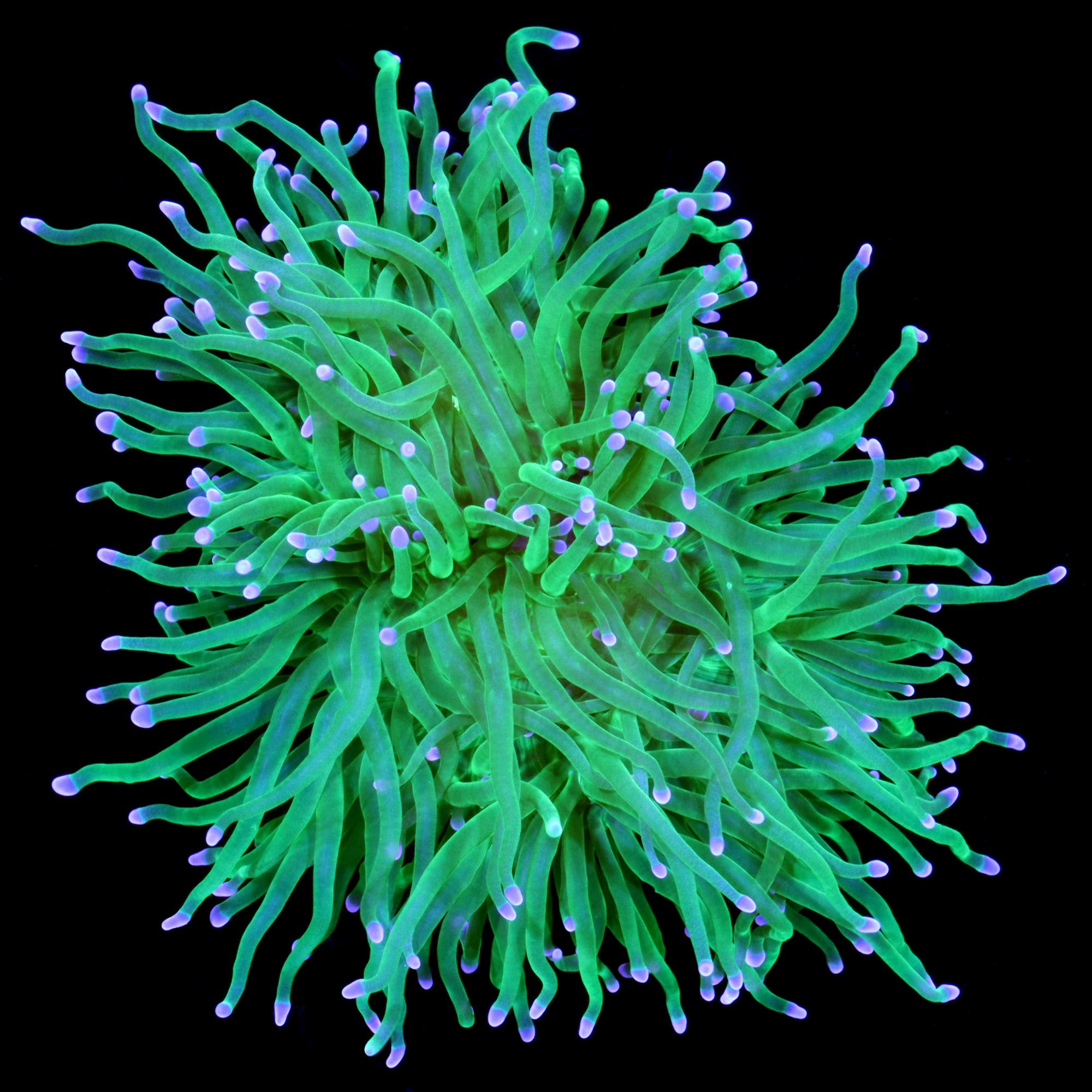
Credit: vividaquariums.com
Common Issues
Torch Coral is a beautiful addition to any reef tank. It is generally hardy but faces some common problems. Knowing these issues helps keep your coral healthy and vibrant. This section covers typical pests, diseases, and signs of stress.
Pests And Diseases
Torch Coral can suffer from pests like flatworms and nudibranchs. These small creatures eat coral tissue and cause damage. Regular inspection helps catch pests early. Treat infestations with coral-safe medications.
Diseases such as brown jelly disease may also affect Torch Coral. This disease causes tissue loss and rapid decay. Remove infected parts quickly to prevent spread. Maintain good water quality to avoid diseases.
Stress Signs
Torch Coral shows stress by changing color or shrinking its polyps. Pale or white patches mean bleaching, a serious stress sign. Polyps may retract for long periods when stressed. Look for unusual slime or mucus on the coral.
Stress often comes from poor water conditions or strong lighting. Sudden changes in temperature or water chemistry also cause stress. Keep stable tank parameters and avoid moving the coral too much.
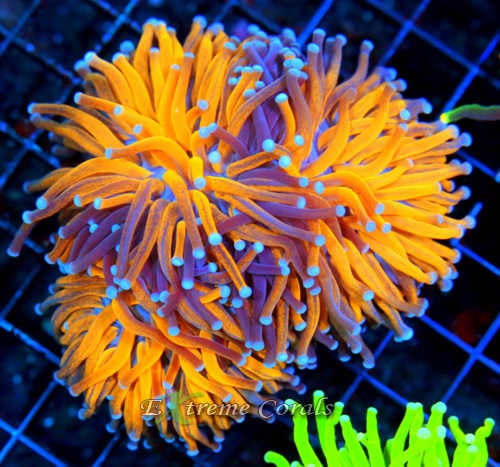
Credit: www.extremecorals.com
How Smart Pets Lover Can Help You with Torch Coral
Turning Torch Coral Care into a Learning Journey
Understanding the basics of Torch Coral and its care requirements is just the beginning of a rewarding aquatic adventure. As you observe your coral’s vibrant tentacles sway, you’re not only nurturing life but also gaining hands-on experience in maintaining stable tank conditions and mastering feeding techniques. This practical learning deepens your connection with the underwater world and sharpens your skills in tank compatibility, ensuring peaceful coexistence with other marine inhabitants.
For those passionate about propagation, experimenting with propagation techniques can transform your aquarium hobby into a fascinating science project. Encountering common issues along the way offers valuable lessons in problem-solving and responsible pet ownership—something we at Smart Pets Lover deeply believe in.
- Track water parameters regularly to build confidence in maintaining a healthy environment.
- Document feeding schedules and coral responses for better care insights.
- Engage with fellow enthusiasts or reach out to knowledgeable communities for support.
Remember, every step you take enriches your understanding and helps your coral thrive, turning your aquarium into a lively story of care and curiosity. For additional guidance, connecting with experts or trusted resources can be a great way to expand your knowledge and keep your Torch Coral flourishing.
Frequently Asked Questions
What Is Torch Coral And Its Origin?
Torch Coral is a popular marine coral species known for its vibrant, flowing tentacles. It originates from the Indo-Pacific region, especially around Fiji, Tonga, and the Great Barrier Reef.
How To Care For Torch Coral In Aquariums?
Torch Coral requires moderate lighting and low to moderate water flow. Maintain stable water parameters, including temperature and salinity, for healthy growth and vibrant colors.
What Are The Feeding Requirements Of Torch Coral?
Torch Coral primarily relies on photosynthesis but benefits from occasional feeding. Offer plankton, brine shrimp, or coral foods to supplement its nutritional needs.
Can Torch Coral Sting Other Corals?
Yes, Torch Coral has long, stinging tentacles that can harm nearby corals. Provide adequate space between corals to prevent aggression and damage.
Conclusion
Torch coral adds vibrant color and movement to any reef tank. It grows well with proper care and lighting. Watch its long tentacles sway gently in the water. Keep water clean and stable to help it thrive. Avoid placing it too close to other corals to prevent stings.
Torch coral is a great choice for beginner hobbyists. It brings life and beauty to underwater spaces. A simple coral with stunning effects. Perfect for anyone who loves marine aquariums.