Tiger Barb
Are you looking for a vibrant and active fish to brighten up your aquarium? The Tiger Barb might be exactly what you need.
With its striking colors and playful nature, this little fish can transform your tank into a lively underwater scene. But before you bring one home, there are important things you should know to keep your Tiger Barb healthy and happy.
Keep reading to discover everything about caring for this fascinating fish and making your aquarium truly stand out.

Credit: en.wikipedia.org
Tiger Barb Basics
Tiger Barbs are popular freshwater fish. They are fun to watch and easy to care for. Many beginners choose them for home aquariums. These fish have unique looks and lively behavior. Understanding their basics helps keep them healthy and happy.
Appearance And Colors
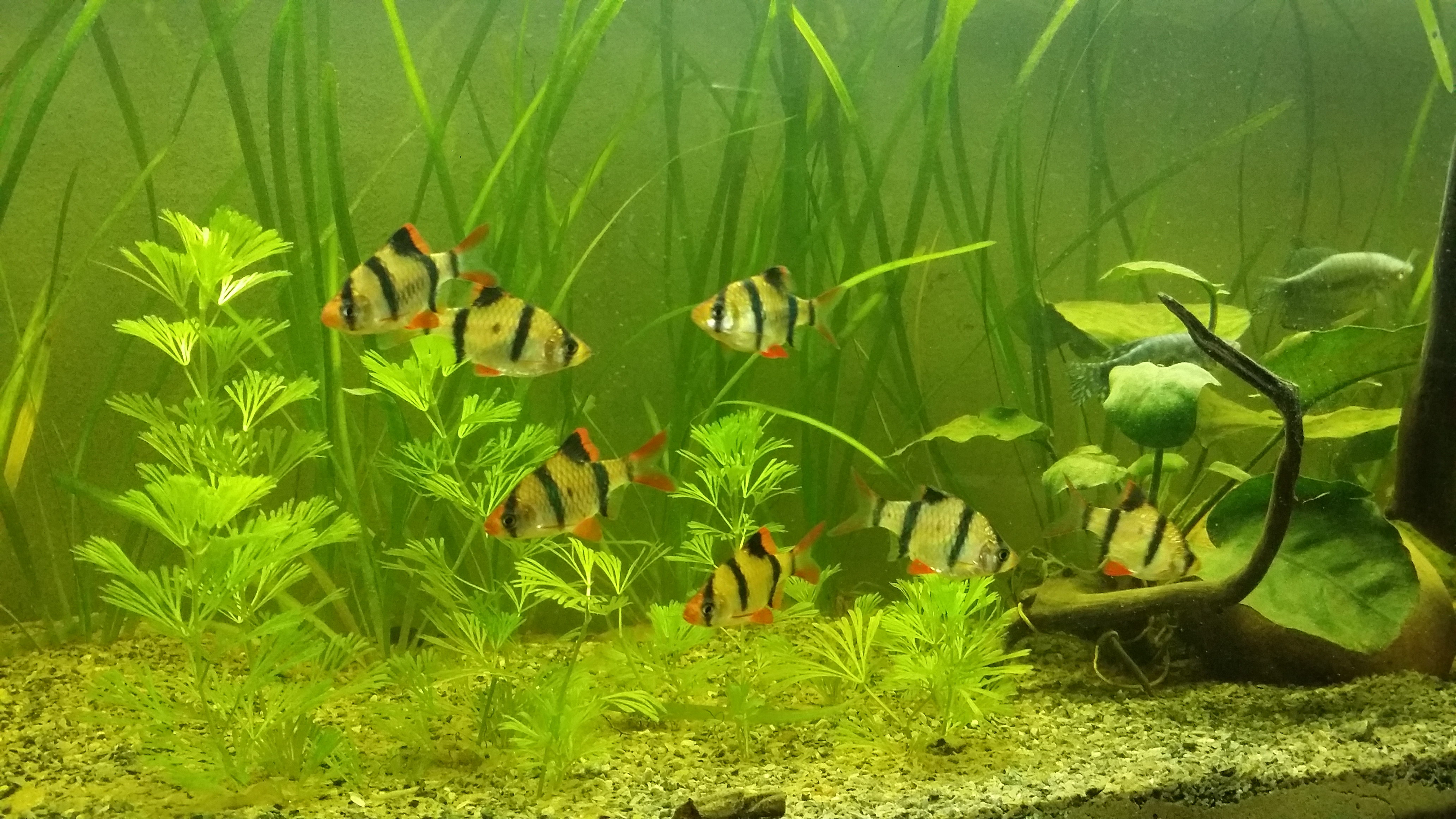
Tiger Barbs have bright orange bodies with black stripes. Their stripes look like tiger patterns. They have a small, round shape and a playful swim style. Males often show brighter colors than females. Their fins are usually red or orange, adding to their beauty.
Natural Habitat
Tiger Barbs come from rivers and streams in Southeast Asia. They live in calm, warm waters with plants and rocks. These fish enjoy hiding places and gentle water flow. Their natural homes have soft, slightly acidic water. This environment keeps them healthy and active.
Lifespan And Size
Tiger Barbs grow up to 2.5 inches long. They live about 5 to 7 years with good care. Proper tank conditions help them reach full size and age. Regular feeding and clean water improve their lifespan. These fish stay lively and colorful for many years.
Credit: en.wikipedia.org
Tank Setup
Setting up a tank for Tiger Barbs is important for their health and happiness. The right environment helps them swim freely and show their natural colors. Proper tank setup also reduces stress and keeps diseases away.
Consider the size, water quality, and decorations carefully. These factors create a safe and comfortable home for your fish.
Recommended Tank Size
Tiger Barbs are active swimmers and need space. A tank of at least 20 gallons works well for a small group. Keep at least six fish together to reduce aggression. Larger tanks give more room to explore and hide.
Water Conditions
Maintain water temperature between 74°F and 79°F (23°C to 26°C). The pH level should be neutral to slightly acidic, around 6.5 to 7.0. Keep water clean with regular changes. Use a good filter to remove waste and toxins.
Aquascaping Tips
Use plants and decorations to create hiding spots. Tiger Barbs like to dart between plants and rocks. Provide open swimming areas too. Avoid sharp decorations that can hurt the fish. Smooth stones and sturdy plants work best.
Feeding And Diet
Tiger Barbs need a balanced diet to stay healthy and active. Their feeding habits affect their color and energy. Knowing what and how to feed them ensures they thrive in your aquarium.
Preferred Foods
Tiger Barbs enjoy a variety of foods. They like high-quality flake or pellet food made for tropical fish. Live or frozen foods such as bloodworms, brine shrimp, and daphnia add protein. Vegetables like blanched spinach or peas help with digestion. A mix of these keeps their diet balanced and interesting.
Feeding Frequency
Feed Tiger Barbs two to three times a day. Give only what they can eat in two minutes. Regular feeding supports steady growth and good health. Avoid feeding late at night to maintain their natural rhythm.
Avoiding Overfeeding
Overfeeding causes water pollution and health issues. It can lead to obesity and poor water quality. Offer small portions and remove leftover food quickly. Watch their behavior for signs of hunger or fullness. Clean water and proper feeding go hand in hand.
Behavior And Temperament
The behavior and temperament of Tiger Barbs make them a popular choice for many aquarists. These fish are lively and full of energy. Understanding their social habits and how they interact with other fish is key to keeping a healthy tank.
Social Nature
Tiger Barbs are very social fish. They enjoy living in groups of five or more. A larger group helps reduce stress and aggression. These fish often swim together and show playful behavior. Without companions, Tiger Barbs may become shy or restless.
Compatibility With Other Fish
Tiger Barbs can live with other fish but need careful selection of tank mates. They prefer fish that can hold their own. Small, slow, or long-finned fish may become targets. Good companions include fast-swimming and robust species. Always monitor interactions to keep peace.
Common Aggression Signs
Watch for chasing and nipping at fins. These actions indicate aggression or boredom. Some bullying is normal but should not harm other fish. Excessive aggression needs attention. Adding more Tiger Barbs can spread the focus of aggression. Proper tank size and hiding spots help reduce fights.
Health And Care
Tiger Barbs are lively fish that need proper care to stay healthy. Their health depends on clean water, a good diet, and a peaceful tank environment. Knowing how to spot diseases early helps keep them safe.
Good care means watching their behavior and tank conditions every day. Healthy Tiger Barbs swim actively and eat well. Sick fish may hide, lose color, or stop eating.
Common Diseases
Tiger Barbs can get fin rot, ich, and fungal infections. Fin rot makes fins look ragged and torn. Ich shows as tiny white spots on the body and fins. Fungal infections appear as cotton-like patches on skin.
These diseases spread fast in dirty water or crowded tanks. Early treatment with medicine helps fish recover quickly. Dead fish should be removed immediately to stop infection.
Preventive Measures
Keep the tank clean by changing 20% of the water weekly. Use a good filter to remove waste and toxins. Feed a balanced diet with flakes, pellets, and live food. Avoid overfeeding; leftover food pollutes the water.
Do not add too many fish at once. A crowded tank stresses fish and spreads diseases. Regularly check water temperature and pH to match Tiger Barbs’ needs.
Stress Reduction
Tiger Barbs feel stressed in small or bare tanks. Provide hiding spots with plants and decorations. Keep a group of at least six Tiger Barbs to reduce aggression. Bright lights and sudden movements scare them.
Maintain stable water conditions to avoid stress. Stress weakens their immune system and invites illness. Calm, steady care helps Tiger Barbs live longer and thrive.
Breeding Tiger Barbs
Breeding Tiger Barbs can be a rewarding experience for aquarium hobbyists. These fish are lively and colorful, making them popular among beginners and experts alike. Breeding requires some care and the right environment. Understanding their habits helps ensure success.
Breeding Conditions
Start with a separate breeding tank of about 10 gallons. Keep the water temperature between 77 and 82°F (25-28°C). Use soft, slightly acidic water with a pH around 6.5 to 7.0. Provide plenty of plants or spawning mops for egg laying. Maintain good water quality by changing 20% weekly.
Spawning Process
Tiger Barbs begin spawning early in the morning. Males chase females and show bright colors. Females scatter eggs among plants or spawning mops. Eggs stick to the surfaces and hatch in about 24 to 36 hours. Remove the adults after spawning to prevent egg eating.
Raising Fry
Feed the fry infusoria or liquid fry food for the first few days. After a week, introduce baby brine shrimp or finely crushed flakes. Keep water clean and warm for fast growth. Change water carefully to avoid harming the tiny fry. Fry grow quickly and need space to swim freely.
Popular Tiger Barb Varieties
Tiger Barbs are popular aquarium fish known for their bright colors and lively behavior. They come in several varieties. Each type has unique colors and patterns. These variations make them favorites for many fish keepers.
Below are some popular Tiger Barb varieties. These types add charm to any fish tank. They are easy to care for and fun to watch.
Albino Tiger Barb
Albino Tiger Barbs have a pale body with red eyes. Their stripes are soft orange instead of black. They look delicate but are just as active as other types. Albinos add a gentle look to your aquarium.
Golden Tiger Barb
Golden Tiger Barbs shine with a bright yellow-gold body. Their stripes are darker, creating a bold contrast. These fish bring warmth and brightness to any tank. They are lively and social, making great tank mates.
Other Color Variations
Besides albino and golden, Tiger Barbs have other colors. Some have stronger black stripes or red fins. There are also variants with lighter or darker shades. Each type has a unique charm to enjoy.

Credit: www.aquariumcoop.com
How Smart Pets Lover Can Help You with Tiger Barb
Learning Through Caring for Your Tiger Barb
Understanding the vibrant world of Tiger Barbs opens doors to hands-on learning that goes beyond just aquarium aesthetics. When you dive into their behavior and temperament, you’ll quickly notice how these lively fish teach patience and observation—key skills for any pet parent. Their social nature encourages you to explore tank setup intricacies, like creating the right environment to support their playful schooling habits.
Feeding and diet also present practical opportunities to learn about balanced nutrition and routine care, helping you build confidence in maintaining their health. At Smart Pets Lover, we believe every interaction with your Tiger Barbs can deepen your connection to aquatic life, turning simple care into a rewarding journey. If you have questions or want to share experiences, feel free to reach out via [email protected]—because every wag, purr, and splash truly tells a story.
Frequently Asked Questions
What Is The Ideal Tank Size For Tiger Barb Fish?
A minimum 20-gallon tank is ideal for Tiger Barbs. They need space to swim and thrive in groups. A larger tank helps reduce aggression and promotes healthy behavior among them.
How Long Do Tiger Barbs Typically Live?
Tiger Barbs usually live 5 to 7 years with proper care. Maintaining clean water and a balanced diet helps increase their lifespan and ensures they stay healthy.
Are Tiger Barbs Aggressive Towards Other Fish?
Tiger Barbs can be semi-aggressive, especially in small groups. Keeping them in schools of six or more reduces aggression and protects other tank mates from nipping.
What Is The Best Diet For Tiger Barbs?
Tiger Barbs thrive on a varied diet of flakes, pellets, and live foods. Including bloodworms and brine shrimp ensures balanced nutrition and vibrant coloration.
Conclusion
Tiger Barbs make lively and colorful additions to home aquariums. They need space and peaceful tank mates to thrive. Feeding them a balanced diet keeps them healthy and active. Watching their playful behavior can bring joy and calm. Caring for Tiger Barbs is simple with the right setup.
Start your aquarium journey with these charming fish today.