The Complete Eguide To Freshwater Tank Guide
Are you ready to create a stunning freshwater tank that brings life and calm to your space? Whether you’re a beginner or looking to improve your setup, this complete guide has everything you need.
You’ll discover simple steps to choose the right tank, pick healthy fish, and keep your water crystal clear. By the end, you’ll feel confident and excited to build a vibrant underwater world that you can enjoy every day. Keep reading—your perfect freshwater tank awaits!
Credit: bayaquatics.co.nz
Choosing The Right Tank
Choosing the right tank is a key step for a healthy freshwater aquarium. The tank you select affects fish comfort and maintenance ease. Consider size, shape, and material carefully. These factors help create a stable environment for your aquatic pets.
Tank Sizes And Shapes
Tank size depends on the number and type of fish. Small tanks suit a few small fish. Large tanks hold more fish and plants. Shape matters too. Rectangular tanks offer more swimming space. Tall tanks suit plants but limit swimming area. Choose a size and shape that fits your space and fish needs.
Material Types
Glass and acrylic are common tank materials. Glass is heavier but scratch-resistant. Acrylic is lighter and clearer but scratches easily. Acrylic tanks often cost more. Both materials hold water well. Pick a material based on your budget and durability needs.
Placement Tips
Place the tank on a sturdy, level surface. Avoid direct sunlight to prevent algae growth. Keep the tank away from heaters or air conditioners. Choose a spot near a power outlet for filters and lights. Proper placement helps maintain a stable tank environment.
Essential Equipment
Setting up a freshwater tank requires the right tools. Essential equipment keeps your fish healthy and your tank clean. Each piece plays a key role in creating a stable environment. Learn about the must-have items for every freshwater aquarium.
Filters And Pumps
Filters remove waste and keep the water clear. They help maintain good water quality for your fish. Pumps circulate water, moving it through the filter. This movement adds oxygen, which fish need to breathe. Choose a filter and pump that fit your tank size. Regular cleaning of filters helps avoid blockages and keeps the system working well.
Lighting Options
Lighting brightens the tank and supports plant growth. LED lights are popular for their energy efficiency and long life. They also create a natural look in the tank. Some lights have adjustable settings to mimic day and night. Proper lighting helps fish show their true colors and stay active. Avoid harsh lights that can stress fish.
Heaters And Thermometers
Most freshwater fish need warm water to stay healthy. Heaters keep the water at a steady temperature. Choose a heater with a thermostat for automatic control. Thermometers let you check the temperature anytime. Place the thermometer where you can easily see it. Stable temperature prevents fish from getting sick or stressed.
Water Quality Basics
Water quality is the heart of a healthy freshwater tank. Fish and plants need clean, balanced water to thrive. Poor water conditions can lead to stress and disease. Understanding the basics helps maintain a stable and safe environment. This section covers key points to keep your tank water ideal.
Testing Parameters
Regular testing keeps water conditions in check. Measure pH, ammonia, nitrite, and nitrate levels. pH shows how acidic or basic the water is. Ammonia and nitrite are toxic to fish, even in small amounts. Nitrate is less harmful but should stay low. Test kits are easy to use and affordable. Check water weekly to catch problems early.
Water Conditioning
Tap water contains chemicals that harm fish. Use water conditioners to remove chlorine and chloramine. These chemicals protect tap water but hurt aquatic life. Conditioners also detoxify heavy metals. Always treat new water before adding it to the tank. This step keeps fish safe and reduces stress.
Dealing With Common Issues
Cloudy water, algae, and sudden fish deaths signal water problems. Cloudy water often means too much waste or bacteria. Change 10-20% of water regularly to keep it clear. Algae growth happens with too much light or nutrients. Reduce feeding and control lighting hours. Sudden fish deaths need quick water tests. Fix water issues fast to protect your tank.
Selecting Fish And Plants
Choosing the right fish and plants shapes your freshwater tank’s health and beauty. Both must suit the tank size and water conditions. Fish bring life and motion, while plants add color and oxygen. Together, they create a natural environment that thrives.
Popular Freshwater Fish
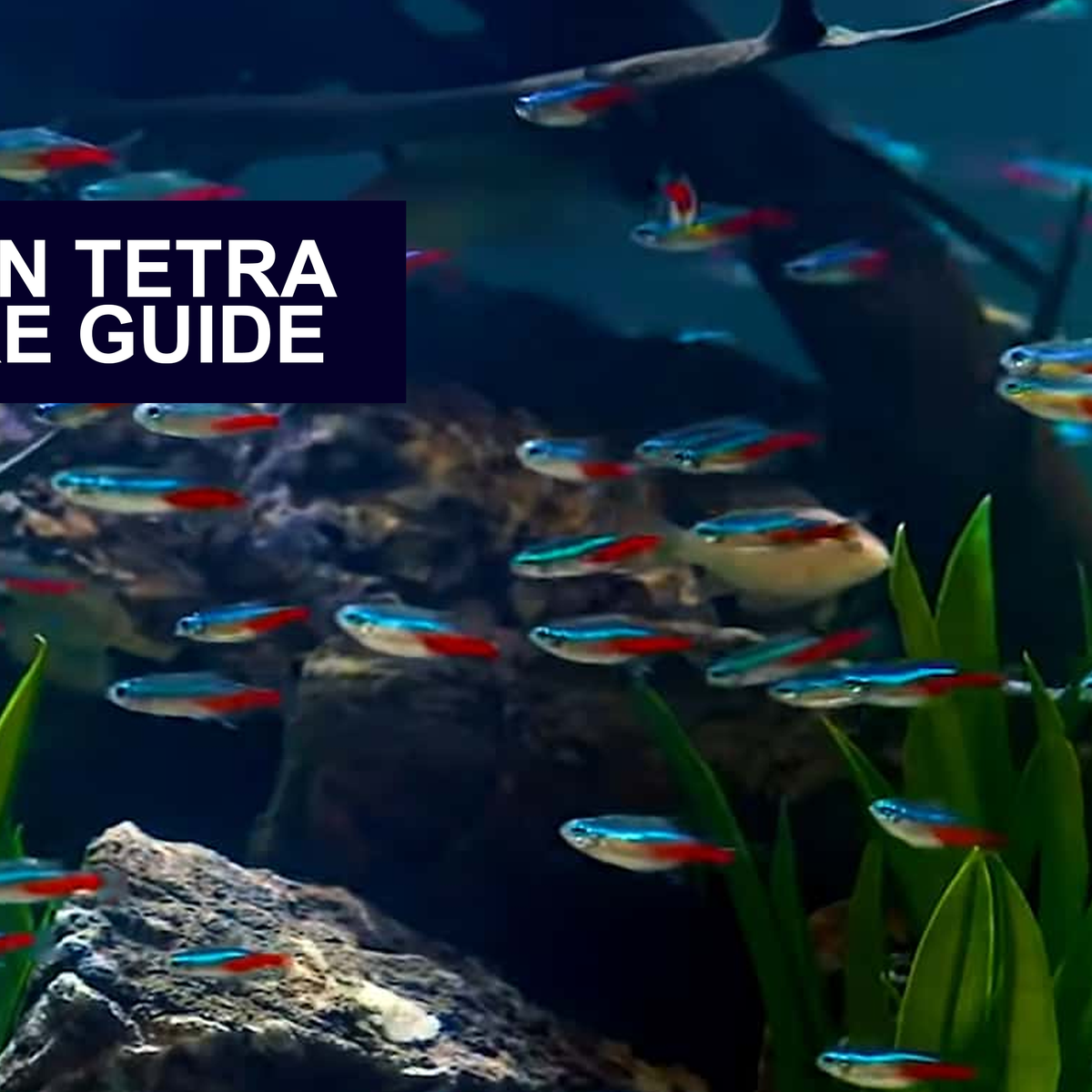
Betta fish are colorful and easy to care for. Neon tetras are small and peaceful, perfect for community tanks. Guppies come in many colors and are active swimmers. Corydoras catfish help clean the tank bottom. Angelfish look elegant but need more space. Choose fish with similar needs to avoid stress.
Compatible Plant Species
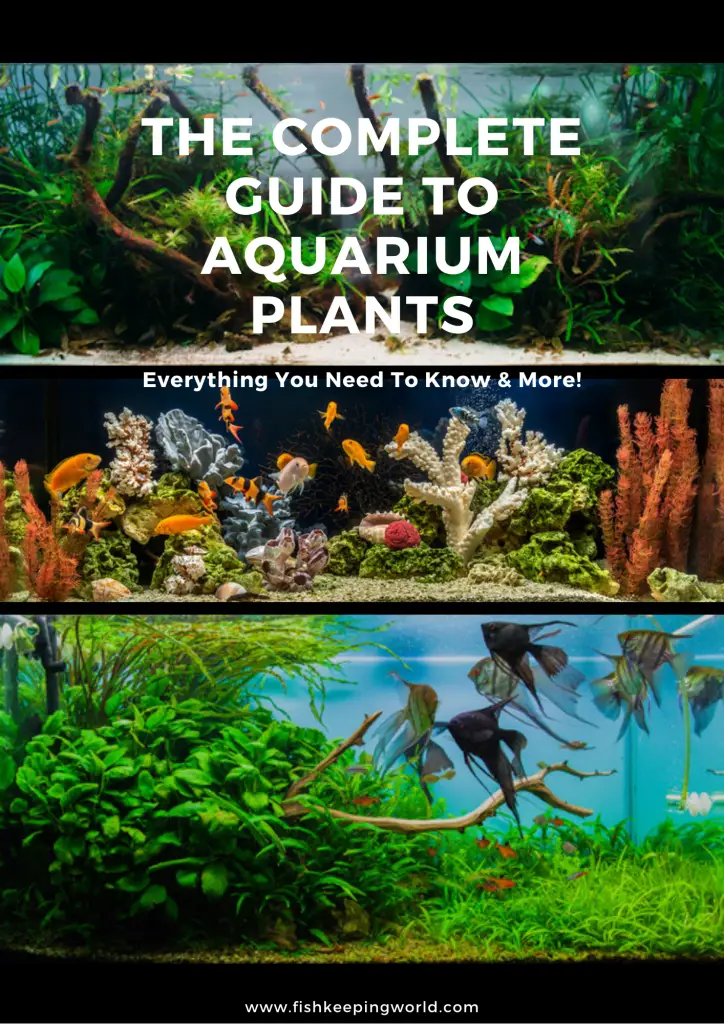
Java fern is tough and grows well in low light. Anubias plants attach to rocks or driftwood easily. Amazon sword plants grow tall and provide shelter. Hornwort floats and helps reduce algae. Choose plants that match your fish’s needs and tank conditions. Healthy plants improve water quality and fish health.
Balancing The Ecosystem
Fish produce waste that plants use as nutrients. Plants release oxygen that fish need to breathe. Too many fish cause poor water quality. Too many plants may limit swimming space. Keep a balance for a stable tank environment. Regular checks help maintain water quality and tank health.
Setting Up The Tank
Setting up a freshwater tank is an exciting step. It sets the foundation for a healthy aquatic environment. Careful planning helps fish and plants thrive. The right choices make maintenance easier and improve tank beauty.
Substrate Choices
The substrate covers the tank bottom. It affects water quality and plant growth. Gravel is common and easy to clean. Sand looks natural and suits small fish. Specialized substrates help plants grow better. Choose based on fish type and plant needs. Avoid sharp substrates that can harm fish.
Aquascaping Ideas
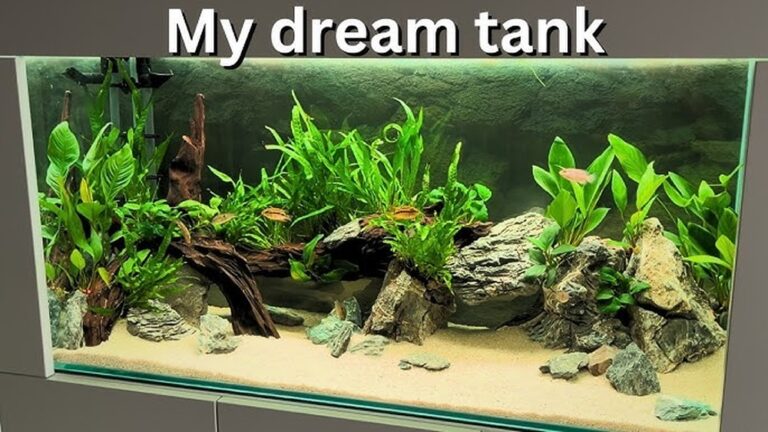
Aquascaping means arranging plants and decorations. It creates a natural and pleasing look. Use rocks and driftwood for structure. Add live plants for oxygen and shelter. Leave open spaces for swimming. Balance colors and textures for visual interest. Keep the layout simple for beginners.
Initial Cycling Process
The cycling process builds good bacteria in the tank. These bacteria remove harmful fish waste. It takes about 4 to 6 weeks. Test water for ammonia, nitrites, and nitrates. Add a small number of hardy fish or use filter media. Avoid adding many fish during cycling. Patience ensures a safe home for fish.
Daily And Weekly Care
Daily and weekly care is key to a healthy freshwater tank. Regular attention helps fish stay active and plants grow well. It prevents many common problems before they start. Simple tasks done often keep the tank clean and safe.
Feeding Guidelines
Feed your fish once or twice a day. Give only the food they can eat in 2-3 minutes. Overfeeding causes water pollution and health issues. Use a balanced diet made for your fish type. Remove leftover food to keep water clean.
Routine Maintenance
Check the tank daily for any dirt or waste. Clean the glass and decorations weekly. Change 10-20% of the water every week. Use a water conditioner to remove chlorine. Clean the filter monthly but keep some beneficial bacteria.
Monitoring Fish Health
Watch your fish closely every day. Look for changes in color, behavior, or appetite. Act fast if you see signs of illness. Quarantine sick fish to stop disease spread. Healthy fish swim actively and eat well.
Troubleshooting Common Problems
Troubleshooting common problems in freshwater tanks helps keep fish healthy and happy. Small issues can quickly grow if not fixed early. Understanding how to spot and solve these problems saves time and stress. This section covers key areas like algae control, disease prevention, and equipment failures. Each topic explains simple steps to manage and avoid troubles in your tank.
Algae Control
Algae can make the tank look dirty and harm water quality. Control algae by limiting light to 8-10 hours daily. Avoid overfeeding fish, as leftover food feeds algae. Use live plants to compete with algae for nutrients. Regular water changes reduce excess nutrients that algae need. Clean tank surfaces gently with a soft brush or sponge. Avoid chemicals unless necessary; they can hurt fish and plants.
Disease Prevention
Diseases spread fast in crowded or dirty tanks. Keep fish healthy by feeding balanced food and avoiding overfeeding. Quarantine new fish for two weeks before adding them to the main tank. Keep water clean with regular changes and good filtration. Watch fish daily for signs of illness like spots, clamped fins, or unusual swimming. Remove sick fish quickly to protect others. Treat diseases early with proper medication following instructions carefully.
Equipment Failures
Equipment like filters, heaters, and lights can fail and harm tank life. Check equipment regularly for proper function. Clean filters monthly to maintain water flow. Use a thermometer to monitor water temperature constantly. Have backup equipment ready in case of sudden failure. Replace old or broken parts immediately. Keep electrical cords dry and safe to prevent accidents. Proper equipment care ensures a stable and safe tank environment.
Credit: www.fishkeepingworld.com
Upgrading And Expanding
Upgrading and expanding a freshwater tank can bring new life to your aquarium. It allows you to create a better environment for your fish. It also gives you space to add more species and decorations. Careful planning helps ensure your tank stays healthy and beautiful.
Adding New Species
Choose fish that match your current tank conditions. Avoid species that fight or eat smaller fish. Research each new fish’s needs before buying. Introduce new fish slowly to reduce stress. Watch how all fish interact over the first few days.
Tank Expansion Tips
Increase tank size to give fish more space. Use a tank stand that supports the extra weight. Add decorations and plants to create hiding places. Keep water quality stable during the change. Test water regularly to catch issues early.
Advanced Filtration Systems
Use filters that handle larger tanks or more fish. Consider canister filters or sump systems for better cleaning. Clean filters regularly to keep water clear. Add biological media to support helpful bacteria. Proper filtration improves fish health and water clarity.
Credit: bayaquatics.co.nz
How Smart Pets Lover Can Help You with The Complete Eguide To Freshwater Tank Guide
Bringing Your Freshwater Tank to Life: Learning Through Experience
Embarking on your freshwater tank journey is as much about hands-on learning as it is about preparation. As you set up the tank and focus on water quality basics, remember that every step offers practical lessons in patience and observation. Daily and weekly care routines become moments to deepen your understanding of aquatic life, tuning into subtle changes in fish behavior or plant health.
At Smart Pets Lover, we know that gaining confidence comes from these real experiences, not just theory. Whether you’re troubleshooting common problems or planning upgrades, treat each challenge as an opportunity to grow your knowledge. For tailored advice or to connect with fellow enthusiasts who share your passion, feel free to reach out—sometimes a simple conversation can spark new insights.
Keep nurturing that connection, because every ripple in your freshwater tank tells a unique story worth discovering.
Frequently Asked Questions
What Is The Ideal Tank Size For Freshwater Fish?
The ideal tank size depends on the fish species. Generally, a 20-gallon tank suits beginners. Larger tanks offer more stable water conditions and space for fish to swim comfortably.
How Often Should I Clean My Freshwater Tank?
Clean your freshwater tank every 2-4 weeks. Regular water changes of 10-25% help maintain water quality and remove toxins. Avoid over-cleaning to preserve beneficial bacteria.
What Water Parameters Are Best For Freshwater Tanks?
Maintain temperature between 72-78°F, pH around 6. 5-7. 5, and moderate hardness. Stable water parameters reduce fish stress and promote health. Test water regularly using quality kits.
Which Plants Are Best For Freshwater Aquariums?
Java fern, Anubias, and Amazon sword are popular freshwater plants. They improve water quality and provide hiding spots. Choose plants based on tank size and lighting conditions.
Conclusion
Freshwater tanks bring life and color to any room. Keeping fish healthy needs care and attention daily. Proper tank setup, water quality, and feeding matter most. Regular cleaning helps prevent illness and keeps water clear. Choose fish that live well together for peace.
Enjoy watching your tank grow and thrive over time. Start small, learn, and have fun with your freshwater tank. This guide helps you build a happy, healthy home for your fish.