Tetra Fish
Are you thinking about adding vibrant life to your aquarium? Tetra fish might be just what you need.
These small, colorful fish are not only beautiful but also easy to care for, making them perfect for beginners and experienced hobbyists alike. Imagine watching your tank come alive with their bright colors and lively movements every day. You’ll discover everything you need to know about tetra fish—from choosing the right species to creating the ideal environment.
Keep reading to turn your aquarium into a stunning underwater world you’ll love.
Tetra Fish Species
Tetra fish species are small, colorful freshwater fish popular in home aquariums. They belong to the Characidae family. These fish are easy to care for and peaceful. They live well in groups and add beauty to any tank.
Many types of tetra fish exist, each with unique traits. Their size, colors, and patterns vary. This variety makes them a favorite among fish keepers worldwide.
Popular Varieties
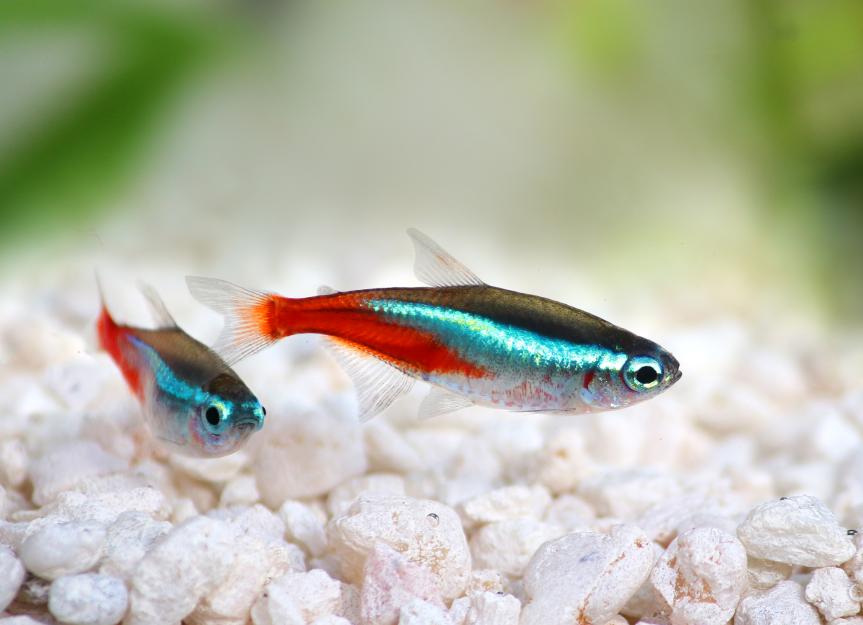
Neon Tetras are famous for their bright blue and red stripes. Cardinal Tetras are similar but show more vivid colors. Black Skirt Tetras have a unique dark body and flowing fins. Glowlight Tetras shine with a glowing orange stripe. Rummy Nose Tetras stand out with red noses and striped tails.
Physical Characteristics
Tetras are small, usually 1 to 2 inches long. They have a streamlined body shape. Their fins are often rounded or slightly pointed. Most tetras have a peaceful nature. They thrive in groups and need a calm environment.
Color Patterns
Tetras display bright, eye-catching colors. Many show horizontal stripes in red, blue, or green. Some have spots or patches on their bodies. The colors help them blend in with plants. This camouflage protects them from predators in the wild.
Habitat And Environment
Tetra fish thrive best in environments that mimic their natural habitat. Understanding their habitat helps create a healthy tank. It supports their colors, behavior, and overall health.
Each type of tetra prefers slightly different conditions. Knowing these details ensures your fish feel safe and active.
Natural Habitats
Tetras live mainly in South American rivers and streams. They prefer slow-moving waters with plenty of plants. These areas have soft, slightly acidic water. Leaf litter and branches provide hiding spots. Shaded water helps protect them from strong sunlight.
Water Conditions
Soft water with a pH between 6.0 and 7.0 suits most tetras. Temperature should stay between 72°F and 80°F. They need clean water with low nitrate levels. Regular water changes keep the environment safe. Good filtration helps maintain oxygen and clarity.
Tank Setup Tips
Choose a tank with at least 10 gallons of water. Add live plants like Java moss or Amazon sword. Use dark substrate to mimic riverbeds. Provide hiding places with driftwood or rocks. Keep lighting soft to avoid stress. Maintain stable water temperature and pH. Avoid overcrowding to reduce fish stress.
Feeding Tetra Fish
Feeding Tetra Fish is a simple task that helps keep them healthy and active. Tetras enjoy a variety of foods that meet their nutritional needs. Giving them the right diet supports their vibrant colors and lively behavior.
Understanding what to feed and how often makes a big difference. Tetras are small fish, so portion control matters. Overfeeding can cause water problems and health issues.
Diet Preferences
Tetras prefer foods rich in protein and plant matter. They enjoy small flakes and pellets made for tropical fish. Live or frozen foods like brine shrimp and daphnia excite their natural hunting instincts. Some species like bloodworms as a treat. Variety keeps their diet balanced and interesting.
Feeding Frequency
Feed Tetras two times a day. Offer only what they can eat in two minutes. Young Tetras may eat more often. Avoid leftover food to keep the tank clean. Regular feeding times help establish a routine and reduce stress.
Best Food Types
High-quality flake food is perfect for daily feeding. Small pellets also work well for Tetras. Live foods such as brine shrimp boost energy and color. Frozen foods are a good alternative to live options. Occasionally, offer vegetable flakes or blanched peas for fiber. Mixing food types promotes good health.

Credit: aquastore.in
Behavior And Social Traits
Tetra fish display interesting behavior and social traits. These traits make them popular in home aquariums. Understanding their habits helps create a happy environment for them.
Schooling Habits
Tetras prefer to live in groups called schools. They swim closely together for safety. Schooling reduces stress and keeps them active. Small groups may cause shy or lonely fish. A group of six or more is ideal.
Compatibility With Other Fish
Tetras are peaceful and get along with many species. They do well with other small, non-aggressive fish. Avoid housing them with large or aggressive fish. Tetras need calm tank mates to thrive. Proper compatibility prevents fighting and stress.
Common Behaviors
Tetras are active swimmers and explore their surroundings. They often dart quickly but stay close to their group. These fish show curiosity but avoid bright lights. Tetras communicate with small movements and color changes. Watching them can be relaxing and fun.
Breeding Tetra Fish
Breeding tetra fish offers a rewarding experience for aquarium enthusiasts. These small, colorful fish have a fascinating reproductive cycle. Understanding their needs helps create the right environment for spawning and raising healthy fry. This guide covers key steps in breeding tetra fish.
Breeding Conditions
Set up a separate breeding tank with soft, slightly acidic water. Keep the temperature between 75 and 80°F (24-27°C). Use a sponge filter to provide gentle water flow. Add plenty of plants or spawning mops for the fish to lay eggs on. Dim lighting reduces stress and encourages breeding.
Spawning Process
Introduce a healthy pair or group of tetras to the breeding tank. Males chase females gently to start the spawning ritual. Females scatter eggs on plants or spawning mops. Males fertilize the eggs immediately. Remove adult fish after spawning to protect eggs from being eaten.
Raising Fry
Eggs hatch in about 24 to 36 hours. Fry stay near the bottom at first, feeding on their yolk sacs. After 3 to 5 days, feed them infusoria or commercially available liquid fry food. Gradually offer newly hatched brine shrimp as they grow. Maintain clean water with regular, gentle changes for healthy fry development.
Health And Disease
Tetra fish are popular pets known for their vibrant colors and peaceful nature. Their health is important to keep them lively and beautiful. Like all fish, tetras can get sick from poor water or stress. Understanding common diseases helps owners act fast. Keeping tetras healthy means knowing how to prevent illnesses and treat problems early.
Common Illnesses
Tetras often face diseases like Ich, fin rot, and fungal infections. Ich shows as white spots on their body and fins. Fin rot causes fins to look ragged and torn. Fungal infections appear as cotton-like patches on the skin. Swim bladder disease makes fish swim abnormally or float upside down. These illnesses come from dirty water or sudden changes in environment.
Prevention Tips
Clean water is key to keeping tetras healthy. Change 20% of the water weekly to remove waste. Avoid overcrowding; too many fish cause stress and sickness. Feed a balanced diet with quality flakes or pellets. Quarantine new fish for two weeks to avoid spreading disease. Keep the tank temperature stable, between 72 and 78°F. Use a good filter to maintain water quality.
Treatment Options
Early treatment helps tetras recover quickly. For Ich, raise the water temperature slightly and use aquarium salt. Fin rot needs antibacterial medication in the water. Use antifungal treatments for fungal infections. Swim bladder problems may improve with fasting for one day. Always follow medicine instructions carefully. Remove sick fish to a separate tank for treatment and avoid spreading illness.
Maintaining A Tetra Aquarium
Keeping a Tetra aquarium healthy takes regular care. Tetras are small, active fish that need clean water and a stable environment. Proper maintenance helps your fish stay happy and live longer.
Regular checks and simple tasks can prevent many problems. This section explains key steps to maintain your Tetra aquarium successfully.
Cleaning Routine
Clean the aquarium every week to remove dirt and waste. Use a siphon to vacuum the gravel gently. Wipe algae off the glass with a soft cloth. Change 20-25% of the water during each cleaning. Avoid using soap or chemicals inside the tank.
Water Quality Management
Test the water regularly for pH, ammonia, nitrite, and nitrate. Tetras prefer a pH between 6.0 and 7.5. Keep ammonia and nitrite at zero levels. Nitrate should stay below 20 ppm. Use a water conditioner to remove harmful chlorine and chloramine from tap water.
Equipment Essentials
A reliable filter keeps the water clean and clear. Choose a filter that fits your tank size. Use a heater to keep water between 72°F and 80°F (22°C-27°C). Add an air pump for good oxygen flow. A light with a timer helps plants and fish maintain a natural cycle.

Credit: www.blessingsaquarium.com
Credit: www.petmd.com
How Smart Pets Lover Can Help You with Tetra Fish
Learning Through Caring for Tetra Fish
Understanding Tetra fish goes beyond just knowing their species or habitat—it’s a wonderful practical lesson in responsibility and observation. When you maintain a Tetra aquarium, you’re not only creating a vibrant environment but also honing skills like monitoring water quality and recognizing subtle behavior changes. These social creatures teach us about community dynamics and the importance of a balanced ecosystem.
Feeding Tetras offers insight into nutritional needs and how diet impacts health, reinforcing the connection between care and well-being. Watching their breeding habits can spark curiosity about life cycles and natural instincts, making it a hands-on learning experience for all ages.
- Observe their social behavior to understand fish communication
- Practice consistent tank maintenance to ensure a healthy habitat
- Note feeding patterns to appreciate nutritional balance
At Smart Pets Lover, we believe every moment with your Tetras is an opportunity to deepen your bond and knowledge. If you ever have questions or want to share your experiences, connecting with fellow enthusiasts can enrich your journey—feel free to reach out to communities or experts who share your passion.
Frequently Asked Questions
What Is The Ideal Tank Size For Tetra Fish?
A 10-gallon tank is perfect for a small Tetra group. Larger tanks suit bigger schools and promote healthy swimming space.
How Often Should I Feed My Tetra Fish?
Feed Tetra fish once or twice daily. Provide only what they can eat in 2-3 minutes to avoid overfeeding.
What Water Conditions Do Tetra Fish Prefer?
Tetras thrive in slightly acidic to neutral water, pH 6. 0-7. 5. Keep temperature between 72°F and 80°F for best health.
Are Tetra Fish Peaceful Community Tank Mates?
Yes, Tetras are peaceful and social. They do well with other non-aggressive fish in community tanks.
Conclusion
Tetra fish bring color and life to any aquarium. They are small but very active swimmers. Caring for them is simple with the right tank setup. Their peaceful nature makes them great for community tanks. Feeding them a balanced diet keeps them healthy and bright.
Watching tetra fish swim can be relaxing and fun. They fit well in both beginner and experienced hobbyists’ tanks. Choose tetras to add beauty and calm to your home.