Telescope Goldfish
Are you thinking about adding a unique and charming fish to your aquarium? Telescope Goldfish might be exactly what you need.
With their striking bulging eyes and shimmering colors, these fish catch attention like no other. But before you bring one home, there are important things you should know to keep your new pet healthy and happy. Keep reading, and you’ll discover everything you need to care for your Telescope Goldfish like a pro.
Credit: www.swelluk.com
Origin And History
Telescope Goldfish are a unique type of fancy goldfish. They are known for their distinctive, protruding eyes that give them a curious look. The history of these fish is quite interesting and shows how careful breeding created their special features.
The origins of Telescope Goldfish trace back to ancient China. Goldfish breeding started over a thousand years ago. Early breeders wanted to create fish with unusual and beautiful shapes. This led to the development of many fancy goldfish varieties, including the Telescope Goldfish.
These fish became popular in Japan and later spread to other parts of the world. Their unusual eyes made them a favorite among hobbyists. Over time, breeders improved their colors and body shapes to make them even more attractive.
Early Breeding In China
Goldfish breeding began during the Jin Dynasty in China. People kept goldfish in ponds for beauty and luck. Breeders selected fish with unique traits to develop new types. The Telescope Goldfish emerged from this selective breeding process.
Spread To Japan And Beyond
Japanese breeders further refined the Telescope Goldfish. They focused on enhancing eye size and body form. The fish became popular in Europe and America by the 19th century. Today, Telescope Goldfish remain a prized variety worldwide.
Modern Breeding And Varieties
Modern breeders use careful techniques to maintain Telescope Goldfish traits. They work to improve eye shape and color patterns. Many color varieties now exist, including red, black, and calico. These fish continue to charm goldfish enthusiasts everywhere.
Distinctive Features
Telescope goldfish stand out from other fish due to their unique looks. Their special features attract many fish lovers. These traits make them easy to recognize and fun to watch.
Below are the main traits that make telescope goldfish different and charming.
Eye Structure
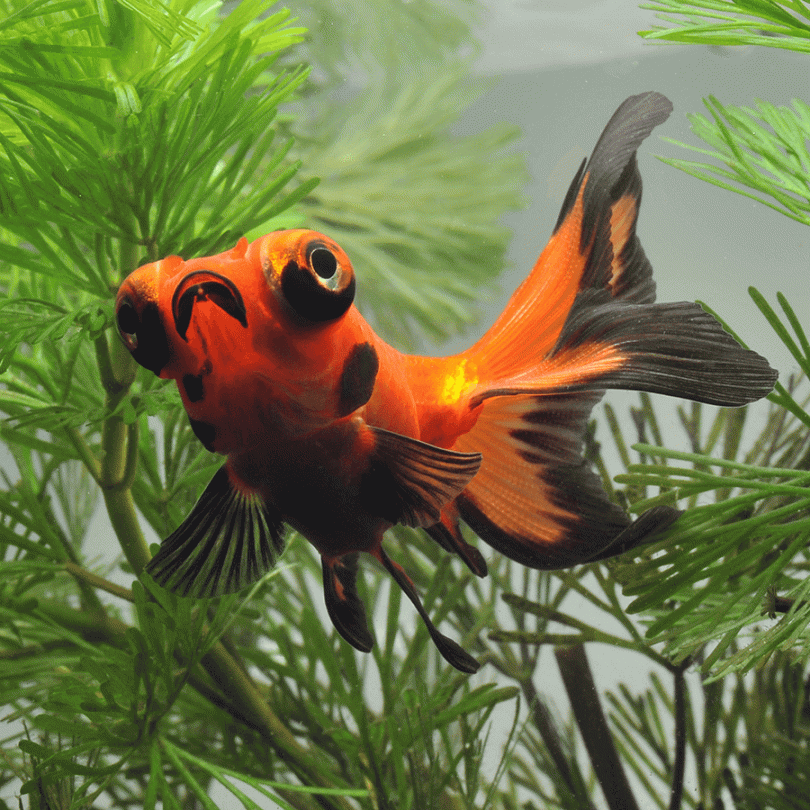
Telescope goldfish have large, round eyes that stick out. Their eyes look like small telescopes, giving the fish its name. These eyes allow them to see better around them.
The eyes can sometimes look delicate but add a lot to their beauty. They move slowly and have a wide view of their tank.
Body Shape
The body of a telescope goldfish is round and short. It looks a bit like a ball. This shape makes them swim slowly and gently.
The tail fin is long and flowing, adding grace to their movements. Their body shape makes them different from fast-swimming goldfish.
Color Variations
Telescope goldfish come in many bright colors. Common colors include orange, red, black, and white. Some have mixed colors that create a beautiful pattern.
These colors help owners pick fish that fit their tank style. The shine on their scales makes them look bright and lively.
Care Requirements
Telescope Goldfish need special care to thrive. Their unique eyes make them more sensitive than other goldfish. Proper care helps keep them healthy and happy.
Tank Setup
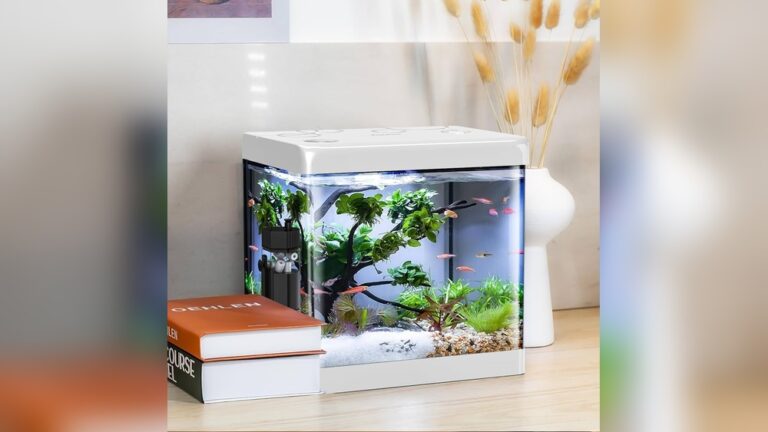
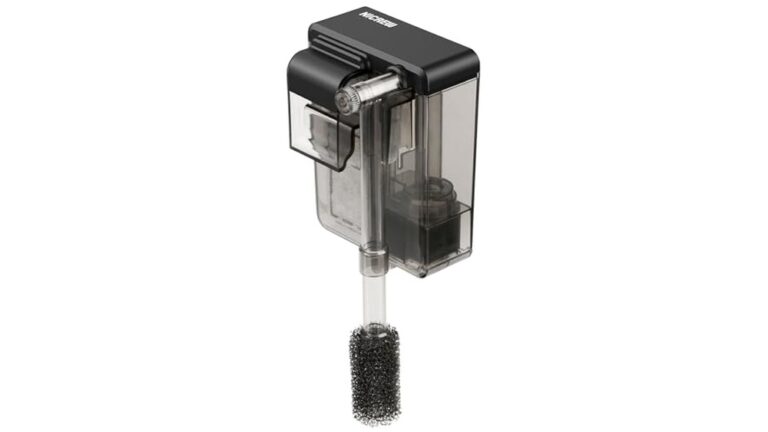
Choose a tank of at least 20 gallons for one Telescope Goldfish. They need plenty of space to swim. Use a smooth gravel or sand substrate to protect their eyes. Add live or silk plants for hiding spots. Avoid sharp decorations that could hurt their delicate eyes. Install a gentle filter to keep the water clean but avoid strong currents.
Water Conditions
Keep the water temperature between 65 and 75°F (18-24°C). Telescope Goldfish prefer cooler water. Maintain a pH level from 6.5 to 7.5. Test water regularly to avoid harmful changes. Perform weekly water changes of 20-30% to keep the tank fresh. Avoid sudden temperature or pH shifts, as they stress the fish.
Feeding Habits
Feed Telescope Goldfish small meals two to three times daily. Use sinking pellets or flakes to prevent choking. Include fresh vegetables like peas or spinach for variety. Avoid overfeeding to prevent water pollution and health issues. Remove uneaten food after feeding to keep the tank clean.

Credit: www.youtube.com
Common Health Issues
Telescope Goldfish are beautiful but delicate pets. They have unique features that need special care. Common health problems can affect their well-being and lifespan. Knowing these issues helps you keep your fish happy and healthy.
Eye Injuries
The large, protruding eyes of Telescope Goldfish are prone to injury. They can bump into tank decorations or glass walls. Eye injuries may cause cloudiness or swelling. Watch for signs like rubbing or loss of vision. Treat injuries quickly to prevent infection and blindness.
Swim Bladder Problems
Swim bladder problems affect the fish’s ability to swim properly. This organ controls balance and buoyancy. A sick Telescope Goldfish may float sideways or sink to the bottom. Overfeeding and poor water quality often cause these problems. Keep an eye on their swimming behavior daily.
Preventive Measures
Good tank setup reduces health risks. Use soft decorations to protect their eyes. Avoid sharp or rough objects in the aquarium. Feed a balanced diet and avoid overfeeding. Keep water clean with regular changes and proper filtration. Check water temperature and quality often. Healthy conditions help prevent many common issues.
Breeding Tips
Breeding Telescope Goldfish can be a rewarding experience for fish keepers. It requires careful planning and attention to detail. Healthy fish and the right environment increase the chances of success.
Selecting Breeding Pairs
Choose Telescope Goldfish that are healthy and active. Look for bright colors and clear, bulging eyes. Avoid fish with signs of illness or deformities. Select one male and one female for the best results. Males often have small white spots on their gill covers during breeding season.
Spawning Conditions
Keep the water temperature between 68°F and 74°F. Provide plenty of plants or spawning mops for eggs to stick to. Increase the feeding with live or frozen foods like bloodworms. Slightly lower the water level to encourage spawning behavior. Separate the breeding tank from other fish to reduce stress.
Raising Fry
Once eggs hatch, feed the fry with infusoria or finely crushed flakes. Change water regularly to keep it clean and oxygen-rich. Avoid strong water currents that may harm young fry. Gradually introduce larger foods as fry grow. Keep the tank well-lit to help fry develop properly.

Credit: www.mrpets.ca
Compatibility With Other Fish
Telescope Goldfish have unique needs in a community tank. Their large eyes and slow swimming style make them vulnerable. Choosing the right tank mates is key to a peaceful aquarium. Compatibility depends on size, behavior, and water needs of other fish. Careful planning helps prevent stress and injury for your Telescope Goldfish.
Suitable Tank Mates
Choose calm, slow-moving fish as tank mates. Fancy goldfish varieties are ideal companions. Fish like White Cloud Mountain Minnows or Zebra Danios also work well. Avoid fast or aggressive species that may chase or nip. Small fish that fit easily in their mouths are unsafe tank mates.
Aggression Levels
Telescope Goldfish are peaceful and rarely show aggression. They can be stressed by aggressive or territorial fish. Aggression can cause injury to their delicate eyes. Keep them away from cichlids and barbs known for fighting. Peaceful fish help maintain a calm tank environment.
Community Tank Tips
Provide plenty of space for all fish to swim freely. Use gentle filtration to avoid strong water currents. Place decorations carefully to protect Telescope Goldfish’s eyes. Feed different fish types separately to ensure proper nutrition. Regular water changes keep the tank clean and healthy.
How Smart Pets Lover Can Help You with Telescope Goldfish
Learning Through Caring for Your Telescope Goldfish
Embracing the unique charm of Telescope Goldfish opens up a world of practical learning for any pet lover. Understanding their distinctive features, like those prominent, bulging eyes, encourages attentiveness and patience—qualities essential for their care. By diving into their specific care requirements, you develop a hands-on knowledge of aquarium maintenance, water quality, and nutrition, which benefits not only your goldfish but any aquatic pet you may welcome in the future.
Observing common health issues in Telescope Goldfish provides valuable lessons in early detection and responsible pet parenting, nurturing a deeper bond through attentive care. Breeding tips shared in this article also offer insights into fish behavior and lifecycle, enriching your understanding of aquatic life cycles.
- Regular tank cleaning and water checks
- Monitoring for signs of illness
- Creating a compatible community with other peaceful fish
At Smart Pets Lover, we believe that every interaction with your pet is a chance to learn and connect. Should you want to explore more or have questions, reaching out to knowledgeable communities or pet care experts can be a great next step—because informed care is the heart of happy, healthy pets.
Frequently Asked Questions
What Are Telescope Goldfish And Their Unique Features?
Telescope Goldfish are a fancy variety with distinctive bulging eyes. Their eyes protrude outward, giving a telescope-like appearance. This trait makes them popular in aquariums. They have rounded bodies and vibrant colors, adding beauty to any fish tank.
How Do You Care For Telescope Goldfish Properly?
Telescope Goldfish need clean, well-filtered water and spacious tanks. Maintain water temperature between 65-75°F. Feed them a balanced diet of flakes, pellets, and occasional live food. Regular water changes and gentle handling prevent stress and eye injury.
What Tank Size Suits Telescope Goldfish Best?
A minimum 20-gallon tank is ideal for one Telescope Goldfish. They grow large and need room to swim. Bigger tanks help maintain water quality and reduce stress. Add 10 gallons for each additional fish to ensure comfort.
Are Telescope Goldfish Compatible With Other Fish Species?
Telescope Goldfish are peaceful but slow swimmers. They do well with other gentle, slow-moving fish. Avoid aggressive or fast species that may outcompete them for food. Ideal tank mates include other fancy goldfish varieties.
Conclusion
Telescope goldfish make a charming addition to any aquarium. They need clean water and gentle care to thrive. Their unique eyes give them a special look that many find delightful. Feeding them a balanced diet keeps them healthy and active.
Watching their slow, graceful movements brings calm and joy. Choose the right tank size to give them enough space. Regular tank cleaning helps prevent illness. These fish offer a peaceful, beautiful presence in your home. Caring for them is simple but rewarding.
A happy telescope goldfish brightens any room.