Swordtail Fish
Are you looking to add a splash of color and lively movement to your aquarium? Swordtail fish might be just what you need.
These graceful swimmers are not only beautiful but also easy to care for, making them perfect for both beginners and experienced fish keepers. Imagine watching your tank come alive with their vibrant colors and unique sword-like tails. If you want to learn how to keep your swordtail fish healthy and happy, and discover tips to create the perfect environment for them, keep reading.
Your underwater world is about to get a lot more exciting!
Swordtail Fish Basics
Swordtail fish are popular pets in many aquariums. They are easy to care for and add color to any tank. Understanding their basics helps in providing the best care. Here are some key facts about swordtail fish to get started.
Physical Features
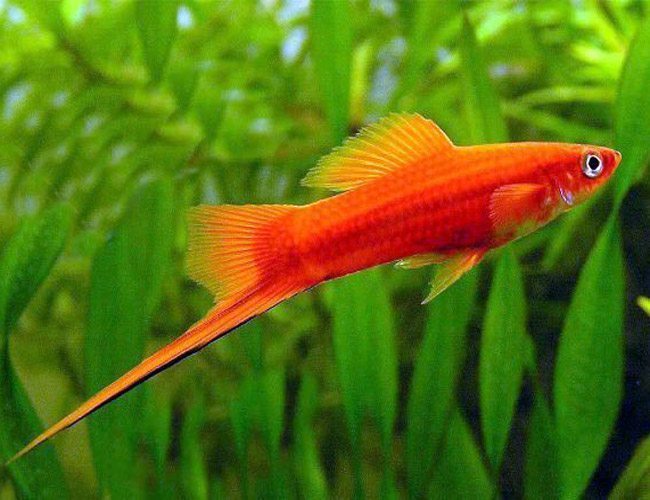
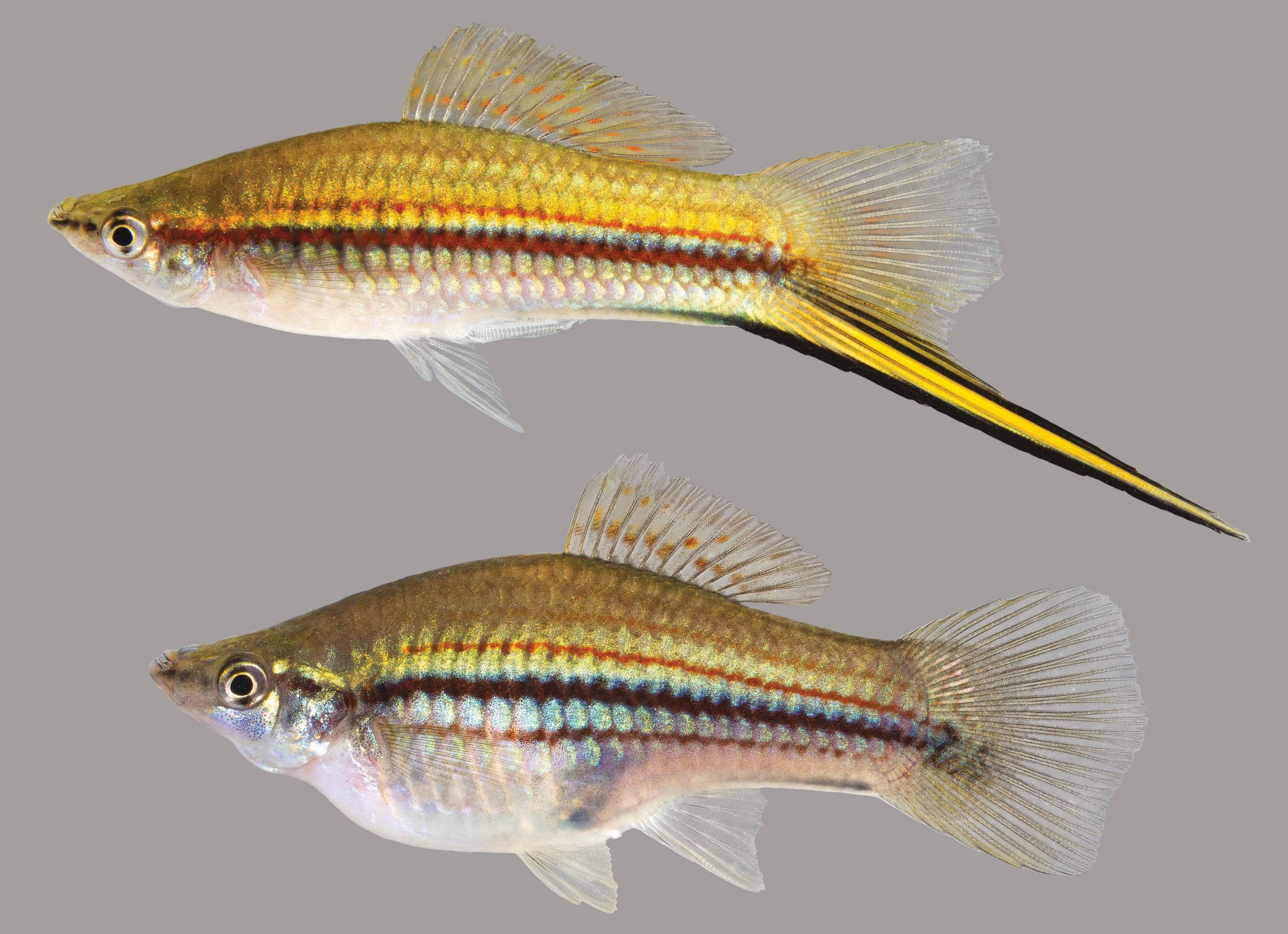
Swordtail fish are named for the long, sword-like extension on their tail fin. Males have a more pronounced “sword” than females. Their bodies come in many colors, including red, green, and yellow. They have a slim, sleek shape that allows them to swim quickly.
Natural Habitat
Swordtail fish live in freshwater rivers and streams. They come from Central America, especially Mexico and Honduras. These fish prefer slow-moving waters with plants and rocks. Plants provide hiding spots and help them feel safe.
Lifespan And Size
Swordtail fish usually live about 3 to 5 years. Their size ranges from 4 to 5 inches as adults. Males tend to be smaller than females. Proper care can help them live longer and stay healthy.
Types Of Swordtail Fish
Swordtail fish are popular in home aquariums due to their bright colors and active behavior. They belong to the genus Xiphophorus, which includes many types. Each type has unique traits, making them fun to collect and observe.
Understanding the types helps hobbyists choose the right fish. It also helps in caring for them properly. Below are the main categories of swordtail fish to know about.
Common Varieties
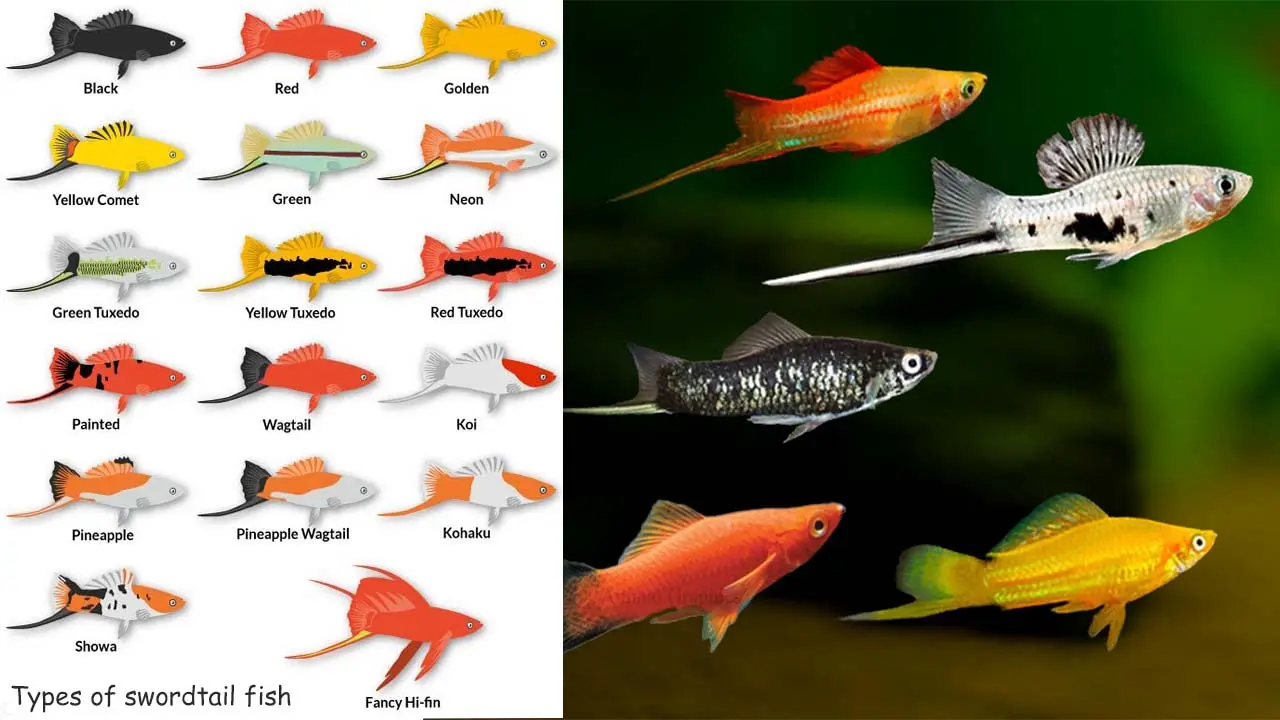
The most common swordtail fish is the green swordtail. It has a long, sword-like tail extension on males. Another popular type is the red swordtail. It shows a bright orange to red body color. The albino swordtail is also common, with a pale body and red eyes. These varieties are easy to find in pet stores.
Color Variations
Swordtails come in many colors. Some show solid colors like red, green, or yellow. Others have mixed colors or patterns. For example, some have spots or stripes on their bodies. Color changes can happen due to breeding or environmental factors. These variations make each fish look special and attractive.
Hybrid Species
Hybrid swordtails result from breeding different types. These fish often have mixed colors and shapes. Hybrids can show unique tail designs or unusual colors. They are popular among enthusiasts who want something different. These fish may have different care needs than pure types. It is important to research hybrids before adding them to your tank.
Setting Up The Aquarium
Setting up the aquarium for Swordtail fish is key to their health and happiness. A proper setup mimics their natural habitat. It creates a safe and comfortable environment. This helps the fish to thrive and show their best colors.
Tank Size And Equipment
Swordtail fish need enough space to swim freely. A 20-gallon tank is a good start for a small group. Add a reliable filter to keep water clean. Use an aquarium heater to keep temperature steady. Swordtails prefer water between 72°F and 78°F. Provide an air pump for oxygen circulation. Proper lighting helps plants grow and fish stay active.
Water Conditions
Maintain water with a pH level between 7.0 and 8.4. Keep water hardness around 12 to 30 dGH. Change 25% of the water every week to avoid toxins. Test water regularly for ammonia, nitrites, and nitrates. Swordtails like clean, well-oxygenated water. Avoid sudden changes in water temperature or quality.
Aquascaping Tips
Use live plants like Java fern or Anubias for hiding spots. Add smooth rocks and driftwood for decoration and shelter. Keep open swimming areas for Swordtails to move freely. Avoid sharp objects that can harm their fins. Create a balanced layout with plants and open space. This helps reduce stress and encourages natural behavior.
Credit: azgardens.com
Feeding Swordtails
Swordtails are lively fish that need a balanced diet to stay healthy. Feeding them properly helps them grow strong and show bright colors. Knowing what and how often to feed is very important for their well-being.
Good feeding habits also reduce waste in the tank. This keeps the water clean and safe for all your fish. Let’s explore the best ways to feed Swordtail fish.
Diet Requirements
Swordtails are omnivores. They eat both plants and small animals. Their diet must include protein and plant matter. Protein supports their growth and energy. Plant material helps their digestion and health. A mix of both keeps them balanced and active.
Feeding Frequency
Feed adult Swordtails once or twice a day. Young Swordtails need more frequent feeding. Three small meals daily work best for them. Avoid overfeeding to prevent water pollution. Remove any uneaten food after a few minutes.
Best Food Options
High-quality flake or pellet food works well. Choose formulas made for tropical fish. Add live or frozen foods like brine shrimp or bloodworms. These boost protein intake and interest. Fresh vegetables, like spinach or peas, are good too. They provide fiber and nutrients.
Behavior And Compatibility
Swordtail fish have unique behavior and compatibility traits. Understanding these helps keep them happy and healthy in a tank. Their social nature and interaction with other fish matter a lot. Knowing which tank mates work best is key to a peaceful aquarium.
Social Habits
Swordtails are active and social fish. They enjoy swimming in groups of three or more. They show lively behavior, often chasing each other playfully. These fish like open spaces to swim freely. They are curious and explore their environment constantly. Keeping them in small groups reduces stress and promotes natural behavior.
Compatible Tank Mates
Choose peaceful fish that share similar water needs. Guppies, mollies, and platies mix well with swordtails. Avoid slow or shy fish that might get bullied. Avoid aggressive species that could harm them. Small to medium-sized fish make good companions. Always watch how new fish interact before finalizing the group.
Aggression And Territoriality
Male swordtails can show mild aggression. They sometimes compete for females or space. Providing plenty of hiding spots helps reduce fights. Avoid overcrowding to limit territorial disputes. Aggression rarely causes serious harm but watch for signs. Separating overly aggressive males keeps the tank peaceful.
Credit: www.floridamuseum.ufl.edu
Breeding Swordtail Fish
Swordtail fish are popular among aquarium hobbyists for their bright colors and lively behavior. Breeding them is easy and rewarding. These fish are livebearers, meaning they give birth to free-swimming young instead of laying eggs.
Understanding the right conditions and care helps ensure healthy offspring. Keep the tank clean and stable. Provide enough space for the adults and the fry to grow safely.
Breeding Conditions
Swordtails breed best in warm water between 72°F and 78°F. The pH should be neutral or slightly alkaline, around 7.0 to 8.3. Use a tank with plants and hiding spots. Males display their sword-like tails to attract females. A ratio of one male to two or three females reduces stress. Feed them high-quality food daily to boost breeding chances.
Gestation Period
The female carries the fry for about 24 to 30 days. During this time, avoid stressing her. She will show signs of pregnancy, like a swollen belly. Near birth, the female may hide in plants. Watch closely; the fry can be born any day after the gestation period.
Caring For Fry
Move the fry to a separate tank or use a breeding box to protect them. Feed tiny food like crushed flakes or baby brine shrimp. Change water regularly to keep it clean. Fry grow fast and need good care to survive. Avoid overcrowding to reduce disease and stress.
Common Health Issues
Swordtail fish are popular in home aquariums. They are hardy but can face health problems. Knowing common health issues helps keep them healthy. Early care prevents serious illness. Monitoring your fish daily is important. Look for changes in behavior or appearance. Quick action improves recovery chances.
Signs Of Illness
Watch for dull colors or faded fins. Clamped fins mean stress or sickness. Swordtails may stop eating or swim oddly. Gasping at the water surface shows breathing trouble. White spots or fuzzy patches indicate infections. Lethargy or hiding more than usual signals a problem. Detecting signs early helps save your fish.
Preventive Care
Keep the tank clean and well filtered. Change water regularly to remove waste. Feed a balanced diet with quality food. Avoid overfeeding to prevent water pollution. Maintain stable water temperature and pH levels. Quarantine new fish before adding to the tank. Stress reduction helps boost fish immune systems.
Treatment Options
Identify the illness type before treatment. Use aquarium salt for minor infections. Medications are available for parasites and bacteria. Follow instructions carefully when dosing medicine. Improve water quality to support healing. Remove sick fish to a separate tank if needed. Consult an expert for severe or unclear cases.
Credit: www.hygger-online.com
How Smart Pets Lover Can Help You with Swordtail Fish
Learning Through Swordtail Fish Care
Embracing the journey of caring for Swordtail Fish opens up wonderful practical learning opportunities. From understanding their behavior and compatibility with tank mates to mastering the nuances of feeding and breeding, each step offers valuable insights into aquatic life. For instance, observing their social interactions can teach patience and attentiveness, while setting up a balanced aquarium environment reinforces responsible pet ownership.
At Smart Pets Lover, we believe that these experiences deepen your connection with your finned friends and foster confidence in pet care. Exploring common health issues not only prepares you to act promptly but also sharpens your problem-solving skills, making you a more informed and compassionate pet parent.
- Track water parameters and notice how Swordtails respond
- Experiment with varied feeding routines to see what suits them best
- Observe breeding behaviors to appreciate their natural cycles
Remember, every observation is a story that strengthens your bond. For further advice or questions, reaching out to local aquarist groups or trusted pet care forums can be a great resource to keep learning and growing alongside your Swordtails.
Frequently Asked Questions
What Is The Ideal Tank Size For Swordtail Fish?
Swordtail fish thrive in tanks of at least 20 gallons. Larger tanks provide more swimming space and stable water conditions. Adequate space helps reduce stress and aggression among Swordtails, promoting healthier and longer lives.
What Do Swordtail Fish Eat In Captivity?
Swordtail fish are omnivores. They eat flakes, pellets, and live or frozen foods like brine shrimp and bloodworms. A balanced diet ensures vibrant colors and good health.
How Often Should I Change Water For Swordtail Fish?
Change 25-30% of the water weekly to maintain cleanliness. Regular water changes reduce toxins and keep the environment healthy for Swordtails.
Are Swordtail Fish Compatible With Other Fish Species?
Yes, Swordtails are peaceful and compatible with many community fish like guppies and mollies. Avoid aggressive species to prevent stress and injuries.
Conclusion
Swordtail fish add color and life to any aquarium. They are easy to care for and adapt well. Their peaceful nature makes them great for community tanks. Feeding them a balanced diet keeps them healthy and active. Watching their playful behavior brings joy to fishkeepers.
Try adding swordtails to your tank for a lively touch. They brighten spaces and offer a simple way to enjoy fishkeeping. Small efforts lead to happy, thriving swordtail fish.