Spotted Raphael Catfish
If you’re looking to add a unique and fascinating fish to your aquarium, the Spotted Raphael Catfish might be exactly what you need. This fish isn’t just beautiful with its distinct spots and sleek body—it’s also surprisingly easy to care for.
Imagine watching your tank come alive with a peaceful, mysterious creature that’s active during the night and calm during the day. Curious to know what makes the Spotted Raphael Catfish so special and how you can keep it happy and healthy?
Keep reading, because your next favorite aquarium companion is waiting.
Appearance And Size
The Spotted Raphael Catfish is a popular fish in home aquariums. It has a unique look that stands out among other catfish species. Its size and shape make it an interesting addition to many tanks. Understanding its appearance helps hobbyists care for it properly and enjoy its beauty.
Color Patterns
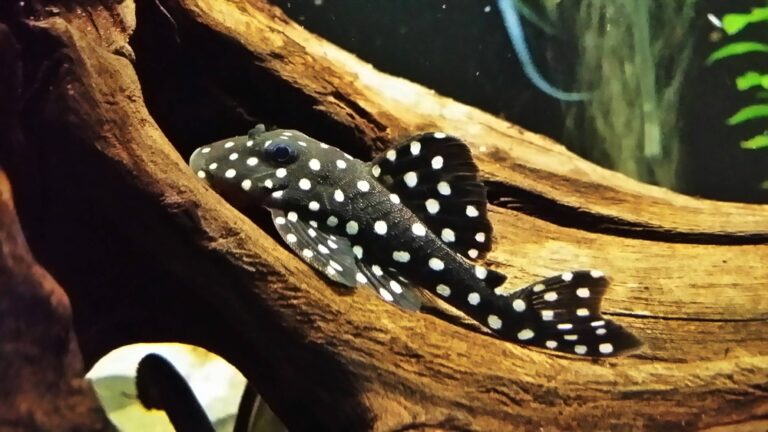
This catfish displays a light brown or tan body. Dark spots cover its entire body. The spots are round and vary in size. These patterns help the fish blend into riverbeds. The contrast between spots and body is striking. The fins also show some spotted patterns. This makes the fish look natural and wild.
Body Shape
The Spotted Raphael Catfish has a long, flat body. Its head is broad and slightly rounded. The body is covered with bony plates instead of scales. This gives it a tough, armored look. The fish has three pairs of barbels near its mouth. These help it sense food in dark waters. Its fins are strong and help it move smoothly.
Growth Expectations
This catfish grows slowly over time. Most adults reach about 6 to 7 inches in length. Some may grow slightly larger in spacious tanks. The fish’s size makes it suitable for medium to large aquariums. It stays relatively small compared to other catfish species. Proper care supports steady, healthy growth.

Credit: aquariumfishonline.com.au
Natural Habitat
The Spotted Raphael Catfish thrives in unique natural settings. Understanding its habitat helps in caring for it properly. This fish lives in calm waters with plenty of cover. It prefers environments where it can hide and feel safe. Its natural surroundings shape its behavior and health.
Geographic Range
Spotted Raphael Catfish are native to South America. They live mainly in the Amazon Basin. Countries like Brazil, Peru, and Colombia host these fish. They spread across slow-moving rivers and floodplains. This wide range offers diverse places for them to live.
Water Conditions
The water is usually warm, between 75 and 82°F. It stays slightly acidic to neutral, with pH around 6.0 to 7.5. The water is soft to moderately hard. It contains plenty of plant debris and leaves. Low light and murky water suit this catfish best.
Behavior In The Wild
Spotted Raphael Catfish are mostly nocturnal. They hide during the day under logs and rocks. At night, they search for food along the riverbed. They eat small insects, worms, and plant matter. These catfish prefer to stay alone or in small groups. Their shy nature helps them avoid predators.
Tank Setup
The Spotted Raphael Catfish needs a proper tank setup to thrive. A well-prepared environment keeps them healthy and active. Each part of the tank plays a key role in their comfort and behavior.
Tank Size
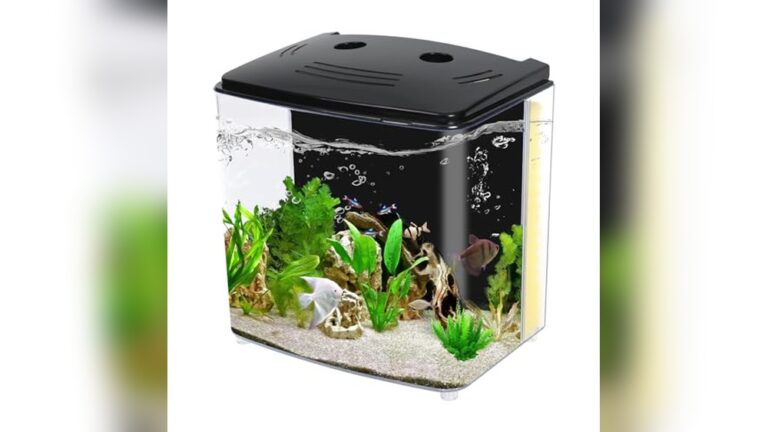
Choose a tank of at least 30 gallons. This size gives enough space to swim and hide. Larger tanks help keep water quality stable. Avoid small tanks to reduce stress on the catfish.
Substrate And Decor
Soft sand or fine gravel works best for the substrate. It protects their sensitive barbels from damage. Add driftwood and smooth rocks for hiding spots. Plants provide cover and make the tank natural. Avoid sharp decorations that can hurt the fish.
Water Parameters
Maintain a temperature between 72 and 79°F (22-26°C). Keep pH levels around 6.5 to 7.5. The water should be soft to moderately hard. Regular water changes help keep the tank clean. Stable conditions reduce stress and disease risks.

Credit: aquaticarts.com
Diet And Feeding
The Spotted Raphael Catfish has a simple diet. It prefers a mix of foods that suit its bottom-dwelling nature. Feeding this fish properly helps it stay healthy and active. Understanding what and how to feed is key to keeping this fish happy in your aquarium.
Preferred Foods
This catfish enjoys sinking foods like pellets and wafers. It also eats live or frozen foods such as bloodworms and brine shrimp. Vegetables like zucchini or cucumber slices make good snacks. A varied diet helps meet all its nutritional needs.
Feeding Schedule
Feed your Spotted Raphael Catfish once or twice a day. Offer only as much food as it can eat in a few minutes. Avoid overfeeding to keep the water clean. Night feeding works well, as this fish is more active then.
Nutritional Tips
Include protein-rich foods to support growth and health. Add plant-based items for fiber and vitamins. Remove uneaten food quickly to prevent water pollution. A balanced diet reduces disease risks and promotes vibrant colors.
Tank Mates
Choosing the right tank mates for Spotted Raphael Catfish is important. These fish prefer peaceful company and a calm environment. Knowing which species can live well together helps keep your aquarium balanced and healthy.
Spotted Raphael Catfish are bottom dwellers. They enjoy hiding spots and soft substrates. Their tank mates should not compete aggressively for space or food.
Compatible Species
Good tank mates include small to medium peaceful fish. Tetras, Corydoras, and Guppies are suitable choices. Snails and shrimp also live well with them. Avoid large or aggressive fish that may harm the catfish. Soft-finned fish also make good companions.
Aggression Levels
Spotted Raphael Catfish are generally peaceful. They avoid fights and stay mostly at the bottom. Aggressive fish can stress them out. Keep away cichlids or large barbs. Monitor your tank regularly for signs of stress or aggression.
Community Tank Tips
Provide plenty of hiding places with plants or caves. Space helps reduce conflicts and stress. Feed your fish well to avoid food competition. Maintain good water quality and stable conditions. A peaceful community tank creates a happy environment for all fish.
Breeding Spotted Raphael
Breeding Spotted Raphael Catfish can be a rewarding experience for aquarium hobbyists. These fish have unique habits that make breeding interesting. Understanding their needs and behaviors increases the chance of success. The process involves creating the right environment, observing spawning actions, and caring for the young fish.
Breeding Conditions
Spotted Raphael Catfish prefer soft, slightly acidic water. Keep the temperature between 78 and 82°F (25-28°C). Use a tank with plenty of hiding spots, such as caves or plants. Gentle water flow mimics their natural habitat. Feeding them high-quality food helps improve breeding readiness. Change 25% of the water weekly to keep it clean.
Spawning Behavior
These catfish spawn in pairs or small groups. They seek dark, enclosed spaces for laying eggs. Males guard the eggs until they hatch. Spawning often happens at night or early morning. The female lays sticky eggs on surfaces inside caves. Watch for increased activity and courtship dances before spawning.
Raising Fry
Fry become free-swimming after about five days. Feed them small live or frozen foods, like baby brine shrimp. Keep the water clean and oxygenated for healthy growth. Avoid strong currents to protect the tiny fish. Separate the fry from adult fish to prevent harm. Regular feeding and stable conditions help fry grow strong.
Common Health Issues
Spotted Raphael Catfish are hardy fish but can face health problems. Knowing common health issues helps keep them safe and happy. These issues often arise from water quality, diet, or stress. Early detection and care improve their chances of recovery.
Signs Of Illness
Watch for unusual swimming or hiding more than usual. Look for spots, redness, or swelling on their body. Loss of appetite or rapid breathing are warning signs. Faded colors and clamped fins also signal illness. These signs need quick attention to avoid serious problems.
Preventive Care
Keep the tank clean and maintain stable water conditions. Feed a balanced diet suitable for bottom feeders. Avoid overcrowding the tank to reduce stress and disease. Regular water tests help catch problems early. Quarantine new fish before adding them to the tank.
Treatment Options
Start treatment by improving water quality and tank cleanliness. Use aquarium salt or medication for common infections. Isolate sick fish to prevent spreading disease. Follow medicine instructions carefully for safe use. Consult a vet for persistent or serious symptoms.
Credit: www.reddit.com
Maintenance Tips
Maintaining a Spotted Raphael Catfish tank is simple with the right care steps. Proper maintenance keeps your fish healthy and happy. Small daily tasks prevent big problems later. Follow these tips to create a stable and clean environment for your catfish.
Cleaning Routine
Clean the tank regularly to remove waste and debris. Use a gravel vacuum to clean the substrate carefully. Change 20-30% of the water every week. Avoid cleaning the entire tank at once to keep beneficial bacteria. Wipe algae from the glass gently to keep the view clear.
Water Quality Monitoring
Check water parameters often. Test for ammonia, nitrite, and nitrate levels. Keep pH between 6.5 and 7.5, ideal for Spotted Raphael Catfish. Monitor temperature regularly, aiming for 72-79°F (22-26°C). Use a reliable water test kit for accuracy.
Equipment Checks
Inspect filters weekly to ensure they work well. Clean or replace filter media as needed without removing all bacteria. Check heaters for proper function to maintain stable temperature. Make sure air pumps and lights are operating correctly. Proper equipment keeps your tank safe and comfortable.
How Smart Pets Lover Can Help You with Spotted Raphael Catfish
Learning from the Spotted Raphael Catfish Experience
Getting to know the Spotted Raphael Catfish is more than just admiring its unique appearance or understanding its natural habitat. It’s a wonderful opportunity to deepen your practical knowledge about aquatic care—especially when it comes to tank setup and feeding habits. Observing how this peaceful bottom-dweller interacts with its environment can teach you the importance of creating a balanced ecosystem, tailored to meet both its dietary needs and social temperament.
At Smart Pets Lover, we believe that every fish story is a chance to build confidence and connection. When you maintain your tank thoughtfully, addressing common health issues and routine care, you’re not just caring for a pet—you’re cultivating a living classroom. If you ever want to explore more about fish care or have questions, reaching out to dedicated communities or experts can turn curiosity into lasting knowledge.
Remember, every careful step you take in caring for your Spotted Raphael reflects the same love and attention that makes pet parenting so rewarding. For additional guidance, feel free to contact us at [email protected]—because where every wag, purr, and chirp tells a story, your journey with your aquatic friends is just beginning.
Frequently Asked Questions
What Is A Spotted Raphael Catfish?
The Spotted Raphael Catfish is a peaceful freshwater fish. It features a brown body with white spots. It is popular in home aquariums for its unique look and calm nature.
How Big Do Spotted Raphael Catfish Grow?
Spotted Raphael Catfish typically grow up to 6 inches (15 cm). They need enough tank space to swim comfortably. Proper tank size helps maintain their health and activity.
What Is The Ideal Tank Setup For Spotted Raphael Catfish?
A tank with soft substrate and hiding spots suits them best. They prefer dim lighting and stable water conditions. Include plants and caves for comfort and security.
What Do Spotted Raphael Catfish Eat?
They are omnivores and eat sinking pellets, worms, and vegetables. They scavenge the tank bottom for leftover food. A balanced diet keeps them healthy and active.
Conclusion
The Spotted Raphael Catfish makes a great addition to home aquariums. It is peaceful and easy to care for. This fish enjoys hiding and exploring its tank. Watching its unique spots can be very relaxing. Keep the water clean and provide hiding spots.
This helps the catfish stay healthy and happy. Many fish lovers enjoy its calm nature. Try adding this catfish to your tank for a peaceful touch. It blends well with other friendly fish. A simple, quiet companion for any fishkeeper.