Snowflake Eel
Have you ever seen a fish that looks like it’s covered in tiny snowflakes? The Snowflake Eel is one of the most unique and eye-catching creatures in the underwater world.
If you want to learn what makes this eel so special and how you can spot it, you’re in the right place. By the end of this article, you’ll understand why the Snowflake Eel stands out and why it might just be your new favorite marine animal.
Keep reading to discover its secrets and fascinating features!
Credit: www.liveaquaria.com
Snowflake Eel Features
The Snowflake Eel is a unique and fascinating creature. It stands out due to its striking patterns and shape. This eel is popular among aquarium enthusiasts and marine lovers. Its features make it easy to identify and admire.
Understanding its physical traits helps appreciate its beauty and care needs. The Snowflake Eel has distinct marks and a sleek body. These features contribute to its charm and survival in the wild.
Physical Appearance
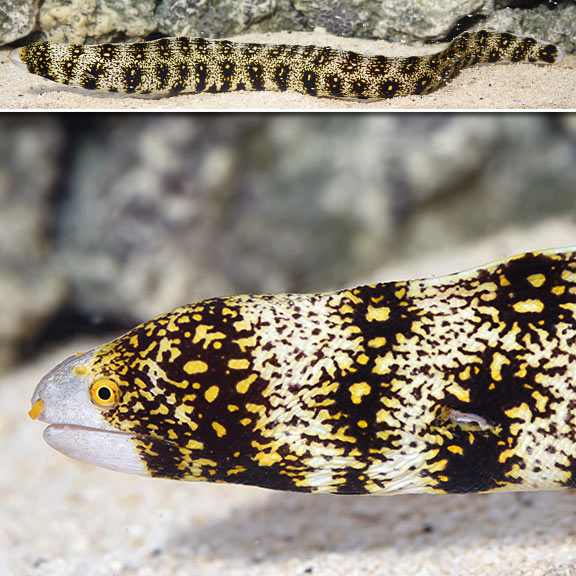
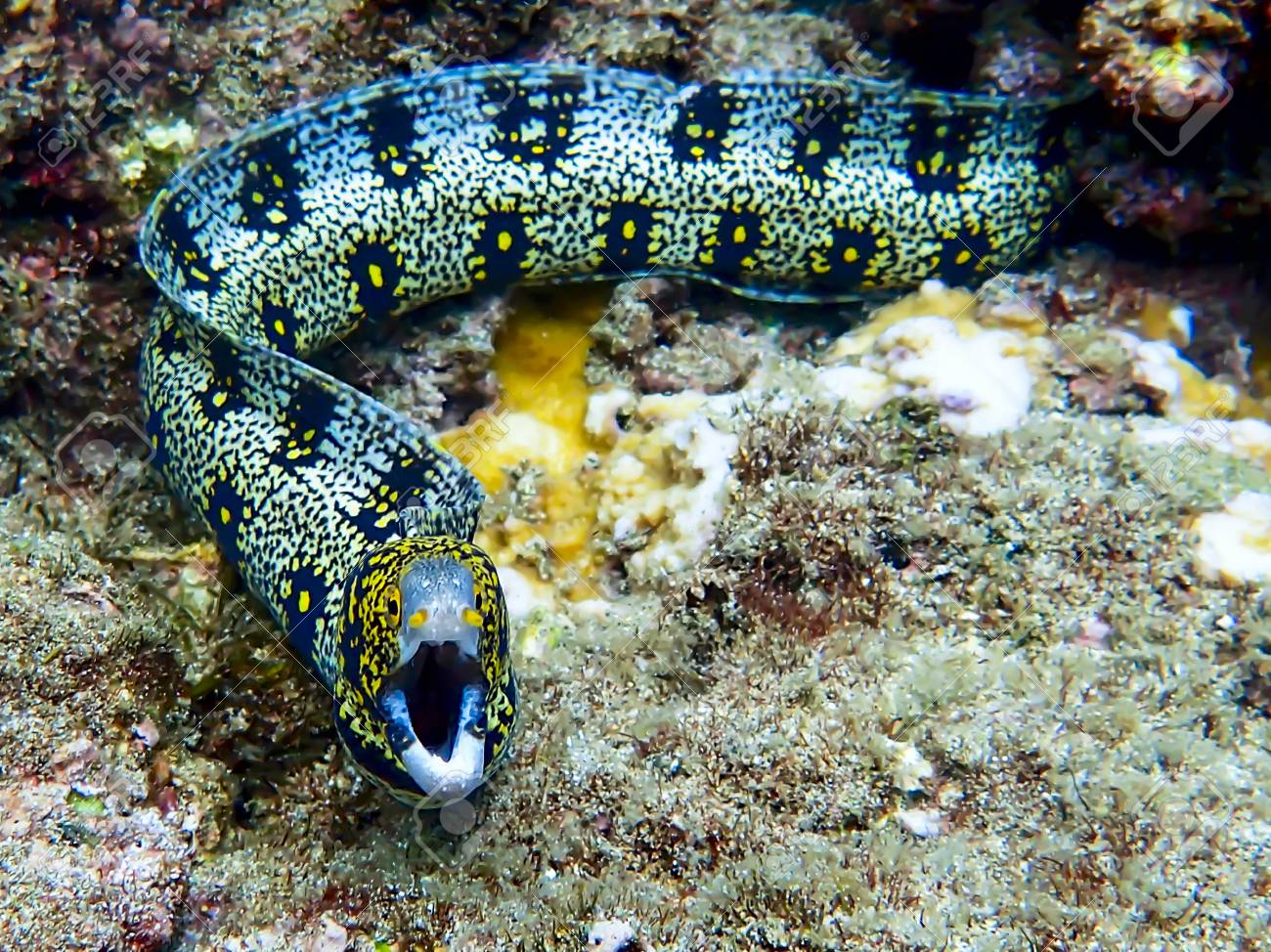
The Snowflake Eel has a long, slender body covered in smooth skin. Its color is mostly dark brown or black. White or yellow spots cover its body, resembling snowflakes. This pattern gives the eel its name and a unique look.
The eel’s head is narrow with small eyes. It has sharp teeth to catch prey. Its fins are small and close to the body. This design helps it move quickly through water and hide in tight spaces.
Size And Lifespan
Snowflake Eels grow to about 3 feet in length. Some may reach slightly longer sizes in the wild. They have a moderate lifespan, living up to 15 years in captivity. Proper care can help them live longer and stay healthy.
Their size and lifespan make them suitable for many home aquariums. They need enough space to swim and hide. Knowing their growth and lifespan helps owners plan better care.
Natural Habitat
The Snowflake Eel thrives in specific natural habitats that suit its unique lifestyle. Understanding where it lives helps us appreciate its needs and behavior. Its natural habitat offers the right conditions for feeding, hiding, and breeding.
Geographic Distribution
The Snowflake Eel is native to the Indo-Pacific region. It can be found around Indonesia, the Philippines, and Papua New Guinea. These areas provide warm tropical waters essential for its survival. The eel’s range extends to parts of Australia’s Great Barrier Reef. It rarely appears outside these regions.
Preferred Environment
Snowflake Eels prefer coral reefs and rocky crevices. They like places with plenty of hiding spots. These areas protect them from predators and strong currents. They live in shallow to moderately deep waters, usually 5 to 30 meters deep. The water is clear and warm, ranging from 24 to 28 degrees Celsius. This environment supports their nocturnal hunting habits and helps them stay safe during the day.
Behavior Patterns
The Snowflake Eel shows unique behavior patterns that make it interesting to observe. Understanding these patterns helps in caring for them well. Their habits reveal how they survive and thrive in their environment.
These eels have distinct ways of feeding and staying active. Their behavior often reflects their natural habitat and instincts.
Feeding Habits
Snowflake Eels are carnivores and prefer live food. They hunt small fish, shrimp, and worms. They use their sharp teeth to catch prey quickly. Feeding mostly happens at night when they are most active. They stay hidden during the day, waiting for food. In captivity, they accept frozen or prepared foods as well. Feeding small amounts often helps keep them healthy. Overfeeding can cause health problems and water issues.
Activity Cycle
Snowflake Eels are nocturnal creatures. They sleep or hide during daylight hours. At night, they explore their space and search for food. Their activity peaks after sunset and before sunrise. They like to stay close to rocks and crevices. This behavior offers safety and comfort. Understanding their cycle helps in feeding and tank setup. Providing a dark environment at night supports their natural rhythm.
Tank Setup For Snowflake Eel
Setting up a tank for a Snowflake Eel needs care and the right environment. This eel loves to hide and explore. A proper tank helps it feel safe and stay healthy. The setup must match its natural habitat and needs.
Tank Size And Equipment
A tank of at least 30 gallons suits one Snowflake Eel. Bigger tanks give more room to swim. Use a tight-fitting lid to prevent escapes. Install a gentle filter for clean, slow-moving water. Avoid strong currents that stress the eel. Provide soft lighting, as bright light can scare it.
Water Conditions
Keep the water temperature between 72°F and 78°F. The pH should stay near neutral, around 6.5 to 7.5. Maintain low ammonia and nitrate levels. Regular water changes help keep the tank clean. Stable water conditions reduce stress and illness. Monitor water quality often with test kits.
Aquascaping Tips
Use smooth rocks and driftwood to create hiding spots. Plants add cover and reduce light levels. Avoid sharp decorations that can injure the eel. Provide dark caves or PVC pipes for shelter. Leave open space for swimming and hunting. This setup mimics the eel’s natural environment well.
Diet And Feeding
The Snowflake Eel needs the right diet to stay healthy and active. Understanding what to feed and how often is key to its care. This eel has specific tastes and needs that keep it strong and vibrant.
Recommended Foods
Snowflake Eels prefer a diet rich in protein. Live or frozen foods like bloodworms and brine shrimp are ideal. Small pieces of fish or shrimp also work well. Avoid dry flakes or pellets, as they might not eat them. Fresh, high-quality food helps maintain their bright colors and energy.
Feeding Frequency
Feed the Snowflake Eel two to three times a week. They do not require daily feeding. Overfeeding can cause health issues and dirty the tank. Offer only what the eel can eat in a few minutes. Watch for signs of hunger or fullness to adjust feeding times.
Credit: www.violetaquarium.com
Health And Care
Snowflake eels need proper care to stay healthy and active. Their environment and diet play a big role in their well-being. Careful attention helps prevent illness and stress.
Regular monitoring of water quality and tank conditions is essential. Clean water with stable parameters keeps eels safe. A balanced diet supports their growth and immune system.
Common Diseases
Snowflake eels can get infections and parasites. Skin ulcers and fungal infections are common problems. Poor water quality often causes these diseases. Watch for signs like discoloration and slow movement.
Parasites may cause scratching and loss of appetite. Bacterial infections can lead to swelling or redness. Early detection helps treat diseases effectively.
Preventive Measures
Keep the tank clean and test water regularly. Remove uneaten food to avoid pollution. Provide hiding spots to reduce stress. Stress weakens the eel’s immune system.
Feed a varied diet with fresh and frozen foods. Quarantine new fish before adding them to the tank. Maintain stable water temperature and pH levels. These steps help keep snowflake eels healthy.
Compatibility With Other Fish
Snowflake Eels are unique and beautiful fish. Understanding their compatibility with other fish helps create a peaceful tank environment. This eel species has specific needs and behaviors that affect tank harmony.
Careful selection of tank mates is important. Knowing about aggression helps avoid stress and injury among your fish.
Suitable Tank Mates
Snowflake Eels do well with peaceful fish that are not too small. Medium to large fish that swim in the middle or top of the tank work best. Avoid tiny fish that can fit in the eel’s mouth. Bottom dwellers like certain catfish also get along well. Avoid overly active or aggressive fish that may stress the eel.
Good tank mates include angelfish, tangs, and larger gouramis. These species usually ignore the eel and keep to themselves. Always observe the eel’s behavior with new tank mates before making final decisions.
Aggression Issues
Snowflake Eels are mostly peaceful but can show aggression during feeding. They may snap at fish that come too close. Territorial behavior may appear if the tank is too small. Provide plenty of hiding spots to reduce stress and aggression.
Aggression usually decreases with enough space and proper feeding. Avoid overcrowding the tank to keep peace. Watch for signs of bullying or injury and act quickly if needed.
Breeding Snowflake Eels
Breeding Snowflake Eels can be tough. These eels have special needs and habits. Understanding these needs helps create the right conditions for breeding success.
Breeding Challenges
Snowflake Eels are shy and secretive. They hide in caves and crevices. This behavior makes it hard to observe mating. They also breed only in specific water conditions. These conditions must be just right. Stress and poor water quality stop breeding. Patience and care are essential.
Breeding Environment
The tank should mimic their natural habitat. Provide lots of hiding places with rocks and caves. Water must be clean and stable. Temperature around 78°F to 82°F works best. Soft, slightly acidic water helps. Lighting should be low to reduce stress. Feed them well with live or frozen food. A calm, quiet tank encourages breeding behavior.

Credit: aquaticcollection.com
How Smart Pets Lover Can Help You with Snowflake Eel
Turning Snowflake Eel Care Into a Learning Journey
Caring for a Snowflake Eel offers more than just an opportunity to enjoy a stunning aquatic companion—it’s a practical way to deepen your understanding of fish behavior and tank dynamics. Observing their unique behavior patterns and preferences for specific tank setups can teach valuable lessons in creating balanced, healthy environments for aquatic pets. For instance, noticing how they interact with tank mates can sharpen your skills in managing fish compatibility, a crucial aspect often overlooked by new pet parents.
- Experiment with tank décor that mimics their natural habitat to see how it affects their activity.
- Track dietary changes and health indicators to become more attuned to your eel’s needs.
- Document breeding behaviors if you’re curious about propagation, enriching your knowledge of aquatic life cycles.
At Smart Pets Lover, we believe every interaction with your pet deepens your connection and confidence. For more detailed advice or questions about Snowflake Eels, reaching out to knowledgeable communities or aquatic specialists can be invaluable. Remember, responsible care is a journey—and every wag, purr, and ripple tells a story worth learning from.
Frequently Asked Questions
What Is A Snowflake Eel?
A Snowflake Eel is a marine fish known for its distinctive white spots. It belongs to the moray eel family. This eel prefers rocky reefs and crevices in tropical waters. It is popular in saltwater aquariums due to its unique appearance and peaceful behavior.
Where Do Snowflake Eels Live Naturally?
Snowflake Eels are native to the Indo-Pacific region. They inhabit coral reefs and rocky areas from the Red Sea to the central Pacific. They prefer shallow to moderate depths, usually between 3 to 40 meters. Their habitat offers plenty of hiding spots and food sources.
What Do Snowflake Eels Eat In The Wild?
Snowflake Eels primarily feed on small fish and crustaceans. They are nocturnal hunters, using their sharp teeth to catch prey. Their diet includes shrimp, crabs, and small reef fish. In captivity, they require a protein-rich diet to stay healthy.
How Big Do Snowflake Eels Grow?
Snowflake Eels typically grow up to 3 feet (90 cm) in length. Growth rates depend on their environment and diet. They reach maturity at around 2 years old. Their size makes them suitable for medium to large saltwater aquariums.
Conclusion
The snowflake eel stands out with its unique look and calm nature. It fits well in many home aquariums. Caring for it needs attention to water quality and diet. Watching its slow movements brings peace and interest. This eel adds beauty and life to any tank.
Many hobbyists enjoy learning about its habits. It remains a favorite for those who love exotic fish. Simple care and patience help it thrive. A fascinating creature worth knowing more about.