Siamese Algae Eater: Ultimate Guide to Algae-Free Aquariums
If you’ve ever struggled with stubborn algae taking over your aquarium, the Siamese Algae Eater might be exactly what you need. This small but mighty fish is known for its incredible ability to keep your tank clean and beautiful.
Imagine having a natural cleaner that works around the clock, saving you time and effort. You’ll discover everything about the Siamese Algae Eater—how it lives, what it eats, and why it could be the perfect addition to your underwater world.
Keep reading to find out how this fish can transform your aquarium care routine.
Credit: aquaticarts.com
Siamese Algae Eater Basics
The Siamese Algae Eater is a popular fish in freshwater tanks. It helps keep the aquarium clean by eating algae. This fish is easy to care for and adds life to any tank. Understanding its basics is important for a healthy aquarium.
Learn about its look, where it lives, and how it behaves. These points help you provide the best care for this useful fish.
Physical Features
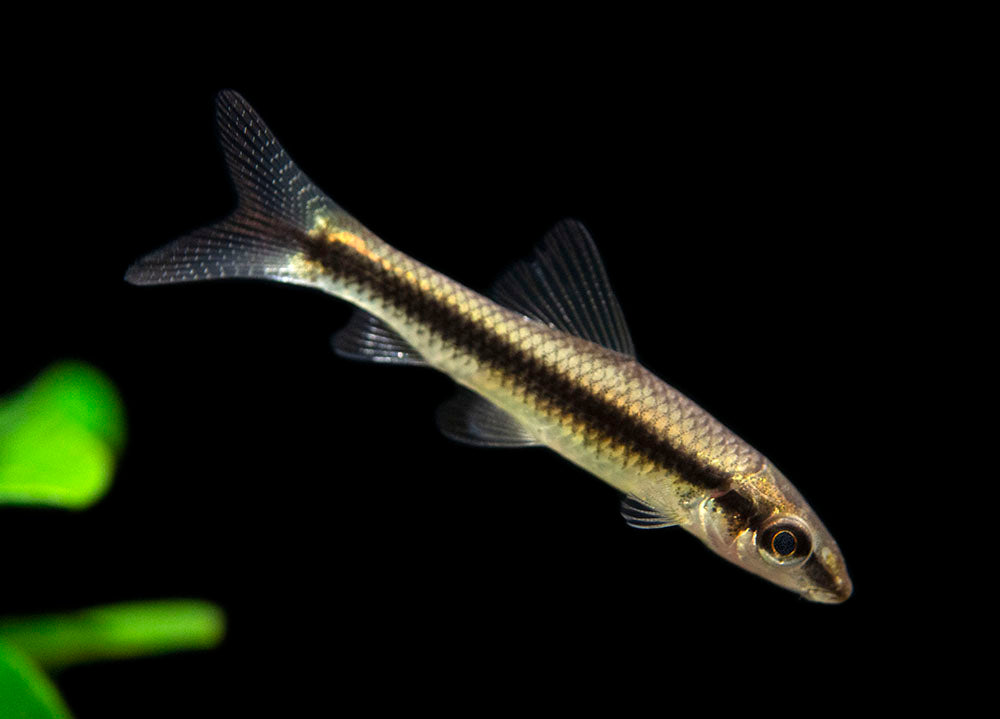
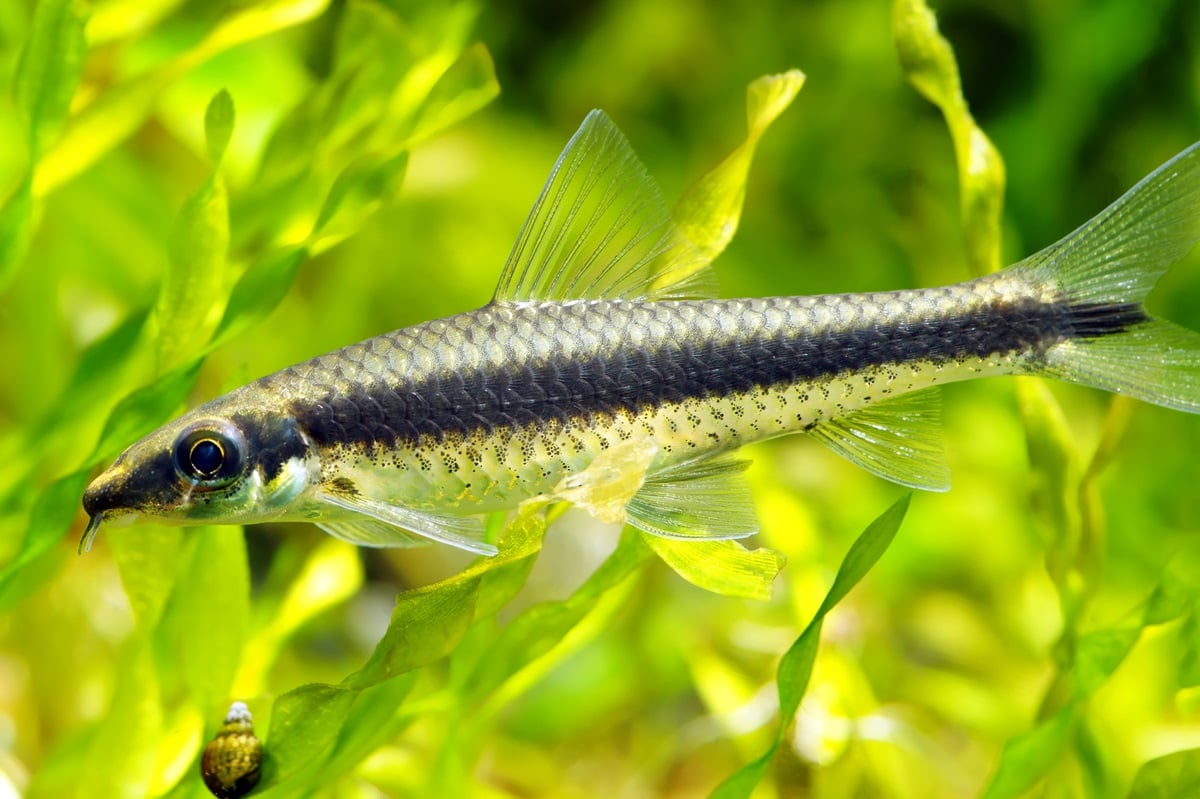
The Siamese Algae Eater has a long, slim body. It is usually light brown or tan. A dark line runs from its nose to its tail. This line makes it easy to identify. It has a small mouth with teeth for scraping algae. Its fins are clear or slightly tinted. The fish can grow up to 6 inches long.
Natural Habitat
This fish comes from Southeast Asia. It lives in rivers, streams, and ponds. The water is usually clear and slow-moving. Plants and rocks are common in its home. The fish uses these for hiding and finding food. It prefers warm water with temperatures around 75 to 79°F.
Behavior Traits
The Siamese Algae Eater is peaceful and active. It swims near the bottom of the tank. It spends much time searching for algae to eat. The fish likes to be in groups of three or more. It can be shy at first but becomes friendly. It helps control algae growth without harming plants or other fish.
Credit: www.theshrimpfarm.com
Tank Setup For Siamese Algae Eaters
The tank setup for Siamese Algae Eaters plays a big role in their health. A well-prepared tank helps these fish feel safe and active. It also supports their natural behavior and keeps algae under control. Setting up the right environment is simple with a few key steps.
Focus on the tank size, water quality, and decorations. Each part affects the fish’s comfort and lifespan. Proper care starts with the right tank setup.
Ideal Tank Size
Siamese Algae Eaters need space to swim freely. A tank of at least 30 gallons suits one adult fish. For a small group, a 50-gallon tank works better. Larger tanks keep water stable and reduce stress. More space means happier and healthier fish.
Water Parameters
These fish prefer clean, slightly acidic to neutral water. Aim for a pH between 6.5 and 7.5. Keep the temperature steady from 75°F to 79°F (24°C to 26°C). Water hardness should be soft to medium. Regular water changes help maintain good water quality. Use a filter that provides gentle flow but good oxygenation.
Decor And Plants
Decorate the tank with smooth rocks and driftwood. These provide hiding spots and resting areas. Live plants like Java fern and Anubias suit these fish well. Plants reduce algae growth and improve water quality. Avoid sharp decorations that may hurt the fish. Open swimming space is essential for their active nature.
Feeding Siamese Algae Eaters
Siamese algae eaters are popular freshwater fish known for their algae-eating habits. Feeding them properly keeps them healthy and active. Their diet plays a key role in their well-being and aquarium cleanliness.
Understanding what and how to feed these fish helps maintain a balanced tank environment. This section explains their diet preferences, how to supplement algae, and the best feeding frequency.
Diet Preferences
Siamese algae eaters mainly eat algae. They prefer green algae but also consume other types. They enjoy plant matter and some vegetable foods. Small insects and larvae are good protein sources for them. Offering a mix of algae and protein ensures good health.
Supplementing Algae
Algae alone may not provide all nutrients. Adding vegetables like zucchini, cucumber, and spinach helps. Blanched vegetables are easier for them to eat. Algae wafers or sinking pellets provide extra nutrition. These supplements support their diet and keep them strong.
Feeding Frequency
Feed Siamese algae eaters once or twice a day. Offer small amounts to avoid leftover food. Overfeeding can pollute the water and harm fish. Watch them eat and adjust portions as needed. Balanced feeding promotes their health and aquarium cleanliness.
Algae Control Benefits
The Siamese Algae Eater is a popular fish for keeping aquariums clean. It helps control algae growth naturally. This fish eats many types of algae, which keeps the tank clear and healthy.
Using Siamese Algae Eaters reduces the need for chemicals. They create a balanced environment in your aquarium. This makes them a smart choice for fish lovers.
Types Of Algae Eaten
Siamese Algae Eaters eat several kinds of algae. They prefer black beard algae and green algae. These algae can be hard to remove by hand. The fish also eat hair algae, which often grows fast.
They do not eat all algae types. For example, they avoid brown algae. Knowing what they eat helps keep the tank clean.
Efficiency Compared To Other Cleaners
This fish is more effective than many algae eaters. It cleans algae from hard-to-reach spots. Its strong mouth helps scrape algae from rocks and glass.
Compared to snails or shrimp, Siamese Algae Eaters work faster. They cover more surface area in less time. This makes them a better option for algae control.
Maintaining Balance
Keeping the right number of Siamese Algae Eaters is important. Too many can upset the tank’s balance. Too few will not control algae well.
Feed them properly to avoid over-eating algae. A balanced diet helps keep them healthy. A healthy fish means a clean aquarium.
Compatible Tankmates
The Siamese Algae Eater is a peaceful fish that fits well in many community tanks. Choosing the right tankmates helps keep the aquarium calm and balanced. This fish gets along best with species that share similar temperaments and water needs.
Knowing which fish to avoid is just as important as picking good companions. Aggressive or territorial species can stress out the Siamese Algae Eater. Understanding these dynamics keeps your tank healthy and peaceful.
Group size also matters for the Siamese Algae Eater. They do well in small groups but too many can lead to competition. Finding the right number enhances their natural behavior and reduces stress.
Community Fish Options
Siamese Algae Eaters do well with peaceful community fish. Tetras, rasboras, and guppies make great companions. These fish share similar water conditions and are non-aggressive.
Bottom dwellers like Corydoras catfish also work well. They occupy different tank levels, reducing competition. Small peaceful gouramis are another good choice.
Avoiding Aggressive Species
Avoid aggressive fish that may bully the Siamese Algae Eater. Cichlids and large barbs often show territorial behavior. These fish can stress or harm your algae eater.
Also, steer clear of fin-nipping species. They can damage the Siamese Algae Eater’s fins. Keeping aggressive fish out helps maintain peace and health.
Group Size Recommendations
Siamese Algae Eaters prefer groups of three to five fish. This size lets them show natural schooling behavior. Too few can cause stress, while too many bring competition.
Groups help reduce shyness and promote activity. Keep tank size in mind to avoid overcrowding. Balanced group size improves your fish’s well-being.
Health And Common Issues
The health of your Siamese Algae Eater matters a lot for a happy aquarium. This fish is usually strong but can face some common problems. Knowing how to spot issues early helps keep them safe.
Watch your fish closely. Small changes in behavior or appearance tell a lot. Early care prevents big problems later. Learn what to watch for and how to act quickly.
Signs Of Stress
Look for fast breathing or hiding more than usual. Siamese Algae Eaters may lose their color when stressed. They might stop eating or swim erratically. These signs mean your fish feels unsafe or sick.
Disease Prevention
Keep the tank clean and water fresh to avoid illness. Test water often for proper pH and temperature. Avoid overfeeding. Use a good filter and change water regularly. Quarantine new fish before adding them to the tank.
Treatment Tips
Isolate sick fish to stop disease spread. Use medicine designed for freshwater fish if needed. Keep water warm but not hot. Remove uneaten food and waste daily. Watch your fish closely during treatment for any changes.
Breeding Siamese Algae Eaters
Breeding Siamese Algae Eaters can be a rewarding experience for aquarium enthusiasts. These fish are peaceful and help keep algae under control. Understanding their breeding needs helps increase the chance of success. Their natural behavior and environment should be mimicked in the tank.
Breeding Conditions
Keep water temperature between 78 and 82°F for breeding. Use soft, slightly acidic water with pH around 6.5 to 7.0. Provide plenty of plants and hiding spots for comfort. A separate breeding tank is best to protect eggs and fry. Maintain good water quality with regular changes.
Spawning Behavior
Siamese Algae Eaters usually spawn early in the morning. They scatter eggs over plants or tank surfaces. Males chase females gently during courtship. Eggs hatch in about 24 to 36 hours. Adults may eat eggs, so removing parents after spawning is wise.
Raising Fry
Feed fry small foods like infusoria or liquid fry food. Increase feeding to baby brine shrimp as fry grow. Keep water clean and stable to avoid stress. Use gentle filtration to protect tiny fry. Fry grow fast and become algae eaters in a few weeks.

Credit: eshalabs.com
Troubleshooting Common Problems
Troubleshooting common problems with Siamese Algae Eaters helps keep your aquarium healthy. These fish are great at cleaning algae, but sometimes issues arise. Understanding these problems ensures your algae eater stays happy and effective.
Algae Eater Not Eating Algae
Sometimes, Siamese Algae Eaters stop eating algae. This can happen if the tank has enough food or the algae type is not preferred. They might eat other foods, like flakes or pellets, instead.
Check the tank’s algae type. Some algae are hard to eat. Offer fresh vegetables like cucumber slices to encourage feeding. Also, ensure the fish is not stressed or sick.
Aggression Problems
Siamese Algae Eaters are mostly peaceful but may show aggression. This happens if the tank is crowded or they lack hiding spots. They might nip fins of other fish.
Keep enough space and add plants or decorations for hiding. Avoid keeping too many fish in one tank. Monitor their behavior and separate aggressive fish if needed.
Water Quality Issues
Poor water quality affects Siamese Algae Eaters’ health. High ammonia, nitrite, or nitrate levels cause stress and illness. Check water parameters regularly with test kits.
Perform regular water changes to keep water clean. Use a good filter and avoid overfeeding. Clear water helps algae eaters thrive and control algae growth effectively.
Buying And Caring Tips
Buying and caring for Siamese Algae Eaters requires some basic knowledge. These fish help keep your tank clean by eating algae. Proper care ensures they stay healthy and active.
Choosing the right fish and maintaining good tank conditions are key. Understanding their needs helps avoid common problems. Follow these tips to give your Siamese Algae Eaters a good home.
Selecting Healthy Fish
Pick fish with clear eyes and smooth scales. Avoid fish with torn fins or spots. Active fish that swim well are usually healthy. Choose fish that are not too thin or bloated. Look for bright, consistent coloring on their bodies.
Quarantine Practices
Keep new fish separate for at least two weeks. Use a small tank with clean water. Watch for signs of illness like white spots or sluggishness. Treat any sickness before adding fish to the main tank. Quarantine stops diseases from spreading to other fish.
Long-term Care
Provide a tank with plenty of plants and hiding spots. Keep water temperature between 75 and 79 degrees Fahrenheit. Test water regularly to keep it clean and balanced. Feed a mix of algae wafers and fresh vegetables. Avoid overfeeding to prevent water pollution. Regular water changes keep fish healthy and happy.
How Smart Pets Lover Can Help You with Siamese Algae Eater
Learning from Your Siamese Algae Eater Experience
Welcoming a Siamese Algae Eater into your aquarium opens up wonderful practical learning opportunities. As you fine-tune the tank setup for Siamese Algae Eaters, you naturally develop a deeper understanding of aquatic environments—like water parameters and plant choices—that support their well-being. Observing their feeding habits also teaches patience and attentiveness, guiding you to balance their diet with algae control benefits for a healthier tank ecosystem.
Encountering common health issues or troubleshooting problems encourages problem-solving skills and research, making you a more confident and responsible pet parent. At Smart Pets Lover, we believe this journey strengthens the bond you share with your finned friends, turning every challenge into a rewarding lesson.
- Keep notes on water quality and behavior changes to track progress
- Explore compatible tankmates to create a harmonious aquatic community
- Reach out to trusted pet care resources for ongoing support and advice
If you ever need guidance, connecting with fellow enthusiasts or experts can make all the difference. Remember, every step you take enriches your knowledge and nurtures your passion for aquatic life, where every wag, purr, and chirp truly tells a story.
Frequently Asked Questions
What Is A Siamese Algae Eater?
A Siamese algae eater is a freshwater fish known for eating algae. It helps keep aquariums clean and balanced. This species is peaceful and active, making it ideal for community tanks. It thrives in well-maintained freshwater environments with plenty of hiding spots.
How Long Do Siamese Algae Eaters Live?
Siamese algae eaters usually live between 8 to 10 years. Proper care, diet, and tank conditions can extend their lifespan. Regular water changes and a balanced diet are essential. Healthy environments reduce stress and promote longevity for these fish.
What Do Siamese Algae Eaters Eat?
Siamese algae eaters primarily eat algae, especially black beard algae. They also accept algae wafers, vegetables, and sinking pellets. A varied diet ensures good health. Avoid overfeeding to maintain tank water quality and fish well-being.
Are Siamese Algae Eaters Good For Community Tanks?
Yes, Siamese algae eaters are peaceful and compatible with most community fish. They help control algae without disturbing other species. Avoid housing them with aggressive or much larger fish. Provide ample space and hiding spots for a balanced tank environment.
Conclusion
Siamese Algae Eaters help keep your aquarium clean and healthy. They eat many types of algae that can harm fish. These fish are easy to care for and get along well with others. They need a peaceful tank with hiding spots and good water quality.
Watching them swim and clean adds life to your aquarium. Choose them for a natural way to control algae growth. Enjoy a clearer tank and happy fish with Siamese Algae Eaters. Simple, effective, and friendly fish for your underwater world.