Serpae Tetra
If you’re looking to add a splash of vibrant color to your aquarium, the Serpae Tetra is a perfect choice for you. This small, lively fish is known for its striking red and black hues that instantly catch your eye.
But there’s more to the Serpae Tetra than just its looks—its peaceful nature and easy care make it a great addition to your tank. Keep reading to discover everything you need to know to keep your Serpae Tetra healthy and happy, and turn your aquarium into a stunning underwater world you’ll love watching every day.

Credit: aquadiction.world
Serpae Tetra Basics
The Serpae Tetra is a popular freshwater fish loved by many aquarium hobbyists. It has bright colors and a lively personality. This fish is easy to care for, making it great for beginners. Understanding its basics helps in creating a healthy environment for it.
Physical Characteristics
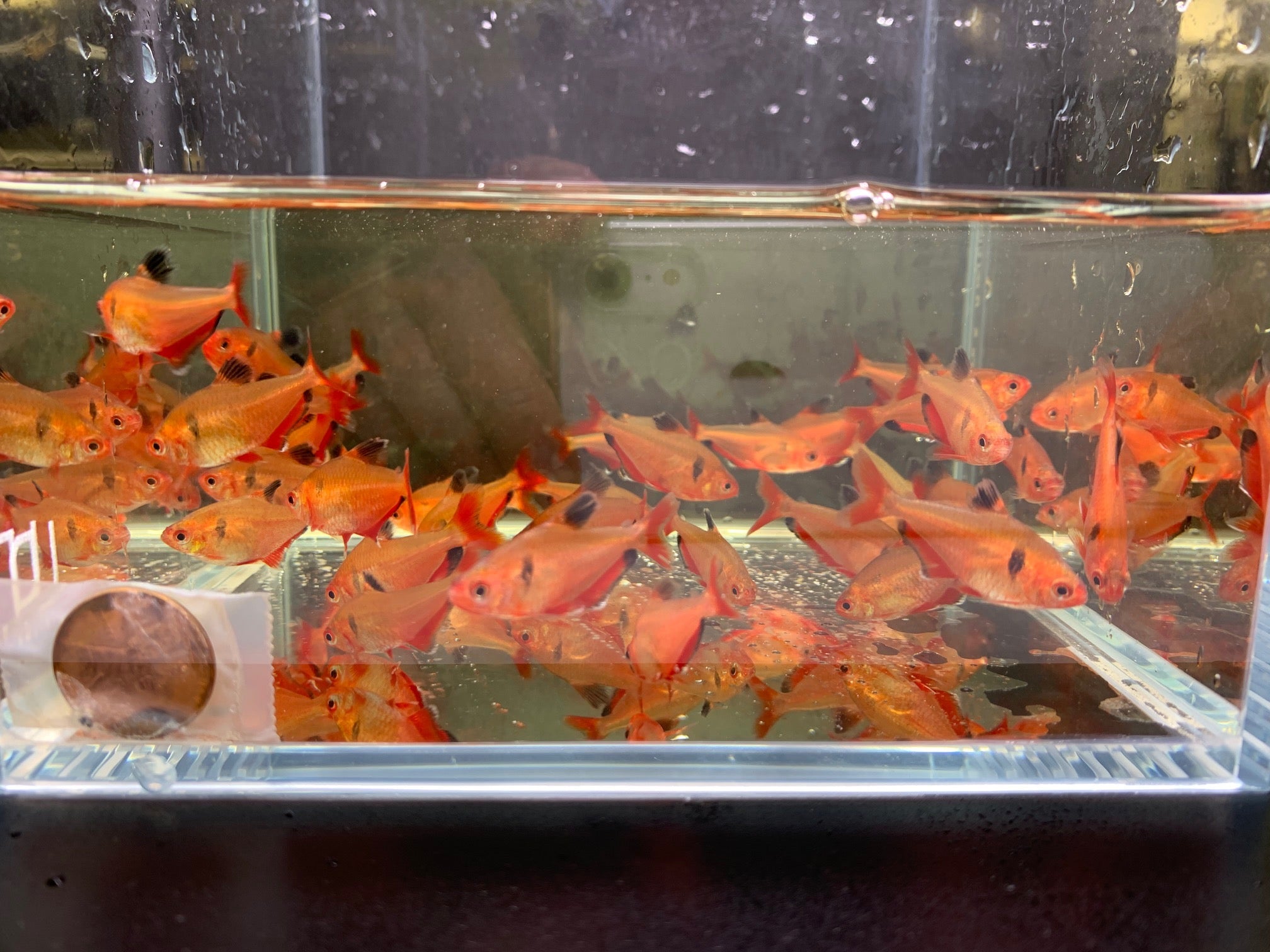
The Serpae Tetra has a bright red body with black spots. Its fins are often edged in black, giving a sharp contrast. The fish has a small, rounded shape and grows to about 1.5 inches. Its vibrant colors make it a beautiful addition to any tank.
Natural Habitat
This fish comes from slow-moving rivers and streams in South America. It prefers areas with plants and shaded spots. The water is usually warm, soft, and slightly acidic. Mimicking this habitat in an aquarium helps the Serpae Tetra thrive.
Lifespan And Size
Serpae Tetras live around 3 to 5 years with proper care. They grow to a small size of about 1.5 inches. Their small size makes them suitable for community tanks. A stable environment and good diet can extend their lifespan.

Credit: dansfish.com
Tank Setup
Setting up a tank for Serpae Tetras is simple but important. These fish need a safe and comfortable home to thrive. A proper tank setup helps them show their best colors and stay healthy. Understanding their needs makes the tank a happy place for these lively fish.
Tank Size Requirements
Serpae Tetras are small but active fish. They need enough space to swim freely. A tank size of at least 20 gallons works well for a small group. Larger tanks are better for bigger groups. Crowded tanks cause stress and health problems.
Water Conditions
These tetras prefer soft, slightly acidic water. Aim for a pH between 5.5 and 7.0. Keep water temperature around 72 to 82°F (22 to 28°C). Regular water changes keep the water clean and safe. Use a gentle filter to avoid strong currents.
Plant And Decoration Choices
Serpae Tetras feel safe among plants and decorations. Live plants like Java fern and Anubias work well. They add hiding spots and reduce stress. Driftwood and smooth rocks create natural shelters. Avoid sharp decorations that can hurt the fish.
Feeding Serpae Tetras
Feeding Serpae Tetras is key to their health and vibrant colors. These small fish need the right food to stay active and live longer. Understanding their diet helps keep your aquarium lively and balanced.
Providing proper nutrition supports their growth and natural behavior. It also prevents common health problems linked to poor feeding.
Dietary Needs
Serpae Tetras are omnivores. They eat both plant and animal matter. Their diet should include protein and vegetables. Protein helps build strong muscles and bright colors. Vegetables provide fiber and vitamins. A mix of both keeps them healthy and happy.
Feeding Schedule
Feed Serpae Tetras small amounts two to three times daily. This prevents overfeeding and water pollution. Remove leftover food to keep the tank clean. Consistent feeding times help fish stay calm and active.
Best Food Types
High-quality flake food works well for daily feeding. Supplement with frozen or live foods like brine shrimp and bloodworms. These add protein and variety. You can also offer blanched vegetables like spinach or zucchini. Variety improves their diet and keeps them interested in eating.
Credit: aquahuna.com
Behavior And Temperament
The Serpae Tetra is a small fish with a lively personality. Understanding its behavior helps keep it happy in your tank. This fish shows unique traits that make it a favorite for many hobbyists. Observing its temperament can guide you on how to care for it better.
Social Behavior
Serpae Tetras are schooling fish. They feel safe and confident in groups of six or more. Alone, they can become shy or stressed. They swim actively and often chase each other playfully. Their social nature brings life to any aquarium.
Compatibility With Other Fish
These tetras get along well with many species. Peaceful fish like guppies and mollies make good tank mates. Avoid very slow or long-finned fish. Serpae Tetras may nip at their fins. Choose companions that match their energy and size.
Common Aggression Issues
Serpae Tetras can show fin-nipping behavior. This occurs mostly when they are stressed or overcrowded. Males may be territorial during breeding times. Keep enough space and hiding spots to reduce fights. Watch for signs of bullying and act quickly.
Health And Diseases
Serpae Tetras are vibrant and hardy fish, but they can face health challenges. Keeping them healthy means knowing common issues and how to prevent them. Proper care ensures they live long and bright lives in your aquarium.
Understanding health and diseases helps you spot problems early. Early action can save your fish and keep your tank balanced.
Common Health Problems
Serpae Tetras often suffer from fin rot and ich. Fin rot causes torn or ragged fins. Ich appears as small white spots on the body. Both diseases stress the fish and affect their movement. Poor water quality can cause these problems. Stress from overcrowding or sudden changes also weakens their immune system.
Preventive Care
Clean water is essential for Serpae Tetra health. Test water regularly and keep it stable. Avoid overfeeding to prevent water pollution. Provide a balanced diet with quality flakes or pellets. Keep tank temperature between 72°F and 79°F. Quarantine new fish before adding them to the main tank. Regular tank maintenance reduces disease risks.
Treatment Options
For fin rot, use antibacterial medicines from pet stores. Treat ich with anti-parasitic solutions and raise the water temperature slightly. Remove infected fish to prevent disease spread. Change water frequently during treatment. Follow the medication instructions carefully. Always isolate sick fish in a separate tank for faster recovery.
Breeding Serpae Tetras
Breeding Serpae Tetras can be a rewarding experience for aquarium hobbyists. These small, vibrant fish are peaceful and relatively easy to breed with the right setup. Understanding their needs and behavior is key to successful breeding.
Breeding Conditions
Serpae Tetras prefer soft, slightly acidic water to breed. Keep the temperature between 78°F and 82°F. Use a separate breeding tank with plants or spawning mops. Dim lighting helps reduce stress. Maintain good water quality with regular changes.
Spawning Process
Serpae Tetras scatter eggs among plants or spawning mops. The female releases eggs while the male fertilizes them. They can lay up to 300 eggs. Remove adult fish after spawning to prevent egg eating. Eggs hatch in about 24 hours.
Raising Fry
Feed the fry with infusoria or liquid fry food at first. After a few days, introduce baby brine shrimp or finely crushed flakes. Keep water clean and stable. Avoid strong currents. Fry grow fast and need small, frequent feedings.
Tips For Serpae Tetra Care
Taking good care of Serpae Tetras ensures they live healthy and active lives. These small, vibrant fish need the right environment and care to thrive. This section shares simple tips to help you keep your Serpae Tetras happy and healthy in your aquarium.
Maintaining Water Quality
Clean water is vital for Serpae Tetras. Test water regularly for ammonia, nitrites, and nitrates. Keep the temperature steady between 72°F and 79°F. Maintain a pH level around 6.0 to 7.5. Use a good water conditioner to remove harmful chemicals.
Tank Maintenance
Change 20-30% of the water weekly. Remove uneaten food and debris from the tank bottom. Clean the filter every month but avoid over-cleaning to preserve beneficial bacteria. Use a gravel vacuum to keep the substrate clean. Keep the tank decorations and plants tidy.
Enhancing Fish Well-being
Serpae Tetras enjoy swimming in groups of six or more. Provide plenty of hiding spots with plants and decorations. Feed small amounts of high-quality flakes or pellets twice daily. Offer occasional live or frozen foods for variety. Avoid sudden changes to their environment to reduce stress.
How Smart Pets Lover Can Help You with Serpae Tetra
Learning Through Caring for Your Serpae Tetra
Taking care of Serpae Tetras offers more than just the joy of watching their vibrant colors dance in your tank—it’s a chance to deepen your understanding of aquatic life and responsible pet ownership. When you set up their tank, paying attention to water parameters and environment mimics their natural habitat, reinforcing lessons about ecosystem balance and fish behavior. Feeding routines teach patience and observation, as you notice how their temperaments influence social dynamics within the group.
At Smart Pets Lover, we believe every pet interaction is an opportunity to connect emotionally and learn practically. Observing their health and spotting early signs of disease encourages proactive care, which is vital for any pet parent. If questions arise, reaching out to knowledgeable communities or experts can enrich your experience, ensuring your Serpae Tetras thrive in a well-maintained home.
Remember, nurturing these lively fish nurtures your confidence and empathy as a pet lover—making every ripple in their tank a story worth cherishing.
Frequently Asked Questions
What Is A Serpae Tetra Fish?
A Serpae Tetra is a small, vibrant freshwater fish. It is popular in community aquariums for its striking red color and active behavior. Native to South America, it thrives in well-planted tanks with moderate water flow and stable conditions.
How Long Do Serpae Tetras Live?
Serpae Tetras typically live 3 to 5 years in captivity. Proper care, clean water, and a balanced diet help maximize their lifespan. Regular tank maintenance and stable water parameters are essential for their health and longevity.
What Do Serpae Tetras Eat?
Serpae Tetras are omnivores and eat flakes, pellets, and live foods. They enjoy brine shrimp, daphnia, and bloodworms. A varied diet ensures vibrant colors and good health for these active fish.
Are Serpae Tetras Good For Community Tanks?
Yes, Serpae Tetras are generally peaceful but can be fin-nippers. They do well with similar-sized fish and thrive in schools of six or more. Avoid slow-moving or long-finned tank mates to reduce aggression.
Conclusion
Serpae Tetras are colorful and lively fish for home aquariums. They adapt well to many tank setups and get along with other peaceful fish. Feeding them a varied diet keeps them healthy and active. Watching their bright colors swim brings joy and calm to any room.
A Serpae Tetra can brighten your aquarium with simple care and attention. Try adding these fish to your tank and enjoy their beauty every day.