Scissortail Rasbora
If you’re looking to add a splash of life and color to your aquarium, the Scissortail Rasbora might be exactly what you need. This small, lively fish is not only beautiful but also easy to care for, making it perfect for both beginners and experienced hobbyists.
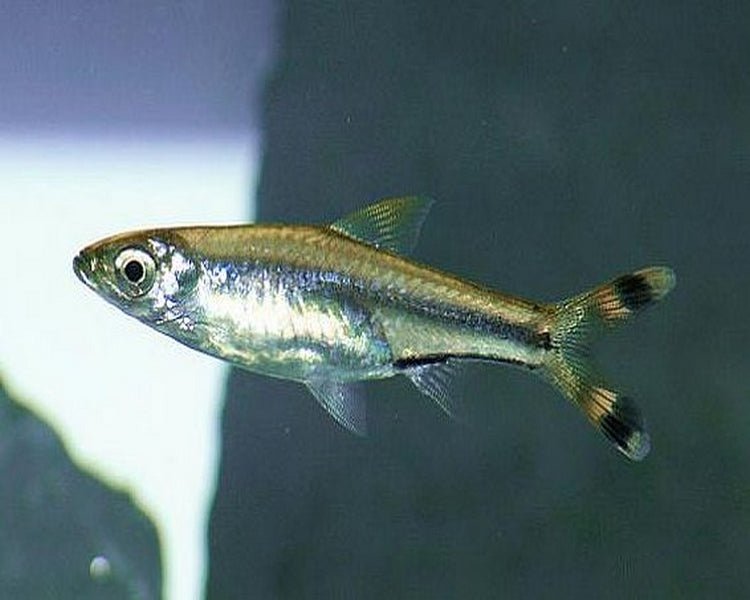
Imagine watching your tank come alive with its striking silver body and distinctive forked tail. Want to know how to keep your Scissortail Rasbora happy and healthy? Keep reading to discover everything you need to make your aquarium a vibrant underwater world.
Credit: aquaticarts.com
Scissortail Rasbora Basics
The Scissortail Rasbora is a popular freshwater fish known for its unique look and lively nature. Understanding its basics helps keep this fish healthy and happy. This section covers its appearance, size, natural habitat, and behavior.
Appearance And Size
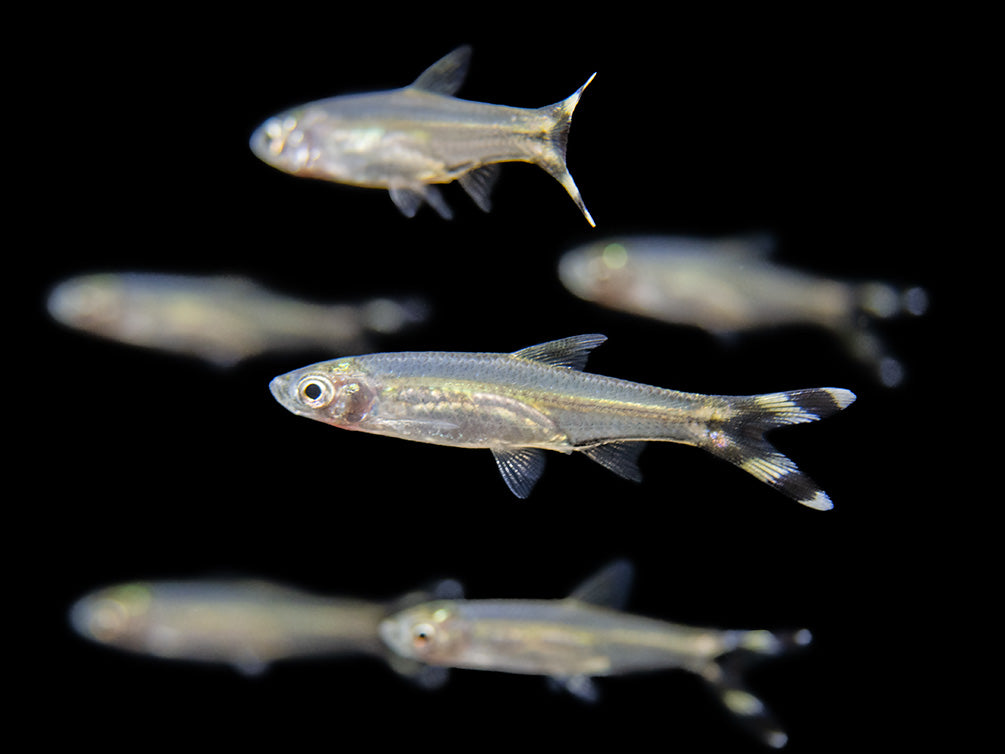
The Scissortail Rasbora has a slim, silver body with a dark stripe running from head to tail. Its tail fin is forked, resembling a pair of scissors. Adults grow up to 3 inches long, making them easy to spot in community tanks.
Natural Habitat
This fish comes from slow-moving streams and rivers in Southeast Asia. It prefers clear water with plenty of plants and soft, slightly acidic conditions. The natural habitat provides shelter and food, helping the fish thrive.
Behavior And Temperament
Scissortail Rasboras are peaceful and social fish. They swim in groups and enjoy company. Their active and calm nature makes them perfect for community tanks. They rarely show aggression and get along with many other fish species.
Tank Setup
The Scissortail Rasbora needs a well-prepared tank to thrive. Proper setup helps keep them healthy and active. A few key factors make the tank comfortable for these fish. Choosing the right size, water conditions, and decorations is important.
Setting up the tank correctly creates a natural environment. It also reduces stress and encourages natural behavior. Let’s explore the best tank setup for Scissortail Rasboras.
Recommended Tank Size
A tank of at least 20 gallons suits a small group of Scissortail Rasboras. They prefer to swim in schools of six or more. A longer tank provides enough swimming space. Avoid very tall tanks as these fish swim mostly in the middle and lower areas.
A larger tank is better if you want a bigger school or other species. It offers more stable water conditions and room for decorations.
Water Parameters
Scissortail Rasboras thrive in water temperatures between 72°F and 79°F. Keep the pH level mildly acidic to neutral, about 6.0 to 7.5. Soft to moderately hard water suits them best. Regular water changes help maintain good water quality.
Use a gentle filter to avoid strong currents. These fish prefer calm water. Monitoring the ammonia, nitrite, and nitrate levels is essential for their health.
Plants And Decorations
Live plants provide shelter and improve water quality. Choose fast-growing plants like Java fern or Anubias. Floating plants create shaded areas, reducing stress. Add smooth rocks and driftwood for hiding spots. Avoid sharp decorations that can harm the fish.
Open swimming areas are necessary. Balance plants and decorations to allow free movement. A natural setup helps Scissortail Rasboras feel safe and display their best colors.
Feeding Scissortail Rasboras
Feeding Scissortail Rasboras is simple and fun. These fish enjoy a varied diet that keeps them healthy and active. Understanding what they like to eat helps you care for them better. It also supports their bright colors and lively behavior.
Diet Preferences
Scissortail Rasboras prefer small, live, or frozen foods. They enjoy insects, tiny worms, and larvae. They also eat flake foods designed for tropical fish. A mix of protein and plant matter suits them best. Variety in their diet keeps them strong and happy.
Feeding Frequency
Feed Scissortail Rasboras two times a day. Give small amounts that they finish in two minutes. Overfeeding can cause water problems and health issues. Young fish may need more frequent feeding. Watch their behavior to adjust feeding times properly.
Suitable Food Types
Good food options include brine shrimp, daphnia, and bloodworms. High-quality flake food also works well. Freeze-dried foods can add variety but should not be the main diet. Avoid large pellets that are hard to eat. Fresh, small food pieces help keep them healthy.
Breeding Tips
Breeding Scissortail Rasboras can be rewarding for aquarium hobbyists. Understanding their behavior and needs helps improve success. This section covers key tips on sex differences, spawning conditions, and raising fry.
Sex Differences
Male Scissortail Rasboras are slimmer and more colorful. Their tails have longer fins shaped like scissors. Females are rounder, especially when full of eggs. They tend to have duller colors. Identifying males and females helps with pairing for breeding.
Spawning Conditions
Provide a separate breeding tank with soft, slightly acidic water. Keep the temperature around 78°F (25.5°C). Add fine-leaved plants or spawning mops for egg laying. Dim lighting reduces stress and encourages spawning. Feed adults with live or frozen foods for best results.
Raising Fry
Remove adults after spawning to prevent egg eating. Eggs hatch in two to three days. Feed fry with infusoria or liquid fry food at first. Gradually introduce baby brine shrimp as they grow. Keep water clean and stable for healthy development.
Common Health Issues
Scissortail Rasboras are hardy fish but can face health problems. Understanding common health issues helps keep them strong and active. Early detection and care improve their chances of recovery. Watch your fish closely for any unusual signs.
Signs Of Illness
Look for changes in swimming behavior. Fish may swim erratically or stay at the tank bottom. Check for color fading or spots on their body. Gasping at the surface can indicate poor water quality. Loss of appetite and hiding are also warning signs. Fin damage or clamped fins often show stress or infection.
Prevention Methods
Keep the tank clean with regular water changes. Use a good filter to maintain water quality. Avoid overcrowding to reduce stress and disease spread. Feed a balanced diet suitable for Scissortail Rasboras. Quarantine new fish before adding to the main tank. Monitor water temperature and pH to match their needs.
Treatment Options
Isolate sick fish in a separate tank. Use medications designed for common fish diseases. Follow dosing instructions carefully to avoid harm. Improve tank conditions to support healing. Increase aeration if oxygen levels are low. Consult a vet or expert if illness persists.
Credit: aquahuna.com
Tank Mates And Compatibility
The Scissortail Rasbora is a peaceful fish that thrives in a community tank. Choosing the right tank mates is key for a healthy and calm environment. This fish prefers company but cannot handle aggressive or large species. Understanding compatibility helps create a balanced aquarium.
Compatible Species
Small, peaceful fish make great tank mates for the Scissortail Rasbora. Examples include Neon Tetras, Harlequin Rasboras, and Corydoras Catfish. These fish share similar water needs and temperaments. They swim at different levels, reducing crowding and stress.
Live plants and small shrimp also suit the tank. They add natural beauty and help keep water clean. Avoid fish that are too fast or competitive for food. Scissortail Rasboras appreciate calm neighbors.
Aggressive Species To Avoid
Avoid large or aggressive fish like Cichlids, Bettas, and Tiger Barbs. These species may bully or harm Scissortail Rasboras. Their aggressive behavior causes stress and injuries. Fast, fin-nipping fish can also harm the delicate fins of Rasboras.
Predatory fish are unsafe as they may eat smaller Rasboras. Stick to gentle species to keep peace in the tank. Aggression disrupts the peaceful nature of Scissortail Rasboras.
Community Tank Tips
Provide plenty of swimming space and hiding spots. Use plants, rocks, and decorations to create natural shelters. Keep water clean and stable with regular maintenance. Feed small amounts several times a day to avoid food fights.
Monitor fish behavior daily. Remove any aggressive fish immediately. Maintain a group of at least six Rasboras to keep them comfortable. A well-planned community tank keeps all fish happy and healthy.

Credit: aquadiction.world
How Smart Pets Lover Can Help You with Scissortail Rasbora
Exploring Scissortail Rasbora: A Hands-On Learning Experience
Getting to know your Scissortail Rasbora goes beyond just observing its graceful swim. Setting up the right tank environment and understanding their feeding habits offer wonderful chances to deepen your practical knowledge of aquatic care. Paying attention to their tank mates and compatibility also teaches valuable lessons in community dynamics within a shared habitat.
At Smart Pets Lover, we believe every pet journey is an opportunity to grow as a caring and informed pet parent. Whether you’re adjusting water parameters or experimenting with varied diet options, these everyday tasks enhance your confidence and connection with your fish. If questions arise about tank setup or health concerns, reaching out to fellow enthusiasts or expert forums can be incredibly helpful.
Remember, nurturing a Scissortail Rasbora isn’t just about keeping a pet—it’s about embracing a living story that enriches your home and spirit.
Frequently Asked Questions
What Is The Ideal Tank Size For Scissortail Rasbora?
A 20-gallon tank is ideal for Scissortail Rasboras. They need space to swim freely and thrive in groups. A larger tank helps maintain stable water conditions and supports their active schooling behavior.
How Do Scissortail Rasboras Behave In Community Tanks?
Scissortail Rasboras are peaceful and social fish. They get along well with other small, non-aggressive species. Keep them in groups of six or more to reduce stress and encourage natural schooling behavior.
What Water Conditions Suit Scissortail Rasboras Best?
They prefer water temperatures between 72-79°F (22-26°C) and a pH of 6. 5-7. 5. Soft to moderately hard water is ideal. Consistent water quality and gentle filtration promote their health and activity.
What Do Scissortail Rasboras Eat In Captivity?
Scissortail Rasboras are omnivores and eat flakes, pellets, and live foods. They enjoy small insects, brine shrimp, and daphnia. A varied diet ensures good nutrition and vibrant coloration.
Conclusion
Scissortail Rasboras bring life to any freshwater tank. Their bright colors and active nature make them fun to watch. These fish need clean water and space to swim freely. They live well in groups, so keep several together. Feeding them is simple with common fish foods.
Caring for Scissortail Rasboras is rewarding and easy. They suit beginners and experienced hobbyists alike. Add these lively fish to your aquarium for a peaceful, colorful scene. A small effort brings great joy with Scissortail Rasboras.