Sand Sifting Starfish
Have you ever wondered how a simple starfish can make your aquarium look more alive and clean? The sand sifting starfish is not just a beautiful creature; it plays a key role in keeping your tank spotless.
If you want to discover how this fascinating animal works beneath the sand and why it might be the perfect addition to your underwater world, keep reading. This guide will reveal everything you need to know to make the most out of your starfish’s natural cleaning power.
Sand Sifting Starfish Traits
Sand sifting starfish have unique traits that make them stand out in marine life. Their behavior and appearance attract many aquarium enthusiasts. These starfish play a vital role in keeping the sand clean. They sift through sand to find food and remove waste particles. Understanding their traits helps in caring for them properly.
Physical Characteristics
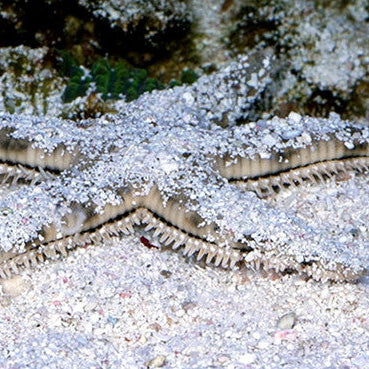
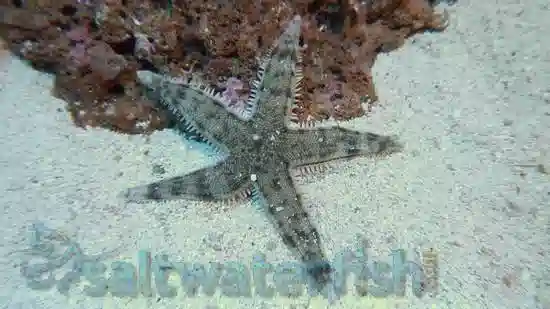
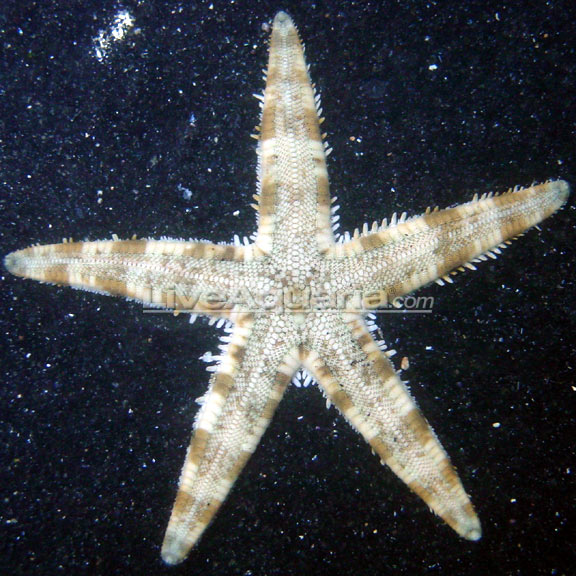
Sand sifting starfish have five arms that are long and slender. Their bodies are covered with small, hard plates for protection. They move slowly using tiny tube feet under each arm. These feet help them crawl over sand and sift it. Their mouth is located at the center on the underside. This design helps them eat small organisms in the sand.
Color Variations
These starfish show different colors depending on the species. Common colors include shades of brown, tan, and cream. Some have patterns or spots that blend well with the sandy ocean floor. Their colors help them hide from predators. Light colors reflect their sandy environment and provide camouflage.
Size Range
Sand sifting starfish vary in size from small to medium. Most grow between 4 and 8 inches across their arms. Size depends on species and age. Larger starfish can sift more sand and clean bigger areas. Small ones are easier to keep in home aquariums. Size affects their activity and feeding habits.
Habitat And Distribution
The habitat and distribution of the Sand Sifting Starfish reveal much about its lifestyle and behavior. These starfish thrive in specific marine environments. Understanding where they live helps aquarists and marine enthusiasts care for them better.
Natural Environment
Sand Sifting Starfish live mainly in shallow ocean waters. They prefer warm tropical seas. These starfish move slowly over sandy or muddy sea floors. The environment offers them food and safety. They avoid areas with strong currents or rough waves.
Geographic Locations
These starfish are found mostly in the Indo-Pacific region. Countries like Indonesia, the Philippines, and Australia host many of them. They also appear near coral reefs in these areas. Their distribution is tied to warm water and rich marine life.
Preferred Substrates
Sand Sifting Starfish prefer soft, sandy bottoms. Fine sand allows them to sift through for food easily. They also inhabit areas with small rubble and broken coral pieces. Hard rocky surfaces are not suitable for their movement and feeding.
Feeding Behavior
The feeding behavior of the sand sifting starfish is fascinating. This sea creature plays an important role in its habitat by cleaning the ocean floor. Its way of feeding helps maintain a healthy environment for other marine life.
Diet Composition
Sand sifting starfish mainly eat small organic particles. These include tiny plants, dead animals, and microorganisms found in the sand. They do not hunt large prey. Instead, they rely on what the sand holds for food. This simple diet supports their survival in sandy ocean areas.
Sand Sifting Process
The starfish moves over the sand, using its tube feet. It lifts and sifts the sand to find food. The sand passes through its mouth, which is located underneath. The starfish extracts edible material and expels the clean sand. This process helps clear the ocean floor naturally.
Role In The Ecosystem
By sifting sand, this starfish cleans the ocean bed. It removes waste and prevents harmful bacteria from building up. This keeps the water and sand healthy for fish and other animals. Their feeding behavior supports biodiversity and balance in marine ecosystems.
Credit: vividaquariums.com
Care In Aquariums
Sand sifting starfish add beauty and function to marine aquariums. They help clean the sand bed by eating leftover food and detritus. Proper care keeps them healthy and active. Understanding their needs is key to success in a home tank.
Tank Requirements
Provide a tank size of at least 30 gallons. Use a deep sand bed, around 2 to 3 inches thick. Choose fine sand to allow easy sifting. Avoid sharp or coarse sand that may harm the starfish. Ensure plenty of hiding spots and live rock for shelter.
Water Parameters
Maintain stable water conditions for starfish health. Keep temperature between 72°F and 78°F (22°C to 26°C). Aim for salinity of 1.023 to 1.025 specific gravity. pH should stay between 8.1 and 8.4. Regular water changes help keep ammonia and nitrate low.
Feeding Tips
Sand sifting starfish feed on detritus and small particles. Supplement their diet with crushed flakes or pellets. Offer frozen or live foods like brine shrimp occasionally. Feed small amounts to avoid polluting the tank. Observe feeding habits to ensure they eat enough.
Compatible Tank Mates
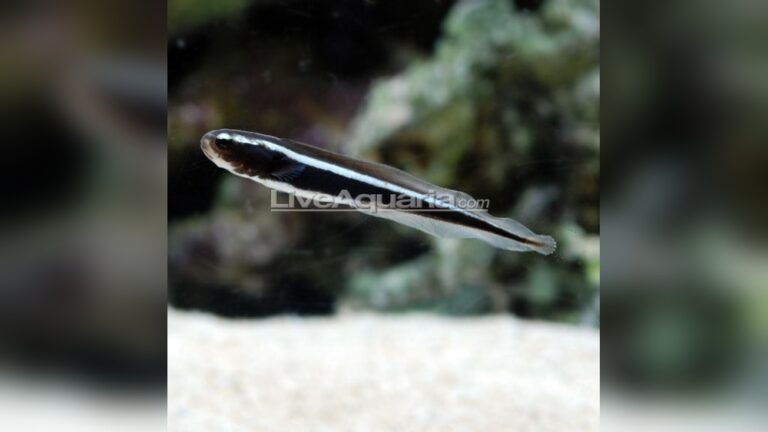
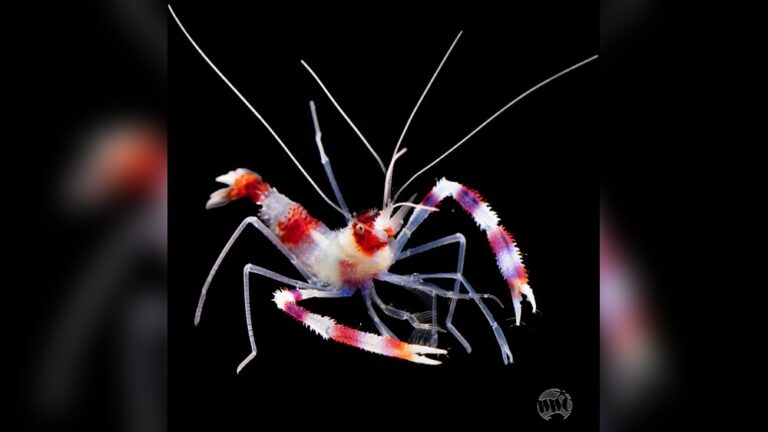
Choose peaceful fish and invertebrates as tank mates. Avoid aggressive or large predators that may harm starfish. Good companions include gobies, blennies, and small shrimp. Avoid crabs and triggerfish that can nip at starfish arms. Compatibility ensures a calm and safe environment.
Breeding And Lifecycle
Sand sifting starfish have a fascinating breeding and lifecycle. Understanding these stages helps aquarists care for them properly. These starfish reproduce and grow in unique ways. Their lifecycle includes several important steps from egg to adult.
Reproduction Methods
Sand sifting starfish reproduce by releasing eggs and sperm into the water. Fertilization happens outside their bodies. This method is called external fertilization. Males and females release gametes at the same time. This increases the chance of successful fertilization.
Some species may also reproduce asexually by regeneration. If a part of the starfish breaks off, it can grow into a new starfish. This method is less common but helps their population survive harsh conditions.
Development Stages
The fertilized eggs develop into free-swimming larvae. These larvae float in the water for weeks. During this time, they feed on plankton. After some growth, the larvae settle on the ocean floor. They then transform into juvenile starfish. This stage is called metamorphosis.
Juvenile starfish look like tiny adults but lack full color and size. They slowly develop their adult features over time. This development is crucial for their survival in the wild.
Growth Rate
Sand sifting starfish grow slowly compared to other sea creatures. Their growth depends on food availability and water conditions. In ideal conditions, they can reach adult size in one year. Poor conditions can slow their growth significantly.
Starfish continue growing throughout their lives but at a much slower pace. Proper nutrition and a clean environment support healthy growth. Aquarists should monitor these factors for best results.
Credit: www.saltwaterfish.com
Common Challenges
Sand sifting starfish face several challenges in their natural habitat. These challenges affect their survival and health. Understanding these issues helps in caring for them better.
Health Issues
Sand sifting starfish can suffer from bacterial infections. These infections often cause tissue damage. Poor water quality can worsen their health. They are sensitive to sudden changes in water parameters. Starfish may also lose limbs due to injury or stress. Regular monitoring helps spot problems early.
Environmental Stressors
Changes in water temperature can stress starfish. They need stable and clean water to thrive. High nitrate or ammonia levels harm their well-being. Pollution and sediment buildup can block their breathing. Strong water currents may displace or injure them. A calm, stable environment is essential for their health.
Predators And Threats
Natural predators include crabs and large fish. These animals may attack starfish for food. Starfish also face threats from humans. Over-collection for aquariums reduces their wild numbers. Damaged reefs and habitats limit their shelter. Protecting their environment helps reduce these risks.
Credit: www.liveaquaria.com
How Smart Pets Lover Can Help You with Sand Sifting Starfish
Learning Through Caring for Sand Sifting Starfish
Understanding the delicate traits and feeding behavior of sand sifting starfish opens up a world of practical learning for any pet enthusiast. Observing how these fascinating creatures sift through the substrate to find food teaches patience and attention to detail—qualities essential for responsible aquarium care. Their unique habitat preferences encourage us to create environments that mimic natural conditions, promoting healthier, happier starfish.
For those exploring breeding and lifecycle aspects, it’s a chance to deepen knowledge about marine ecosystems and the challenges of sustaining delicate species in captivity. Smart Pets Lover believes that every pet parent deserves to feel confident and connected, which is why sharing real-life care experiences can make all the difference.
- Note the starfish’s behavior changes when adapting to new tanks.
- Monitor feeding habits to ensure they receive proper nutrition.
- Recognize signs of common challenges early for timely intervention.
If you want to learn more or have specific questions, reaching out to local marine biology groups or aquarium specialists can be invaluable. Remember, every small step in caring for your sand sifting starfish enriches your journey as a thoughtful pet parent—where every wag, purr, and chirp tells a story.
Frequently Asked Questions
What Is A Sand Sifting Starfish?
A sand sifting starfish is a marine animal that filters sand to find food. It helps clean the ocean floor by removing debris and organic matter.
How Does A Sand Sifting Starfish Sift Sand?
It uses its tube feet and mouth to scoop and sift sand. This process allows it to extract small organisms and nutrients from the sand.
Are Sand Sifting Starfish Safe For Aquariums?
Yes, they are generally safe and beneficial in marine aquariums. They help keep the substrate clean by sifting through the sand regularly.
What Do Sand Sifting Starfish Eat?
They primarily feed on detritus, small organisms, and organic particles found in sand. Their diet helps maintain a healthy marine ecosystem by recycling nutrients.
Conclusion
Sand sifting starfish play a vital role in keeping aquariums clean. They help remove waste and leftover food from the sand. These starfish are easy to care for and add beauty to any tank. Watching them move slowly over the sand is calming.
Choosing the right starfish ensures a healthy and balanced environment. They work quietly but effectively every day. A peaceful tank means happier fish and clearer water. Consider adding a sand sifting starfish for a natural cleaner. They bring life and function to your aquarium space.