Saltwater Vs Freshwater Aquariums 7 Myths Debunked
Are you thinking about setting up an aquarium but feel confused about choosing between saltwater and freshwater? You’re not alone.
Many people have strong opinions and plenty of questions about which type is better, easier, or more rewarding. But what if some of what you believe is holding you back is actually based on myths? You’ll discover the truth as we debunk 7 common myths about saltwater and freshwater aquariums.
By the end, you’ll have clear, simple facts to help you make the best choice for your home and your hobby. Keep reading—your perfect aquarium awaits!

Credit: www.youtube.com
Myth 1: Saltwater Tanks Are Too Difficult
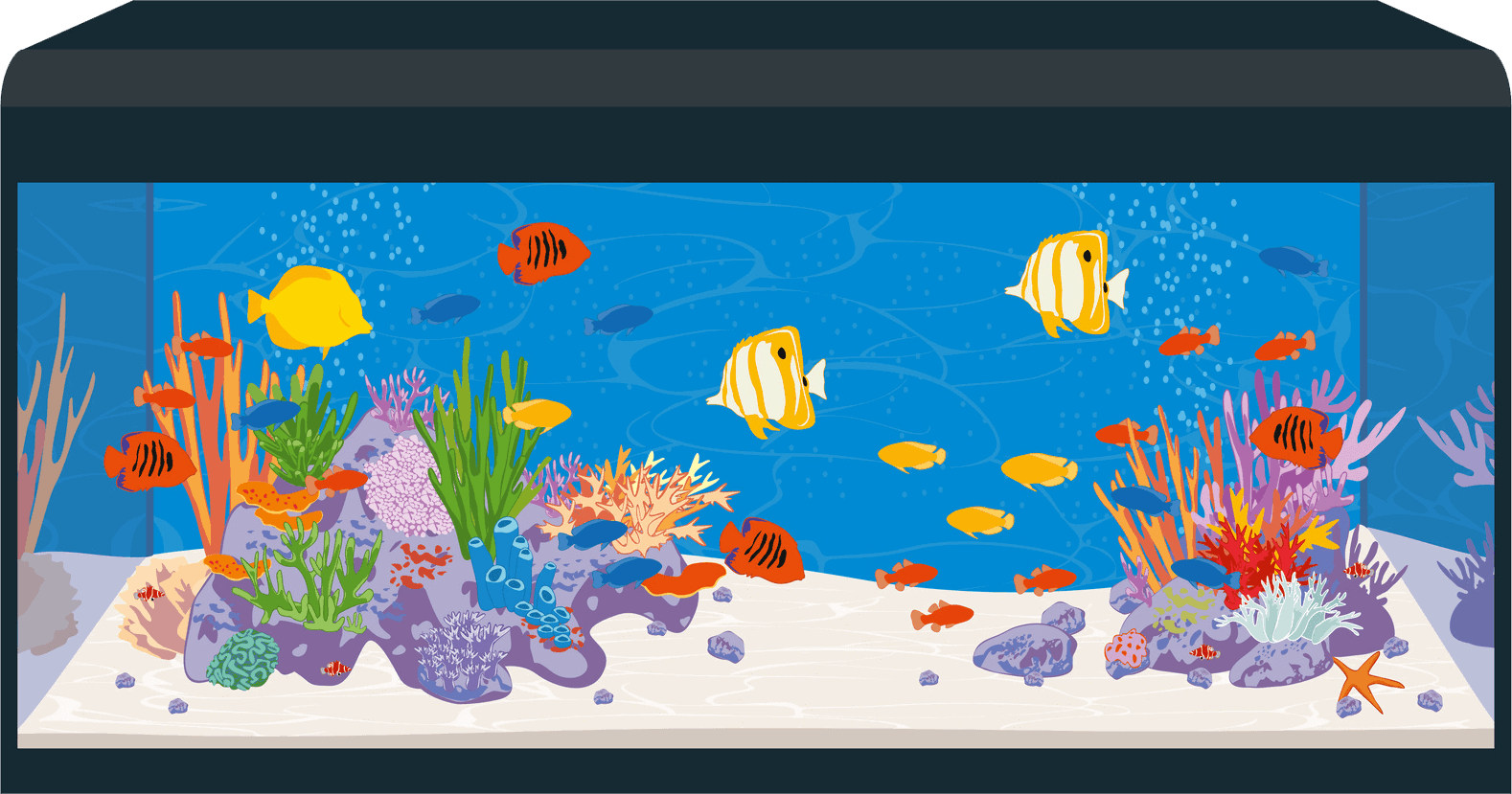
Many people believe saltwater tanks are too hard to maintain. This myth scares away beginners from trying saltwater aquariums. The truth is, saltwater tanks need care, but they are not impossible. With the right knowledge and tools, anyone can enjoy a beautiful saltwater tank.
Common Challenges Explained
Saltwater tanks require attention to water quality. Salt levels must stay balanced. Fish and corals need stable temperatures. Some saltwater species are sensitive to changes. Equipment like protein skimmers can be new to some hobbyists. These factors make saltwater tanks seem complex. Learning these basics helps avoid many problems.
Tips For Beginners
Start with hardy saltwater fish like clownfish or damsels. Use a good test kit to check water regularly. Change water slowly to keep conditions steady. Keep the tank clean but avoid over-cleaning. Join online forums or local clubs for advice. Patience is key; results come with time. These tips make saltwater tanks easier to manage.
Credit: www.fishkeepingworld.com
Myth 2: Freshwater Fish Are Less Colorful
Myth 2 claims freshwater fish are less colorful than saltwater fish. This idea makes many people think freshwater tanks look dull. It is not true. Freshwater fish have many bright and beautiful species. These fish can bring vibrant colors to any aquarium.
Vibrant Freshwater Species
Freshwater fish like guppies, bettas, and discus show stunning colors. Guppies display shades of blue, red, orange, and yellow. Bettas have long fins with deep blues and reds. Discus fish come in patterns of red, green, and blue. These species add life and color to freshwater tanks. They can be just as eye-catching as saltwater fish.
Comparing Color Variations
Saltwater fish are famous for their bright colors. Still, freshwater species offer wide color ranges too. Freshwater fish colors often change with mood, light, or health. This dynamic color change creates interesting tank visuals. Saltwater fish colors tend to stay constant. Both types of fish bring unique beauty to aquariums. The idea that freshwater fish are dull is a myth.
Myth 3: Saltwater Aquariums Are More Expensive
Many believe saltwater aquariums cost a lot more than freshwater tanks. This myth stops many from choosing saltwater setups. The truth is, costs vary based on choices and care. Understanding the real expenses helps clear this myth.
Initial Setup Costs
Saltwater tanks often require specific equipment. You need a protein skimmer and a good lighting system. Live rock and salt mix add to the start price. Freshwater tanks need less special gear. They use simple filters and decorations.
Still, beginners can start small with saltwater tanks. Smaller tanks lower the initial cost. Some saltwater fish and corals are affordable too. Planning your tank size and species controls the budget.
Long-term Maintenance Expenses
Saltwater aquariums need regular water testing. Water changes require salt and clean tools. Electricity costs can be higher for pumps and lights. Some saltwater fish need special food, which costs more.
Freshwater tanks have simpler maintenance. Water changes and filter cleaning take less time. Fish food is usually cheaper. But disease treatments can be costly for both tank types.
Maintenance costs depend on tank size and fish type. Careful research and routine upkeep keep expenses steady. Saltwater tanks are not always more expensive to maintain.
Myth 4: Freshwater Tanks Require Less Equipment
Many believe freshwater tanks need less equipment than saltwater ones. This idea is not entirely true. Freshwater aquariums still require several tools to keep fish healthy and water clean. The gear might differ, but the need for good equipment is real. Both types of tanks have their own challenges and needs.
Essential Gear For Freshwater
Freshwater tanks need basic equipment like filters and heaters. Filters keep the water clear by removing waste. Heaters maintain the right temperature for tropical fish. Lighting helps plants grow and shows off fish colors. Air pumps add oxygen to the water for fish to breathe. Substrate and decorations create a natural habitat. Test kits check water quality and keep fish safe.
Advanced Tools For Both Types
Both freshwater and saltwater tanks may need advanced gear. Protein skimmers remove organic waste, especially in saltwater tanks. Automatic feeders help with regular feeding. Water circulation pumps improve oxygen flow. UV sterilizers kill harmful bacteria and algae. Controllers regulate temperature and lighting for stable conditions. Even freshwater tanks benefit from these tools to ensure a healthy environment.
Myth 5: Saltwater Fish Are Harder To Care For
Many people believe saltwater fish need more care than freshwater fish. This idea often scares beginners from trying a saltwater aquarium. The truth is saltwater fish can be easy to care for with the right knowledge. Understanding their behavior and needs helps keep them healthy and happy.
Behavioral Differences
Saltwater fish often show more bright colors and unique behaviors. They may be more active and curious than freshwater fish. Some saltwater fish need space to swim and places to hide. Freshwater fish can be more peaceful and simple in behavior. Knowing these differences helps create a better home for each type.
Care Requirements For Popular Species
Many saltwater species, like clownfish and damselfish, are hardy and easy to care for. They need stable water conditions and regular feeding. Freshwater fish like guppies and tetras also need clean water and balanced food. Both saltwater and freshwater tanks require regular cleaning and monitoring. The key is learning the needs of your chosen fish species.
Myth 6: Freshwater Aquariums Are Less Interesting
Myth 6 suggests freshwater aquariums are less interesting than saltwater ones. This idea is not true. Freshwater tanks offer a wide range of fascinating creatures and designs. They can be just as captivating and beautiful.
Unique Freshwater Ecosystems
Freshwater aquariums host diverse fish and plants. Species like bettas, tetras, and cichlids bring vibrant colors. Some fish have unique behaviors that attract watchers. Aquatic plants add life and natural beauty. They create a peaceful, natural environment inside the tank. Each freshwater setup mimics a real river or lake ecosystem. This makes freshwater tanks unique and full of surprises.
Creative Tank Designs
Freshwater tanks allow great creativity in design. Aquascaping is popular, using plants, stones, and wood. These elements create stunning underwater landscapes. Hobbyists build scenes like forests, mountains, or riverbeds. Freshwater tanks can fit any style or space. They also cost less to set up and maintain. Creativity flows freely, making every tank a personal art piece.
Myth 7: Saltwater Tanks Are Always Better
Myth 7 suggests saltwater tanks are always better than freshwater ones. This is not true. Both types have unique qualities. The choice depends on your preferences and lifestyle. Each aquarium type has its own challenges and rewards. Understanding these can help you make the best decision.
Matching Aquariums To Lifestyles
Saltwater tanks need more care and patience. They require careful water testing and maintenance. Freshwater tanks are simpler and easier to manage. Beginners often prefer freshwater setups. Saltwater tanks suit experienced hobbyists with more time. Think about your daily schedule and interest level. Choose the aquarium that fits your lifestyle well.
Pros And Cons Summary
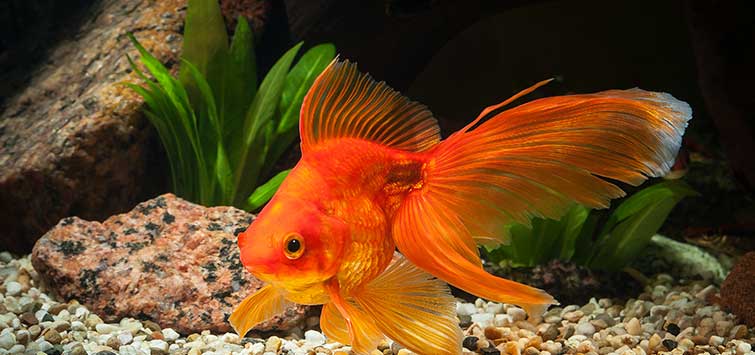
Saltwater tanks offer colorful fish and coral diversity. They can be stunning but cost more to start and maintain. Freshwater tanks are more affordable and less complex. They have a wide range of fish species. Saltwater tanks need precise water conditions. Freshwater tanks are more forgiving to small mistakes. Both types can be beautiful and rewarding. The best tank is one you can care for consistently.
Credit: www.tfhmagazine.com
How Smart Pets Lover Can Help You with Saltwater Vs Freshwater Aquariums 7 Myths Debunked
Turning Myths Into Learning Moments
Understanding the realities behind saltwater and freshwater aquariums opens up exciting practical learning opportunities for any pet enthusiast. For instance, debunking the myth that “Saltwater Tanks Are Too Difficult” encourages beginners to explore basic water chemistry and filtration techniques—skills that build confidence and deepen care knowledge. Similarly, challenging the idea that “Freshwater Fish Are Less Colorful” invites hobbyists to research diverse species and their unique habitats, enriching their appreciation for aquatic biodiversity.
At Smart Pets Lover, we believe that every pet parent’s journey is about connection and discovery. Whether you’re curious about equipment needs or fish behavior, exploring these topics with curiosity transforms aquarium care into a rewarding experience. If you’re ever unsure or want tailored advice, reaching out to local aquarium clubs or aquatic care experts can provide personalized support—because feeling informed and confident makes all the difference when nurturing your finned friends.
Frequently Asked Questions
What Is The Main Difference Between Saltwater And Freshwater Aquariums?
Saltwater aquariums contain marine salt and support ocean species. Freshwater tanks use regular water for freshwater fish. The environments differ in complexity, maintenance, and species diversity. Understanding this helps hobbyists choose the right setup for their interests and skill level.
Are Saltwater Aquariums Harder To Maintain Than Freshwater Ones?
Yes, saltwater aquariums generally require more maintenance. They need precise salt levels, specialized equipment, and frequent water testing. Freshwater tanks are simpler, with less demanding conditions. However, both require regular care to keep fish healthy and environments stable.
Can Freshwater Fish Live In Saltwater Aquariums?
No, freshwater fish cannot survive in saltwater. Saltwater environments have higher salinity, which freshwater fish cannot tolerate. Mixing species can harm or kill fish. It is essential to keep species in their appropriate water type to ensure their health and longevity.
Is It More Expensive To Set Up A Saltwater Aquarium?
Yes, saltwater aquariums usually cost more to set up. Equipment like protein skimmers, special lighting, and salt mix add to expenses. Freshwater tanks have lower startup costs. Budget considerations are important when choosing between the two aquarium types.
Conclusion
Choosing between saltwater and freshwater aquariums is easier now. Myths can confuse beginners and experts alike. Knowing the facts helps you enjoy your aquarium more. Both types offer unique beauty and challenges. Your choice depends on what suits your lifestyle and budget.
Care and patience make any aquarium thrive. Start with clear information, and your fish will thank you.