Saltwater Aquarium
Are you thinking about setting up a saltwater aquarium? Imagine having a vibrant underwater world right in your home, filled with colorful fish and stunning coral.
It’s more than just a tank—it’s a living piece of art that can bring peace and excitement to your everyday life. But starting a saltwater aquarium can feel overwhelming. What equipment do you need? How do you keep the water just right?
Don’t worry—you’re about to discover everything you need to create and maintain a beautiful, thriving saltwater aquarium that will amaze you and your guests. Keep reading, and you’ll find simple tips and expert advice to make your aquarium dreams come true.
Setting Up The Tank
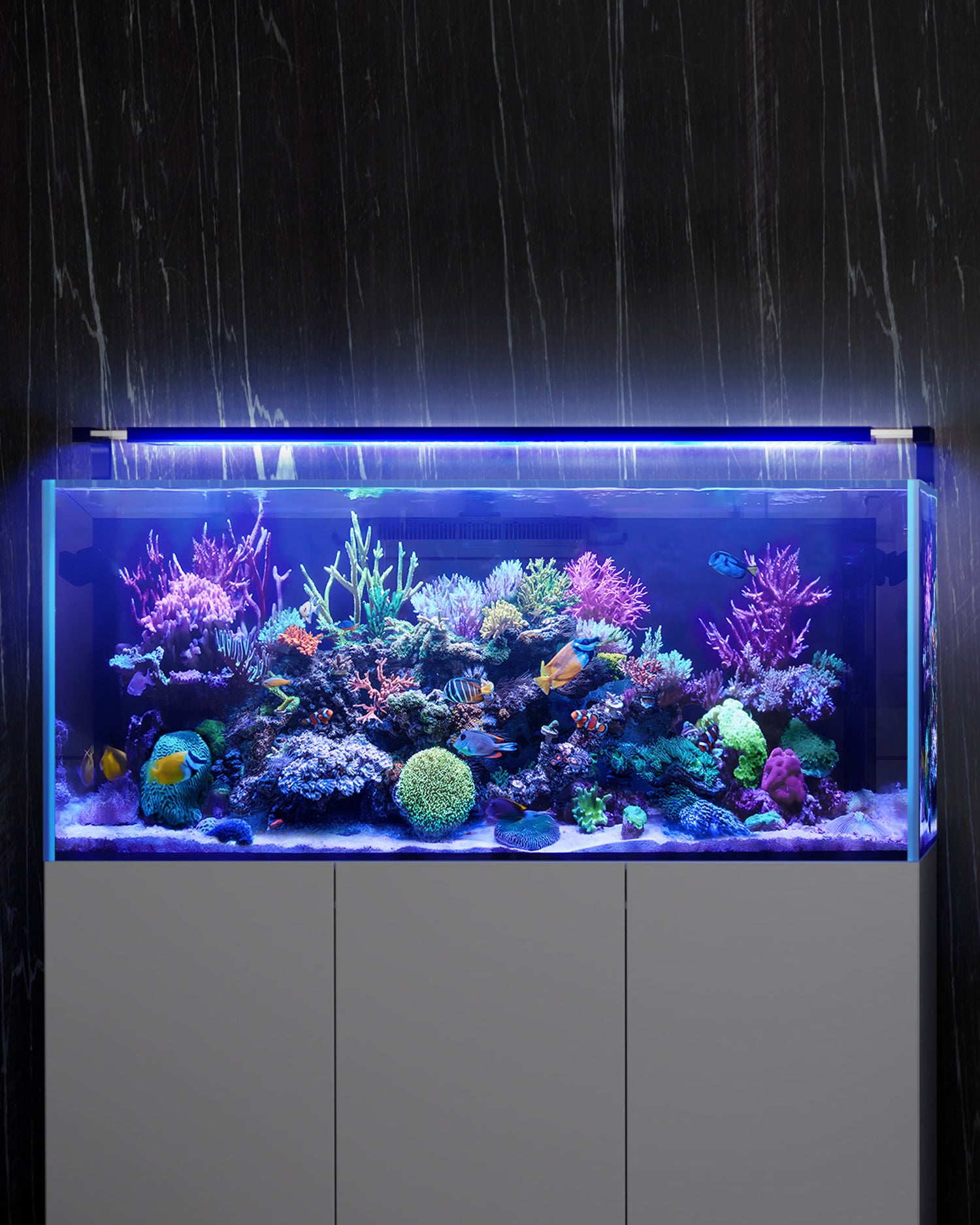
Setting up a saltwater aquarium can be exciting. It requires careful planning and the right tools. A well-set tank creates a healthy home for fish and coral. This section explains how to prepare your tank step by step.
Choosing The Right Size
Tank size matters for saltwater setups. Bigger tanks are more stable in water conditions. They hold more water, which helps keep fish safe. Small tanks need more care and frequent checks. Think about space in your home too. Start with at least 20 gallons for easier maintenance.
Selecting Equipment
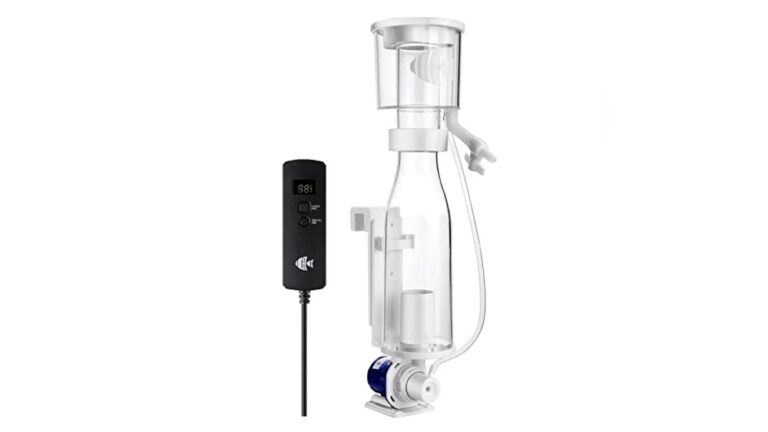
Good equipment keeps the tank clean and healthy. A strong filter removes waste and keeps water clear. Choose a heater to keep water temperature steady. Lighting is important for coral and fish health. Powerheads help water flow, which mimics ocean currents. Pick tools that fit your tank size and budget.
Water Preparation
Saltwater must be mixed carefully before adding to the tank. Use marine salt mix and pure water, like reverse osmosis water. Check salinity with a hydrometer or refractometer. The ideal range is 1.023 to 1.025 specific gravity. Let the water cycle for at least 24 hours. Test pH and other levels before adding fish.
Credit: www.glowrium.com
Choosing Marine Life
Choosing marine life for your saltwater aquarium is an exciting step. It shapes the look and feel of your underwater world. Careful selection helps keep your tank healthy and vibrant. Each creature has unique needs and behaviors. Understanding these can prevent problems later.
Marine life includes fish, corals, and invertebrates. They bring color and movement to your tank. Balancing different species creates a beautiful ecosystem. Planning your choices carefully makes maintenance easier.
Fish Species
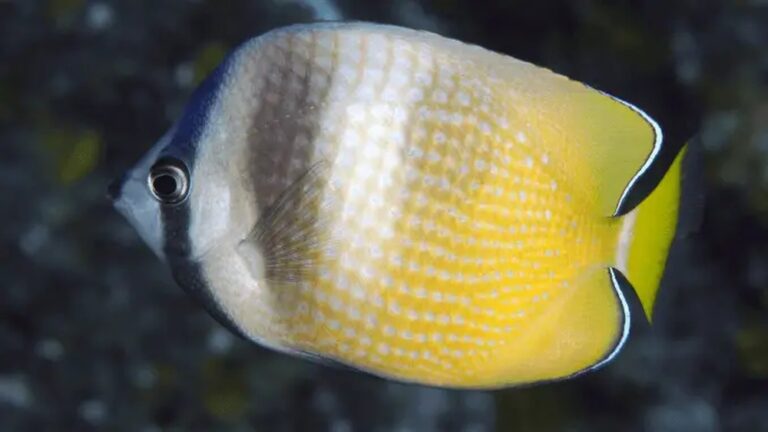
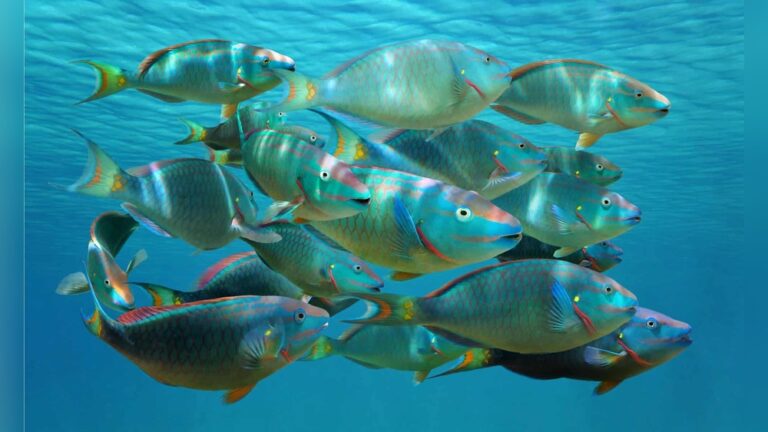
Fish are the stars of many saltwater tanks. Popular types include clownfish, tangs, and gobies. Choose fish that match your tank size and water conditions. Some fish need more space or special care. Research their diet and behavior before buying. Bright colors and interesting shapes add appeal.
Corals And Invertebrates
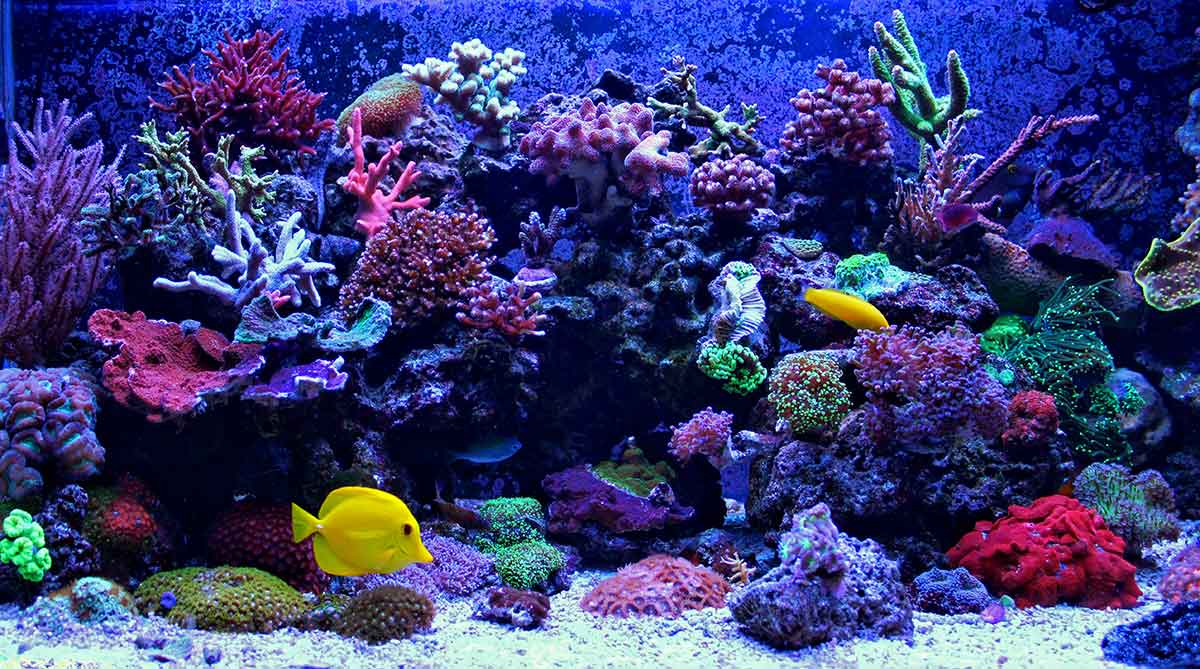
Corals add texture and color to your aquarium. They come in soft and hard varieties. Some corals need strong light and stable water. Invertebrates like shrimp, crabs, and snails help clean the tank. They also add variety and interest. Pick species that thrive in your tank setup.
Compatibility Tips
Not all marine life gets along well. Aggressive fish may harm peaceful species. Some corals can sting nearby neighbors. Avoid overcrowding to reduce stress and disease. Group animals with similar needs and temperaments. Watch new arrivals closely for signs of trouble. Compatibility keeps your tank peaceful and healthy.
Maintaining Water Quality
Maintaining water quality is key for a healthy saltwater aquarium. Clear, clean water supports fish and coral health. Poor water quality causes stress and disease. Regular care keeps your tank stable and vibrant.
Testing Parameters
Check water parameters often to keep balance. Measure pH, ammonia, nitrite, and nitrate levels. Also test salinity and temperature regularly. Use easy test kits for quick results. Record data to notice changes early.
Filtration Methods
Good filtration removes waste and toxins. Mechanical filters trap debris and particles. Biological filters use helpful bacteria to break down waste. Chemical filters remove impurities and odors. Combine these methods for best water clarity.
Water Changes
Regular water changes refresh the tank environment. Replace 10-20% of water every 1-2 weeks. Use clean, salt-mixed water matching tank conditions. Water changes reduce harmful chemicals and replenish minerals. This simple step keeps fish healthy and active.
Feeding And Nutrition
Feeding and nutrition are vital for a healthy saltwater aquarium. Fish and other sea creatures need the right food to grow and stay active. Good nutrition supports their colors, energy, and immune system. Understanding what to feed and how often helps keep your tank balanced and lively.
Types Of Food
Saltwater fish eat different kinds of food. Some prefer flakes or pellets made for marine life. Others like frozen or live food like brine shrimp or plankton. Algae and seaweed sheets are good for herbivores. Variety in food keeps fish healthy and happy. Check what each species needs before feeding.
Feeding Schedules
Feed your fish twice a day for best results. Small amounts work better than large meals. Young fish may need more frequent feedings. Consistent timing helps fish adjust and reduces stress. Avoid feeding at random times to maintain water quality.
Avoiding Overfeeding
Overfeeding causes water pollution and health problems. Leftover food decays and harms tank water. Feed only what fish can eat in a few minutes. Remove extra food quickly to protect water quality. Watch your fish to know their appetite and adjust feeding.
Lighting And Temperature
Lighting and temperature are key factors in a saltwater aquarium. They help create a natural environment for fish and corals. Proper care of these elements keeps the tank healthy and vibrant.
Choosing Lighting Systems
Pick lighting that mimics natural sunlight. LED lights are popular for saltwater tanks. They use less energy and last longer. Choose lights with the right color spectrum. Blue and white lights support coral growth. Avoid lights that are too bright or dim. Set timers to keep a consistent day-night cycle. This helps fish and corals follow their natural rhythm.
Temperature Control
Maintain a stable temperature between 75°F and 82°F. Use a reliable aquarium heater to keep warmth steady. A thermometer helps monitor changes easily. Avoid sudden temperature drops or spikes. These can stress fish and corals. Cooling fans or chillers help in hot climates. Regular checks prevent equipment failure and keep life safe.
Impact On Marine Life
Lighting affects coral photosynthesis and fish behavior. Correct light intensity helps corals grow strong. Fish need light to see and feel safe. Temperature impacts metabolism and immune systems. Too hot or cold water harms marine animals. Stable conditions reduce disease risks. Healthy lighting and temperature create a thriving aquarium.
Common Problems
Saltwater aquariums bring beauty and calm to any space. They also need careful care. Common problems can affect fish health and tank appearance. Knowing these problems helps keep your tank healthy and vibrant.
Disease Prevention
Diseases can spread fast in saltwater tanks. Quarantine new fish before adding them. Watch for signs like spots, swelling, or strange behavior. Keep water clean and stable. Regular water changes reduce disease risks. Use salt mixes and medications carefully. Early action stops illness from spreading.
Algae Control
Algae grow quickly in saltwater tanks. Too much algae looks bad and harms fish. Control light exposure to limit algae growth. Clean tank surfaces often. Use algae-eating fish or snails. Test water for nutrients like nitrate and phosphate. Lower nutrient levels slow algae growth. Balance helps keep the tank clear and healthy.
Troubleshooting Equipment
Equipment keeps your tank stable. Problems with filters, heaters, or pumps can harm fish. Check equipment regularly for damage or blockages. Test water temperature and flow. Replace broken parts quickly. Backup equipment avoids sudden failures. Proper maintenance ensures smooth tank operation.
Advanced Techniques
Advanced techniques in saltwater aquariums help create a thriving underwater world. These methods improve fish health and tank beauty. They also make aquarium care easier and more fun.
Using these techniques, hobbyists can explore new ways to keep marine life safe and happy. They also learn how to design tanks that mimic natural ocean environments.
Breeding Marine Life
Breeding marine life requires patience and a good setup. Creating the right water conditions is key. Temperature, salinity, and pH must be stable.
Some fish need special hiding places to lay eggs. Coral and live rocks often serve as safe spots. Feeding parents with high-quality food supports healthy offspring.
Raising fry is challenging. Tiny fish need specific diets and clean water. Using separate tanks for breeding can increase survival rates.
Aquascaping Ideas
Aquascaping shapes the tank’s look and feel. Using live rock and coral creates a natural reef effect. Choose colors and shapes that contrast well.
Layering rocks builds depth and hiding spots. Sand or crushed coral substrate adds to realism. Plants and soft corals provide movement and color.
Balance is important. Avoid overcrowding and allow swimming space. Change aquascape slowly to keep fish stress low.
Using Automation
Automation saves time and keeps water stable. Timers control lights to mimic day and night. Automated feeders give fish small meals regularly.
Water pumps and filters can run on schedules. This reduces manual work and errors. Sensors monitor temperature and salinity constantly.
Alerts notify of any changes or problems. Automation helps beginners and experts maintain healthy tanks. It supports a balanced and clean environment.
Credit: www.aqueon.com

Credit: www.coralfishsupplies.com
How Smart Pets Lover Can Help You with Saltwater Aquarium
Learning Through Your Saltwater Aquarium Journey
Embarking on the adventure of a saltwater aquarium is more than just creating a beautiful underwater world—it’s a hands-on classroom where patience and observation go hand in hand. As you master maintaining water quality and learn to balance feeding and nutrition, you’ll gain valuable insights into marine ecosystems and responsible pet care. These practical experiences deepen your connection with the marine life you choose, turning everyday maintenance into moments of discovery.
Remember, challenges like common problems or adjusting lighting and temperature aren’t setbacks—they’re opportunities to grow and refine your skills. At Smart Pets Lover, we understand how meaningful these small victories are, especially when you see your aquatic companions thrive. If you ever want to swap tips or need guidance, connecting with fellow enthusiasts or experts can be a great resource. After all, every tank tells a story, and yours is no exception.
Frequently Asked Questions
What Equipment Is Essential For A Saltwater Aquarium?
A saltwater aquarium requires a tank, protein skimmer, heater, lighting, and a filtration system. Proper equipment ensures water quality and marine life health.
How Do I Maintain Water Quality In Saltwater Tanks?
Regular water testing, partial water changes, and using a good filtration system maintain water quality. Stable salinity and temperature are crucial for marine life.
Which Fish Species Are Best For Beginners?
Clownfish, damselfish, and gobies are ideal for beginners. They are hardy, adaptable, and tolerate varying tank conditions well.
How Often Should I Perform Water Changes?
Perform 10-20% water changes every 1-2 weeks. This helps remove toxins, replenish minerals, and keep the environment stable.
Conclusion
Saltwater aquariums bring a piece of the ocean into your home. They need care, patience, and regular attention. Watching colorful fish and corals grow is very rewarding. Start with basic equipment and learn step by step. Keep water clean and stable for healthy marine life.
Enjoy the calm and beauty that saltwater tanks offer. A little effort creates a stunning underwater world right in your room. Dive in and experience the joy of saltwater aquarium keeping.