Rosy Barb
If you’re looking to add vibrant color and lively movement to your aquarium, the Rosy Barb is a perfect choice. This fish is not just beautiful; it’s also hardy and easy to care for, making it ideal whether you’re a beginner or an experienced hobbyist.
Imagine watching your tank come alive with shimmering pink and red hues that brighten your space every day. Keep reading to discover everything you need to know to keep your Rosy Barb happy and healthy, so your aquarium becomes a stunning centerpiece you’ll love showing off.
:strip_icc()/Puntius_conchonius_Dornenwolf-56a32ff15f9b58b7d0d0dfd6.jpg)
Credit: www.thesprucepets.com
Rosy Barb Basics
The Rosy Barb is a popular freshwater fish known for its bright colors and easy care. It fits well in many home aquariums. This fish adds life and movement to any tank. Understanding its basic traits helps in keeping it healthy and happy.
Rosy Barbs are active swimmers and enjoy space to explore. They are peaceful but can be lively with other fish. Knowing their needs supports a balanced aquarium environment.
Physical Features
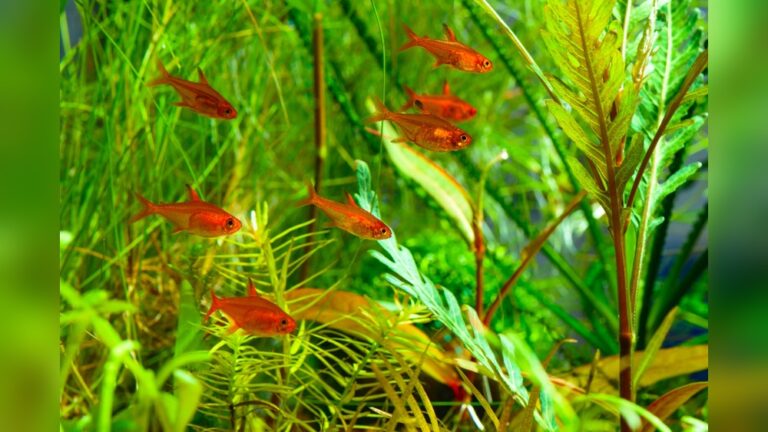
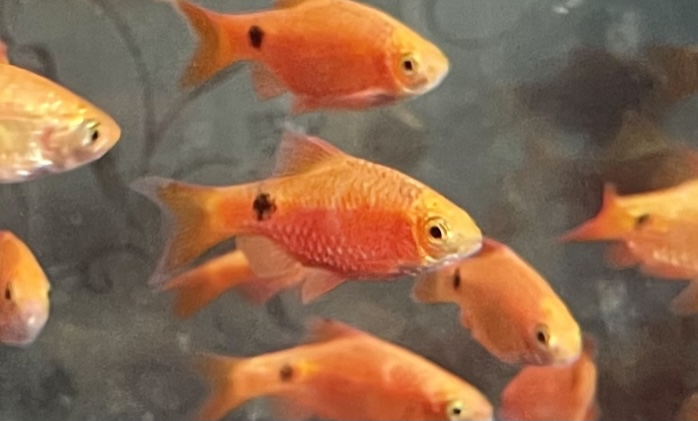
Rosy Barbs have a deep, round body. Their color ranges from soft pink to bright red. Males often show a more vivid hue than females. They grow up to 6 inches long. Their fins are slightly pointed and sometimes have black tips. The fish’s eyes are large and dark. These features make them easy to spot in a tank.
Natural Habitat
Rosy Barbs come from rivers and streams in South Asia. They live in calm waters with plants and rocks. The water there is usually warm and slightly hard. These fish adapt well to different water conditions. They thrive in places with good oxygen and gentle currents. Their natural habitat helps explain their need for space and clean water in tanks.

Credit: aquadiction.world
Tank Setup
Setting up the right tank for Rosy Barb is key to a healthy fish. The tank must support their active nature and keep water clean. Proper setup helps Rosy Barbs thrive and show their best colors.
Below are important points on tank size, water conditions, and decoration to create a perfect home for Rosy Barbs.
Tank Size
Rosy Barbs need space to swim freely. A tank of at least 30 gallons suits a small group. More space is better for larger groups. Provide enough room to reduce stress and aggression.
Water Conditions
Keep water temperature between 64°F and 72°F. pH should stay around 6.5 to 7.5. Regular water changes keep water fresh. Good filtration is important to remove waste.
Decor And Plants
Use smooth decorations to avoid injuries. Rocks and driftwood create hiding spots. Live plants like Java fern and Anubias work well. Plants offer shelter and improve water quality.
Diet And Feeding
Rosy Barb fish need a balanced diet for good health and bright colors. Feeding them the right food helps them grow strong. It also keeps them active and happy in the aquarium.
Recommended Foods
Rosy Barbs eat both plant and animal foods. They enjoy flakes made for tropical fish. These flakes provide essential vitamins and minerals. Small live foods like brine shrimp or daphnia are great treats. These foods boost their energy and natural behavior. You can also offer frozen or freeze-dried foods. Vegetables like peas or spinach chopped into small pieces are healthy options.
Feeding Schedule
Feed Rosy Barbs two times a day. Give only as much food as they eat in two minutes. Overfeeding can cause water pollution and health issues. Remove any leftover food quickly to keep the tank clean. Young fish may need more frequent feeding. Adult Rosy Barbs do well on a steady, simple routine.
Behavior And Temperament
The Rosy Barb is a lively and curious fish that adds energy to any aquarium. Its behavior shows a balance of playfulness and calmness. This makes it a favorite for many fish keepers. Understanding their temperament helps create a peaceful tank environment.
Social Habits
Rosy Barbs are social fish. They feel safe and happy in groups of five or more. Alone, they can become shy or stressed. These fish swim actively and enjoy exploring together. Their schooling behavior reduces aggression and boosts confidence.
Compatibility With Other Fish
Rosy Barbs get along well with many species. They prefer tank mates that are similar in size and temperament. Avoid very small or slow fish, as Rosy Barbs may nip fins. Peaceful, active fish work best as companions. A well-planned community tank keeps all fish calm and healthy.
Health And Care
Keeping Rosy Barb healthy is key for a happy aquarium. Their bright colors and active nature show good care. Watch for signs of stress or illness. Healthy water and food are the basics. Clean tanks help prevent many health problems. Understanding common diseases helps catch problems early.
Common Diseases
Rosy Barbs can get fin rot, a bacterial infection. It causes torn or ragged fins. Another issue is ich, a parasite that looks like white spots. Fish may scratch against tank surfaces. Swim bladder disease can make swimming hard. It causes floating or sinking problems. Stress weakens their immune system. This makes diseases more likely.
Preventive Measures
Keep water clean by changing 25% weekly. Use a good filter to remove waste. Feed a balanced diet with flakes or pellets. Add live or frozen foods for variety. Avoid overcrowding the tank to reduce stress. Quarantine new fish before adding them. Test water regularly for ammonia, nitrite, and nitrate. Keep tank temperature stable, around 68-75°F (20-24°C). Healthy habits keep Rosy Barbs bright and active.
Credit: en.wikipedia.org
Breeding Rosy Barbs
Breeding Rosy Barbs is rewarding and fun for aquarium enthusiasts. These fish are active and colorful, making the process enjoyable. They do not need complicated care to reproduce. Simple steps help create the best environment for spawning and raising young fish.
Understanding their needs leads to healthy fry and happy adult fish. Patience and attention to detail improve success. This section covers key points about spawning conditions and raising fry.
Spawning Conditions
Rosy Barbs prefer clean, warm water for breeding. The ideal temperature is between 72°F and 79°F (22°C to 26°C). Slightly acidic to neutral water with a pH of 6.5 to 7.0 works best. Provide plenty of plants or spawning mops for egg laying.
Keep the tank well-lit but avoid strong currents. A separate breeding tank helps protect eggs from adult fish. Feed the parents with live or frozen foods to boost their health. Spawning usually happens early in the morning.
Raising Fry
After hatching, fry need clean water and gentle care. Use a sponge filter to avoid sucking them in. Feed tiny foods like infusoria or newly hatched brine shrimp. Increase food size as fry grow, switching to finely crushed flakes.
Change water regularly but carefully to keep quality high. Keep fry in a warm tank with stable conditions. Avoid overcrowding to reduce stress and improve growth. Watch for signs of illness and remove any sick fry quickly.
How Smart Pets Lover Can Help You with Rosy Barb
Learning Through Caring for Your Rosy Barb
Welcoming a Rosy Barb into your home is more than just setting up a tank; it’s an opportunity to deepen your understanding of aquatic life and responsible pet care. As you fine-tune the tank setup—balancing water parameters and décor—you’ll naturally enhance your knowledge of their behavior and temperament, noticing how these lively fish interact with their environment and each other.
Feeding your Rosy Barb a varied diet not only supports their health but also teaches patience and observation, helping you recognize subtle changes that might indicate health issues. This hands-on experience aligns perfectly with Smart Pets Lover’s mission to help pet parents feel confident and connected with their animals.
- Observe how diet choices influence activity and coloration
- Monitor social dynamics within your Rosy Barb community
- Document health and breeding milestones to track progress
If you ever need guidance, trusted resources or communities can be invaluable. Feel free to reach out to Smart Pets Lover’s support for insights that go beyond basics—because every wag, purr, and chirp (or splash) truly tells a story worth learning from.
Frequently Asked Questions
What Is The Ideal Tank Size For Rosy Barb?
Rosy Barbs thrive in tanks of at least 20 gallons. Larger tanks provide ample swimming space and stable water conditions. A spacious tank helps reduce stress and promotes healthy growth for these active fish.
How Often Should I Feed Rosy Barb Fish?
Feed Rosy Barbs twice daily with high-quality flakes or pellets. Include occasional live or frozen foods like brine shrimp. Balanced feeding ensures optimal health and vibrant coloration in these fish.
What Water Conditions Suit Rosy Barb Best?
Rosy Barbs prefer water temperatures between 64-72°F and a pH of 6. 0-7. 5. Moderate hardness supports their well-being. Regular water changes maintain clean, stable conditions essential for their health.
Are Rosy Barbs Good Community Fish?
Yes, Rosy Barbs are peaceful and social fish. They do well in groups of six or more. They coexist peacefully with other non-aggressive species, making them excellent community tank members.
Conclusion
Rosy Barbs add color and life to any aquarium. They are hardy fish that suit many tank setups. Feeding them is simple with common fish food. They enjoy swimming in groups, so keep several together. Their peaceful nature makes them good tank mates.
Caring for Rosy Barbs can bring joy and calm. Try adding them to your fish collection today.