Rope Fish
If you’re looking to add a unique and fascinating pet to your aquarium, the Rope Fish might be just what you need. With its long, slender body and gentle nature, this fish stands out from the crowd.
You’ll quickly discover how interesting and rewarding it is to care for a Rope Fish. You’ll learn everything important about keeping one healthy and happy. Ready to dive into the world of Rope Fish and see why they’re such a favorite among fish enthusiasts?
Keep reading—you won’t want to miss a single tip.

Credit: www.reddit.com
Rope Fish Basics
The rope fish is a fascinating aquatic creature that many aquarium lovers admire. It has unique traits that make it stand out in freshwater tanks. Understanding rope fish basics helps you care for them properly. These basics include their look, habitat, and behavior.
Physical Appearance
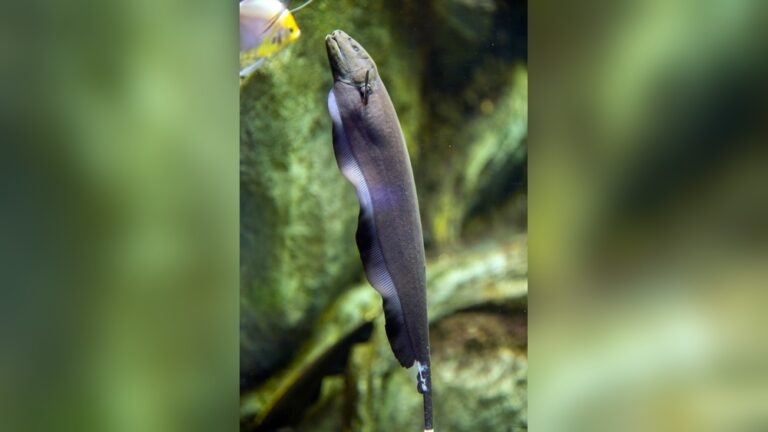
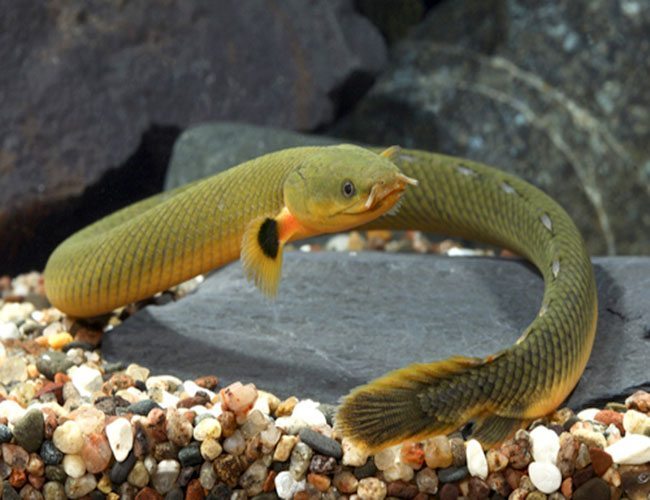
Rope fish have long, slender bodies that resemble a snake. Their skin is smooth with a shiny, olive-green color. They have small fins and a pointed head. Their eyes are small but sharp, helping them see in dim water. These fish can grow quite long, sometimes up to three feet.
Natural Habitat
Rope fish live in slow-moving rivers and swamps in West Africa. They prefer areas with plenty of plants and hiding spots. The water in their habitat is usually warm and soft. They often stay near the bottom, weaving through plants and roots. These conditions keep them safe and comfortable.
Behavior Traits
Rope fish are peaceful and shy by nature. They like to explore their environment quietly. They often hide during the day and become active at night. These fish use their strong sense of smell to find food. They can breathe air, allowing them to survive in low-oxygen water. Their calm behavior makes them good tank mates for other gentle fish.
Tank Setup
Setting up the right tank for your Rope Fish is key to its health and happiness. This fish needs space and a calm environment. The tank should mimic its natural habitat to keep it comfortable. Below are important points on tank size, water conditions, and decorations.
Tank Size Requirements
Rope Fish grow long, sometimes over two feet. A tank of at least 40 gallons is needed. Longer tanks work better than tall tanks. They allow the fish to swim freely. A tight space can stress your Rope Fish.
Water Conditions
Keep water warm, between 75 and 82 degrees Fahrenheit. The pH should be neutral to slightly acidic, around 6.5 to 7.5. Water hardness should be soft to moderate. Clean water is vital. Use a good filter and change water weekly.
Substrate And Decorations
Soft sand or fine gravel works best for the bottom. Avoid sharp or rough materials. Rope Fish like to hide and explore. Add caves, driftwood, and plants for shelter. These decorations also help reduce stress.
Diet And Feeding
The diet and feeding habits of Rope Fish are important to keep them healthy and active. These fish eat a variety of foods that help them grow strong. Understanding what and how to feed them makes a big difference in their care.
Preferred Foods
Rope Fish like live and frozen foods. They enjoy bloodworms, brine shrimp, and small fish. Occasionally, they will eat pellets or flakes made for carnivorous fish. Variety in their diet keeps them healthy and interested in food.
Feeding Frequency
Feed Rope Fish every other day. Young fish may need daily feeding. Adult fish do well with feeding three to four times a week. Avoid overfeeding to prevent water pollution and health problems.
Feeding Tips
Feed Rope Fish at night or in dim light. They are nocturnal and hunt better in low light. Use tongs or a feeding stick to place food near them. Remove uneaten food after 10 minutes to keep the tank clean.
Credit: azgardens.com
Compatibility
Rope fish are gentle and curious creatures. They can live well with other fish if conditions are right. Understanding their compatibility helps create a peaceful tank environment. This ensures all fish stay healthy and happy.
Suitable Tank Mates
Choose calm, medium-sized fish as tank mates. Avoid very small fish that rope fish might see as food. Good options include gouramis, peaceful catfish, and tetras. Avoid aggressive or very fast swimmers. Rope fish enjoy a quiet and stable community.
Aggression And Territory
Rope fish have low aggression levels. They may show mild territorial behavior around hiding spots. Provide plenty of caves and plants to reduce stress. Do not overcrowd the tank. This helps keep peace among all fish.
Community Tank Tips
Keep the tank large enough for all inhabitants. Provide soft lighting and many hiding places. Regular water changes improve water quality and fish health. Feed all fish properly to avoid competition. Watch fish behavior daily to spot problems early.
Health And Care
Rope fish need careful attention to stay healthy. Their health depends on clean water and proper tank conditions. Regular care helps prevent many common problems.
Knowing how to spot illness and stress keeps your rope fish safe. This section covers common diseases, ways to prevent them, and signs that your fish may be stressed.
Common Diseases
Rope fish can get fin rot, ich, and bacterial infections. Fin rot causes ragged or missing fins. Ich shows as small white spots on the body. Bacterial infections may cause redness or swelling. Early treatment is important for all diseases.
Preventive Measures
Keep the tank clean by changing water regularly. Use a good filter to remove waste and toxins. Avoid sudden changes in temperature or water quality. Feed a varied diet to keep your rope fish strong. Quarantine new fish before adding them to the tank.
Signs Of Stress
Stress makes rope fish hide more than usual. They may lose appetite or swim erratically. Look for faded colors or clamped fins. Stress lowers their immune system and invites disease. Act fast to improve tank conditions and reduce stress.
Breeding Rope Fish
Breeding rope fish can be a rewarding experience for aquarium hobbyists. These unique fish have specific needs during breeding. Understanding their behavior and environment helps improve success. Patience and care are essential in every step.
Breeding Conditions
Provide a large tank with soft, slightly acidic water. Keep the temperature between 78°F and 82°F. Use fine plants or spawning mops for egg attachment. Maintain low lighting to reduce stress. Ensure good water quality with gentle filtration.
Spawning Behavior
Rope fish pairs often show increased activity before spawning. The male may chase the female gently around the tank. Spawning usually happens at night or early morning. Eggs are laid on plants or tank walls. The female can lay hundreds of tiny eggs.
Raising Fry
Remove adults after spawning to protect the eggs. Eggs hatch in about two to three days. Feed fry with infusoria or liquid fry food at first. Gradually introduce baby brine shrimp as they grow. Keep water clean and stable for healthy development.

Credit: www.wetspottropicalfish.com
How Smart Pets Lover Can Help You with Rope Fish
Learning Through Caring for Your Rope Fish
Bringing a rope fish into your home is more than just setting up a tank—it’s an opportunity to deepen your understanding of aquatic life and responsible pet care. As you explore the ideal tank setup and fine-tune their diet and feeding routines, you’re not only creating a healthy environment but also sharpening your observation skills. Noticing subtle behaviors or changes in health encourages a proactive approach that benefits both you and your finned friend.
- Experiment with natural hiding spots to mimic their preferred habitat, which enhances your knowledge of their comfort needs.
- Track feeding patterns to learn about their dietary preferences and nutritional requirements.
- Monitor tank compatibility to ensure peaceful cohabitation, reflecting on the importance of community in aquatic ecosystems.
At Smart Pets Lover, we believe every pet interaction is a chance to grow as compassionate caretakers. If you have questions about rope fish care or want to share your experiences, connecting with fellow enthusiasts can be invaluable. Feel free to reach out for thoughtful advice that supports your journey in becoming a confident, informed pet parent.
Frequently Asked Questions
What Is A Rope Fish And Where Does It Live?
A Rope Fish is a freshwater species native to West African rivers. It prefers slow-moving, heavily planted waters with hiding spots and soft substrates.
How Long Can A Rope Fish Grow In Captivity?
Rope Fish can grow up to 30 inches (75 cm) in captivity. Proper tank size and care are essential for healthy growth.
What Should I Feed My Rope Fish?
Rope Fish are carnivores. Feed them live or frozen foods like bloodworms, shrimp, and small fish for optimal health.
Are Rope Fish Peaceful With Other Tank Mates?
Yes, Rope Fish are generally peaceful but may eat small fish. Suitable tank mates are larger, non-aggressive species.
Conclusion
Rope fish make a unique and interesting addition to any aquarium. They need a calm environment with plenty of hiding spots. Feeding them is simple with the right diet. Watching their slow, graceful movements can be very relaxing. These fish thrive best with care and patience.
Their unusual appearance often sparks curiosity and joy. Keep their tank clean and stable for health. Rope fish can live many years with good care. A peaceful home helps them show their best colors. Consider adding a rope fish to your aquatic family.