Reverse Osmosis In A Fish Tank
Are you struggling to keep your fish healthy and your tank crystal clear? The secret might be simpler than you think.
Reverse osmosis in a fish tank can transform the water quality, making it safer and more stable for your aquatic friends. Imagine giving your fish the purest environment possible—free from harmful chemicals and impurities that can stress or even harm them.
If you want to learn how to make your fish tank water healthier and create the perfect habitat, keep reading. This guide will show you exactly why reverse osmosis is a game-changer and how you can easily use it for your aquarium.
Role Of Reverse Osmosis In Aquariums
Reverse osmosis plays a key role in maintaining healthy aquariums. It helps create pure water by removing harmful chemicals and impurities. Fish and plants thrive better in clean water. This process supports a stable and safe environment inside the tank.
Using reverse osmosis water reduces the risk of diseases. It also helps control water hardness and pH levels. Clean water means fewer problems with algae and toxins. This makes tank maintenance easier and more effective.
What Is Reverse Osmosis Water?
Reverse osmosis water is very pure water. It passes through a special filter that removes salts, chemicals, and particles. This water has almost no contaminants or minerals. It is ideal for sensitive fish and plants that need clean water.
Benefits Of Reverse Osmosis In Aquariums
Using reverse osmosis water improves fish health. It prevents buildup of harmful substances like chlorine and heavy metals. This water helps keep the tank clear and safe. It also allows better control over water conditions.
How Reverse Osmosis Supports Water Quality
Reverse osmosis removes most impurities from tap water. It lowers nitrate, phosphate, and other harmful chemicals. This creates a balanced environment for fish and plants. Clean water reduces stress and helps fish live longer.
Credit: www.amazon.com
Benefits For Fish Health
Reverse osmosis (RO) water is very pure and clean. It removes many harmful substances from tap water. This purity helps keep fish healthy in your aquarium. Using RO water creates a safe environment for all fish types.
Pure water means fewer toxins and less stress for fish. Fish live longer and grow better with clean water. RO water also supports delicate species that need soft, clean water.
Improves Water Quality
RO systems remove chlorine, heavy metals, and chemicals. These substances can harm fish gills and skin. Cleaner water reduces diseases and infections. Fish breathe easier and swim actively.
Prevents Algae Growth
Algae need nutrients like nitrates and phosphates to grow. RO water has very low levels of these nutrients. Less algae means clearer water and healthier fish. It also saves time cleaning the tank.
Supports Sensitive Fish Species
Many fish species need specific water conditions. RO water can be adjusted to the right pH and hardness. This helps fish avoid stress and illness. Sensitive fish thrive better in controlled water.
Reduces Risk Of Toxic Buildup
Toxins from tap water build up over time in tanks. RO water prevents this buildup by filtering out harmful elements. Fish stay safe from toxic effects. This keeps the tank environment stable and healthy.
How Reverse Osmosis Systems Work
Reverse osmosis systems clean water for fish tanks by removing impurities. This process helps keep fish healthy by providing pure water. Understanding how these systems work can help you maintain a better aquarium environment.
Key Components
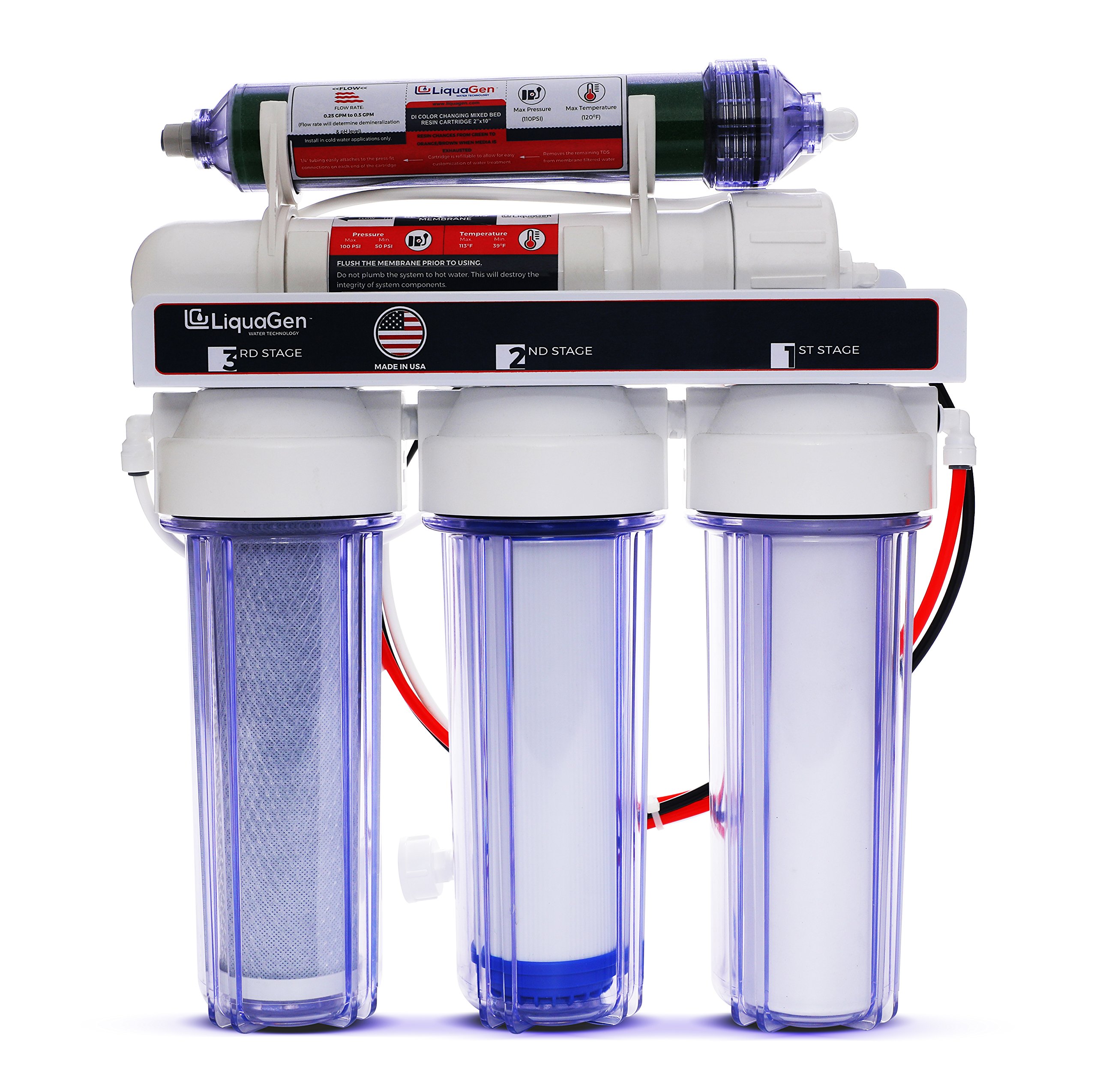
A reverse osmosis system has several important parts. First, there is the pre-filter that removes large particles like dirt and rust. Then, a carbon filter takes out chlorine and chemicals. The heart of the system is the RO membrane, which blocks tiny impurities. Finally, a storage tank holds the clean water ready for use.
Water Filtration Process
Water enters the system and passes through the pre-filter. This step stops large debris from reaching the membrane. Next, the carbon filter removes chlorine and bad smells. The water then moves to the RO membrane. This part filters out salts, metals, and other tiny particles. The clean water collects in the storage tank. Waste water with impurities goes down the drain. The result is clean, pure water perfect for your fish tank.
Choosing The Right Ro Unit
Choosing the right reverse osmosis (RO) unit for a fish tank is important. It affects water quality and fish health. The right unit cleans water well and fits your tank size. Consider the capacity and features carefully. These points help you pick the best unit for your needs.
Capacity And Size
Check the RO unit’s capacity before buying. It should match your tank’s water volume. Small tanks need smaller units with lower output. Large tanks require units that produce more purified water. The size of the unit also matters for space. Find a compact unit if your space is limited. Always choose a unit that meets or exceeds your daily water use.
Quality And Features
Look for units with good build quality. Strong parts last longer and work better. Some units include extra filters for better water purity. Features like easy filter replacement save time and effort. A clear pressure gauge helps monitor the system’s performance. Choose a unit with clear instructions for easy setup and use. Good customer support adds extra security.
Installation And Setup Tips
Installing a reverse osmosis (RO) system in your fish tank helps keep water clean and safe. Proper setup ensures the system works well and lasts longer. Follow these tips to install and set up your RO system correctly.
Choosing The Right Location
Place the RO system near your water source. It should be easy to reach for maintenance. Avoid direct sunlight or damp areas. A dry, cool spot works best for the system’s longevity.
Connecting To The Water Supply
Use the right fittings to connect the RO system to your tap. Tighten connections firmly to prevent leaks. Turn off the water before starting to avoid spills. Check all joints after installation for any drips.
Setting Up The Storage Tank
Attach the storage tank securely near the RO unit. Keep it at a lower level than the filter for better water flow. Make sure the tank valve is closed during initial setup. Open it slowly once the system starts working.
Flushing The System Before Use
Flush the RO membrane for at least 10 minutes before use. This removes any factory residues and improves water taste. Discard the first batch of filtered water. It may contain impurities from manufacturing.
Regular Maintenance Reminders
Replace filters and membranes as recommended by the manufacturer. Clean the system parts regularly to avoid clogging. Monitor water quality to catch problems early. Simple care keeps your fish tank water pure and healthy.
Credit: www.aquatechwatersystems.com
Maintenance And Troubleshooting
Maintaining a reverse osmosis (RO) system in a fish tank is important for keeping water clean. Regular care helps the system work well and keeps fish safe. Troubleshooting fixes small problems fast. This stops big issues from growing. Below are tips on filter replacement and common issues.
Filter Replacement
RO filters need changing often. Each filter has a lifespan. Check the user guide for the right time. A clogged filter lowers water flow. It also reduces water quality. Replace filters in the right order. Usually, pre-filters come first, then the RO membrane, and last the post-filters. Use clean hands and tools to avoid contamination. Keep spare filters ready for quick swaps.
Common Issues
Low water output is a common problem. It may mean filters are dirty or clogged. Check water pressure. Too low pressure slows the RO system. Leaks can appear around tubes and connectors. Tighten fittings carefully to stop leaks. Taste or smell changes in water show filter issues. The RO membrane might be damaged or old. Flush the system to clear blockages. Regular checks catch issues early. This keeps your fish tank water pure and safe.
Cost Considerations
Using reverse osmosis (RO) for your fish tank involves various costs. Understanding these costs helps you plan your budget better. Some expenses are one-time purchases. Others come as ongoing maintenance fees. Knowing these details lets you keep your tank healthy without surprises.
Initial Purchase Price
The RO system’s price depends on its size and quality. Small units cost less but suit small tanks only. Larger systems handle more water but cost more. Basic models start around $100. High-end models can go over $300. Choose a system that fits your tank size and budget.
Replacement Filters And Membranes
RO systems need filter changes to work well. Filters can cost between $20 and $50 each. Membranes last longer but cost more, around $30 to $70. Replace filters every 6 to 12 months. Membranes might need changing every 2 years. Regular replacement keeps water clean and safe.
Water Waste And Utility Costs
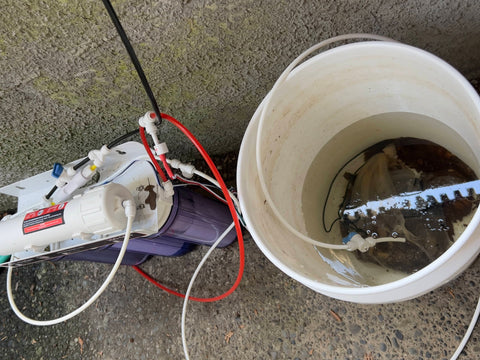
RO systems waste some water during purification. Usually, 3 to 4 gallons waste for every gallon purified. This increases your water bill. Electricity costs rise if your system uses a pump. Check your local rates to estimate expenses. Efficient models reduce waste and save money.
Additional Equipment Costs
Sometimes, you need extra parts like storage tanks or pumps. These add to your upfront cost. Storage tanks cost around $30 to $100. Pumps vary widely based on power and brand. Consider these costs when planning your RO setup. They improve system performance and water availability.
Credit: bettabotanicals.com
Alternatives To Reverse Osmosis
Reverse osmosis (RO) is popular for cleaning water in fish tanks. It removes many impurities, giving fish pure water. Still, RO systems can be costly and need maintenance. Some fishkeepers want other ways to keep water safe and healthy.
Here are some good alternatives to reverse osmosis. Each option has its own benefits and limits. Choose what fits your tank and budget best.
Activated Carbon Filtration
Activated carbon filters trap chemicals and bad smells. They improve water clarity and taste. These filters are easy to use and affordable. They do not remove minerals like RO systems. Regular replacement keeps filters working well.
Deionization (di) Systems
DI systems remove salts and minerals from water. They work well with RO units or alone. DI can create very pure water. The resin beads in DI need regular changing. This method is good for sensitive fish species.
Distillation
Distillation heats water to create steam. The steam cools back into pure water. This process removes almost all impurities. Distillers use a lot of energy and take time. It is less common but very effective.
Water Conditioners
Water conditioners neutralize harmful chemicals like chlorine. They make tap water safer for fish. Conditioners do not remove minerals or metals. They are quick and simple to use. Perfect for small tanks or beginners.
How Smart Pets Lover Can Help You with Reverse Osmosis In A Fish Tank
Learning Through Reverse Osmosis in Your Aquarium Journey
Understanding reverse osmosis (RO) in a fish tank isn’t just about installing a system—it’s a hands-on lesson in water chemistry and fish health. As you explore the benefits for fish health and maintenance routines, you’re gaining practical skills that deepen your connection with your aquatic friends. Watching how RO systems work and tackling installation challenges can empower you to create the best environment for your fish.
At Smart Pets Lover, we believe every step, from choosing the right RO unit to troubleshooting, offers a valuable opportunity to learn and grow as a responsible pet parent. This approach aligns perfectly with our mission: helping you feel confident and informed in caring for your pets, whether they wag, purr, chirp, or swim.
- Track water parameters before and after RO filtration to see real-time changes.
- Practice regular maintenance to build a routine that keeps your tank thriving.
- Connect with fellow enthusiasts or experts to exchange tips and experiences.
If questions arise, reaching out to aquarium forums or customer support for your RO system can turn troubleshooting into another enriching learning moment. Remember, every effort you put into understanding your fish tank water quality strengthens the story you share with your pet.
Frequently Asked Questions
What Is Reverse Osmosis In A Fish Tank?
Reverse osmosis (RO) is a water filtration process. It removes impurities, chemicals, and minerals from tap water. This creates pure water ideal for sensitive fish and aquatic plants in tanks.
Why Use Reverse Osmosis Water For Fish Tanks?
RO water ensures a clean, contaminant-free environment. It helps maintain stable pH and hardness levels. This improves fish health and prevents algae growth.
How Often Should Ro Water Be Changed In Tanks?
Change RO water regularly, typically 10-20% weekly. This keeps water quality high and prevents toxin buildup. It supports a healthy aquatic ecosystem.
Can Reverse Osmosis Harm Fish Or Plants?
RO water itself is safe but lacks minerals. You must remineralize the water before use. Properly balanced RO water benefits fish and plants greatly.
Conclusion
Using reverse osmosis in a fish tank helps keep water clean and safe. It removes harmful chemicals and minerals that can hurt fish. Clean water means healthier fish and clearer tank views. Regular use of this method supports a balanced tank environment.
It also reduces algae growth and fish stress. Remember to maintain and replace filters often for best results. Simple steps lead to better tank care. Reverse osmosis is a smart choice for any fish owner. Safe water, happy fish, easy care.