Redtail Catfish
If you’re fascinated by unique and impressive fish, the Redtail Catfish is sure to catch your eye. This striking fish isn’t just beautiful—it’s full of surprises that make it a favorite for many aquarium lovers.
Whether you’re thinking about adding one to your tank or just curious about what makes this species special, understanding its behavior, care needs, and growth is key. Keep reading to discover everything you need to know to make your experience with the Redtail Catfish both exciting and successful.

Credit: www.discusmadness.com
Redtail Catfish Characteristics
The Redtail Catfish is a popular freshwater fish known for its unique features. It stands out with its striking colors and size. Understanding its characteristics helps in caring for it properly. This section explores key traits of the Redtail Catfish.
Physical Appearance
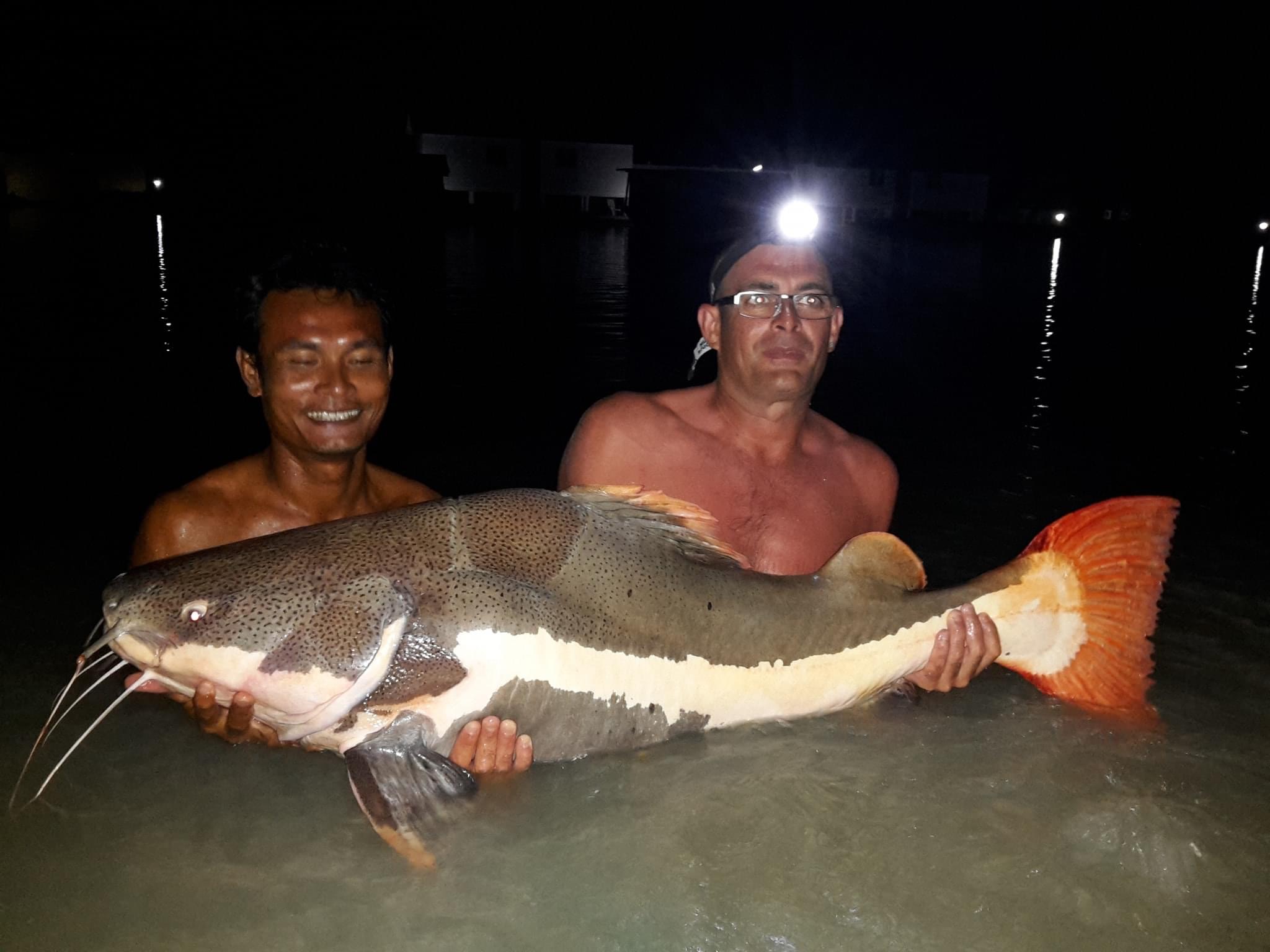
The Redtail Catfish has a broad, flat head and a wide mouth. Its body is mostly dark gray or black. The tail is bright red or orange, which gives the fish its name. The skin feels smooth and slimy. It has long whisker-like barbels around the mouth.
Size And Growth
This catfish grows very fast and becomes large. It can reach up to 4 feet in length. Its weight can exceed 80 pounds in the wild. Growth depends on diet and environment. Young Redtail Catfish grow quickly in good conditions.
Lifespan
Redtail Catfish live for about 15 to 20 years. Proper care extends their lifespan in captivity. A clean tank and balanced diet help keep them healthy. These fish need space to thrive and grow well.

Credit: www.stlouisaquarium.com
Natural Habitat
The natural habitat of the Redtail Catfish shapes its behavior and lifestyle. This fish thrives in specific environments in the wild. Understanding its habitat helps us care for it better in captivity.
Redtail Catfish live in warm, slow-moving rivers. They prefer places with plenty of hiding spots. These conditions protect them from predators and help them hunt.
Geographic Location
Redtail Catfish are native to South America. They mainly inhabit the Amazon, Orinoco, and Essequibo river basins. These rivers cover large parts of Brazil, Colombia, Venezuela, and Guyana. The fish move between deep pools and flooded forests during rainy seasons.
Water Conditions
The water in their habitat is warm, usually between 75°F and 86°F (24°C and 30°C). It is often murky with low light. The water flow is slow to moderate. The pH level ranges from 6.0 to 7.5, which is slightly acidic to neutral. Soft to moderately hard water suits them well. These conditions allow Redtail Catfish to thrive and stay healthy.
Diet In The Wild
Redtail Catfish are carnivores. They eat fish, crustaceans, insects, and small animals. At night, they actively hunt for food along the riverbed. Their strong sense of smell helps them find prey in dark or muddy water. This diet provides the protein needed for their large size and energy.
Tank Setup For Redtail Catfish
Setting up a tank for a Redtail Catfish needs careful planning. This fish grows very large and needs plenty of space. Proper tank conditions help the fish stay healthy and active. Below are key points to consider for a good tank setup.
Tank Size Requirements
Redtail Catfish can grow over 4 feet long. A small tank is not enough. A minimum tank size of 300 gallons is needed for an adult. Bigger tanks allow the fish to swim freely. They also reduce stress and improve health.
Water Parameters
Keep water temperature between 75°F and 82°F. The pH should be slightly acidic to neutral, around 6.5 to 7.5. Maintain moderate water hardness. Regular water changes help keep water clean. Good filtration is essential to remove waste and toxins.
Substrate And Decorations
Use soft sand or fine gravel for the substrate. This protects the fish’s sensitive barbels. Provide hiding spots with driftwood or large rocks. Avoid sharp decorations that can injure the fish. Keep open swimming areas for the catfish to move freely.
Feeding Redtail Catfish
Redtail catfish are large and powerful fish that need proper feeding to stay healthy. Their diet plays a key role in their growth and energy. Feeding them the right food ensures they thrive in your aquarium or pond.
Knowing what to feed and how often is important. Overfeeding can cause health problems and water quality issues. Careful feeding keeps your redtail catfish active and strong.
Diet Options
Redtail catfish eat a variety of foods. They prefer meat-based items like fish, shrimp, and worms. Pellets designed for carnivorous fish also work well.
Offer fresh or frozen foods rather than processed ones. This provides better nutrition. Avoid feeding only one type of food. Mix different options to keep their diet balanced.
Feeding Frequency
Young redtail catfish need feeding twice a day. Adult fish can be fed once a day or every other day. Watch their behavior to adjust feeding times.
Feed small amounts that they can finish quickly. This helps prevent leftover food and keeps the water clean. Consistency in feeding helps fish feel secure.
Avoiding Overfeeding
Overfeeding is a common mistake. It can cause obesity and poor water quality. Only give the amount your fish can eat within a few minutes.
Remove any uneaten food after feeding. This prevents decay and harmful bacteria growth. Healthy feeding habits lead to a happy redtail catfish.
Behavior And Temperament
The Redtail Catfish is a popular freshwater fish known for its striking colors and large size. Understanding its behavior and temperament helps keep it healthy and happy. This fish has unique traits that affect how it lives and interacts with others. Knowing these traits helps create a better aquarium environment.
Activity Levels
Redtail Catfish are mostly active at night. They like to rest during the day in hiding spots. At night, they swim around looking for food. Their movements are slow but steady. They enjoy exploring the bottom of the tank. This fish needs plenty of space to move freely.
Compatibility With Other Fish
Redtail Catfish can live with some big fish. Small fish may be seen as food. They do best with fish of similar size. Avoid keeping them with aggressive species. This catfish is peaceful but can protect its space. Choose tank mates carefully for a calm aquarium.
Handling Aggression
Redtail Catfish are not very aggressive. They show signs of stress by hiding more. If they feel threatened, they may chase others briefly. Giving them enough room reduces aggression. Avoid overcrowding the tank to keep peace. Watch their behavior to prevent problems early.
Health And Disease
Redtail Catfish need good care to stay healthy. Their health depends on clean water, proper food, and a safe tank. Understanding common health problems helps keep these fish strong. Regular checks catch diseases early. Healthy fish live longer and grow better.
Common Illnesses
Redtail Catfish can get fungal infections. These appear as white spots or fuzzy patches. Bacterial infections cause redness or sores on the skin. Parasites may cause scratching or rubbing against objects. Swim bladder disease affects their balance. Early treatment improves recovery chances.
Preventive Care
Keep the tank clean to prevent disease. Change water regularly and test its quality. Feed a balanced diet with protein and vitamins. Avoid overcrowding to reduce stress. Quarantine new fish before adding them to the tank. Healthy habits stop many illnesses.
Signs Of Stress
Stress weakens the immune system. Watch for fast breathing or hiding. Loss of appetite is a warning sign. Color changes or sluggish movement show stress. Stress can lead to illness if not managed. Create a calm and stable environment.
Breeding Redtail Catfish
Breeding Redtail Catfish can be a rewarding experience for aquarium enthusiasts. These fish need specific care and conditions to reproduce successfully. Understanding their natural habits helps create the right environment.
Breeding Conditions
Redtail Catfish require a large tank with clean water. The temperature should stay between 78°F and 82°F. Soft, slightly acidic water mimics their natural habitat. Provide hiding spots and smooth surfaces for egg laying. Regular water changes keep the environment healthy.
Spawning Behavior
During spawning, males become more active and may chase females. They clean flat surfaces to lay eggs. Females can release thousands of eggs at once. The male fertilizes eggs immediately. Both parents guard the eggs until they hatch.
Raising Fry
Once the eggs hatch, fry need gentle care. Feed them small, protein-rich foods several times daily. Keep water clean and oxygen-rich. Separate fry from adult fish to prevent harm. Growth is fast with proper nutrition and care.
Challenges In Keeping Redtail Catfish
Keeping Redtail Catfish can be very rewarding but also tough. These fish grow very large and need special care. Many owners face problems they did not expect. Understanding these challenges helps keep the fish healthy and happy.
Size Management
Redtail Catfish grow quickly and can reach over four feet. Most home tanks are too small for them. A large tank or pond is needed to give them space. Without enough room, the fish may become stressed or sick. Planning for their adult size is crucial before buying one.
Tank Maintenance
These catfish produce a lot of waste. It makes the water dirty fast. Frequent cleaning and strong filtration are necessary. Poor water quality can cause illness or death. Testing water regularly helps keep the environment safe for the fish.
Cost Considerations
Setting up a proper tank for Redtail Catfish is costly. Large tanks, filters, and heaters require money. The food needed is also more than for smaller fish. Veterinary care can add to the expenses. Budgeting carefully is important for long-term care.
Credit: topcats.com
How Smart Pets Lover Can Help You with Redtail Catfish
Learning Through Caring for Your Redtail Catfish
Bringing a Redtail Catfish into your home is more than just setting up a tank—it’s an ongoing learning journey. Understanding their natural habitat helps recreate a comfortable environment, while recognizing their behavior and temperament fosters a deeper connection. For instance, observing their feeding habits can teach patience and attentiveness, essential traits for any pet parent.
- Monitoring tank conditions not only supports their health but also sharpens your skills in aquatic care.
- Being aware of common health challenges encourages proactive and informed responses.
At Smart Pets Lover, we believe every pet parent deserves to feel confident and connected with their aquatic companions. If you ever need more insights or advice, reaching out to local aquatic specialists or visiting reputable forums can be invaluable. Remember, the joy of caring for a Redtail Catfish lies in the shared story you create together—where every wag, purr, and chirp tells a story, even underwater friends have their own tales to share.
Frequently Asked Questions
What Is The Natural Habitat Of Redtail Catfish?
Redtail Catfish are native to South America’s Amazon, Orinoco, and Essequibo river basins. They thrive in slow-moving rivers and floodplain lakes with muddy bottoms.
How Big Do Redtail Catfish Grow?
Redtail Catfish can grow up to 4 to 5 feet in length. They can weigh over 100 pounds, making them one of the largest freshwater catfish species.
What Do Redtail Catfish Eat In Captivity?
In captivity, Redtail Catfish eat a diet of fish, shrimp, and pellets. They are carnivorous and require protein-rich foods for healthy growth.
Are Redtail Catfish Suitable For Home Aquariums?
Redtail Catfish require very large tanks due to their size. They are not ideal for small home aquariums but can be kept by experienced hobbyists with proper space.
Conclusion
Redtail catfish are fascinating and unique fish to keep. They grow large and need plenty of space in tanks. Their bright red tail makes them easy to spot. Feeding them the right food keeps them healthy and active. Caring for these fish requires patience and attention.
Many hobbyists enjoy watching their gentle but curious nature. Choose the right environment to help them thrive. A redtail catfish can add beauty and interest to your aquarium. Consider all needs before bringing one home. A rewarding experience awaits those who care well.