Redeye Tetra
Are you looking to add a splash of vibrant color to your aquarium? The Redeye Tetra might be just what you need.
With its striking red eyes and shimmering body, this small fish can bring life and energy to your tank. But there’s more to the Redeye Tetra than just looks. Understanding its behavior, care needs, and tank compatibility can make all the difference in keeping your fish happy and healthy.
Keep reading, and you’ll discover everything you need to know to create the perfect home for your new aquatic friend.

Credit: en.wikipedia.org
Redeye Tetra Basics
The Redeye Tetra is a small, colorful fish popular in home aquariums. It stands out with its bright red eyes and peaceful nature. This fish is easy to care for, making it a great choice for beginners. Understanding its basics helps provide a better environment for it to thrive.
Below, learn about the Redeye Tetra’s physical traits, natural home, and behavior.
Physical Features
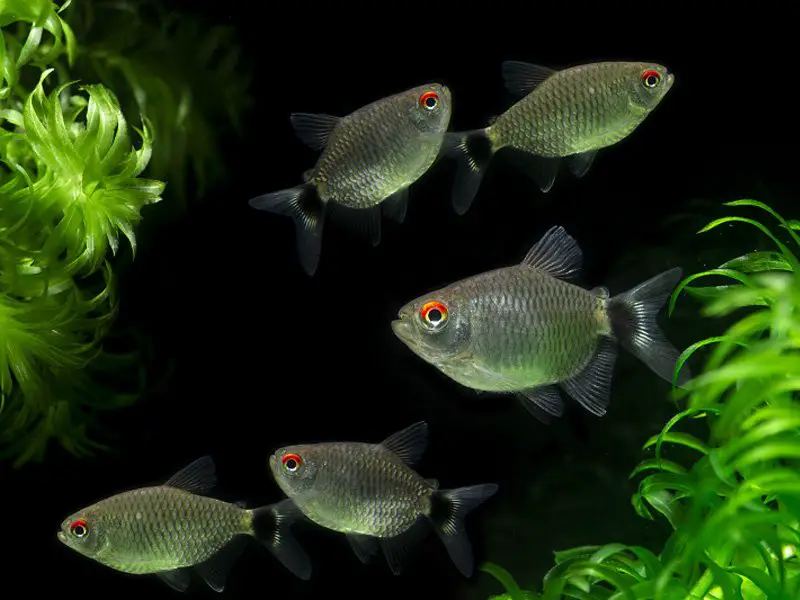
The Redeye Tetra has a silver body with a shiny greenish tint. Its most notable feature is the bright red ring around its eyes. The fish grows up to 2 inches long. Its fins are mostly clear but have a slight red color near the edges. This fish’s small size and vibrant eyes make it attractive in any tank.
Natural Habitat
This fish comes from slow-moving rivers and streams in South America. It prefers places with plants and shaded areas. The water there is soft and slightly acidic. The Redeye Tetra likes warm water temperatures between 72 and 79 degrees Fahrenheit. Mimicking this habitat in an aquarium helps the fish stay healthy.
Behavior Traits
The Redeye Tetra is a peaceful and social fish. It swims in groups, often staying near the middle or upper levels of the tank. This fish is active during the day and enjoys exploring its surroundings. It rarely shows aggression and gets along well with other fish. Keeping several together helps reduce stress and encourages natural behavior.

Credit: aquadiction.world
Tank Setup
Setting up a tank for Redeye Tetra is simple and rewarding. These fish thrive in environments that mimic their natural habitat. A well-prepared tank helps them stay healthy and active. The right tank setup improves their colors and behavior. Below are key points to consider for a great Redeye Tetra home.
Ideal Tank Size
Redeye Tetras need space to swim freely. A minimum tank size of 20 gallons suits a small group. They prefer to live in schools of six or more. A larger tank reduces stress and aggression among fish. Wide tanks offer more swimming room than tall ones. Keep the tank covered to prevent jumping.
Water Parameters
These tetras like soft, slightly acidic water. Aim for a pH between 6.0 and 7.0. The water temperature should stay between 72°F and 79°F. Keep water hardness low to moderate, around 2 to 10 dGH. Regular water changes keep the environment clean. Use a gentle filter to avoid strong currents.
Decor And Plants
Decorate the tank with driftwood and smooth stones. These create hiding spots and natural shadows. Live plants like Java fern and Anubias work well. Plants help reduce stress and provide cover. Avoid sharp decorations that could injure the fish. Leave open swimming areas for active movement.
Feeding Redeye Tetras
Feeding Redeye Tetras is simple and fun. These small fish enjoy a varied diet. A good diet helps them stay healthy and colorful. It also supports their active swimming and social behavior.
Understanding what and how often to feed them is key. The right nutrition keeps Redeye Tetras lively and strong. Let’s explore the best diet options and feeding tips.
Diet Options
Redeye Tetras eat both dry and live foods. High-quality flake food or pellets are good daily choices. They also enjoy frozen or live foods like brine shrimp and bloodworms. Variety in their diet helps provide all needed nutrients. Vegetables like blanched spinach can be offered sometimes. Avoid overfeeding with fatty or low-quality foods.
Feeding Frequency
Feed Redeye Tetras small amounts two times a day. Offer only what they can eat in 2-3 minutes. Overfeeding can cause water pollution and health problems. Young fish may need more frequent feedings. Adults do well with two balanced meals each day.
Nutrition Tips
Ensure a balanced diet with proteins, fats, and fibers. Use high-quality foods to support their immune system. Rotate different food types to prevent boredom. Remove uneaten food to keep the tank clean. Fresh, nutritious food helps Redeye Tetras show their best colors.
Credit: www.fishkeepingworld.com
Health And Care
Redeye Tetras are lively fish that need proper care to stay healthy. Their health depends on clean water, good food, and a calm environment. Watching them closely helps catch problems early. Simple care steps keep your fish active and bright.
Common Diseases
Redeye Tetras can get common fish diseases. Ich causes white spots on their body and fins. Fin rot makes fins look torn or faded. Swim bladder issues cause trouble swimming. Early treatment stops sickness from spreading.
Preventive Measures
Keep tank water clean with regular changes. Test water for pH, ammonia, and nitrite levels. Feed a balanced diet with flakes and live food. Avoid overcrowding to reduce stress and disease. Quarantine new fish before adding to the tank.
Stress Signs
Stress makes Redeye Tetras hide or lose color. They may swim erratically or gasp at the surface. Loss of appetite also signals stress. Spotting these signs early helps protect their health. Calm water and gentle handling reduce stress.
Breeding Redeye Tetras
Breeding Redeye Tetras can be a rewarding experience for aquarium enthusiasts. These small, colorful fish have unique breeding habits that make the process interesting. Understanding their needs helps ensure successful spawning and healthy fry.
Breeding Conditions
Redeye Tetras prefer soft, slightly acidic water for breeding. Keep the temperature between 75 and 80°F (24-27°C). Low lighting and plenty of plants create a safe environment. Use a separate breeding tank to protect eggs and fry. Clean water and gentle filtration are important.
Spawning Process
The male courts the female by showing his colors. The female scatters eggs over plants or spawning mops. Males fertilize the eggs right after. Remove the adult fish after spawning to prevent egg eating. Eggs hatch in about 24 to 36 hours.
Raising Fry
Fry are tiny and need special care. Feed them infusoria or liquid fry food at first. After a few days, offer baby brine shrimp or finely crushed flakes. Change water regularly but carefully. Keep the tank clean and avoid strong currents. Fry grow quickly under proper care.
Tank Mates
Choosing the right tank mates for Redeye Tetra is key to a peaceful aquarium. These small, active fish thrive best with companions that share similar temperaments and water needs. Careful selection helps avoid stress and fights, making your tank a happy place.
Compatible Species
Redeye Tetras do well with other small, peaceful fish. Good choices include Corydoras catfish, Neon Tetras, and small Rasboras. Avoid large or aggressive fish that may bully or eat them. Keep the water conditions stable for all species.
Aggression Management
Redeye Tetras are generally calm but can get stressed if overcrowded. Provide plenty of hiding spots using plants and decorations. Keep a proper group size to reduce aggression. Watch for any signs of bullying and separate fish if needed.
Schooling Benefits
Redeye Tetras feel safest in groups of six or more. Schooling helps reduce stress and makes their colors shine. Their lively movement adds energy to the tank. A well-sized school keeps them active and healthy every day.
How Smart Pets Lover Can Help You with Redeye Tetra
Learning Through Caring for Your Redeye Tetra
Getting to know the Redeye Tetra offers more than just an enjoyable aquarium addition—it’s a hands-on way to deepen your understanding of fish behavior and aquatic ecosystems. When setting up the tank, paying attention to water parameters and compatible tank mates not only creates a harmonious environment but also teaches valuable lessons in balance and responsibility. Feeding routines and observing their health responses provide practical insights into nutrition and early signs of illness, reinforcing attentive pet care.
At Smart Pets Lover, we believe every pet journey is a story waiting to unfold. Embracing these learning moments with your Redeye Tetra encourages a rewarding connection that goes beyond observation, nurturing empathy and confidence in your role as a pet parent. If you ever want to explore more tips or share experiences, reaching out to knowledgeable communities or experts can make the adventure even richer.
Remember, each ripple in your aquarium reflects your care—where every wag, purr, and chirp tells a story worth cherishing.
Frequently Asked Questions
What Is A Redeye Tetra Fish?
The Redeye Tetra is a small freshwater fish known for its bright red eyes. It is popular in home aquariums due to its peaceful nature and striking appearance.
How Big Do Redeye Tetras Grow?
Redeye Tetras typically grow to about 2 inches (5 cm) in length. They remain small, making them ideal for community aquariums.
What Tank Size Is Best For Redeye Tetras?
A minimum tank size of 20 gallons is recommended for a small school of Redeye Tetras. They thrive in groups and need swimming space.
What Water Conditions Do Redeye Tetras Prefer?
Redeye Tetras prefer slightly acidic to neutral water with a pH of 6. 0 to 7. 5. Temperature should be between 72°F and 79°F (22°C–26°C).
Conclusion
Redeye Tetras bring bright colors and lively movement to any aquarium. They are easy to care for and peaceful with other fish. Keeping their tank clean and stable helps them stay healthy. Their small size fits well in many tank setups.
Watching a group of Redeye Tetras swim together is quite calming. They add beauty and life without much effort. A perfect choice for new and experienced fish keepers alike. Consider adding these charming fish to your home aquarium.