Red Zebra Cichlid
If you’re looking to add a splash of vibrant color and lively personality to your aquarium, the Red Zebra Cichlid might be exactly what you need. Known for its striking red hues and energetic behavior, this fish can transform your tank into a captivating underwater scene.
But before you bring one home, there are key things you should know to keep your Red Zebra happy and healthy. Keep reading to discover everything you need to care for this stunning fish and make your aquarium truly stand out.
Species Profile
The Red Zebra Cichlid is a vibrant fish popular in home aquariums. It has a striking red color that stands out. This fish has a lively personality and is active in the tank.
Understanding its species profile helps in caring for it properly. Learn about its scientific classification, physical traits, and natural habitat below.
Scientific Classification
The Red Zebra Cichlid belongs to the family Cichlidae. Its scientific name is Maylandia estherae. It is part of the order Cichliformes. This fish comes from the African Great Lakes region.
Physical Characteristics
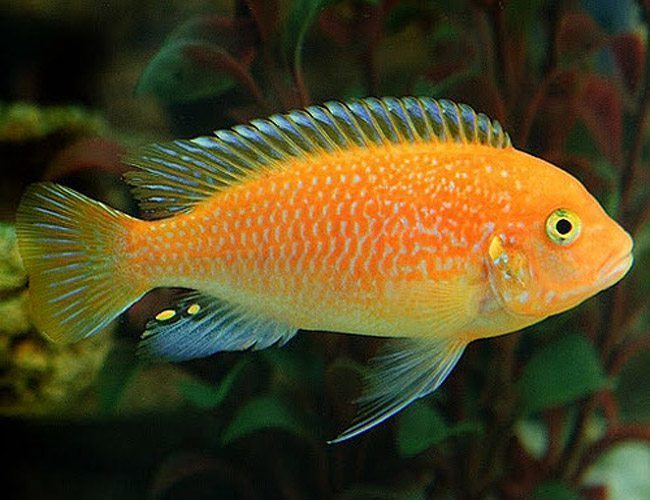
This cichlid shows a bright red or orange color. Males are usually more vibrant than females. They have a slender body and sharp fins. Adults can grow up to 4 inches long. Their eyes are large and round, adding to their alert look.
Natural Habitat
The Red Zebra Cichlid lives in Lake Malawi in Africa. It prefers rocky areas with plenty of hiding spots. The water is warm and slightly alkaline there. This environment helps the fish stay healthy and active.

Credit: www.amazon.com
Tank Setup
Setting up the right tank for your Red Zebra Cichlid helps keep it healthy and happy. These fish need space, clean water, and places to hide. Proper tank setup reduces stress and shows their bright colors well.
Follow these simple guidelines to create a perfect home for your Red Zebra Cichlid. Each part of the setup plays a role in their well-being and behavior.
Ideal Tank Size
Red Zebra Cichlids need room to swim freely. A tank of at least 30 gallons suits one fish. For a group, use 55 gallons or larger. More space lowers aggression and keeps water stable.
Water Conditions
Keep water temperature between 74°F and 82°F. pH should be slightly alkaline, around 7.8 to 8.6. Regular water changes help maintain cleanliness. Use a good filter to keep water clear and oxygen-rich.
Substrate And Decorations
Sand or fine gravel works best for substrate. Red Zebra Cichlids like to dig and sift through it. Add rocks and caves for hiding spots. These decorations create territories and reduce fighting.
Diet And Feeding
The Red Zebra Cichlid has specific dietary needs to stay healthy and vibrant. Feeding them the right food supports their bright colors and active behavior. It is important to understand what they eat and how often to feed them. This section covers their diet and feeding habits in detail.
Recommended Foods
Red Zebra Cichlids thrive on a diet rich in protein. High-quality cichlid pellets form the main part of their diet. These pellets contain essential nutrients for growth and color. They also enjoy live or frozen foods like brine shrimp and bloodworms. Vegetables such as spinach and peas provide important fiber. Avoid feeding them only one type of food to prevent deficiencies.
Feeding Schedule
Feed Red Zebra Cichlids twice a day. Give small amounts that they can eat within three minutes. Overfeeding causes water pollution and health problems. Young fish need more frequent feeding than adults. Stick to a regular schedule to maintain their digestion and energy levels. Remove any uneaten food after feeding time.
Supplements And Treats
Occasional supplements boost the fish’s immune system. Use vitamins designed for aquarium fish once or twice a week. Treats like frozen bloodworms can excite their appetite. Avoid feeding too many treats to keep their diet balanced. Healthy supplements help Red Zebra Cichlids stay strong and colorful.
Behavior And Temperament
The Red Zebra Cichlid is known for its lively and distinct behavior. Understanding its temperament helps keep this fish happy and healthy. This species shows unique social habits and interacts differently with other tank mates. Its actions can vary based on environment and tank conditions.
Social Behavior
Red Zebra Cichlids are active and curious fish. They enjoy exploring their surroundings and often swim in open areas. These fish like to establish territories, especially males. They communicate with body movements and colors. Watching them can be quite entertaining due to their lively nature.
Aggression Levels
These cichlids can be aggressive, especially during breeding. Males are more territorial and may chase others away. Aggression helps them protect their space and young. It is important to provide hiding spots to reduce fights. Proper tank size also lowers aggressive behavior.
Compatibility With Other Fish
Red Zebra Cichlids can live with similar-sized fish. Avoid housing them with very small or very passive species. Choose tank mates that handle occasional aggression. Other African cichlids often work well as companions. Always monitor fish interactions to keep peace.
Breeding Tips
Breeding Red Zebra Cichlids can be a rewarding experience. They are colorful fish with interesting behaviors. Knowing the right steps helps increase success. Proper care during breeding ensures healthy offspring.
These tips cover the best conditions, spawning, and raising the fry. Follow these guidelines to support your fish during this important time.
Breeding Conditions
Keep the water temperature between 78 and 82°F (25-28°C). Use clean, well-filtered water for the tank. Maintain a pH level around 7.8 to 8.6 for best results. Provide plenty of hiding spots using rocks or caves. A tank size of at least 30 gallons is ideal. Feed your fish high-quality foods to boost health.
Spawning Process
Red Zebra Cichlids form strong pairs before spawning. The female lays eggs on flat surfaces like rocks. The male fertilizes the eggs after they are laid. Both parents guard the eggs carefully. The eggs hatch within 3 to 5 days. Watch for any signs of aggression between the pair.
Raising Fry
Once the fry hatch, parents protect them closely. Feed the fry tiny foods like crushed flakes or baby brine shrimp. Change water regularly to keep it clean and safe. Avoid overfeeding to prevent water pollution. Separate fry from adults if aggression occurs. Growing fry need gentle care to thrive.
Common Health Issues
The Red Zebra Cichlid is a vibrant and popular fish among aquarium lovers. Like all fish, it can face health challenges. Knowing common health issues helps keep your fish happy and strong.
These cichlids may suffer from stress, infections, or parasites. Early detection is key to avoid serious problems. Understanding the signs of illness, preventive care, and treatment options is essential for every owner.
Signs Of Illness
Watch for changes in behavior or appearance. A Red Zebra Cichlid that hides a lot may feel unwell. Loss of appetite is another warning sign. Look for spots, redness, or swelling on the body. Rapid breathing or clamped fins also indicate stress or sickness.
Preventive Care
Keep the tank clean and maintain water quality. Regular water changes lower harmful bacteria and toxins. Feed a balanced diet to boost the fish’s immune system. Avoid overcrowding to reduce stress and fighting. Quarantine new fish before adding them to the tank.
Treatment Options
Identify the problem quickly for effective treatment. Use medicated food or water treatments for infections. Parasites may need special medicines from a pet store. Isolate sick fish to prevent spreading disease. Consult a vet for severe or unclear symptoms.
Maintenance And Care
Taking good care of your Red Zebra Cichlid is essential for its health and happiness. These fish need a clean and stable environment to thrive. Regular attention to their tank and water quality keeps them active and colorful.
Maintenance is not hard but must be done often. Small steps help avoid big problems. Watch your fish closely to catch health issues early.
Regular Tank Cleaning
Clean the tank weekly to remove waste and leftover food. Use a gravel vacuum to clean the bottom. Change 20-30% of the water during cleaning. Avoid using soap or chemicals that can harm fish. Clean the filter monthly but keep some filter media to keep good bacteria.
Water Quality Management
Test water regularly for pH, ammonia, nitrite, and nitrate levels. Red Zebra Cichlids like a pH between 7.8 and 8.6. Keep water temperature steady between 76°F and 82°F. Use a good heater and thermometer. Use a water conditioner to remove chlorine and chloramines from tap water.
Monitoring Fish Health
Watch your fish daily for signs of stress or illness. Look for changes in color, behavior, or appetite. Healthy Red Zebra Cichlids are active and eat well. Isolate any fish that look sick. Keep the tank environment clean and stable to prevent diseases.
Credit: azgardens.com

Credit: en.wikipedia.org
How Smart Pets Lover Can Help You with Red Zebra Cichlid
Learning Through Caring for Your Red Zebra Cichlid
Welcoming a Red Zebra Cichlid into your home is not just about enjoying its vibrant colors—it’s a wonderful chance to deepen your understanding of fish behavior and aquarium care. Observing their unique temperament and social interactions offers practical insights into managing tank dynamics, especially when considering their natural territorial behavior. This helps you appreciate the importance of a well-thought-out tank setup that balances space and hiding spots.
Feeding routines also provide a hands-on way to learn about nutritional needs and the role diet plays in keeping these cichlids healthy and active. By paying attention to their response to varied foods, you sharpen your ability to recognize signs of well-being or stress—critical skills for any pet parent.
- Monitor water quality regularly to prevent common health issues.
- Document behavioral changes to better understand your fish’s mood and needs.
- Engage with communities like Smart Pets Lover for shared experiences and tips.
Remember, caring for your Red Zebra Cichlid is a rewarding journey that connects you emotionally to your aquatic companion. For any questions or support, reaching out to knowledgeable resources ensures you feel confident and informed every step of the way.
Frequently Asked Questions
What Is The Average Size Of A Red Zebra Cichlid?
Red Zebra Cichlids typically grow up to 4-6 inches in length. They are medium-sized fish suitable for community tanks. Proper tank size ensures healthy growth and vibrant colors.
How To Care For Red Zebra Cichlids At Home?
Maintain water temperature between 76-82°F and pH around 7. 8-8. 6. Provide a spacious tank with hiding spots and a balanced diet of pellets and live food.
Are Red Zebra Cichlids Aggressive Towards Other Fish?
Yes, they can be territorial and moderately aggressive. Avoid housing them with smaller or very passive fish to prevent stress and injury.
What Is The Ideal Diet For Red Zebra Cichlids?
Feed a mix of high-quality cichlid pellets, flakes, and occasional live or frozen foods. Avoid overfeeding to maintain water quality and fish health.
Conclusion
Red Zebra Cichlids bring vibrant colors to any aquarium. They are lively, easy to care for, and fun to watch. Keep their tank clean and provide enough space for swimming. Feeding them a varied diet helps them stay healthy. These fish add energy and beauty to your home.
Enjoy the bright stripes and active nature of Red Zebra Cichlids every day. They make a great choice for both new and experienced fish keepers.