Red Rainbow Fish
Have you ever seen a fish that looks like a splash of bright colors swimming through the water? The Red Rainbow Fish is exactly that—a dazzling creature that can capture your attention the moment you spot it.
If you’re curious about what makes this fish so special, how to care for it, or why it’s becoming a favorite among aquarium lovers, you’re in the right place. Keep reading, because by the end of this article, you’ll know everything you need to bring a bit of vibrant life into your own home with the Red Rainbow Fish.
Red Rainbow Fish Traits
The Red Rainbow Fish is a stunning species known for its bright colors and unique traits. This fish stands out in any aquarium. Its traits make it a favorite for fish keepers and nature lovers alike.
Understanding the Red Rainbow Fish traits helps in caring for them better. These traits include physical features, color patterns, size, and shape. Each aspect contributes to the fish’s charm and appeal.
Physical Features
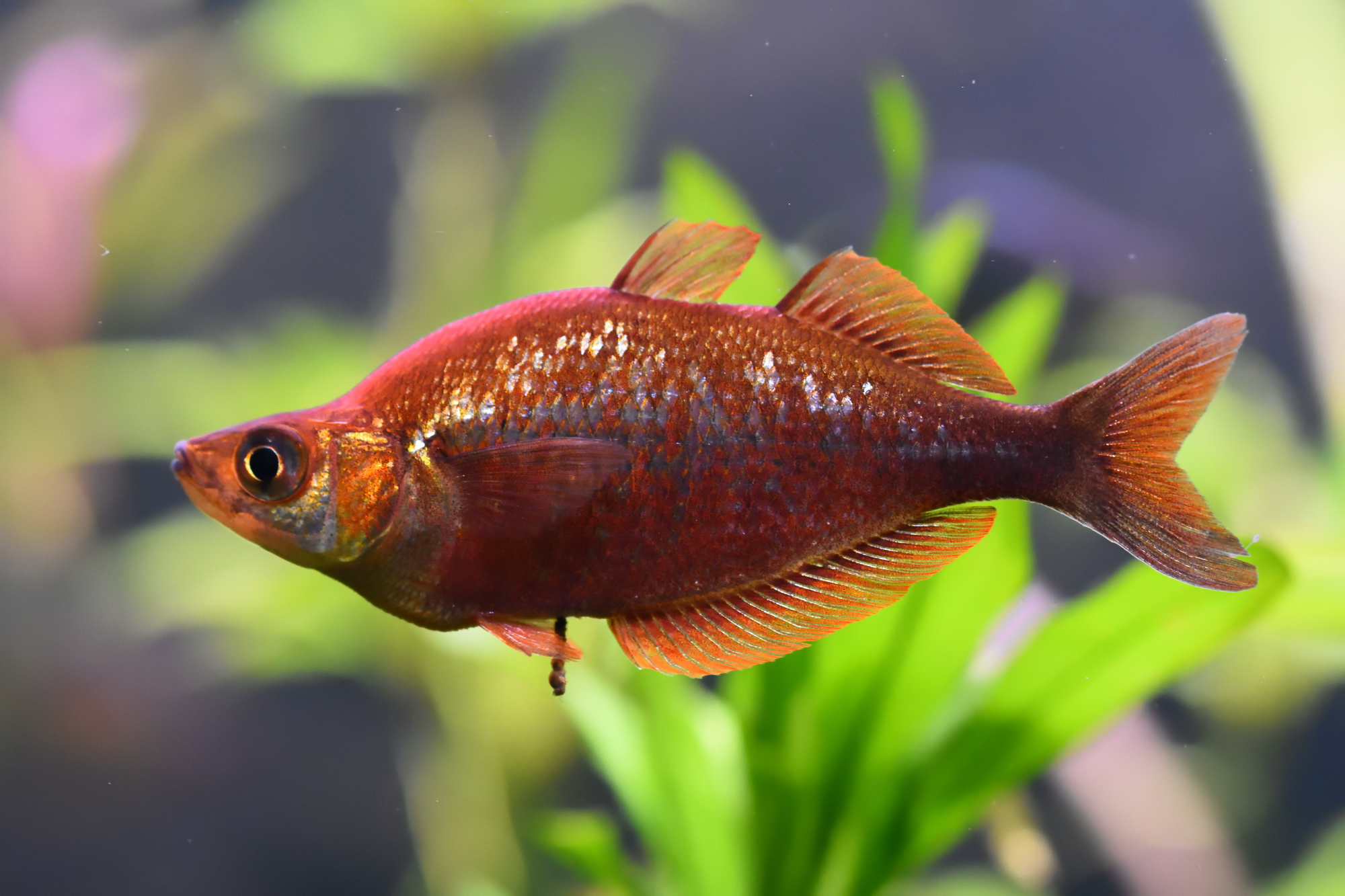
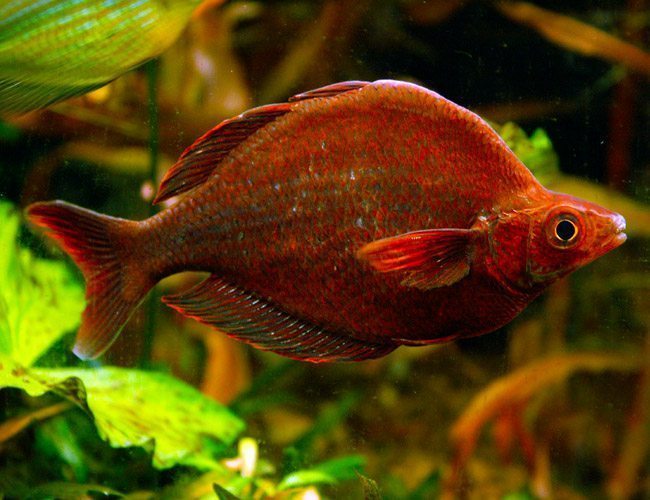
The Red Rainbow Fish has a sleek, streamlined body. Its fins are delicate but strong, aiding smooth swimming. The fish has large eyes that help it spot food quickly. Its scales are smooth and reflect light beautifully.
Color Variations
Bright red is the most common color. Some show shades of orange or pink mixed with red. The colors can change slightly with mood or water quality. These vibrant hues make the fish attractive and lively.
Size And Shape
This fish grows up to 3 inches long. Its body is elongated with a gentle curve. The shape allows it to swim fast and easily in water. Compact size fits well in home aquariums of all sizes.
Natural Habitat
The Red Rainbow Fish thrives in specific natural habitats that suit its needs perfectly. Its environment provides shelter, food, and the right water conditions. Understanding these factors helps in caring for this beautiful fish.
Geographic Range
The Red Rainbow Fish lives mainly in Australia and New Guinea. It prefers freshwater rivers and streams. These areas offer the right climate and food sources. Small populations can also be found in nearby islands.
Preferred Environment
This fish enjoys slow-moving waters with many plants. Plants give hiding spots and breeding places. The water is often clear and shallow. Rocky areas add shelter and protect from predators.
Water Conditions
The Red Rainbow Fish prefers warm water between 72°F and 82°F. The water should be slightly acidic to neutral, with a pH of 6.5 to 7.5. Clean water with low hardness helps the fish stay healthy.
Behavior And Diet
The Red Rainbow Fish shows interesting behavior and has a unique diet. Understanding these traits helps in caring for this vibrant fish. It thrives in well-maintained aquariums and interacts actively with its environment.
Its eating habits and social behavior make it popular among fish keepers. Breeding patterns reveal how this fish reproduces and grows. Each aspect plays a key role in its health and happiness.
Feeding Habits
The Red Rainbow Fish eats small insects and plants. It prefers flakes, pellets, and live food. Feeding twice a day suits its needs. Overfeeding can cause health problems. Clean water helps it digest food properly.
Social Behavior
This fish is peaceful and enjoys company. It swims in groups, which reduces stress. Aggression is rare among them. Hiding spots in the tank provide comfort. They react to light and movement quickly.
Breeding Patterns
Breeding occurs in warm water, around 78°F. Males display bright colors to attract females. Females lay eggs on plants or rocks. Parents do not care for eggs after laying. Fry hatch in about a week and need small food.
Credit: www.fishi-pedia.com
Care In Aquariums
Red Rainbow Fish need special care to thrive in home aquariums. Their bright colors and peaceful nature make them popular. Proper care helps them stay healthy and active. Understanding their needs is key to a happy fish.
Tank Setup
Choose a tank at least 30 gallons. Red Rainbow Fish need space to swim freely. Use a tight-fitting lid to prevent jumping. Add plants and smooth decorations for hiding spots. Soft gravel or sand works best for the tank floor.
Water Quality
Keep water clean and well-filtered. Maintain temperature between 72°F and 78°F. Test water regularly for pH around 6.5 to 7.5. Change 20% of water weekly to remove waste. Stable water conditions reduce stress and illness.
Feeding Tips
Feed Red Rainbow Fish a mix of flakes and pellets. Include live or frozen foods like brine shrimp. Feed small amounts two times daily. Avoid overfeeding to prevent water pollution. A balanced diet supports their vibrant color and energy.
Tank Mates
Choose peaceful fish as tank mates. Avoid aggressive or very small fish. Good companions include tetras, barbs, and danios. Keep Red Rainbow Fish in groups of five or more. This reduces stress and encourages natural behavior.
Common Health Issues
Red Rainbow Fish are hardy but can face health problems like other fish. Knowing common health issues helps keep them safe and active. Watch your fish daily for any changes in behavior or appearance.
Disease Signs
Look for spots or patches on the fish’s body. Fast breathing or gasping at the water surface is a warning. Fish that hide or swim less may be sick. Fin damage or clamped fins show stress or illness. White fuzz or film on the skin can mean fungus.
Prevention Methods
Keep the aquarium clean and change water regularly. Use a good filter to remove harmful waste. Avoid overfeeding to prevent water pollution. Quarantine new fish before adding them to the tank. Maintain stable water temperature and quality. Feed a balanced diet for strong immunity.
Treatment Options
Use medicated fish food or water treatments for infections. Isolate sick fish to stop disease spread. Change water often during treatment to keep it clean. Follow instructions on medicines carefully. Consult a vet or expert for serious cases. Act quickly to save your Red Rainbow Fish.
Credit: azgardens.com
Breeding Red Rainbow Fish
Breeding Red Rainbow Fish can be rewarding and fun. These fish show bright colors and active behavior during spawning. Understanding their needs helps increase success in breeding.
Red Rainbow Fish breed best in a calm and clean environment. Providing the right conditions encourages natural spawning and healthy eggs.
Spawning Conditions
Keep the water temperature between 75°F and 82°F for spawning. Use soft, slightly acidic water with a pH around 6.5 to 7.0. Provide plenty of plants or spawning mops for egg attachment. Avoid strong water currents to prevent eggs from washing away. Feed the fish well with live or frozen food to boost their health.
Egg Care
After spawning, remove the adult fish to protect the eggs. Keep the eggs in a separate tank with gentle aeration. Maintain stable water temperature and clean water to prevent fungus. Use antifungal treatments if needed, but carefully follow instructions. Eggs usually hatch in 10 to 14 days.
Raising Fry
Feed the fry with infusoria or liquid fry food at first. After a few days, add newly hatched brine shrimp or finely crushed flakes. Change water regularly to keep it clean and oxygen-rich. Keep lighting low to reduce stress on the young fish. Watch the fry grow strong and colorful with proper care.
Popular Varieties
The Red Rainbow Fish is loved by many fish hobbyists. Its bright colors and easy care make it popular. Many varieties exist, each with unique traits. These types often come from breeding and natural changes. Understanding these varieties helps you pick the best fish for your tank.
Varieties differ in color, shape, and size. Some are made by careful breeding. Others appear through natural color changes or mixing breeds. Each type adds beauty and interest to home aquariums.
Selective Breeds
Selective breeding focuses on improving specific features. Breeders choose fish with strong red hues and good health. Over time, this creates fish with brighter colors and better shapes. These breeds tend to be more vibrant and striking. They also show consistent traits, making them reliable pets.
Color Morphs
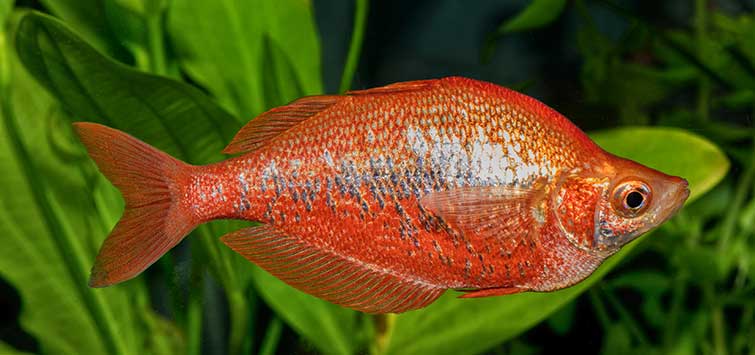
Color morphs are natural changes in fish color. These variations happen due to genetics and environment. Some Red Rainbow Fish show lighter or darker reds. Others have patches of white or orange. These color changes make each fish look unique. Morphs add variety without changing the fish’s core traits.
Hybrid Types
Hybrid types come from crossing different fish species. This mix can create new colors and patterns. Hybrids may have unusual shapes or sizes. They often combine features from both parents. Many hobbyists enjoy hybrids for their distinct looks and behaviors.
Credit: www.tfhmagazine.com
How Smart Pets Lover Can Help You with Red Rainbow Fish
Learning Through Caring for Your Red Rainbow Fish
Bringing a Red Rainbow Fish into your home offers more than just a splash of vibrant color; it opens up a world of practical learning about aquatic life. Understanding their natural habitat and behavior can deepen your appreciation for the delicate balance these fish maintain in the wild, encouraging responsible aquarium care. For example, knowing their diet and common health issues helps you create a thriving environment that reflects their natural needs.
At Smart Pets Lover, we believe every pet parent benefits from hands-on experience combined with reliable information. Observing your fish’s breeding behaviors or recognizing signs of stress not only sharpens your skills but also builds a genuine connection with your aquatic companion. If you ever need expert advice or product insights to support your journey, resources like our community forum and care guides can be invaluable.
Remember, caring for Red Rainbow Fish isn’t just about maintenance—it’s a chance to learn, grow, and celebrate the story each pet brings into your life.
Frequently Asked Questions
What Is A Red Rainbow Fish?
The Red Rainbow Fish is a vibrant freshwater fish known for its bright red and iridescent scales. It is popular in home aquariums due to its striking colors and peaceful nature.
Where Does The Red Rainbow Fish Live Naturally?
Red Rainbow Fish is native to freshwater rivers and streams in Papua New Guinea and northern Australia. It prefers clear, slow-moving waters with dense vegetation.
How To Care For A Red Rainbow Fish?
Provide a spacious tank with clean, well-filtered water and a temperature between 72-78°F. Feed a varied diet of flakes, pellets, and live foods to keep it healthy.
What Do Red Rainbow Fish Eat?
They are omnivores, eating small insects, crustaceans, algae, and commercial fish food. A balanced diet ensures vibrant colors and good health in captivity.
Conclusion
Red Rainbow Fish adds bright color to any aquarium. Its unique look draws attention and brings life to water. Caring for this fish is simple and fun. It thrives in clean water and a balanced diet. Many hobbyists enjoy watching its graceful movements.
This fish fits well with peaceful tank mates. Its vibrant colors can brighten your day. Choose Red Rainbow Fish for a lively aquatic display. It makes any fish tank more beautiful and inviting. Give it proper care, and it will thrive happily.