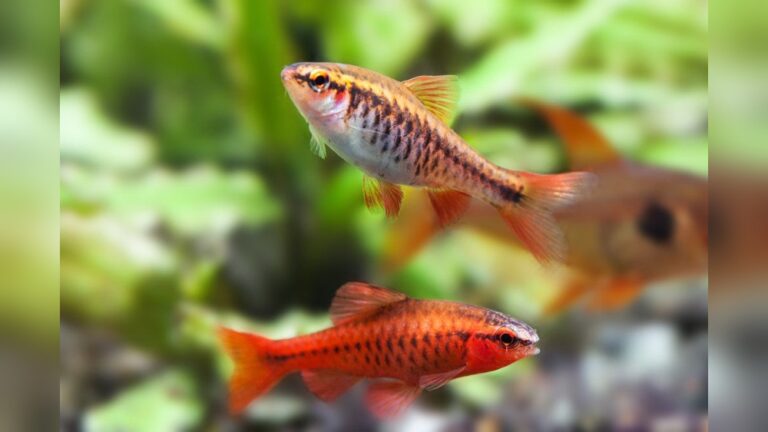
Red Phantom Tetra
Are you looking to add a splash of vibrant color and lively movement to your aquarium? The Red Phantom Tetra might be just what your underwater world needs.
This small but striking fish stands out with its deep red hues and graceful swimming style. Whether you’re a beginner or an experienced fish keeper, understanding the Red Phantom Tetra can help you create a more beautiful and balanced tank.
Keep reading to discover why this fish could be the perfect new addition to your aquatic family.
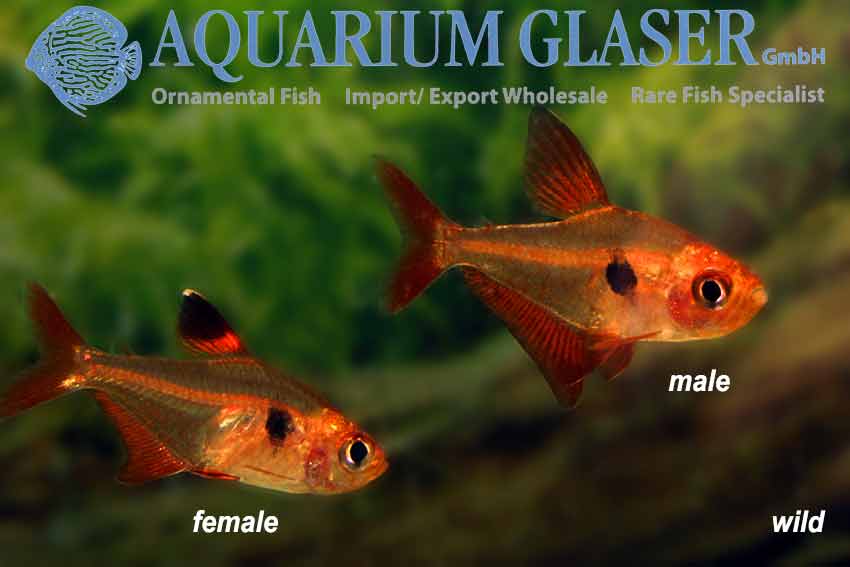
Credit: www.aquariumglaser.de
Appearance And Colors
The Red Phantom Tetra is a striking fish with vivid colors and unique features. Its appearance makes it a favorite for many aquarium enthusiasts. The combination of its bright hues and sleek body draws attention easily.
Distinctive Red Markings
Bright red patches cover the Red Phantom Tetra’s body. These markings stand out against its dark, almost black fins. The red color glows more under good lighting. Each fish may have slight variations in red shade. The intensity of red can signal health and mood.
Body Shape And Size
This tetra has a slender, streamlined body. It measures about 1.5 to 2 inches long. Its shape helps it swim quickly and smoothly. The body is slightly compressed from the sides. This form adds to its graceful movements in water.
Natural Habitat
Red Phantom Tetras live in slow-moving waters of South America. They prefer shaded areas with plants and roots. These calm environments help them feel safe and thrive.
The Red Phantom Tetra thrives in quiet, freshwaters. It lives in places with dense plants and slow water. These environments protect the fish from predators.
Understanding its natural habitat helps keep this fish healthy in aquariums. It also shows how the fish adapts to its surroundings.
Geographic Distribution
This fish is native to South America. It mainly lives in the Paraguay River basin. Countries like Brazil and Paraguay have many of these fish.
They prefer small streams and tributaries. These waters often have plenty of plants and shade. This gives the Red Phantom Tetra a safe place to hide.
Water Conditions
The Red Phantom Tetra prefers soft, slightly acidic water. The ideal pH is between 6.0 and 7.0. Water temperature should stay around 72 to 79°F (22 to 26°C).
These fish do best in clear water with low current. Light levels are usually low to moderate in their habitat. This helps them stay calm and stress-free.
Tank Setup
Setting up the right tank for Red Phantom Tetra is key to keeping them happy and healthy. A good tank setup mimics their natural home and offers space to swim freely. Proper care starts with the tank environment.
Each element of the tank impacts the fish’s behavior and health. Choosing the right size, plants, and water conditions helps these colorful fish thrive.
Ideal Tank Size
Red Phantom Tetras need at least a 20-gallon tank. They are small but active swimmers. A larger tank offers more space for swimming and reduces stress. Keep them in groups of six or more for social comfort.
Plant And Decoration Choices
Use live plants like Java Fern and Anubias. These plants create hiding spots and reduce stress. Add smooth rocks and driftwood to mimic their natural habitat. Avoid sharp decorations that can injure the fish.
Water Parameters
Maintain water temperature between 72°F and 79°F (22°C – 26°C). Keep the pH level slightly acidic to neutral, around 6.0 to 7.0. Regular water changes and a good filter keep water clean and safe.

Credit: aquadiction.world
Diet And Feeding
The Red Phantom Tetra is a peaceful fish with a simple diet. Feeding them well helps keep their colors bright and their health strong. Knowing what foods suit them best is important for any aquarium owner.
Preferred Foods
Red Phantom Tetras enjoy a mix of foods. They eat small flakes made for tropical fish. Live foods like brine shrimp and daphnia excite them. Frozen foods can also be offered for variety. Plant-based flakes or pellets add fiber to their diet. Balanced meals keep them active and healthy.
Feeding Frequency
Feed your Red Phantom Tetras twice a day. Give only as much food as they eat in two minutes. Overfeeding can pollute the tank water quickly. Young tetras might need smaller, more frequent meals. Keep a regular schedule to support their growth and energy.
Behavior And Temperament
The Red Phantom Tetra shows interesting behavior and a calm temperament. It is a peaceful fish that likes to swim in groups. Understanding its behavior helps in creating a healthy aquarium environment.
Social Traits
Red Phantom Tetras are social fish. They feel safe and comfortable in small schools. Groups of six or more reduce stress and encourage natural behavior. These tetras swim actively and often explore the tank together. They communicate through subtle movements and colors. Their peaceful nature makes them a joy to watch.
Compatibility With Other Fish
These tetras get along well with many other species. They prefer other small, non-aggressive fish. Avoid placing them with large or aggressive tank mates. Red Phantom Tetras thrive in community tanks with similar-sized fish. Their calm temperament helps maintain a peaceful tank environment. They rarely compete for food or territory.
Breeding Tips
Breeding Red Phantom Tetras can be rewarding and fun. These fish are peaceful and easy to care for during breeding. They need calm water and the right environment to lay eggs successfully. Understanding their needs helps create the best conditions for spawning and raising healthy fry.
Spawning Conditions
Red Phantom Tetras prefer soft, slightly acidic water for spawning. Keep the temperature between 75°F and 79°F. Use a separate breeding tank to protect eggs from other fish. Add fine-leaved plants or spawning mops for egg attachment. Dim lighting helps reduce stress and encourages spawning. Water changes before breeding improve water quality.
Raising Fry
Once eggs hatch, remove adults to avoid egg eating. Feed fry with infusoria or liquid fry food at first. Gradually introduce baby brine shrimp or crushed flakes as they grow. Keep water clean with gentle filtration and regular small water changes. Maintain stable temperature and soft water to support growth. Fry grow fast and need good nutrition to thrive.
Common Health Issues
Red Phantom Tetras are generally hardy fish. Still, they can face some common health problems. Knowing these issues helps keep your fish happy and healthy.
Many health problems arise from poor water quality or stress. Stress weakens their immune system. This makes them vulnerable to diseases. Early detection is important to treat fish quickly.
Signs Of Illness
Watch for changes in behavior or appearance. Sick Red Phantom Tetras may stop eating. They might swim slowly or hide more than usual. Look for faded colors or spots on the body. Clamped fins and labored breathing are also warning signs. Spotting these early can save your fish.
Preventive Measures
Maintain clean water by doing regular water changes. Keep the tank stable with proper temperature and pH. Avoid overcrowding to reduce stress. Feed a balanced diet with high-quality food. Quarantine new fish before adding them to the main tank. Healthy habits prevent most common diseases.
Popular Tank Mates
The Red Phantom Tetra is a peaceful fish that thrives in community tanks. Choosing the right tank mates helps keep your aquarium balanced and stress-free. This species prefers calm companions that share similar water needs and temperaments. Aggressive or large fish can cause problems and stress the tetras. Understanding which species are compatible or not will help maintain a healthy tank environment.
Compatible Species
Red Phantom Tetras do well with other small, peaceful fish. Species like Neon Tetras, Corydoras Catfish, and Harlequin Rasboras make great companions. These fish enjoy similar water conditions and swim at comparable levels. Livebearers like Guppies and Platies also get along well. Avoid overly active or aggressive fish that might outcompete them for food. Keeping them in groups of six or more also reduces stress and shows their natural behavior.
Species To Avoid
Avoid large or aggressive fish like Cichlids and Angelfish. These species can bully or eat Red Phantom Tetras. Fin nippers such as Tiger Barbs should also be kept away. Avoid slow-moving fish with long fins that tetras might nip at. Large bottom dwellers like Plecos may disturb the tank’s peace. Stick to peaceful fish to keep your Red Phantom Tetras calm and healthy.
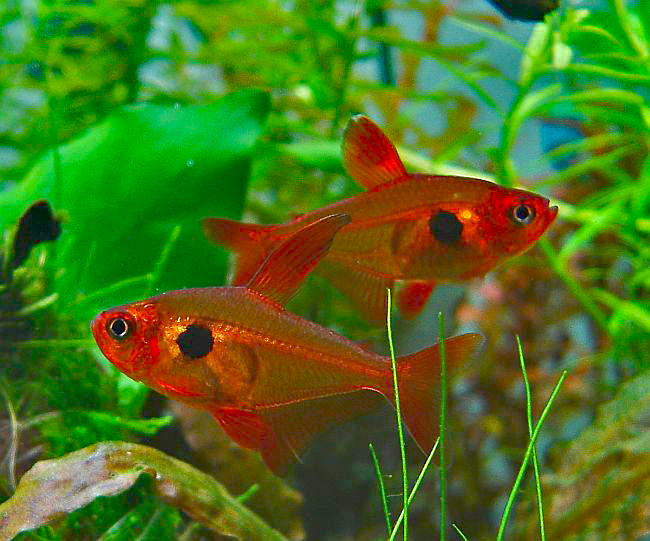
Credit: en.wikipedia.org
How Smart Pets Lover Can Help You with Red Phantom Tetra
Practical Learning Through Caring for Your Red Phantom Tetra
Understanding the delicate balance of your Red Phantom Tetra’s natural habitat and tank setup opens up a world of hands-on learning. Observing their behavior and temperament daily helps you notice subtle signs of stress or health issues, reinforcing attentive care practices. Feeding them a varied diet not only ensures their well-being but also teaches you about nutritional needs and responsible pet ownership.
- Experiment with tank plants and water parameters to mimic their environment, enhancing your knowledge of aquarium ecosystems.
- Monitor their interactions with popular tank mates, fostering insights into social dynamics among fish.
- Document breeding attempts to understand reproductive cycles and care nuances.
At Smart Pets Lover, we believe every pet parent’s journey is a story worth sharing—where learning and love swim side by side. If you’re ever curious or need guidance, reaching out to local aquatic clubs or aquatic veterinarians can deepen your connection and confidence in caring for these vibrant creatures.
Frequently Asked Questions
What Is The Ideal Tank Size For Red Phantom Tetra?
A 20-gallon tank is ideal for Red Phantom Tetras. They need space to swim and thrive in groups of six or more. Proper tank size ensures stable water conditions and reduces stress for these active fish.
What Water Conditions Suit Red Phantom Tetra Best?
Red Phantom Tetras prefer soft, slightly acidic water with pH 6. 0-7. 0. The temperature should be between 72°F and 79°F. Stable water parameters promote their health and vibrant coloration.
Are Red Phantom Tetras Peaceful Community Fish?
Yes, Red Phantom Tetras are peaceful and social. They get along well with other small, non-aggressive fish. Keeping them in schools enhances their natural behavior and reduces aggression.
What Do Red Phantom Tetras Eat In Captivity?
Red Phantom Tetras eat a varied diet of flakes, frozen, and live foods. They enjoy brine shrimp, daphnia, and high-quality flake food. A balanced diet keeps them healthy and colorful.
Conclusion
The Red Phantom Tetra adds color to any aquarium. It stays active and enjoys peaceful tank mates. Caring for it is simple with the right water and food. Watch its bright red fins shine under soft light. This fish suits beginners and experienced hobbyists alike.
A small group creates lively movement in your tank. Choose this species to bring life and beauty home. Easy to care for, it brings joy and calm. The Red Phantom Tetra is a great choice for fish lovers.