Raccoon Butterflyfish
If you’ve ever wondered what makes the Raccoon Butterflyfish so special, you’re about to find out. This stunning fish isn’t just beautiful—it has unique patterns and behaviors that can captivate anyone who loves marine life.
Whether you’re an aquarium hobbyist or just curious about ocean creatures, understanding the Raccoon Butterflyfish will give you a fresh appreciation for underwater wonders. Keep reading, and you’ll discover fascinating facts and tips that make this fish truly unforgettable.
Appearance And Identification
The Raccoon Butterflyfish stands out in coral reefs with its unique look. Its appearance helps in easy identification. This fish has features that catch the eye and make it popular among marine enthusiasts.
Color Patterns
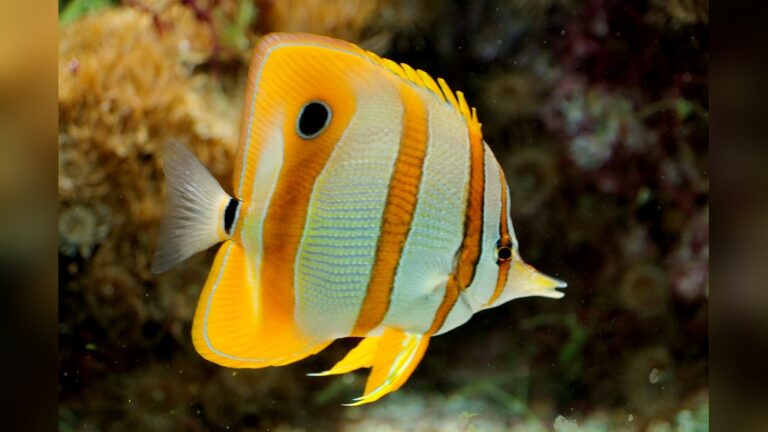
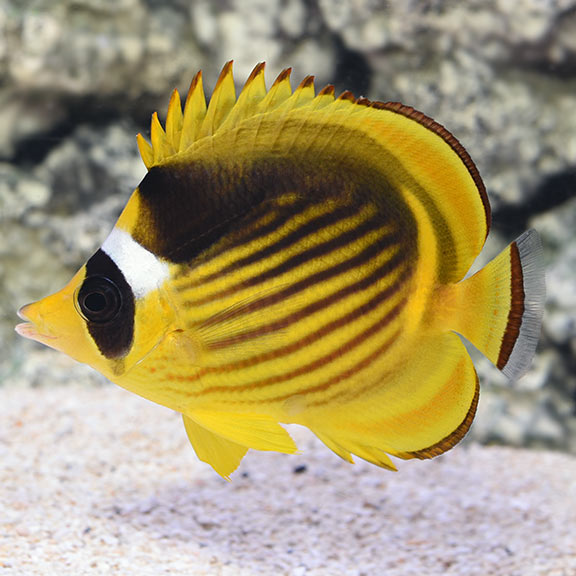
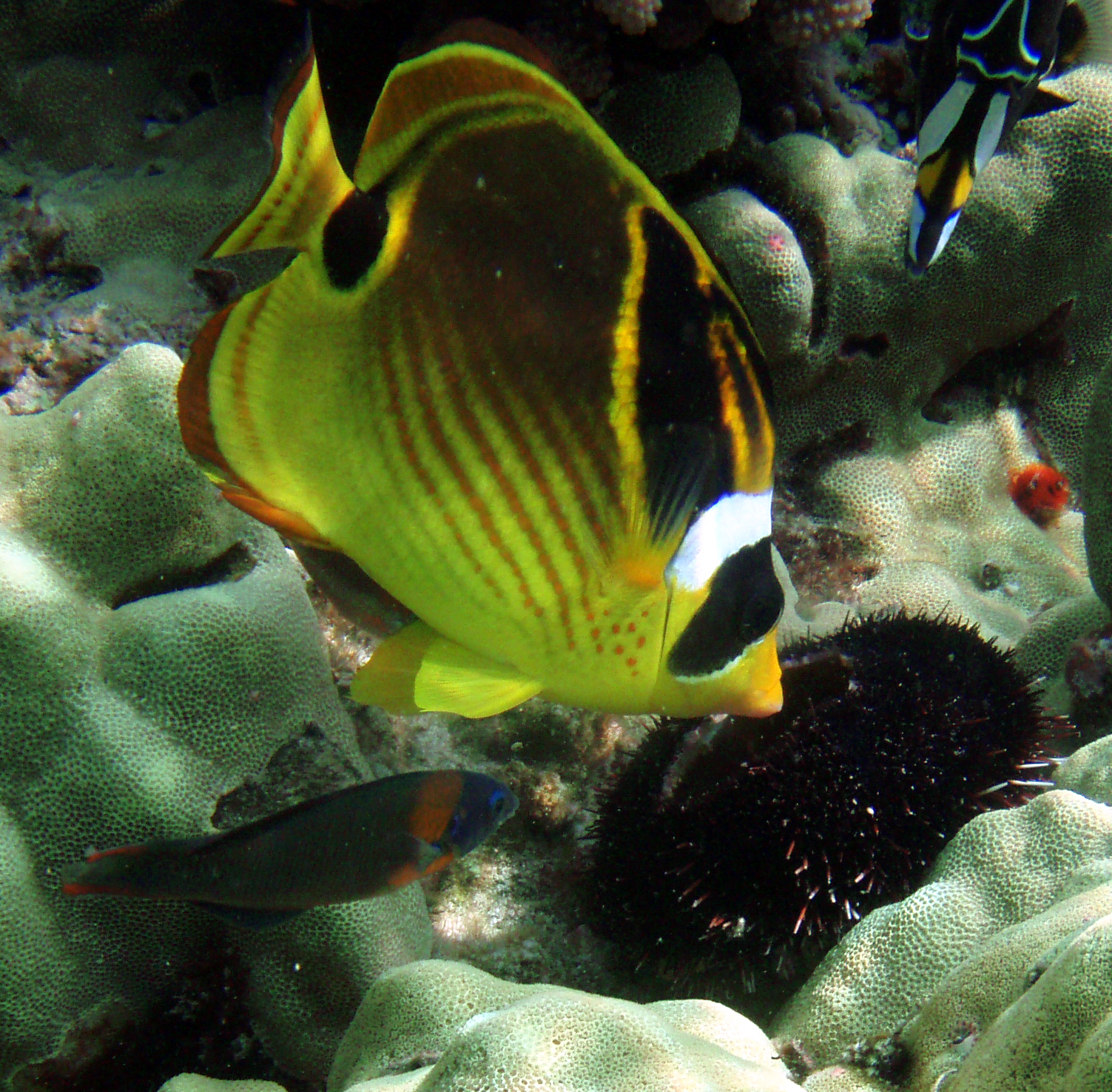
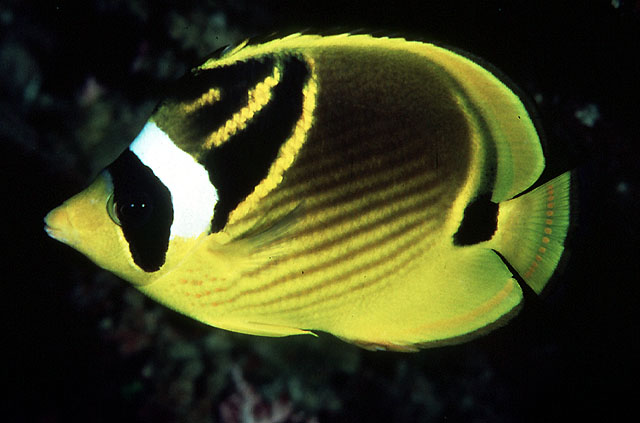
The Raccoon Butterflyfish displays bright yellow and white colors. Its body has bold black bands that resemble a raccoon’s mask. These colors create a striking contrast on the fish’s body. The vibrant yellow shines on its fins and tail.
Distinctive Markings
The key feature is the black band across the eyes. It looks like a raccoon’s mask, giving the fish its name. Another black band runs vertically near the tail. These markings are clear and sharp. They help to tell this fish apart from others.
Size And Shape
This fish is small to medium in size, growing up to 7 inches. It has a round, flat body typical of butterflyfish. The fins are long and pointed, adding to its graceful look. Its shape helps it swim easily among coral branches.
Natural Habitat
The natural habitat of the Raccoon Butterflyfish is a vibrant and diverse underwater world. This fish thrives in warm, shallow waters. It lives where it can find plenty of food and shelter. Understanding its habitat helps in appreciating this colorful species.
Geographic Distribution
The Raccoon Butterflyfish is found in the Indo-Pacific region. Its range stretches from the eastern coast of Africa to the islands of the central Pacific Ocean. It is common around places like the Maldives, Indonesia, and the Great Barrier Reef in Australia. This wide distribution shows its adaptability to different marine environments.
Preferred Environment
This fish prefers shallow waters, usually between 1 and 20 meters deep. It likes areas with clear water and stable temperatures. These conditions support its feeding habits and breeding. Calm lagoons and outer reef slopes are favorite spots. The fish avoids strong currents and murky waters.
Coral Reef Associations
The Raccoon Butterflyfish is closely linked to coral reefs. It uses the coral for protection and food. The fish feeds on small invertebrates living among the coral branches. Healthy coral reefs provide shelter from predators. This relationship highlights the importance of reef conservation for the fish’s survival.
Behavior And Social Life
The Raccoon Butterflyfish shows interesting behavior and social habits. These fish are active and curious. They use bright colors and patterns to communicate and protect themselves. Understanding their behavior helps in keeping them healthy and happy in aquariums or the wild.
Feeding Habits
Raccoon Butterflyfish mainly eat small animals found on coral reefs. They prefer coral polyps, algae, and tiny invertebrates. These fish use their pointed snouts to reach food in crevices. They feed mostly during the day, searching for fresh food. Their diet helps keep coral reefs healthy by controlling algae growth.
Territorial Nature
These fish are very protective of their space. They establish and defend small territories on the reef. Males often guard their areas against other males. They use displays and quick movements to warn intruders. Their territorial behavior helps reduce fights and stress. This behavior also ensures enough food and shelter.
Social Interactions
Raccoon Butterflyfish usually live in pairs or small groups. Pairs often consist of a male and female during breeding. They swim close and coordinate movements. These fish communicate with body language and color changes. Social bonds help them survive and reproduce successfully. They rarely form large schools like other fish species.
Credit: www.liveaquaria.com
Diet And Nutrition
The diet and nutrition of the Raccoon Butterflyfish play a key role in its health and colors. This fish needs a balanced diet to stay active and vibrant. Understanding what they eat helps keep them healthy in both wild and home environments.
Natural Diet
In the wild, Raccoon Butterflyfish mainly eat small animals. They feed on coral polyps, tiny crustaceans, and worms. Their diet also includes algae and plankton. This variety gives them the nutrients they need to grow strong. They often pick food from coral reefs and rocks.
Feeding In Captivity
In aquariums, these fish need a diet similar to their natural one. They eat frozen or live foods like brine shrimp and mysis shrimp. High-quality flake and pellet foods can also help. It is best to offer food several times a day in small amounts. This keeps their digestion healthy and prevents overeating.
Nutritional Needs
Raccoon Butterflyfish need protein for energy and muscle. They also require vitamins and minerals for good health. Foods rich in vitamins A and C support their immune system. Calcium helps maintain strong bones and teeth. A balanced diet ensures bright colors and active behavior.
Breeding And Lifespan
The breeding and lifespan of the Raccoon Butterflyfish reveal fascinating details about its life cycle. Understanding these aspects helps aquarists and marine enthusiasts appreciate this vibrant species even more. These fish display unique behaviors during reproduction and have specific development stages for their young.
Reproductive Behavior
Raccoon Butterflyfish form pairs before breeding. They swim close and display gentle nudges to each other. Spawning usually happens at dusk, increasing the chance of egg survival. The fish release eggs and sperm into the water together. This method is known as broadcast spawning. Parents do not guard the eggs after release.
Egg And Larvae Development
Eggs float on the water surface after spawning. They hatch within 24 to 48 hours. The larvae are tiny and transparent at birth. Larvae drift with the currents, feeding on plankton. This stage lasts several weeks before they grow fins and colors. The young fish then settle in coral reefs to continue growing.
Typical Lifespan
Raccoon Butterflyfish live about 5 to 7 years in the wild. In captivity, they can reach up to 10 years with proper care. Their lifespan depends on water quality and diet. Stress and disease shorten their lives. Healthy environments help them thrive longer and stay active.
Credit: en.wikipedia.org
Care In Aquariums
The Raccoon Butterflyfish is a beautiful addition to many home aquariums. These fish need care that matches their natural environment. Proper care helps them stay healthy and show their bright colors.
Understanding their needs makes keeping them easier. Knowing the right tank size, water conditions, and tank mates is important.
Tank Requirements
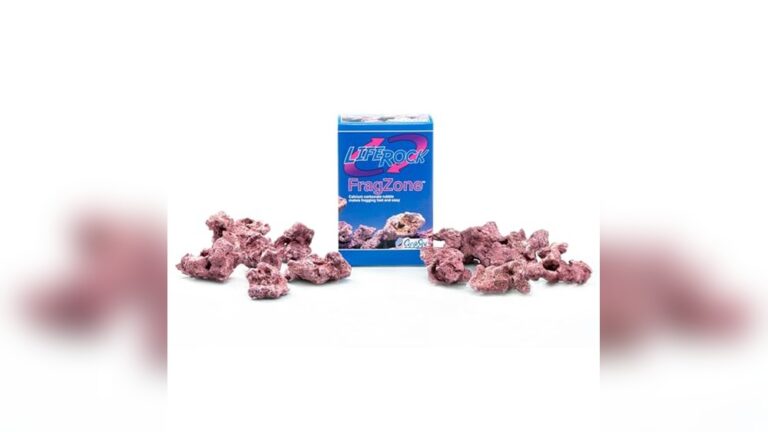
A tank of at least 75 gallons is best for Raccoon Butterflyfish. They need space to swim freely. Include plenty of live rock for hiding and grazing. A well-decorated tank mimics their coral reef home. Good lighting helps them show their true colors. Strong water flow is not necessary but gentle movement is preferred.
Water Conditions
Keep the water temperature between 72 and 78 degrees Fahrenheit. The pH should be stable, around 8.1 to 8.4. Salinity must be maintained at 1.020 to 1.025 specific gravity. Regular water changes keep the water clean and healthy. Test water parameters often to avoid sudden changes. Stable water conditions reduce stress and illness.
Compatibility With Other Fish
Raccoon Butterflyfish are peaceful but can be shy. They do well with other non-aggressive fish. Avoid housing them with large, aggressive species. They can become stressed or bullied otherwise. Keep only one Raccoon Butterflyfish per tank to prevent fighting. They get along well with peaceful reef fish and invertebrates.
Common Health Issues
The Raccoon Butterflyfish is a colorful and active fish. It can face some health problems in aquariums. Knowing these issues helps you keep your fish healthy and happy.
Common health problems include diseases, parasites, and stress. These can harm the fish quickly. Early care is important to avoid serious damage.
Diseases And Parasites
Raccoon Butterflyfish can catch diseases like ich and velvet. These cause white spots or a dusty look on the skin. Parasites such as flukes can also attack them. These parasites irritate the fish and make it scratch against surfaces.
Some diseases spread fast in tanks. Poor water quality often causes outbreaks. Treating diseases early improves the fish’s chance to recover.
Signs Of Stress
Stress shows in many ways. The fish may stop eating or hide more. Colors can fade, and breathing may become faster. Rubbing against objects is a common sign of discomfort. Stress weakens the immune system and makes diseases more likely.
Stress can come from bad water, wrong tank mates, or sudden changes. Watch your fish closely for these signs.
Preventive Measures
Keep water clean and stable for healthy fish. Regular water changes and testing help avoid problems. Provide enough space and proper diet for the Raccoon Butterflyfish. Avoid overcrowding and aggressive fish in the tank. Quarantine new fish to prevent disease spread.
Good care helps prevent most health issues. Healthy fish live longer and look more vibrant.
Conservation Status
The Raccoon Butterflyfish is a colorful reef fish known for its striking patterns. Its conservation status shows some concern but is not critical yet. Understanding the threats and protection efforts helps us keep this species safe. Awareness about sustainable aquarium trade also plays a key role.
Threats In The Wild
Coral reef damage is the biggest threat to the Raccoon Butterflyfish. Pollution and climate change cause coral bleaching. This reduces their natural habitat and food sources. Overfishing and destructive fishing methods also harm their populations. These factors put pressure on wild populations.
Protection Efforts
Many marine protected areas include Raccoon Butterflyfish habitats. These zones limit harmful human activities. Coral reef restoration projects help bring back damaged reefs. Education programs teach communities about reef conservation. Such efforts support the survival of this beautiful fish.
Sustainable Aquarium Trade
Captive breeding reduces the need to catch wild fish. Responsible collectors follow rules to avoid overharvesting. Buyers should choose fish from sustainable sources only. This helps keep wild populations healthy. Sustainable trade protects both the fish and their reefs.
Credit: nas.er.usgs.gov
How Smart Pets Lover Can Help You with Raccoon Butterflyfish
Learning Through the Raccoon Butterflyfish Experience
Understanding the raccoon butterflyfish goes beyond admiring its unique appearance or knowing its natural habitat. For pet parents eager to deepen their connection, observing its behavior and social life offers practical lessons in patience and attentiveness. These fish thrive in specific environments, so caring for them in aquariums teaches responsibility and the importance of replicating natural conditions for well-being.
At Smart Pets Lover, we believe every interaction with our aquatic friends is an opportunity to grow as compassionate caretakers. Noticing subtle changes in diet or health can help prevent common issues and extend their lifespan, reflecting the care we give to all pets. If you ever feel uncertain about your raccoon butterflyfish’s needs, reaching out to knowledgeable communities or experts can provide reassurance and tailored advice.
Remember, where every wag, purr, and chirp tells a story, so does every ripple and flutter in your aquarium. Embrace these moments—they’re the heart of responsible, joyful pet ownership.
Frequently Asked Questions
What Does A Raccoon Butterflyfish Look Like?
The Raccoon Butterflyfish has a distinctive black mask across its eyes. Its body is white with yellow fins and tail, resembling a raccoon’s facial markings.
Where Is The Raccoon Butterflyfish Commonly Found?
This fish inhabits coral reefs in the Indo-Pacific region. It’s commonly found near coral-rich areas from the Red Sea to Hawaii.
What Does A Raccoon Butterflyfish Eat?
Its diet mainly includes coral polyps, small invertebrates, and algae. It uses its pointed snout to reach food in crevices.
How Big Does A Raccoon Butterflyfish Grow?
Typically, it grows up to 7. 9 inches (20 cm) in length. This size makes it medium-sized among butterflyfish species.
Conclusion
Raccoon Butterflyfish add beauty to any saltwater tank. They have bright colors and unique patterns. These fish need clean water and a balanced diet. They can live peacefully with other fish. Watching their behavior is always interesting. Caring for them takes attention and patience.
Their charm makes them a favorite among hobbyists. Keep their environment stable for best health. Enjoy the peaceful presence of Raccoon Butterflyfish. They bring life and color to underwater spaces.