Rabbit Snail
If you’re looking to add a unique and fascinating creature to your aquarium, the rabbit snail might be just what you need. These snails aren’t like the ones you usually see—they have an unusual shape and charming behavior that can captivate anyone.
Imagine watching your tank come alive with their slow, gentle movements and curious nature. You’ll discover why rabbit snails are a favorite among aquarium lovers, how to care for them easily, and what makes them stand out from other aquatic pets.
Keep reading, and you might find the perfect new addition to your underwater world.
Rabbit Snail Species
Rabbit snails are unique freshwater snails popular in aquariums. They belong to the genus Tylomelania, native to Indonesia. These snails are admired for their unusual shape and calm behavior. They add life and beauty to freshwater tanks. Understanding their species helps in better care and appreciation.
Popular Varieties
Several rabbit snail varieties exist, each with distinct features. The Tylomelania towutica is common and has a large shell. Tylomelania perfecta shows a striking pattern on its shell. Another popular type is Tylomelania patriarchalis, known for its tall shell shape. These varieties differ in size, color, and shell design.
Physical Characteristics
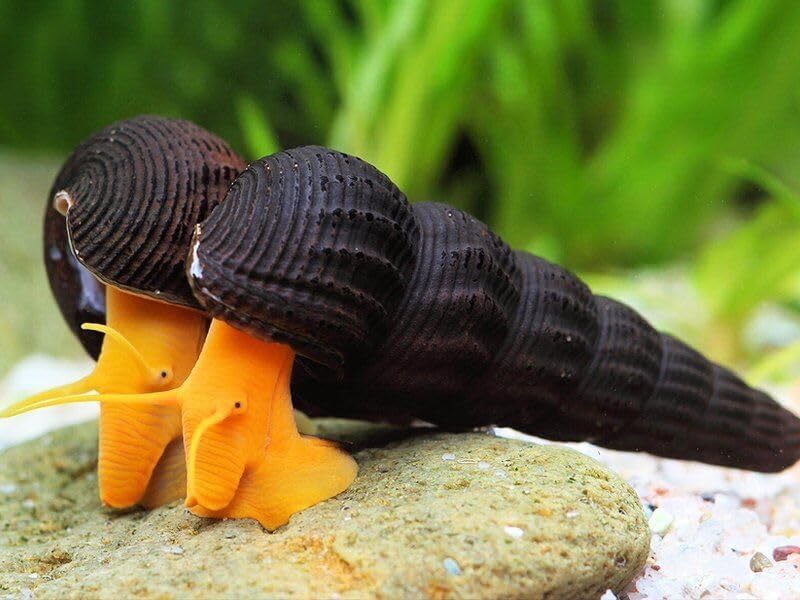
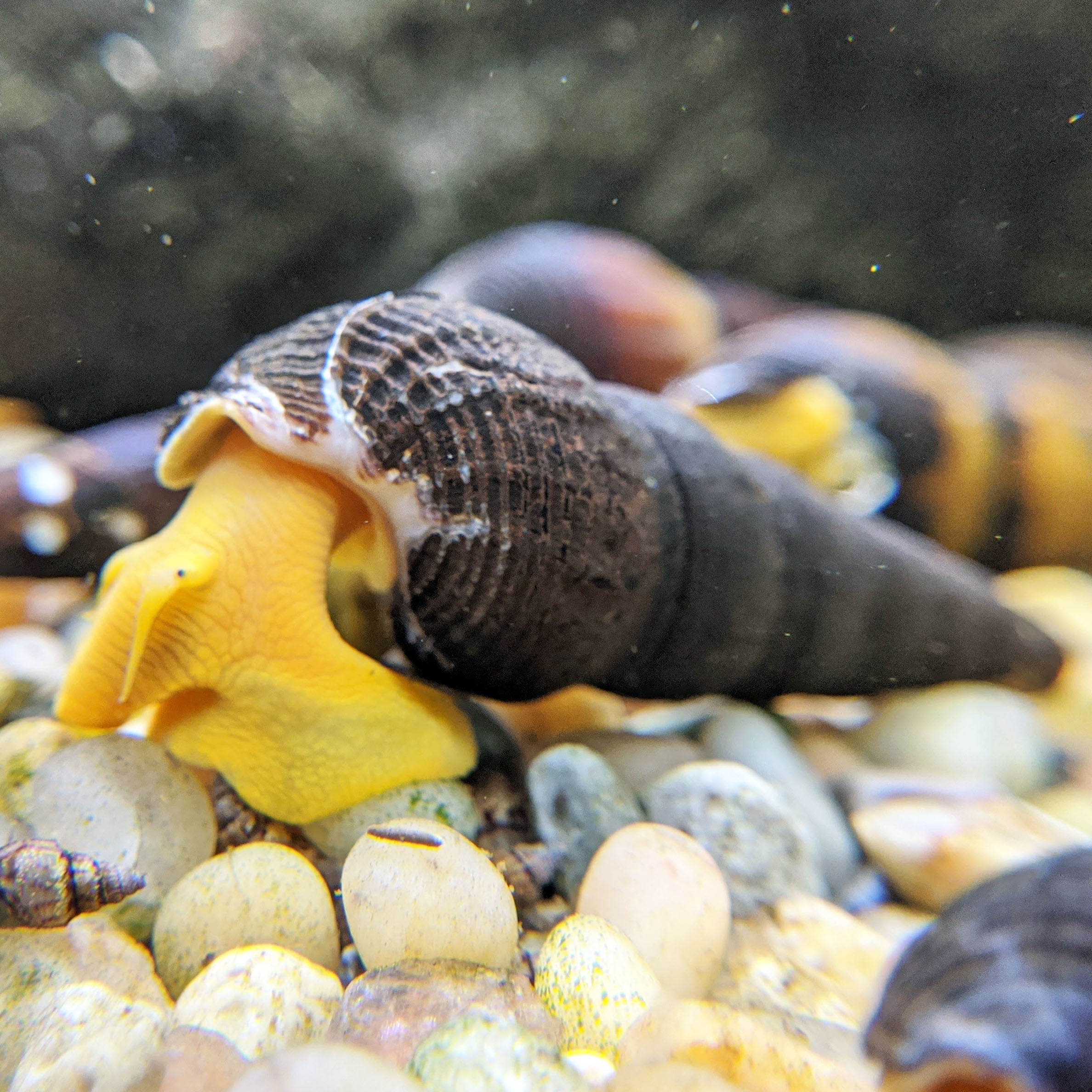
Rabbit snails have long, spiral shells that resemble a rabbit’s ear. Their shells can grow up to 4 inches, making them among the largest freshwater snails. The shell colors range from brown to black with lighter stripes or spots. Their bodies are soft and usually dark-colored. These snails move slowly and use a strong foot to cling to surfaces.
Habitat And Distribution
The Rabbit Snail is a fascinating freshwater creature. Understanding where it lives helps us appreciate its unique needs. Its habitat and distribution reveal much about its survival and behavior.
Natural Environment
Rabbit Snails thrive in slow-moving freshwater bodies. They prefer calm rivers, streams, and ponds. These areas have plenty of plants and hiding spots. Soft, sandy or muddy bottoms suit their movement and feeding. Clean water with stable temperatures is essential. They avoid strong currents and polluted waters. The plants provide food and shelter from predators.
Geographic Range
Rabbit Snails are native to Southeast Asia. They inhabit countries like Thailand, Malaysia, and Indonesia. These regions have tropical climates that support their needs. Some species spread to nearby islands and freshwater systems. Their range depends on water conditions and available food. Aquarium trade has introduced some populations to new areas. But most live in their natural habitats across these tropical zones.
Behavior And Activity
Rabbit snails show interesting behavior and activity patterns. They move slowly, exploring their surroundings. Most of their activity happens during the night. They rest during the day to avoid light and predators.
Feeding Habits
Rabbit snails eat mostly algae and dead plants. They use their radula, a tongue-like organ, to scrape food off surfaces. They help keep tanks clean by removing leftover food and algae. Sometimes, they nibble on soft vegetables like zucchini or spinach. Feeding is slow and steady, matching their calm nature.
Social Interaction
Rabbit snails are peaceful and rarely aggressive. They often gather in small groups but do not compete for space. They communicate using gentle touch and chemical signals. These snails can live with fish and other snails without trouble. Their calm behavior makes them good tank mates.
Credit: tropicflow.com
Care Requirements
Rabbit snails are peaceful and easy to care for. They need a stable environment to thrive. Proper care helps them live longer and stay healthy. Understanding their needs is key for success.
These snails require specific tank conditions, clean water, and a balanced diet. Each aspect plays a role in their well-being. Let’s explore the care requirements in detail.
Tank Setup
Choose a tank of at least 10 gallons. Rabbit snails like space to move around. Add live plants and hiding spots for comfort. Smooth substrates protect their soft bodies. Avoid sharp decorations that can harm them.
Water Parameters
Maintain water temperature between 72°F and 78°F. Keep pH levels from 7.0 to 8.0 for best health. Hard water helps build strong snail shells. Test water weekly to avoid harmful chemicals. Regular partial water changes keep the tank clean.
Diet And Nutrition
Rabbit snails eat algae and decaying plants. Supplement their diet with vegetables like zucchini or spinach. Use sinking pellets designed for snails. Avoid overfeeding to prevent water pollution. Clean uneaten food to keep water healthy.
Breeding Rabbit Snails
Breeding Rabbit Snails is a fascinating process. These snails are known for their unique appearance and peaceful nature. Understanding how they reproduce helps hobbyists maintain a healthy population in their aquariums. The breeding process is simple but requires patience and care.
Mating Process
Rabbit Snails are hermaphrodites. Each snail has both male and female organs. They still need a partner to mate. During mating, they align their bodies side by side. This allows them to exchange sperm. Mating can last several hours. It usually happens at night or in low light. After mating, each snail can lay eggs.
Raising The Young
Rabbit Snail eggs are small and white. They stick to hard surfaces like aquarium glass or plants. Eggs hatch in about two to three weeks. Baby snails are tiny and fragile. They need clean water and plenty of food. Feeding them algae and soft plants helps growth. Avoid moving baby snails too much. Keep the tank stable and free of predators. With proper care, young snails grow quickly.
Credit: shrimpybusiness.com
Common Health Issues
Rabbit snails are hardy creatures but can face some health problems. Knowing common health issues helps keep them safe and happy. Early care prevents serious illness and saves your snail’s life.
Stress, poor water quality, and bad diet often cause health problems. These factors weaken their shell and body. Watch your snail closely for any unusual signs.
Signs Of Illness
Look for slow movement or hiding more than usual. A cracked or pitted shell means trouble. White or slimy spots on the shell or body signal infection. Loss of appetite is another clear sign. Sometimes snails may stop attaching to surfaces. Swollen or retracted body parts also show illness.
Preventive Measures
Maintain clean water with regular changes. Test water parameters like pH and hardness often. Feed a balanced diet rich in calcium to keep shells strong. Avoid overcrowding the tank to reduce stress. Provide hiding spots and gentle water flow. Quarantine new snails before adding them to the tank.
Compatibility With Other Species
Rabbit snails have a calm nature. They live well with many other species in a shared tank. Knowing which species fit well helps keep the tank peaceful. It also ensures all creatures thrive together. Understanding their compatibility avoids stress and harm in your aquarium.
Suitable Tank Mates
Rabbit snails do well with small, peaceful fish. Tetras, guppies, and rasboras make good companions. They also get along with other gentle snails and shrimp. Avoid aggressive or large fish that might bully them. Plants and hiding spots help all species feel safe.
Avoiding Conflicts
Avoid fish that nip or chase snails. Cichlids and some loaches can cause trouble. Watch for signs of stress like hiding or damaged shells. Keep the tank clean to reduce fights over food. Provide enough space so each animal has its own area.

Credit: aquaticmotiv.com
How Smart Pets Lover Can Help You with Rabbit Snail
Learning Through Caring for Your Rabbit Snail
Welcoming a Rabbit Snail into your aquatic world offers more than just a charming addition—it’s a chance to deepen your understanding of freshwater ecosystems. Observing their behavior and activity helps you appreciate how these gentle creatures interact within their habitat, encouraging a hands-on approach to responsible pet care.
As you navigate their care requirements, from maintaining water quality to providing a balanced diet, you’ll develop practical skills that extend beyond snail-keeping. Breeding Rabbit Snails, for instance, can teach patience and the importance of stable environmental conditions, reinforcing lessons about life cycles and aquatic biodiversity.
- Monitor water parameters regularly to ensure a healthy environment
- Learn to identify signs of common health issues early
- Understand compatibility to create a peaceful community tank
At Smart Pets Lover, we believe that every interaction with your pets is an opportunity to learn and connect. For additional guidance or to share your experiences, feel free to reach out to us at [email protected]. After all, where every wag, purr, and chirp tells a story, your Rabbit Snail’s journey is just beginning.
Frequently Asked Questions
What Is A Rabbit Snail And Where Is It Found?
A rabbit snail is a freshwater snail known for its long, rabbit-ear-like antennae. It is native to Southeast Asia, especially Indonesia and Malaysia. These snails thrive in warm, tropical freshwater habitats and are popular in aquariums for their unique appearance and algae-eating habits.
How Big Do Rabbit Snails Grow In Aquariums?
Rabbit snails can grow up to 4 inches (10 cm) in length. They are among the largest freshwater snails kept in home aquariums. Their size makes them a noticeable and attractive addition to planted tanks and community aquariums.
What Do Rabbit Snails Eat In A Tank?
Rabbit snails primarily eat algae, biofilm, and decaying plant matter. They help keep tanks clean by grazing on unwanted algae. Occasionally, they may consume leftover fish food but should be supplemented with vegetables like zucchini or spinach.
Are Rabbit Snails Safe For Planted Aquariums?
Yes, rabbit snails are generally safe for planted tanks. They do not eat live plants but may nibble on decaying leaves. Their algae-eating behavior benefits plant health by reducing algae growth without harming healthy plants.
Conclusion
Rabbit snails make great pets for freshwater tanks. They help keep the tank clean by eating algae. These snails are peaceful and easy to care for. They need a calm environment and good water quality. Feeding them well keeps them healthy and active.
Watching their slow movements can be relaxing. Many aquarium lovers enjoy having rabbit snails. They add life and interest to any tank. Consider adding rabbit snails to your aquarium setup. They bring simple joy without much hassle.