Pygmy Angelfish
Are you fascinated by vibrant, colorful fish that can brighten up any aquarium? If so, the Pygmy Angelfish might be the perfect addition to your collection.
These tiny, stunning fish are not only beautiful but also full of personality. You’ll discover everything you need to know about caring for Pygmy Angelfish, from their ideal environment to feeding tips. Keep reading to unlock the secrets of keeping these captivating little fish happy and healthy in your home aquarium.
Your underwater world is about to get a lot more exciting!
Pygmy Angelfish Species
Pygmy Angelfish species are small, colorful fish loved by many aquarium fans. They belong to the family Pomacanthidae and are known for their bright colors and lively behavior. These fish stay small, usually under 4 inches, making them perfect for smaller tanks.
Each species has unique traits and colors. They come from warm ocean waters and bring a splash of color wherever they live. Understanding their types and habitats helps in caring for them properly.
Popular Types
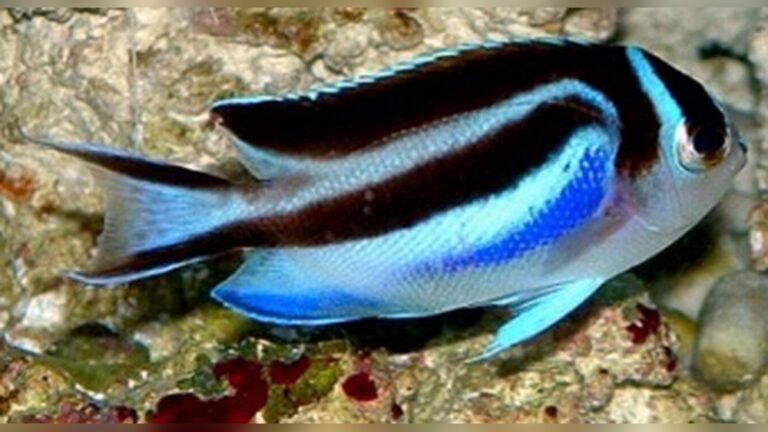
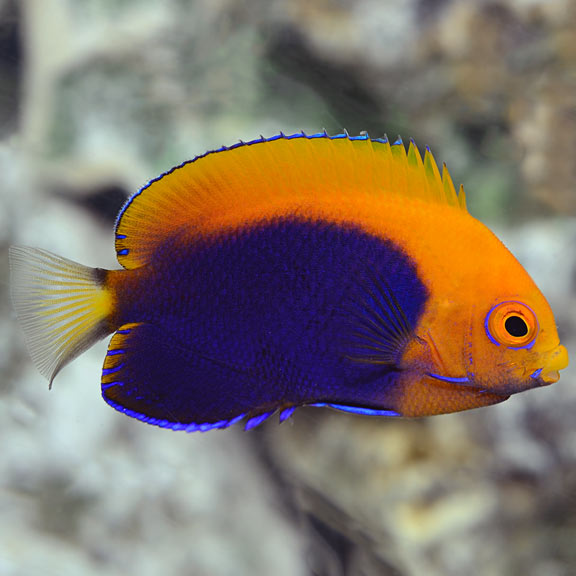
The most popular pygmy angelfish include the Cherubfish, the Flame Angelfish, and the Coral Beauty. Cherubfish are bright orange with blue accents. Flame Angelfish show red and orange stripes. Coral Beauty has deep blue and purple colors with a yellow tail. These types are common in home aquariums.
Color Variations
Pygmy Angelfish display many colors. Reds, blues, oranges, and yellows are typical. Some species change color as they grow or when stressed. Bright colors help them hide among coral reefs. Color patterns can also show their health and mood.
Natural Habitat
Pygmy Angelfish live in coral reefs and rocky areas in the Pacific and Indian Oceans. They prefer shallow waters with plenty of hiding spots. Warm temperatures between 72°F and 78°F suit them best. These environments provide food and shelter from predators.

Credit: www.frankbaensch.com
Physical Features
The physical features of the Pygmy Angelfish make it a unique and fascinating fish. Its appearance helps it blend into coral reefs and stand out with bright colors. These features include its size, body shape, and special markings. Each trait plays a role in its survival and beauty.
Size And Shape
The Pygmy Angelfish is small but sturdy. It typically grows up to 3 inches long. Its body is oval and compressed from the sides. This shape helps it move easily through coral crevices. The fish has a rounded tail fin and a slightly pointed snout. These features give it good agility in water.
Distinctive Markings
This fish shows bright and clear colors. It often has a mix of blue, yellow, and orange shades. Some species have vertical stripes or spots on their body. The edges of its fins sometimes have white or black lines. These markings make the Pygmy Angelfish easy to recognize. They also help it hide among colorful corals.
Behavior And Temperament
Pygmy Angelfish are small but full of personality. Their behavior and temperament make them interesting to watch. These fish show unique traits that aquarium lovers appreciate. Understanding their social habits and territorial nature helps create a better environment for them.
Social Interaction
Pygmy Angelfish enjoy company but need space to feel safe. They often swim alone or in pairs. These fish communicate with body movements and colors. They can be shy around new fish but adapt over time. Pygmy Angelfish are curious and explore their surroundings actively. They interact mostly during feeding or cleaning times.
Territorial Traits
These fish defend their space strongly. They mark their territory with bright colors and quick movements. Pygmy Angelfish chase away intruders to protect their area. Small tanks can cause stress due to limited space. Providing hiding spots reduces aggressive behavior. Understanding their territorial nature helps keep peace in the tank.
Credit: www.liveaquaria.com
Tank Setup
Setting up a tank for Pygmy Angelfish requires careful planning. The right environment keeps these fish healthy and happy. Small details matter, from tank size to decorations.
Good tank setup helps reduce stress and shows the fish’s beautiful colors. It also supports their natural behavior and growth.
Ideal Aquarium Size
A tank of at least 30 gallons works best for Pygmy Angelfish. These fish are small but active swimmers. They need space to explore and hide.
More space means less aggression and better water quality. A larger tank also helps keep the water stable.
Water Conditions
Maintain water temperature between 72°F and 78°F. Pygmy Angelfish prefer slightly alkaline water with pH around 8.1 to 8.4.
Keep water hardness between 8 and 12 dKH. Use a good filter to keep water clean and clear. Regular water changes improve health and reduce waste buildup.
Decor And Hiding Spots
Use live rock to create caves and crevices. Pygmy Angelfish love hiding in small spaces. These spots reduce stress and encourage natural behavior.
Add some coral or artificial decorations for extra cover. Avoid overcrowding the tank, leaving enough swimming space. Bright colors in decor highlight the fish’s vibrant look.
Diet And Feeding
The diet of Pygmy Angelfish plays a key role in their health and colors. These small fish need a balanced diet rich in nutrients. Proper feeding helps them grow strong and stay active. Understanding their food preferences and feeding routine benefits both beginners and experienced fish keepers.
Preferred Foods
Pygmy Angelfish enjoy a mix of plant and animal matter. Offer them algae sheets or spirulina flakes for plant-based nutrition. They also need protein from brine shrimp, mysis shrimp, or finely chopped seafood. Variety keeps their diet interesting and supports their immune system. Fresh or frozen foods work well and mimic their natural diet.
Feeding Schedule
Feed Pygmy Angelfish two to three times daily in small amounts. This prevents overfeeding and water pollution. Observe their eating habits and adjust portions accordingly. Remove any leftover food after a few minutes. Consistent feeding times help maintain their routine and reduce stress.
Health And Care
Pygmy Angelfish are beautiful and delicate fish. They need proper care to stay healthy. Knowing their health needs helps keep them happy in your aquarium.
Good care means watching for signs of illness. It also means keeping their tank clean and stable. Learning about common diseases and how to prevent them is important for every owner.
Common Diseases
Ich is a common disease that causes white spots on the fish. It makes them scratch against objects. Fin rot is another issue. It causes fins to look torn or faded. Both diseases can harm your Pygmy Angelfish quickly. Stress and poor water quality often cause these problems.
Preventive Measures
Keep the water clean and stable in temperature. Test the water regularly for ammonia and nitrite levels. Feed your fish a balanced diet with good quality food. Avoid overcrowding the tank to reduce stress. Quarantine new fish before adding them to your main tank. Watch your fish daily for any changes in behavior or appearance.
Breeding Pygmy Angelfish
Breeding Pygmy Angelfish can be a rewarding experience for aquarium enthusiasts. These small, colorful fish display interesting behaviors during spawning. Successfully raising their young requires patience and attention. Understanding their natural habits helps create the right environment for breeding.
Spawning Behavior
Pygmy Angelfish usually form pairs before spawning. They choose a flat surface, such as a rock, to lay eggs. The male often guards the eggs and chases away intruders. Spawning happens mostly at night or early morning. The eggs are sticky and attach firmly to the surface. This behavior increases the chances of survival for the eggs.
Raising Fry
Once the eggs hatch, the fry are very small and fragile. They need clean water and gentle water flow to thrive. Feeding tiny foods like baby brine shrimp helps their growth. Frequent water changes keep the tank safe from waste buildup. Keeping the fry in a separate tank reduces stress and increases survival rates.

Credit: www.frankbaensch.com
Compatibility With Other Fish
Pygmy Angelfish are small but bold fish that need careful tankmate choices. Their personality affects how they live with other fish. Knowing their compatibility helps create a peaceful aquarium environment.
These fish can show some aggression. They defend their space and territory strongly. Choosing the right companions can reduce fights and stress in the tank.
Suitable Tankmates
Calm fish that do not invade the Pygmy Angelfish’s area work best. Small reef-safe fish like gobies and blennies make good companions. Peaceful schooling fish such as tetras or cardinals also fit well. Avoid slow-moving or shy fish that might get bullied.
Avoiding Conflicts
Provide plenty of hiding spots and live rock for territory breaks. Space helps reduce aggressive behavior. Keep only one Pygmy Angelfish per tank to avoid fights. Watch their interactions closely, especially in small tanks. Remove any fish showing signs of stress or injury quickly.
How Smart Pets Lover Can Help You with Pygmy Angelfish
Practical Learning Through Caring for Your Pygmy Angelfish
Getting to know your Pygmy Angelfish goes beyond just admiring its vibrant colors. Understanding their behavior and temperament helps you create a harmonious tank setup that mimics their natural environment. Observing their interactions can teach you valuable lessons about fish compatibility, especially when choosing tank mates that coexist peacefully.
Feeding your pygmy angelfish a balanced diet is another practical way to deepen your connection. Paying attention to their eating habits not only supports their health but also sharpens your skills in providing tailored care. Regular monitoring of their health and behavior encourages early detection of any issues, reinforcing responsible pet ownership.
- Keep a journal to track feeding schedules and any changes in behavior.
- Experiment with tank arrangements inspired by their natural habitat.
- Connect with fellow enthusiasts at Smart Pets Lover for shared insights.
For further guidance or questions, reaching out to dedicated pet care communities or experts can be a great support as you nurture your aquatic friend. Remember, every small step you take enriches your journey as a caring pet parent.
Frequently Asked Questions
What Is A Pygmy Angelfish?
A Pygmy Angelfish is a small, colorful marine fish found in coral reefs. They are popular in saltwater aquariums due to their vibrant colors and manageable size. These fish are peaceful but territorial, making them ideal for reef tanks with compatible species.
How Big Do Pygmy Angelfish Grow?
Pygmy Angelfish typically grow to about 3 inches (7. 5 cm) in length. Their small size makes them suitable for nano and small marine aquariums. Despite their size, they exhibit bold colors and active behavior, adding visual interest to any tank.
What Is The Ideal Tank Setup For Pygmy Angelfish?
A tank of at least 30 gallons with live rock is ideal for Pygmy Angelfish. They need plenty of hiding spots and stable water conditions. Moderate water flow and a temperature between 72-78°F support their health and activity.
What Do Pygmy Angelfish Eat?
Pygmy Angelfish are omnivores that eat algae, small invertebrates, and prepared marine foods. A diet rich in marine algae, spirulina, and high-quality pellets promotes their vibrant colors and overall health. Feeding twice daily in small amounts is recommended.
Conclusion
Pygmy angelfish make a colorful and lively addition to any aquarium. They stay small but show bright and beautiful colors. These fish need clean water and a safe space to thrive. Feeding them varied food helps keep them healthy and active.
Watching their curious behavior brings joy to fish lovers. Caring for pygmy angelfish is simple with the right knowledge. Small size, great looks, and easy care make them popular pets. Consider adding a pygmy angelfish to brighten your tank today.