Proserpinaca Palustris
If you’re curious about adding a unique touch to your aquatic garden or want to learn about a fascinating water plant, Proserpinaca Palustris might just be what you need. This beautiful, hardy plant thrives in wetlands and aquariums alike, offering both charm and benefits.
By the end of this article, you’ll know exactly why Proserpinaca Palustris stands out and how it can transform your space. Ready to discover the secrets behind this captivating plant? Keep reading!
Credit: www.aquasabi.com
Plant Description
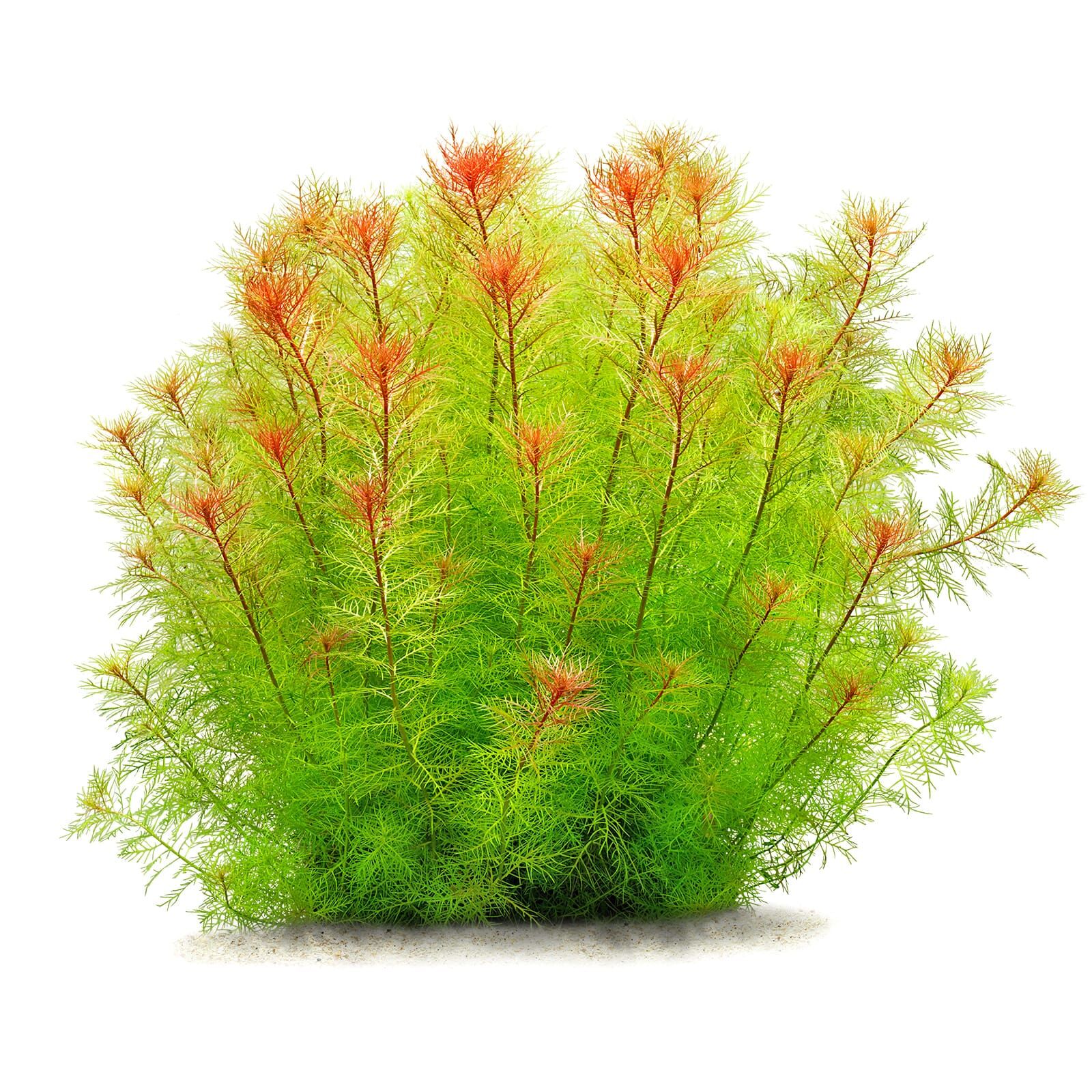
Proserpinaca palustris, also called marsh mermaidweed, is a unique aquatic plant. It thrives in wet habitats like marshes and swamps. This plant has a delicate yet striking appearance.
Understanding its physical traits helps identify it in nature. Its growth pattern and leaf details are key features. These elements make Proserpinaca palustris stand out among wetland plants.
Physical Characteristics
Proserpinaca palustris grows up to 30 inches tall. Its stems are thin and often branch out. The flowers are small with three green sepals and no petals. They bloom from June to September. The plant’s color varies from green to reddish shades.
Growth Habit
This plant grows mostly underwater or in shallow water. It can also grow on wet soil near water edges. The stems float or stand erect above the water surface. It spreads by seeds and sometimes by stem fragments. Proserpinaca palustris prefers calm waters without strong currents.
Leaf Structure
The leaves are narrow and pointed, arranged in whorls around the stem. Lower leaves are submerged and have fine teeth on edges. Upper leaves are often toothed or lobed. These leaf differences help the plant adapt to water and air. Leaf color may change from green to reddish depending on sunlight.
Natural Habitat
Proserpinaca palustris thrives in specific natural settings. It grows best in wet and marshy areas. These places provide the right balance of water and sunlight. Understanding its habitat helps in growing and protecting this plant.
Geographic Distribution
This plant is native to North America. It grows across the eastern United States and parts of Canada. Some populations also exist in the Caribbean. Its range covers many wetlands and freshwater bodies.
Preferred Environments
Proserpinaca palustris prefers shallow waters and marshes. It often grows near ponds, lakes, and slow-moving streams. The plant favors open spaces with plenty of sunlight. It rarely grows in deep or fast-moving water.
Water And Soil Conditions
This species thrives in acidic to neutral water. The soil is usually soft, muddy, and rich in organic material. The plant needs constant moisture but not strong currents. These conditions support healthy growth and reproduction.
Cultivation Tips
Proserpinaca palustris is a unique aquatic plant that thrives in wet environments. Growing it requires some care and the right conditions. Following simple guidelines helps the plant grow healthy and strong.
Each step in cultivation is important. From planting to watering, understanding the needs of Proserpinaca palustris ensures success.
Planting Guidelines
Choose a container with good drainage or a pond area. Use sandy or loamy soil rich in organic matter. Plant the seeds or seedlings shallowly, covering roots lightly with soil. Keep the soil moist but not flooded at first. Space the plants about 6 to 8 inches apart. This spacing allows good air and water flow.
Light And Temperature Needs
Proserpinaca palustris prefers full sunlight. Aim for at least six hours of direct light daily. It grows best in temperatures between 65°F and 85°F. Avoid placing the plant in cold drafts or freezing areas. Warm days and cool nights mimic its natural habitat well.
Watering Practices
Keep the soil consistently wet. The plant likes shallow water around its roots. Use rainwater or distilled water for best results. Avoid hard tap water that may have chemicals. Check water levels daily in hot weather. Too little water can cause leaves to wilt quickly.

Credit: floridaaquatic.com
Propagation Methods
Proserpinaca palustris, also known as marsh mermaid, can grow well through different methods. Propagation helps gardeners create new plants from existing ones. This section covers two simple ways to propagate marsh mermaid: seed propagation and cutting techniques. Both methods are effective and suitable for beginners.
Seed Propagation
Start by collecting seeds from mature Proserpinaca palustris plants. Dry the seeds in a cool place for a few days. Use fresh, nutrient-rich soil to plant the seeds. Sow them shallowly, just covering with a thin layer of soil. Keep the soil moist but not soaked. Place the container where it gets indirect sunlight. Germination usually happens within two to three weeks. Thin out weaker seedlings to allow strong ones to grow well.
Cutting Techniques
Cut healthy stems of Proserpinaca palustris about four to six inches long. Remove leaves from the lower half of the cutting. Dip the cut end in rooting hormone powder to encourage root growth. Plant the cutting in moist, well-draining soil or water. Keep the soil or water warm and moist. Roots appear in about two to four weeks. Transplant the new plants carefully to avoid damage.
Common Pests And Diseases
Proserpinaca palustris, a wetland plant, faces threats from pests and diseases. These problems can harm its growth and beauty. Knowing how to spot and manage these issues keeps the plant healthy and vibrant. Careful attention helps prevent damage and supports strong growth.
Pest Identification
Common pests include aphids, spider mites, and caterpillars. Aphids are tiny and often green or black. They cluster on new leaves and stems. Spider mites are very small and create fine webs. Caterpillars chew on leaves and leave holes. Early spotting stops pests from spreading. Look for damaged leaves, sticky residue, or webbing. Check the undersides of leaves carefully.
Disease Prevention
Good water circulation reduces fungal growth. Avoid overwatering to prevent root rot. Remove dead or decaying leaves quickly. Use clean tools to avoid spreading diseases. Plant in well-drained areas with sunlight. Healthy plants resist diseases better. Keep the area free of plant debris. Regularly inspect your Proserpinaca palustris for early signs of trouble.
Treatment Options
For pests, use insecticidal soap or neem oil. Spray the affected areas thoroughly. Repeat treatment weekly until pests disappear. Remove heavily infested leaves to reduce pests. For fungal diseases, apply a fungicide labeled for aquatic plants. Trim diseased parts to stop spread. Always follow product instructions carefully. Natural predators like ladybugs can also help control pests safely.
Uses And Benefits
Proserpinaca palustris offers several practical uses and benefits. This aquatic plant is popular in many fields, from home aquariums to natural habitats. It supports both aesthetic and environmental needs with ease.
Understanding its uses helps people appreciate its value beyond just being a green plant. It plays a role in decoration, ecology, and traditional medicine.
Aquarium Decoration
Proserpinaca palustris adds beauty to freshwater aquariums. Its fine leaves create a lush, natural look. Fish enjoy hiding and swimming through its stems. It helps keep water clean by absorbing excess nutrients. This plant grows well in different light conditions. It is easy to care for, making it ideal for beginners.
Ecological Importance
This plant supports wetland ecosystems. It provides shelter and food for small aquatic animals. Proserpinaca palustris helps stabilize soil in marshy areas. Its presence improves water quality by filtering pollutants. Wetlands with this plant attract diverse wildlife. It plays a key role in maintaining healthy habitats.
Medicinal Uses
Traditional medicine sometimes uses Proserpinaca palustris. It is believed to have anti-inflammatory properties. Some cultures use it to treat skin issues and wounds. The plant contains natural compounds that may help reduce pain. More research is needed to confirm these benefits. It remains a valuable resource in herbal remedies.

Credit: www.2hraquarist.com
How Smart Pets Lover Can Help You with Proserpinaca Palustris
Hands-On Learning with Proserpinaca Palustris
Getting to know Proserpinaca Palustris beyond its natural habitat and cultivation tips can be a rewarding journey for any plant enthusiast or pet lover. Observing its growth firsthand not only deepens your appreciation for this unique aquatic plant but also offers practical insights into propagation methods and pest management.
Try setting up a small aquatic environment where you can experiment with different water conditions and light levels, reflecting the plant’s natural habitat. This hands-on approach helps you understand how to maintain its health and recognize early signs of common pests or diseases, making your care routine more effective.
- Document the plant’s growth stages to track progress and challenges.
- Test natural pest control options that align with keeping your aquatic pets safe.
- Share your observations with communities like Smart Pets Lover, where every shared story enriches our collective knowledge.
For questions or detailed advice, reaching out to local botanical experts or the Smart Pets Lover community can be incredibly helpful. Remember, nurturing a plant like Proserpinaca Palustris is not just about cultivation—it’s about building a connection that resonates with the same care we give our beloved pets.
Frequently Asked Questions
What Is Proserpinaca Palustris?
Proserpinaca Palustris, also known as marsh mermaidweed, is an aquatic plant native to wetlands. It thrives in freshwater environments like ponds and marshes. This plant supports aquatic ecosystems by providing habitat and oxygen. It features slender, forked leaves and small flowers.
Where Does Proserpinaca Palustris Grow Naturally?
Proserpinaca Palustris is commonly found in North America’s wetlands. It grows in shallow freshwater ponds, marshes, and slow-moving streams. The plant prefers acidic to neutral water and soft, muddy soils. It thrives in sunny to partially shaded environments.
How To Care For Proserpinaca Palustris In Aquariums?
Maintain clean, soft water with a neutral pH for Proserpinaca Palustris. Provide moderate lighting and nutrient-rich substrate. Regular water changes help prevent algae growth. Avoid strong currents, as it prefers calm water. Trim the plant to encourage healthy growth.
What Are The Benefits Of Proserpinaca Palustris?
Proserpinaca Palustris improves water quality by oxygenating and filtering water. It offers shelter and breeding grounds for aquatic wildlife. The plant helps stabilize sediment and reduce erosion in wetland areas. It also enhances the natural beauty of aquatic habitats.
Conclusion
Proserpinaca palustris adds beauty to wetland areas. Its unique leaves and growth help support local wildlife. This plant thrives in moist, sunny spots with clean water. Gardeners and nature lovers enjoy its simple charm and easy care. Watching its delicate flowers bloom brings quiet joy.
Understanding this plant helps protect natural habitats. Small actions make a big difference for our environment. Nature’s balance depends on such native species. Keep exploring and appreciating plants like Proserpinaca palustris. They remind us of the world’s quiet wonders.