Pop Eyed Fish
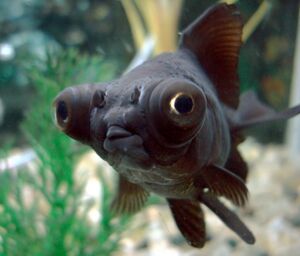
Have you ever noticed a fish with eyes that seem to pop right out? Pop eyed fish are fascinating creatures that grab your attention instantly.
If you think you know everything about them, think again. This article will reveal surprising facts and simple care tips that can change how you see these unique fish. Keep reading—you’ll discover why pop eyed fish might be the perfect addition to your aquarium or the next topic to impress your friends.
Your curiosity is about to pay off!
Credit: nookipedia.com
Causes Of Pop Eye
Pop eye is a common problem in aquarium fish. It causes the fish’s eyes to bulge out abnormally. Understanding the causes helps in prevention and treatment. Several factors can lead to this condition.
Bacterial Infections
Bacteria often cause pop eye in fish. These infections affect the tissues around the eyes. The bacteria can enter through wounds or poor water conditions. Fish become weak and their eyes swell due to infection.
Physical Injury
Physical injury is another cause of pop eye. Fish can hurt themselves on sharp objects or tank decorations. Fighting with other fish can also cause eye injuries. Injuries lead to swelling and fluid buildup behind the eye.
Poor Water Quality
Bad water quality stresses fish and causes health problems. High ammonia or nitrite levels irritate the fish’s body. Dirty water encourages bacteria growth that harms fish. Regular water changes keep the tank safe and clean.
Nutritional Deficiencies
Fish need proper nutrition to stay healthy. Lack of vitamins weakens their immune system. Deficiencies can make fish prone to infections and swelling. Feeding a balanced diet supports eye health and overall wellbeing.
Symptoms To Watch For
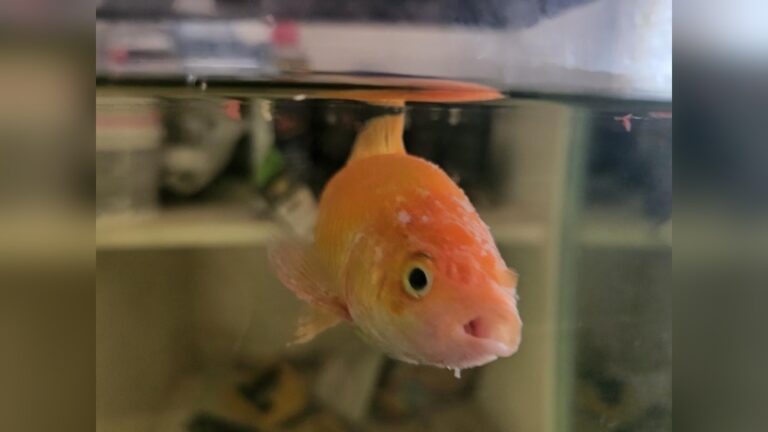
Pop-eyed fish, also known as fish with exophthalmia, show clear signs when they are unwell. Watching for symptoms early can help you care for your fish better. Recognizing these signs quickly can prevent serious health problems.
Swelling Of The Eyes
One common symptom is swelling around the eyes. The eyes may look bigger than normal. This swelling can make the fish uncomfortable. It can also make it hard for them to see.
Cloudy Or Bulging Appearance
The eyes may appear cloudy or have a bulging look. This is a sign of fluid buildup or infection. Cloudy eyes reduce vision and can lead to blindness. Bulging eyes are often a sign of pressure inside the fish’s head.
Behavioral Changes
Fish may act differently when sick. They might swim slower or hide more often. Loss of appetite is also common. You may notice the fish rubbing against objects in the tank. These changes show the fish is in distress.
Diagnosing The Condition
Diagnosing pop eyed fish is important to save their health. The condition causes the fish’s eyes to bulge out unusually. Early detection helps treat the problem faster. Several steps help identify the issue clearly.
Visual Inspection
Look closely at the fish’s eyes. Are they swollen or cloudy? Check for redness or any fluid buildup. Notice if the fish acts differently. Slow movement or hiding can signal trouble. Spotting these signs early is key.
Water Testing
Test the aquarium water for quality. Check the ammonia, nitrite, and nitrate levels. Measure the pH and temperature too. Poor water conditions often cause eye problems. Keeping water clean reduces the risk.
Veterinary Consultation
Consult a vet who specializes in fish health. They can confirm the cause of the bulging eyes. A vet may suggest medicines or special treatments. Early professional advice improves the fish’s chances. Never ignore severe symptoms or sudden changes.
Treatment Options
Treating pop eyed fish requires quick and careful action. The goal is to stop the problem and help the fish heal. Several treatment options exist. Each one targets different causes of the condition.
Understanding these methods improves chances of recovery. It keeps your aquarium healthy and your fish happy.
Improving Water Conditions
Clean water is vital for fish health. Poor water quality often causes pop eye. Check ammonia, nitrite, and nitrate levels. Keep pH and temperature stable.
Perform regular water changes to remove toxins. Use a water conditioner to remove chlorine. Clean filters and remove uneaten food. These steps reduce stress and help healing.
Medication And Antibiotics
Infections often cause pop eye. Antibiotics can fight bacterial infections. Use medicines designed for aquarium fish only. Follow dosing instructions carefully to avoid harm.
Antifungal treatments may be necessary if fungus appears. Watch fish closely for side effects. Stop medication when symptoms improve. Consult a vet for persistent cases.
Isolation And Care
Isolate sick fish to prevent spreading disease. Use a separate tank with clean water. Keep water conditions ideal and feed nutritious food.
Limit stress by reducing noise and light. Monitor fish daily for changes. Isolation gives fish a safe space to recover.
Preventing Pop Eye
Pop eye is a common issue in aquarium fish where the eyes swell or bulge out. Preventing this condition keeps fish healthy and happy. Focus on tank care, diet, and regular health checks to reduce risks. These steps help avoid stress and infections that cause pop eye.
Maintaining Clean Tanks
Clean water is key to preventing pop eye. Change water regularly and remove waste. Use a good filter to keep water clear. Dirty water causes bacteria and poor health. Test water for ammonia and pH levels. Keep the tank environment stable and safe.
Balanced Diet
Feed fish a varied and nutritious diet. Use high-quality flakes or pellets made for your fish type. Include fresh vegetables or live food occasionally. A balanced diet boosts immunity and helps fight infections. Avoid overfeeding to keep water clean. Healthy fish resist diseases better.
Regular Health Checks
Watch your fish daily for signs of illness. Look for swelling, redness, or unusual behavior. Catch problems early for better treatment results. Quarantine new fish before adding to the tank. Keep a first-aid kit for fish diseases handy. Early care prevents pop eye from worsening.

Credit: www.fishlore.com
Common Pop Eye Fish Species
Pop eye fish are known for their distinct bulging eyes. Several species naturally show this feature. These fish live in freshwater and saltwater environments. Their unique eyes help them see better in dark or murky waters. Here are some common pop eye fish species you might find interesting.
Goldfish
Goldfish are one of the most popular pop eye fish. They have round, protruding eyes that stand out. These fish come in many colors and shapes. They are easy to care for and friendly. Goldfish often live in home aquariums and garden ponds.
Betta Fish
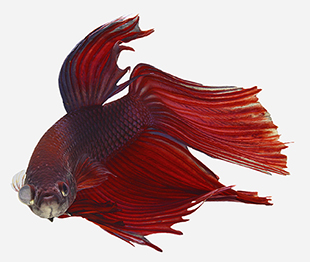
Betta fish, also called Siamese fighting fish, have striking pop eyes. Their eyes look large compared to their body size. Bettas are known for their bright colors and flowing fins. They prefer warm water and small tanks. Bettas can be aggressive but are fun to watch.
Cichlids
Cichlids are a large family of fish with many pop eye species. They live mostly in Africa and South America. These fish have strong bodies and sharp eyes. Cichlids show a variety of colors and patterns. They are active and can be territorial in tanks.
Credit: interpet.co.uk
How Smart Pets Lover Can Help You with Pop Eyed Fish
Learning from Pop Eyed Fish: A Window into Responsible Aquarium Care
Understanding pop eye in fish goes beyond just recognizing symptoms or exploring treatment options; it offers a valuable chance to deepen our connection with these fascinating aquatic companions. When you notice the telltale signs—like swollen eyes or unusual behavior—it’s a reminder to revisit water quality, tank conditions, and nutrition, key factors in preventing this condition.
At Smart Pets Lover, we believe every challenge with our pets is an opportunity to grow as caretakers. Observing and diagnosing issues like pop eye encourages patience and attentiveness, helping pet parents become more confident in their fishkeeping skills. It also highlights the importance of early intervention, as prompt treatment often leads to better outcomes.
- Regular tank maintenance and monitoring water parameters
- Identifying species-specific vulnerabilities among common pop eye fish
- Collaborating with veterinarians or aquatic specialists for accurate diagnosis
If you ever feel uncertain, don’t hesitate to reach out to aquatic care experts or local pet communities. Remember, nurturing your fish’s health is a journey where every observation and action strengthens the bond you share. For more guidance, Smart Pets Lover is here to help pet parents navigate these waters with empathy and knowledge—because where every wag, purr, and chirp tells a story, every bubble and fin flicker does too.
Frequently Asked Questions
What Causes Pop Eyed Fish In Aquariums?
Pop eyed fish usually result from infections, poor water quality, or injury. These issues cause fluid buildup behind the eyes, leading to swelling and bulging. Maintaining clean water and proper care helps prevent this condition.
How Can I Treat Pop Eyed Fish Effectively?
Treat pop eyed fish by improving water quality and using antibiotics if bacterial infection is present. Isolate affected fish to avoid spreading. Regular monitoring and proper tank maintenance support faster recovery.
Are Pop Eyed Fish Symptoms Of Serious Disease?
Yes, pop eyed fish can indicate serious infections or internal health problems. Early detection and treatment are crucial to prevent complications and improve survival chances.
Can Diet Affect The Health Of Pop Eyed Fish?
A balanced diet supports the immune system of fish, reducing risks of diseases like pop eye. Providing high-quality food enhances overall fish health and resistance to infections.
Conclusion
Pop eyed fish are unique and fascinating creatures. Their large eyes help them see in dark waters. They add beauty to any aquarium with their distinct look. Caring for them is simple with the right knowledge. They thrive best in clean, well-maintained tanks.
Watching their curious behavior brings joy and calm. These fish are a great choice for beginners. Explore more about them and enjoy their charm. Small but full of character, they brighten any space.