Planted Aquarium
Are you looking to bring a slice of nature into your home? A planted aquarium can transform your space into a vibrant underwater garden.
Imagine watching colorful fish swim through lush green plants, creating a peaceful and beautiful environment right in your living room. But setting up and maintaining a planted aquarium might seem tricky at first. Don’t worry—you’re about to discover simple tips and secrets that will make your aquarium thrive.
Ready to turn your tank into a stunning aquatic paradise? Keep reading, and you’ll learn exactly how to do it.
Choosing The Right Aquarium
Choosing the right aquarium is key for a healthy planted tank. The correct setup helps plants and fish thrive. It also makes maintenance easier. Consider size, shape, and materials carefully. These factors affect the tank’s environment and your enjoyment.
Tank Sizes And Shapes
Size matters in planted aquariums. Bigger tanks offer stable water conditions. They give plants more room to grow. Small tanks can be harder to keep balanced. Choose a size that fits your space and budget.
Shape affects light and decoration. Long tanks show plants better. Tall tanks suit plants that grow upwards. Square tanks fit small spaces well. Pick a shape that matches your style.
Material Options
Most aquariums use glass or acrylic. Glass is clear and scratch-resistant. It is heavier but lasts a long time. Acrylic is lighter and stronger. It can scratch more easily. Both materials hold water well.
Consider cleaning and durability. Glass tanks stay clear with fewer scratches. Acrylic tanks need gentle cleaning. Choose based on your care routine and budget.
Placement Tips
Place your aquarium away from direct sunlight. Sunlight can cause algae to grow fast. Avoid spots near heaters or air conditioners. Temperature changes stress fish and plants.
Use a sturdy stand that supports the tank’s weight. Ensure the floor is level. Keep the tank near power outlets. This helps with equipment setup and maintenance.
Selecting Plants
Selecting the right plants is key to a beautiful planted aquarium. Plants bring life, color, and balance to your tank. They help clean the water and provide shelter for fish. Choosing plants that fit your tank and skill level makes a big difference. Understanding plant types and their needs helps your aquarium thrive.
Easy Vs. Advanced Plants
Some plants grow well with little care. These are perfect for beginners. Examples include Java Fern, Anubias, and Amazon Sword. They need less light and can grow in many conditions.
Advanced plants need more care and special conditions. They require strong light, specific nutrients, or CO2 injection. Examples are Rotala, Glossostigma, and Dwarf Hairgrass. These plants offer more detail but need experience.
Lighting Needs
Plants need light to grow. Some plants need low light. Others need bright light to stay healthy. Matching plants to your aquarium light is important. Low light plants survive in shaded or indoor tanks. Bright light plants grow fast but may need extra care.
Plant Growth Patterns
Plants grow in different shapes and sizes. Some grow tall and vertical, like Vallisneria. Others spread wide and low, like Cryptocoryne. Some float on the surface, like Duckweed. Knowing growth patterns helps arrange plants well. It creates natural layers and space for fish.
Substrate And Soil
The substrate and soil form the base of a planted aquarium. They support plant roots and supply nutrients. Choosing the right substrate helps plants grow strong and healthy. It also shapes the look of your aquarium. Understanding different substrates and how to use them is important.
Types Of Substrate
Gravel is common and easy to clean. It lets water flow well but may lack nutrients. Sand is smooth and natural-looking. It can compact, so plants might struggle to root. Clay-based substrates hold nutrients well. They offer a good base for many plants. Some substrates mix materials for balance and better growth.
Nutrient-rich Options
Nutrient-rich substrates contain minerals plants need to thrive. They release nutrients slowly over time. Aquasoil is a popular choice for planted tanks. It improves water quality and plant health. Some soils have added iron and trace elements. These nutrients boost plant color and growth. Using nutrient-rich soil reduces the need for fertilizers.
Layering Techniques
Layering substrates creates a healthy environment for roots. Start with a nutrient-rich base layer. Cover it with a decorative layer like gravel or sand. This keeps nutrients in place and looks nice. Layering also prevents soil from clouding water. It helps plants anchor firmly in the substrate. Proper layering leads to stable and thriving plants.
Water Parameters
Water parameters play a big role in a healthy planted aquarium. Plants and fish need the right water conditions to thrive. Keeping water stable helps plants grow strong and keeps fish happy.
Many factors affect water quality. Monitoring these factors is key to a balanced aquarium. Let’s explore some important water parameters for planted tanks.
Ph And Hardness
pH shows how acidic or basic the water is. Most aquatic plants grow well in slightly acidic to neutral water. A pH between 6.5 and 7.5 works best for many plants. Avoid sudden pH changes, as they stress plants and fish.
Water hardness means the amount of minerals, like calcium and magnesium. Soft water has fewer minerals, while hard water has more. Most plants prefer soft to moderately hard water. Test your water regularly to keep hardness in the right range.
Temperature Control
Temperature affects plant growth speed and fish health. Most aquarium plants grow well between 72°F and 78°F (22°C – 26°C). Avoid big temperature swings. Use a reliable heater and thermometer. Stable temperature helps plants absorb nutrients better.
Water Changes
Regular water changes remove waste and keep water clean. Change 20-30% of the water weekly. This prevents toxic buildup and keeps nutrients balanced. Use dechlorinated water at the right temperature. Clean water supports healthy roots and clear water.
Lighting Setup
Lighting setup is crucial for a healthy planted aquarium. Plants need the right light to grow well. Too little light slows growth. Too much light causes algae problems. Choosing proper lighting helps plants thrive and keeps your tank balanced.
Light Intensity
Light intensity means how strong the light is. Plants need different intensities based on their type. Low-light plants need gentle light. High-light plants need bright light. Measure light with PAR meters for best results. Match light strength to your plant needs.
Duration And Timers
Plants need a regular light schedule. Around 8 to 10 hours per day works well. Using timers helps keep light on and off at fixed times. This prevents too much light and stops algae growth. Consistency helps plants stay healthy and grow steady.
Led Vs. Fluorescent
LED lights use less energy and last longer. They give bright, focused light that plants love. Fluorescent lights cost less but use more electricity. LEDs offer better color options for plant growth. Choose LEDs for efficiency and plant health.

Credit: buceplant.com
Filtration And Circulation
Filtration and circulation play key roles in a planted aquarium. They keep the water clean and oxygen-rich. Good water quality helps plants grow healthy and fish stay active. Proper flow moves nutrients and gases throughout the tank. This section explains the types of filters, how flow rates affect your aquarium, and tips for maintaining water quality.
Filter Types
There are three main filter types for planted tanks: sponge, canister, and hang-on-back filters. Sponge filters offer gentle filtration and aeration. Canister filters provide strong mechanical, chemical, and biological filtration. Hang-on-back filters are easy to install and maintain. Choose a filter that suits your tank size and fish load. The right filter keeps water clear without disturbing plants.
Flow Rates
Flow rate means how much water moves through the filter each hour. Ideal flow rates vary by aquarium size and plant species. Too fast can uproot plants and stress fish. Too slow can cause dead spots and algae growth. A flow rate of 4 to 6 times the tank volume per hour works well for most planted tanks. Adjust flow with valves or spray bars for gentle circulation.
Maintaining Water Quality
Regular water changes keep toxins low and nutrients balanced. Test water often for ammonia, nitrites, and nitrates. Clean filter media carefully to avoid killing beneficial bacteria. Remove debris and dead plant parts to prevent decay. Avoid overfeeding fish to reduce waste buildup. Healthy water supports thriving plants and happy fish in your aquarium.
Fertilization Techniques
Fertilization techniques play a big role in a healthy planted aquarium. Plants need nutrients to grow strong and look vibrant. Different methods supply these nutrients in unique ways. Choosing the right technique helps plants absorb the food they need.
Liquid Fertilizers
Liquid fertilizers dissolve in water and spread quickly. They feed leaves and stems directly. This method works well for fast-growing plants. Regular dosing keeps nutrients balanced. It helps prevent yellowing and weak growth. Easy to measure and add, liquid fertilizers suit beginners.
Root Tabs
Root tabs provide nutrients directly to the plant roots. They are small tablets placed in the substrate. Ideal for root feeders like swords and crypts. Tabs release nutrients slowly over weeks. This steady supply supports steady growth. Root tabs reduce waste and keep water clean.
Co2 Injection
CO2 injection boosts carbon dioxide levels in the water. Plants use CO2 for photosynthesis, their food-making process. More CO2 means faster growth and greener leaves. This method suits high-tech and densely planted tanks. It requires a CO2 system and careful monitoring. CO2 helps plants absorb fertilizers better.

Credit: www.aquatrition.in
Aquascaping Styles
Aquascaping is the art of arranging plants, rocks, and wood in an aquarium. Different styles offer unique ways to create beautiful underwater scenes. Each style has its own rules and visual effects. Understanding these styles helps you choose one that fits your taste and skill level.
Nature Aquarium
The Nature Aquarium style mimics natural landscapes. It uses plants and stones to create scenes like forests or riverbeds. The design looks soft and balanced. This style focuses on harmony and natural flow. It often features curved lines and mixed plant types.
Dutch Style
The Dutch Style is known for its colorful plant arrangements. It avoids rocks and wood, focusing on plants only. Plants are grouped by color and height in neat rows. This style is bright and structured. It requires careful planning and regular maintenance.
Iwagumi Layout
The Iwagumi Layout is a minimalist style. It uses a few large stones as the main feature. Plants are simple and low-growing to highlight the rocks. This style creates a calm and peaceful look. It follows strict rules about stone placement and balance.
Fish And Invertebrates
Fish and invertebrates play a key role in a planted aquarium. They add life and movement to the tank. Their presence helps balance the ecosystem. Choosing the right species supports plant health and water quality. Understanding their needs keeps the aquarium stable and beautiful.
Compatible Species
Choose fish and invertebrates that live well with plants. Small fish like neon tetras and guppies work great. Shrimp and snails help clean algae and debris. Avoid large or aggressive fish that may harm plants. Research species to ensure they thrive together.
Population Balance
Keep the number of fish and invertebrates balanced. Too many animals cause waste and stress plants. Too few reduce natural cleaning and activity. A balanced population helps maintain clear water. It also supports healthy plant growth and oxygen levels.
Behavioral Considerations
Observe how fish and invertebrates behave in the tank. Some fish dig or nibble on plants. Others prefer hiding among leaves and roots. Choose species with gentle habits to protect plants. Match animals that share similar activity levels and space needs.
Maintenance Routine
A planted aquarium needs regular care to stay healthy and beautiful. A good maintenance routine keeps plants growing well and fish happy. It also prevents common problems like algae buildup and dirty equipment. Small daily or weekly tasks make a big difference over time. Follow these simple steps to keep your aquarium fresh and balanced.
Pruning And Trimming
Plants grow fast in a planted aquarium. Pruning stops them from taking too much space. Trim dead or yellow leaves to keep plants healthy. Cut back long stems to encourage new growth. Use sharp scissors to avoid damage. Regular trimming helps light reach all plants. It also improves water flow and fish movement.
Algae Control
Algae can cover glass, plants, and decorations. It grows fast if light or nutrients are too high. Remove visible algae with a soft brush or scraper. Control light hours to slow algae growth. Avoid overfeeding fish to reduce excess nutrients. Add algae-eating fish or snails for natural cleaning. Keeping algae low keeps the aquarium clear and healthy.
Equipment Cleaning
Filters, heaters, and lights need regular cleaning. Turn off equipment before cleaning to avoid damage. Rinse filter parts in tank water, not tap water. Clean heater and glass carefully to remove buildup. Check lights for dust and replace bulbs if dim. Clean equipment works better and lasts longer. It also helps keep water quality stable.
Troubleshooting Common Issues
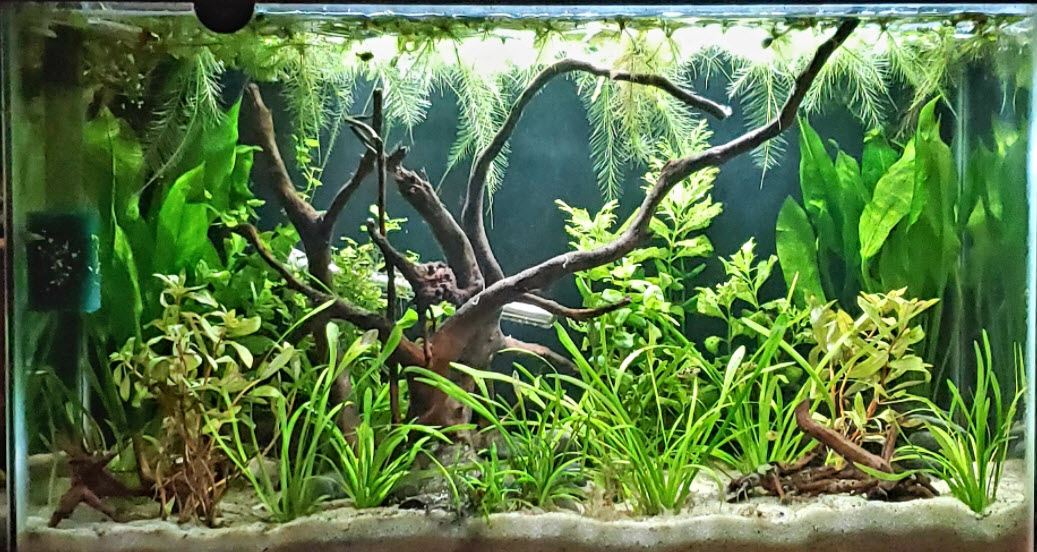
Planted aquariums create beautiful underwater gardens. Sometimes, problems appear that affect plant health and water clarity. Knowing how to fix common issues keeps your tank healthy and plants thriving. This guide helps you handle typical challenges with simple steps.
Algae Outbreaks
Algae can take over your aquarium quickly. Too much light or excess nutrients often cause this. Reduce light hours to 6-8 per day. Avoid overfeeding fish to limit nutrient buildup. Adding algae-eating fish or snails helps control growth. Clean the tank glass and decorations regularly. Keep a good balance between plants and algae.
Plant Meltdown
Plants may melt or lose leaves suddenly. This happens due to poor water conditions or sudden changes. Check for proper lighting and stable temperature. Ensure plants get enough nutrients, like iron and potassium. Trim dead leaves to encourage new growth. Avoid moving plants too often or disturbing roots. Patience is key; plants recover with care.
Water Quality Problems
Clear water is vital for a healthy aquarium. Test water regularly for ammonia, nitrites, and nitrates. High levels harm plants and fish. Do partial water changes every week to keep water clean. Use a good filter and avoid overcrowding fish. Remove uneaten food and waste daily. Balanced water conditions support strong plants and happy fish.
Credit: aquariumscience.org
How Smart Pets Lover Can Help You with Planted Aquarium
Learning Through Your Planted Aquarium Journey
Setting up a planted aquarium is more than just creating a beautiful underwater scene; it’s a hands-on classroom for understanding ecosystems, water parameters, and aquascaping artistry. As you fine-tune your lighting setup and balance fertilization techniques, you’ll naturally develop an intuition for how plants and aquatic life thrive together. This practical experience deepens your connection to nature and sharpens your problem-solving skills, especially when troubleshooting common issues like algae or nutrient imbalances.
At Smart Pets Lover, we know that every step—from selecting the right substrate and soil to maintaining filtration and circulation—offers valuable lessons in responsibility and care. Remember, patience and observation are your best tools. Should you ever need a sounding board or more insights, reaching out to knowledgeable communities or pet care experts can make all the difference.
Embrace the learning curve with warmth and curiosity, knowing that each adjustment brings you closer to a flourishing planted aquarium that tells its own living story.
Frequently Asked Questions
What Is A Planted Aquarium?
A planted aquarium is a fish tank filled with live aquatic plants. It creates a natural environment for fish. These plants improve water quality and oxygen levels. Planted aquariums require proper lighting, substrate, and CO2 for plant growth.
How Do I Start A Planted Aquarium?
Begin with choosing a suitable tank and substrate for plants. Add aquatic plants that fit your tank size and lighting. Use a quality aquarium light and consider CO2 supplementation. Cycle the tank before adding fish to ensure a balanced ecosystem.
What Plants Are Best For Beginners?
Easy plants include Java Fern, Anubias, and Amazon Sword. These plants tolerate low light and need minimal care. They grow well in most water conditions. Beginner-friendly plants help establish a healthy planted aquarium with less effort.
How Often Should I Maintain A Planted Aquarium?
Perform partial water changes weekly, about 20-30%. Trim plants regularly to prevent overgrowth. Clean algae from glass and decorations as needed. Monitor water parameters to keep fish and plants healthy.
Conclusion
A planted aquarium brings life and calm to any space. Green plants help keep water clean and fish healthy. It creates a natural home for your aquatic pets. Simple care and patience make a big difference. Watching plants grow and fish swim relaxes the mind.
Start small, learn as you go, and enjoy the journey. A planted tank is a rewarding hobby anyone can try. Give your fish a green world to thrive in.