Pictus Catfish
If you’re looking to add a lively and unique fish to your aquarium, the Pictus Catfish might be exactly what you need. With its striking spotted body and active nature, this fish can bring excitement and charm to your tank.
But before you dive in, it’s important to know how to care for your Pictus Catfish properly. You’ll discover everything you need to keep your new pet healthy and happy, from tank setup tips to feeding advice. Ready to make your aquarium stand out?
Let’s explore what makes the Pictus Catfish so special.
Credit: www.aquariumsource.com
Pictus Catfish Basics
The Pictus Catfish is a popular fish in home aquariums. It stands out with its unique look and active nature. Understanding the basics helps in caring for this fish properly. Here are some key points about the Pictus Catfish.
Physical Features
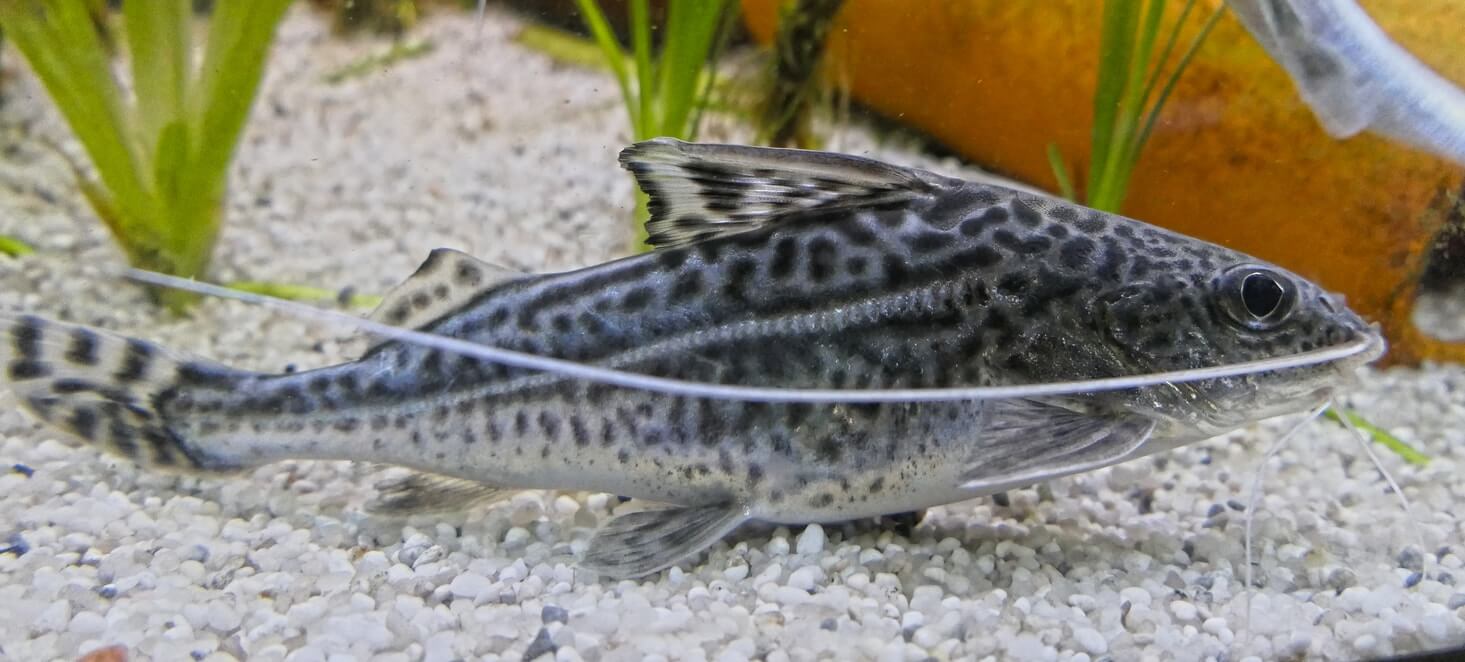
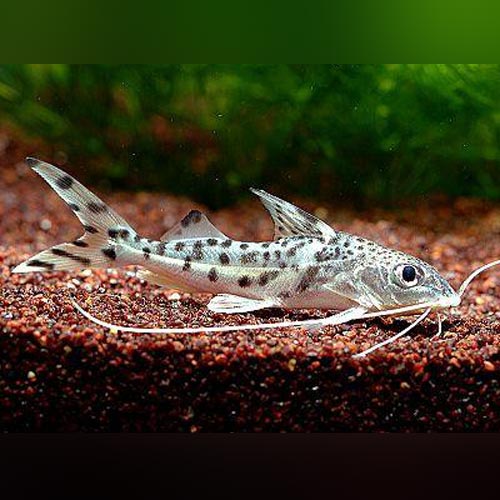
Pictus Catfish have long whiskers called barbels. Their bodies are silver with black spots. They have sharp fins and a slim shape. These fish usually grow up to 5 inches long. Their eyes are large and help them see in dark waters.
Natural Habitat
These catfish come from rivers in South America. They live in slow-moving waters with plants and rocks. The water is often murky but rich in oxygen. They prefer warm water temperatures between 75 and 80°F. The natural environment helps them hide and find food easily.
Behavior Traits
Pictus Catfish are active swimmers and mostly nocturnal. They explore the tank bottom searching for food. These fish like to be in groups of three or more. They are peaceful but may chase smaller fish sometimes. Their whiskers help them sense food and surroundings in the dark.
Tank Setup
Setting up a tank for Pictus Catfish needs care and thought. These active fish require space and clean water. Their tank should mimic their natural river home. This helps them stay healthy and happy. Follow these tips for the best tank setup.
Ideal Tank Size
Pictus Catfish grow up to 6 inches long. They swim a lot and need room. A tank of at least 30 gallons works well for one or two fish. Larger tanks suit groups better. More space means less stress and better health.
Water Conditions
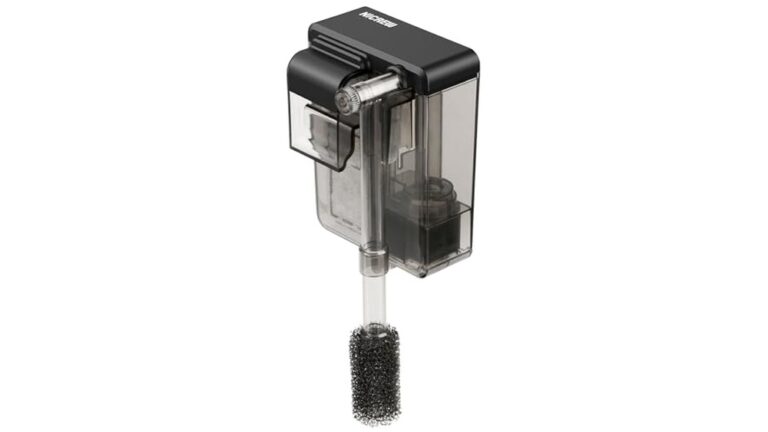
Pictus Catfish prefer water that is clean and well-oxygenated. Keep the temperature between 72 and 79 degrees Fahrenheit. The pH should be slightly acidic to neutral, around 6.5 to 7.5. Regular water changes help maintain good water quality. Use a strong filter to keep the water clear.
Substrate And Decoration
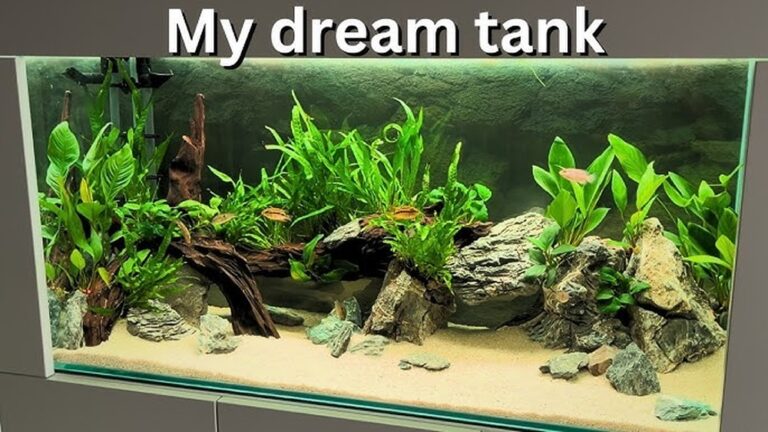
Soft sand or fine gravel makes a good substrate. Pictus Catfish like to dig and search for food. Smooth stones and driftwood add hiding spots. Live plants can create a natural feel and improve water quality. Avoid sharp decorations that might hurt the fish.
Feeding Tips
Feeding Pictus Catfish properly is key to their health and happiness. They are active bottom dwellers and need a balanced diet. Understanding their food needs helps keep them lively and strong.
Feeding them right also reduces waste and keeps the tank clean. Let’s explore the best feeding tips for Pictus Catfish.
Diet Preferences
Pictus Catfish prefer a diet rich in protein. They enjoy live or frozen foods like bloodworms and brine shrimp. They also eat sinking pellets and flakes. They like variety and will accept most sinking foods. Avoid feeding only flakes as they need bottom food.
Feeding Frequency
Feed your Pictus Catfish once or twice a day. Small portions are best to avoid overfeeding. Young catfish may need more frequent feeding. Watch their behavior to adjust feeding times. Remove uneaten food to keep water clean.
Suitable Food Types
Choose sinking pellets made for bottom feeders. Live foods like bloodworms and daphnia are excellent treats. Frozen foods can be a good alternative. Occasionally offer vegetables like zucchini or cucumber. Avoid floating food as it may not reach them.

Credit: aquariumfishonline.com.au
Tank Mates Compatibility
Pictus Catfish are peaceful fish that do well with many tank mates. They like to swim in groups and need space to move. Choosing the right companions helps keep the tank calm and healthy. Some fish fit better with Pictus Catfish than others. Knowing which fish to choose avoids fights and stress.
Best Companion Fish
Good tank mates include tetras, danios, and barbs. These fish are active and peaceful. They swim in the middle or top of the tank. Corydoras catfish also make great companions. They stay at the bottom and do not bother Pictus Catfish. Avoid slow or long-finned fish that may get nipped.
Avoiding Aggression
Pictus Catfish are mostly peaceful but can get stressed. Crowding the tank causes fights. Keep enough space and hiding spots to reduce tension. Avoid aggressive or very large fish. Watch new fish closely to see how they behave. Remove any fish that show signs of bullying or stress.
Community Tank Tips
Keep the tank clean and well filtered. Feed fish evenly to prevent competition. Provide plants and decorations for hiding and resting. Group Pictus Catfish in schools of at least five. This helps them feel safe and less nervous. Regular water changes keep all fish healthy and active.
Health And Care
The health and care of Pictus Catfish are essential for a happy aquarium. These fish need clean water and proper food to stay strong. Regular monitoring helps catch problems early. Understanding their health signs leads to better care and longer life.
Good care prevents many common diseases. Knowing what to watch for keeps your Pictus Catfish safe and healthy.
Common Diseases
Pictus Catfish can get diseases like Ich, fin rot, and fungal infections. Ich shows as small white spots on the body. Fin rot causes fins to look ragged and torn. Fungal infections appear as white cotton-like patches. These diseases harm the fish quickly if untreated.
Preventive Measures
Keep water clean by changing it regularly. Use a good filter to remove waste and toxins. Feed a balanced diet made for bottom feeders. Avoid overcrowding the tank to reduce stress and disease. Quarantine new fish before adding them to the main tank.
Signs Of Stress
Pictus Catfish show stress by hiding more than usual. They may stop eating or swim erratically. Gasping at the water surface is a warning sign. Fading colors and clamped fins also indicate stress. Watch these signs closely to act fast and protect your fish.
Breeding Insights
Pictus Catfish are popular for their peaceful nature and unique appearance. Breeding these fish can be rewarding but requires care. Understanding their breeding habits helps in creating the right environment. This section shares key insights to help you breed Pictus Catfish successfully.
Breeding Conditions
Pictus Catfish need specific water conditions to breed. Keep the tank temperature around 78°F to 82°F. Soft, slightly acidic water works best. Use a clean tank with plenty of hiding places. Change water regularly to simulate rain and trigger spawning. Provide a balanced diet with live or frozen food for readiness.
Spawning Behavior
Pictus Catfish show active chasing before spawning. Males will follow females closely around the tank. Spawning usually happens near plants or flat surfaces. Females lay eggs, and males fertilize them quickly. Parents do not guard the eggs. Remove adults after spawning to protect the eggs from being eaten.
Raising Fry
Eggs hatch within two to three days. Fry are tiny and need fine food like infusoria or baby brine shrimp. Feed small amounts several times daily. Keep water clean and well-oxygenated for healthy growth. Avoid strong currents as fry are weak swimmers. Watch for signs of growth and change food as they get bigger.
Common Challenges
Pictus Catfish are popular in home aquariums. They bring life and activity to tanks. Despite their charm, they come with challenges. These challenges need attention for a healthy tank. Understanding common problems helps keep these fish safe and happy.
Handling Nocturnal Behavior
Pictus Catfish are mostly active at night. They hide during the day to avoid light. This behavior can surprise new owners. Watching them often requires patience and low light. Tank lighting should be gentle or dimmed in the evening. This helps fish feel safe and active.
Managing Jumping Tendencies
These catfish are known to jump out of tanks. They jump to escape threats or explore. A tight-fitting lid is essential. Without one, fish may hurt themselves or get lost. Keep the tank covered but allow air flow. This prevents accidents and keeps fish inside.
Dealing With Aggression
Pictus Catfish can be territorial and show aggression. They may chase smaller or slower fish. Avoid overcrowding to reduce fights. Provide plenty of hiding spots with plants or decorations. This gives each fish space to feel secure.
Credit: aquariumfish.com
How Smart Pets Lover Can Help You with Pictus Catfish
Learning Through Caring for Your Pictus Catfish
Welcoming a Pictus Catfish into your home isn’t just about creating a beautiful aquarium—it’s a chance to deepen your understanding of aquatic life and responsible pet care. By paying close attention to their tank setup and feeding habits, you’ll develop a hands-on appreciation for maintaining water quality and providing balanced nutrition. These practical lessons also extend to selecting compatible tank mates, which teaches patience and observation as you watch diverse species coexist harmoniously.
At Smart Pets Lover, we believe every pet parent’s journey is unique and rewarding. Our experience shows that exploring the health and care routines of Pictus Catfish can inspire a lifelong connection with your aquatic companions. If questions arise or you want to share your progress, reaching out to trusted communities or experts can offer valuable support—because where every wag, purr, and chirp tells a story, every splash and swim does too.
Frequently Asked Questions
What Is The Lifespan Of A Pictus Catfish?
Pictus Catfish typically live 8 to 10 years with proper care. Their lifespan depends on tank conditions and diet quality.
How Large Do Pictus Catfish Grow?
They can grow up to 5 inches (12 cm) in length. Adequate tank space is essential for their growth and health.
What Tank Size Suits Pictus Catfish Best?
A minimum 30-gallon tank is recommended for a small group. They need ample swimming space and hiding spots.
Are Pictus Catfish Peaceful With Other Fish?
Yes, they are generally peaceful but active. Avoid slow-moving or small fish to prevent stress or injury.
Conclusion
Pictus catfish make a great addition to many tanks. They stay active and help keep the tank clean. These fish enjoy hiding spots and peaceful tank mates. Feed them well to see their best colors. Watch their behavior to keep them healthy.
With simple care, they live happily for years. A lively, friendly fish for beginner and experienced keepers alike. Give your aquarium a lively touch with Pictus catfish.