Penguin Tetra
If you’re looking to add a splash of color and life to your aquarium, the Penguin Tetra might be just what you need. These small, striking fish are easy to care for and bring a peaceful energy to any tank.
But what makes Penguin Tetras so special? You’ll discover everything you need to know—from their unique appearance to the best ways to keep them healthy and happy. Keep reading, and you’ll find out how to make your aquarium a vibrant underwater world with these charming little fish.
Credit: azgardens.com
Appearance And Size
The Penguin Tetra is a small, striking fish popular in home aquariums. It has a unique look that makes it stand out. Its size and colors add charm to any tank. Understanding its appearance helps in identifying and caring for this fish.
Distinctive Colors
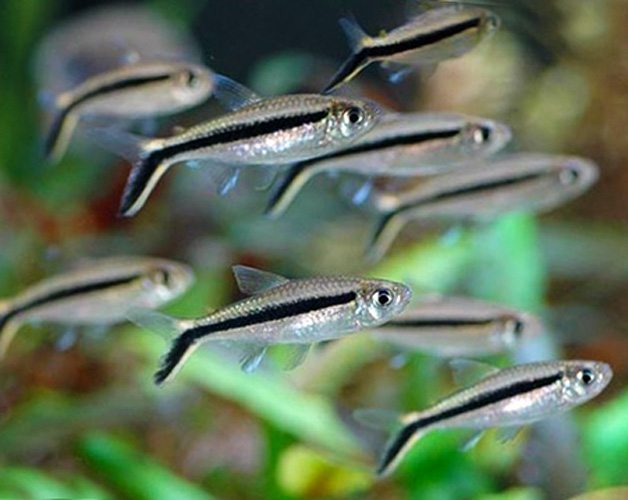
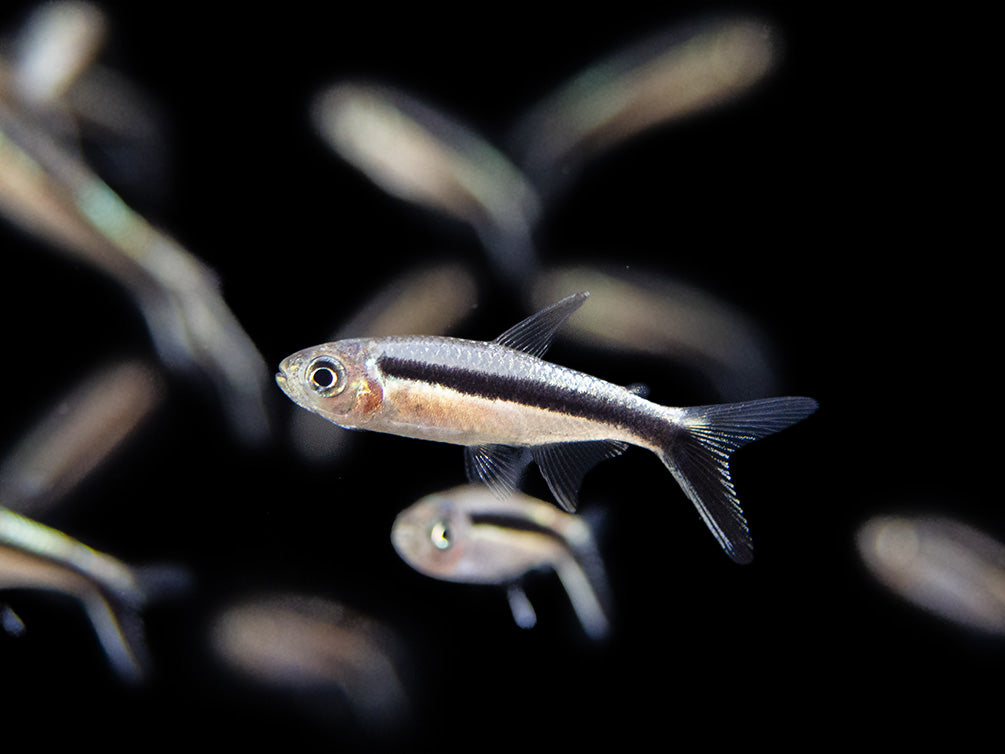
The Penguin Tetra shows a mix of black, white, and silver shades. It has a black stripe running from its nose to its tail base. The front part of the body is white or silver. Its fins often have a translucent look. These colors make it easy to spot among other fish.
Body Shape And Fins
This fish has a sleek, torpedo-shaped body. It grows up to about 2 inches long. Its body shape helps it swim quickly and smoothly. The Penguin Tetra’s fins are small and rounded. The dorsal fin sits near the middle of its back. The tail fin is forked, aiding fast movement.
Natural Habitat
The natural habitat of the Penguin Tetra shapes its behavior and health. These small fish thrive in specific environments that provide shelter and food. Understanding their habitat helps in recreating the right conditions in home aquariums.
Geographic Location
Penguin Tetras come from South America. They live mainly in Brazil’s river systems. The fish prefer slow-moving waters near riverbanks. These areas have plenty of plants and hiding spots. This location offers safety from predators and steady food sources.
Water Conditions
These tetras need soft and slightly acidic water. The temperature usually stays between 72°F and 79°F. Clear water with low current suits them best. Plant-rich waters provide shade and protection. Keeping these water conditions ensures their health and bright colors.
Tank Setup
Creating a proper tank setup is important for Penguin Tetras. They need a healthy and comfortable home to thrive. Setting up the aquarium carefully helps keep them active and colorful.
Each part of the tank affects their health. Pay close attention to size, water conditions, and decoration. These details make a big difference in their life.
Aquarium Size
Penguin Tetras are small but active fish. A tank of at least 20 gallons is best. This size gives enough space for swimming. It also helps maintain water quality. Keep a group of six or more to reduce stress. They feel safer and act natural in groups.
Water Parameters
Water quality must be steady and clean. The temperature should be between 72 and 78°F. The pH level needs to stay near 6.0 to 7.5. Soft to moderately hard water is ideal. Regular water changes keep the tank healthy. Test water weekly to avoid problems.
Decor And Plants
Use dark substrate to mimic their natural habitat. Add driftwood and rocks for hiding places. Live plants like Java fern and Anubias work well. They offer shelter and improve water quality. Avoid sharp decorations that can hurt the fish. Keep open swimming areas too.
Feeding Habits
Penguin Tetras have interesting feeding habits that reflect their natural environment. Understanding their diet helps keep them healthy and active. Their eating patterns in the wild differ from those in an aquarium. Knowing what they eat supports proper care and nutrition.
Diet In The Wild
Penguin Tetras feed mainly on small insects and larvae. They also eat tiny crustaceans and plant matter. Their diet varies with season and water conditions. These fish hunt near the water surface and mid-levels. They prefer fresh, live food for energy and growth.
Recommended Aquarium Foods
In an aquarium, Penguin Tetras thrive on a mix of foods. High-quality flake or pellet food forms their diet base. Supplement with frozen or live brine shrimp and bloodworms. These provide protein and mimic their natural diet. Offer small portions twice daily for best results.
Behavior And Social Traits
The Penguin Tetra is a lively and social fish. Its behavior in the aquarium makes it a favorite for many fishkeepers. Understanding its social traits helps create a healthy environment. These fish thrive in groups and show interesting interactions.
Schooling Patterns
Penguin Tetras prefer to swim in schools. A group of six or more feels safest to them. They move together in synchronized patterns. This schooling reduces stress and boosts their confidence. Alone, they can become shy and hide often. Schools show lively and active behavior, brightening the tank.
Compatibility With Other Fish
Penguin Tetras are peaceful and get along with many species. They do well with other small, non-aggressive fish. Avoid housing them with large or aggressive tankmates. They share space calmly and rarely show aggression. Their gentle nature makes them ideal for community tanks.
Breeding Tips
Breeding Penguin Tetras can be rewarding but requires care and patience. These fish need specific conditions to spawn successfully. Understanding their needs helps increase the chance of breeding success.
Spawning Conditions
Keep the water soft and slightly acidic, with a pH around 6.5. Temperature should be steady between 75°F and 79°F (24°C to 26°C). Use a separate breeding tank to protect eggs and fry. Add fine-leaved plants or spawning mops for egg attachment. Dim lighting helps reduce stress for the fish. Remove the adult fish after spawning to prevent egg eating.
Caring For Fry
Fry hatch within 24 to 36 hours. Feed them infusoria or liquid fry food at first. After a week, offer baby brine shrimp or finely crushed flakes. Keep water clean with gentle changes daily. Avoid strong water currents to protect the tiny fry. Watch their growth and move them to a bigger tank when needed.
Common Health Issues
Penguin Tetras are generally hardy fish but can face health issues. Knowing common problems helps keep them healthy. Early care improves their lifespan and quality of life.
Signs Of Illness
Look for changes in behavior. Swimming oddly or hiding more often can signal trouble. Check for spots, discoloration, or torn fins. Loss of appetite is another warning sign. Rapid breathing or gasping at the water surface needs attention.
Preventive Care
Keep the tank clean with regular water changes. Use a good filter to maintain water quality. Feed a balanced diet suitable for Penguin Tetras. Avoid overcrowding the tank to reduce stress. Quarantine new fish before adding them to the main tank.
Credit: aquaticarts.com

Credit: aquadiction.world
How Smart Pets Lover Can Help You with Penguin Tetra
Learning from Your Penguin Tetra: A Journey in Responsible Care
Understanding your Penguin Tetra’s behavior and social traits offers more than just insights into their fascinating personalities—it creates an opportunity to deepen your connection with these lively fish. Observing their schooling nature can teach patience and the importance of community, both valuable lessons for any pet parent.
Tank setup is another practical learning experience. Balancing water parameters and creating a habitat that mimics their natural environment encourages attentiveness and responsibility, essential qualities for nurturing any aquatic life. Feeding habits, too, remind us of the care needed in providing balanced nutrition, reinforcing the idea that every pet’s needs are unique and deserve thoughtful consideration.
At Smart Pets Lover, we believe that every interaction with your Penguin Tetra is a step toward becoming a more informed and confident pet parent. If questions arise, reaching out to community forums or aquatic specialists can be a helpful resource, guiding you toward the best care practices. Remember, each ripple in your tank reflects the story of your dedication and love.
Frequently Asked Questions
What Is A Penguin Tetra Fish?
Penguin Tetra is a small freshwater fish known for its black and white pattern. It is peaceful and popular in community aquariums. These fish thrive in well-planted tanks with moderate water flow and temperatures between 72-79°F.
How Big Do Penguin Tetras Grow?
Penguin Tetras typically grow up to 2 inches (5 cm) in length. They remain small, making them suitable for medium and small-sized tanks. Their compact size allows easy care and compatibility with other small fish species.
What Is The Ideal Tank Setup For Penguin Tetras?
A 20-gallon tank with plants, hiding spots, and moderate lighting suits Penguin Tetras best. They prefer slightly acidic to neutral water with temperatures from 72-79°F. Good filtration and regular water changes keep them healthy.
Are Penguin Tetras Peaceful Community Fish?
Yes, Penguin Tetras are peaceful and social. They do well in groups of six or more. They coexist with other non-aggressive fish and add lively movement to community aquariums.
Conclusion
Penguin Tetras make great pets for small aquariums. They are peaceful, colorful, and easy to care for. Keeping them happy means clean water and a balanced diet. Watch them swim in groups; it’s fun to see their playful nature. Enjoy their unique look and calm behavior every day.
A Penguin Tetra can brighten any fish tank space. Consider adding them to your aquarium family soon.