Peacock Eel
Have you ever seen a fish that moves like a snake and glides through the water with the grace of a dancer? That’s the peacock eel, a fascinating and unique creature that can easily become the star of your aquarium.
If you’re curious about what makes this eel so special, how to care for it, or why it could be the perfect addition to your underwater world, you’re in the right place. Keep reading to discover everything you need to know about the peacock eel and how it can bring excitement and beauty to your fish tank.

Credit: www.cloningaquapets.com
Peacock Eel Basics
The Peacock Eel is a unique and fascinating fish. It is known for its beautiful colors and interesting shape. Many fish lovers enjoy having this eel in their tanks. Understanding its basics helps in caring for it properly.
This section covers the physical features, natural habitat, and behavior patterns of the Peacock Eel.
Physical Features
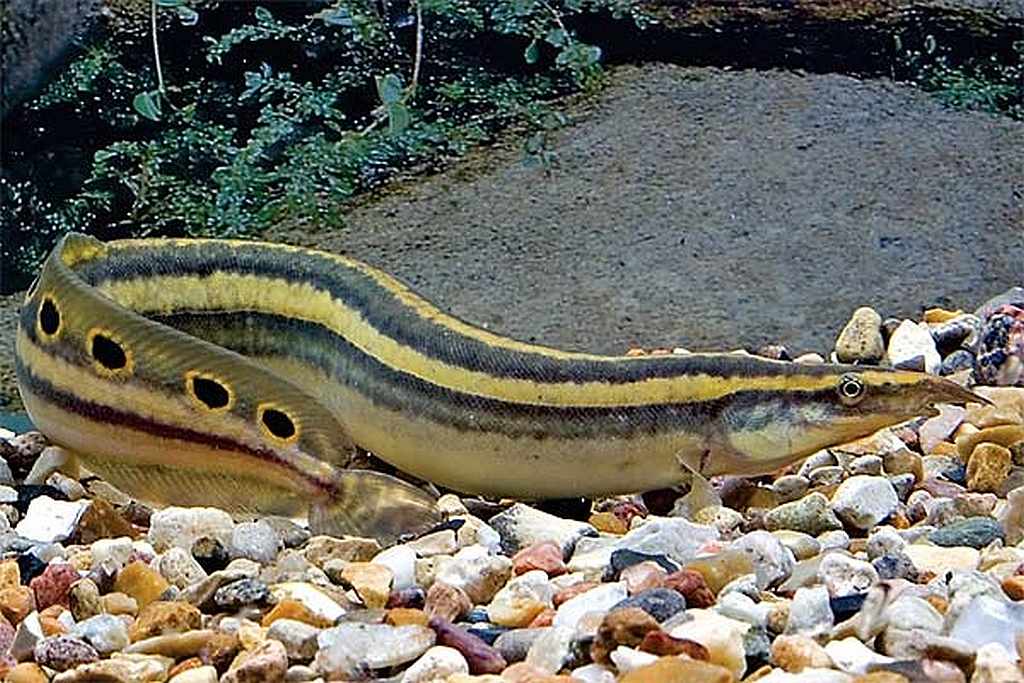
The Peacock Eel has a long, slender body. Its skin is smooth and shiny. Bright spots and stripes cover its body, making it look like a peacock’s feathers. It has a small mouth and sharp teeth. These features help it catch small prey easily.
Natural Habitat
Peacock Eels live in slow-moving rivers and streams. They prefer places with soft sand or mud at the bottom. These eels hide under rocks or plants. They come from Southeast Asia, where the water is warm and clean. This environment helps them stay healthy and active.
Behavior Patterns
Peacock Eels are mostly active at night. They like to hide during the day to avoid predators. These eels dig burrows to live in and rest. They are peaceful and often keep to themselves. They hunt small fish and insects for food.

Credit: en.wikipedia.org
Diet And Feeding
The diet and feeding habits of the Peacock Eel shape its behavior and habitat. This eel eats a variety of small creatures found in freshwater. Understanding its diet helps fishkeepers provide the right food. It also reveals how the eel hunts and survives in the wild.
Preferred Foods
Peacock Eels enjoy live foods. They prefer small fish, worms, and insect larvae. Shrimp and crustaceans also make a tasty meal. In captivity, they accept frozen or pellet foods. However, live food keeps them healthy and active.
Feeding Habits
These eels feed mostly at night. They hide during the day and come out to hunt in the dark. Feeding times are short but frequent. They swallow prey whole using sharp teeth. The eel’s slow digestion matches its slow eating pace.
Hunting Techniques
Peacock Eels use their strong sense of smell to find prey. They can sense movement in water easily. The eel waits near hiding spots to ambush prey. It strikes quickly and pulls the food into its mouth. This sneaky hunting style makes it a good predator.
Tank Setup
Setting up a tank for a Peacock Eel takes care and attention. This eel needs a space that feels safe and natural. It thrives in a calm, well-maintained environment. The right setup helps the eel stay healthy and active.
Focus on size, water quality, and decoration. Each part plays a big role in the eel’s comfort and well-being.
Ideal Tank Size
A tank should be at least 30 gallons. Peacock Eels grow up to 20 inches long. They need room to swim and hide. A bigger tank is better for their health and activity. It also helps keep the water stable.
Water Conditions
Maintain water temperature between 75 and 82 degrees Fahrenheit. Keep the pH level around 6.5 to 7.5. The water should be soft to moderately hard. Use a good filter to keep water clean. Regular water changes keep the tank healthy.
Decor And Hiding Spots
Peacock Eels like places to hide and feel safe. Use smooth rocks, caves, and driftwood. Plants can add shelter but choose sturdy types. Sand or fine gravel works best for the substrate. Avoid sharp objects that can hurt the eel.
Tank Mates
Choosing the right tank mates for your Peacock Eel is important. This eel has a calm nature but can show some territorial behavior. A well-planned community tank helps keep peace and health for all fish. The key is to select species that match the eel’s temperament and size.
Compatible Species
Peacock Eels do well with peaceful fish. Good choices include tetras, rasboras, and small gouramis. Bottom dwellers like Corydoras catfish also work well. Avoid very small fish; the eel might see them as food. Medium-sized fish that are not aggressive make the best companions.
Aggression Considerations
Peacock Eels usually avoid fights but may defend their space. They can become aggressive if crowded or stressed. Avoid keeping multiple eels together unless the tank is very large. Watch for signs of chasing or nipping. Separate fish if any aggression appears.
Community Tips
Provide plenty of hiding spots with plants and decorations. This reduces stress and gives fish safe places. Keep the tank clean and maintain stable water conditions. Feed the eel and other fish well to prevent competition. Regular observation helps catch problems early.
Health And Care
Peacock eels need careful health and care routines to thrive. Their well-being depends on clean water, good diet, and a calm environment. Healthy peacock eels show active swimming and clear skin. Neglect can cause stress and sickness. Understanding their common diseases, preventive measures, and regular maintenance helps keep them strong.
Common Diseases
Peacock eels can catch bacterial infections. These cause redness, swelling, or sores on their skin. Parasites like ich may appear as white spots. Fungal infections make fuzzy patches on their bodies. Stress weakens their immune system and invites illness. Watch for changes in eating or swimming habits.
Preventive Measures
Keep the water clean and stable in temperature. Use a good filter and change water often. Feed a balanced diet with live or frozen food. Avoid overcrowding the tank. Quarantine new fish before adding them. Maintain proper pH and hardness levels. Stress reduction helps prevent many diseases.
Regular Maintenance
Test water weekly to track quality. Remove uneaten food daily to stop waste buildup. Clean the tank glass and decorations regularly. Trim plants and check for algae growth. Inspect your eel closely for signs of illness. Keep the tank lid secure to prevent escapes. Consistency in care supports healthy peacock eels.
Credit: www.predatoryfins.com
Breeding Peacock Eels
Breeding peacock eels is a fascinating process that many aquarium hobbyists enjoy. These eels have unique behaviors and needs during breeding. Understanding these aspects helps ensure a successful breeding experience.
Patience and attention to detail are important. The right environment and care will encourage natural breeding behavior. This section explains key points about breeding peacock eels.
Breeding Behavior
Peacock eels are shy and secretive during breeding. They prefer dim lighting and quiet surroundings. Males often become more colorful to attract females. They show courtship by gently nudging and circling each other. Spawning usually happens in hidden places or caves. Watching these behaviors helps identify when eels are ready to breed.
Spawning Conditions
Water temperature plays a big role in spawning. Keep it around 78-82°F (25-28°C) for best results. Soft, slightly acidic water encourages breeding. Provide plenty of hiding spots using plants or decorations. A clean tank with good water flow is essential. Lower the water level a little to mimic natural conditions. These steps create a safe space for egg laying and fertilization.
Raising Fry
Peacock eel eggs hatch in about 3-5 days. Fry are very small and fragile at first. Feed them tiny live foods like baby brine shrimp. Keep water quality high to prevent diseases. Frequent small water changes help fry grow strong. Separate fry from adult eels to avoid accidental harm. With proper care, young eels will grow steadily and thrive.
How Smart Pets Lover Can Help You with Peacock Eel
Learning Through Caring for Your Peacock Eel
Bringing a Peacock Eel into your home offers more than just a fascinating pet to admire—it’s a hands-on opportunity to deepen your understanding of aquatic life. By exploring their diet and feeding habits, you can learn how to balance nutrition and natural behaviors, which enhances both your eel’s health and your confidence as a caregiver. Setting up the right tank environment encourages you to think critically about water conditions, substrate choices, and compatible tank mates, reinforcing the importance of creating a harmonious ecosystem.
Smart Pets Lover’s approach to sharing care tips reflects our belief that every pet parent deserves clear, research-backed advice to foster meaningful bonds. Whether you’re navigating health concerns or trying your hand at breeding, practical experience with your Peacock Eel can transform curiosity into expertise. For further guidance or questions, connecting with knowledgeable communities or trusted resources can provide ongoing support—because nurturing these unique creatures is as much about learning as it is about love.
Frequently Asked Questions
What Is A Peacock Eel And Where Is It Found?
The Peacock Eel is a freshwater fish native to South America. It inhabits slow-moving rivers and flooded forests. Known for its vibrant colors and unique patterns, it thrives in warm, tropical waters.
How Big Do Peacock Eels Typically Grow?
Peacock Eels usually grow up to 20 inches in length. They have elongated bodies and can live several years in captivity. Proper care and environment help them reach full size healthily.
What Do Peacock Eels Eat In Captivity?
Peacock Eels mainly eat live or frozen foods like bloodworms, shrimp, and small fish. They require a protein-rich diet to stay healthy. Feeding should be done once daily or every other day.
Are Peacock Eels Suitable For Community Aquariums?
Peacock Eels can live peacefully with other large, non-aggressive fish. They may eat smaller fish, so avoid tiny tank mates. Provide plenty of hiding spots to reduce stress and territorial behavior.
Conclusion
The peacock eel stands out with its unique look and calm nature. It adapts well to home aquariums and adds charm to any tank. Its care needs are simple, making it a good choice for beginners. Watching its movements can be very relaxing.
This eel brings life and color without much effort. Consider adding one if you want a peaceful, interesting pet. It offers a quiet beauty that many fish cannot match. A small, graceful addition to your underwater world.